Research & Impact
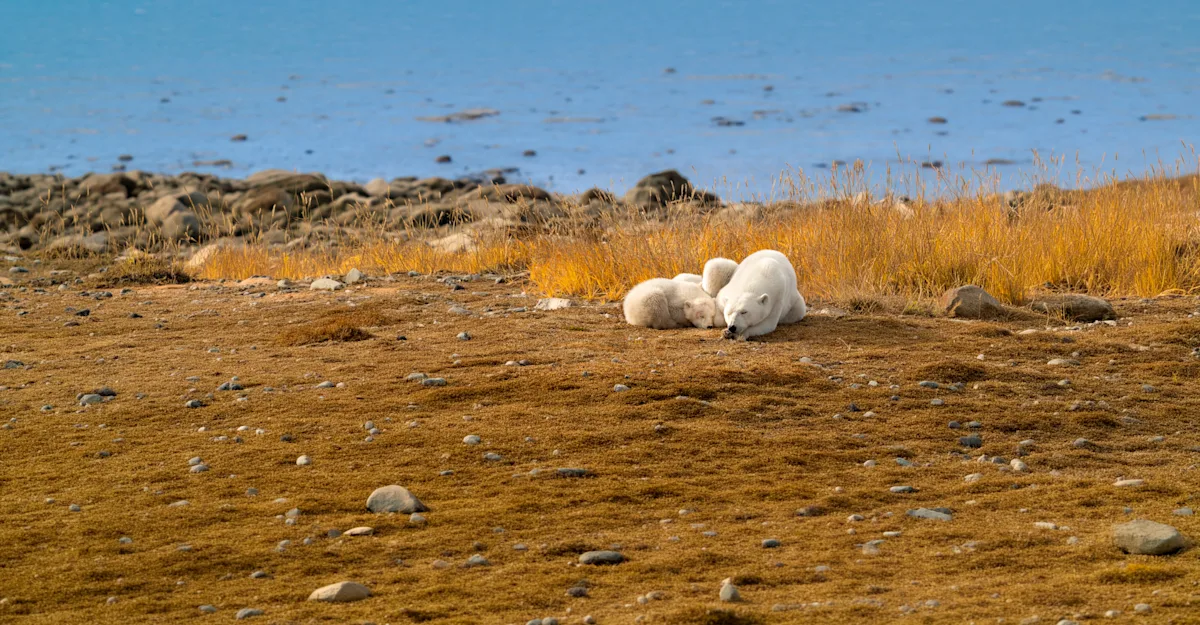
The Arctic has warmed nearly four times faster than the global average, and the effects show up quickly. Sea ice forms later and melts sooner. Permafrost softens. Coastlines and wetlands shift locations. Wildlife adjusts in response. In Churchill, where tundra, taiga forest and Hudson Bay meet, you contribute to the research tracking these changes—following polar bears along the coast, photographing belugas in the estuary, and measuring changes in the ground beneath your feet, all of which provide data that help scientists better understand the dynamics and consequences of climate change in Arctic environments.
What You'll Do in the Field
Click a photo to expand details
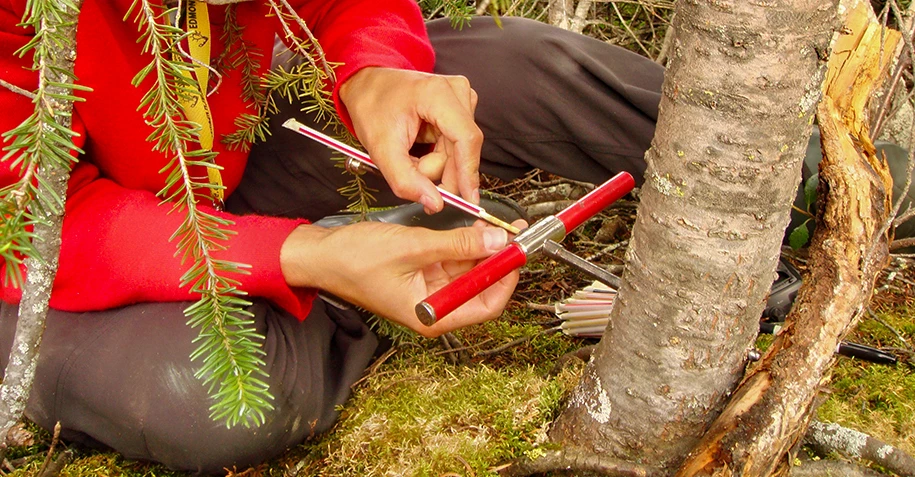
Restore Habitats & Run Field Experiments
Assist with field experiments that explore how vegetation responds to changing conditions, including tracking seedling growth and contributing to long-term studies on how forests are advancing into tundra ecosystems.
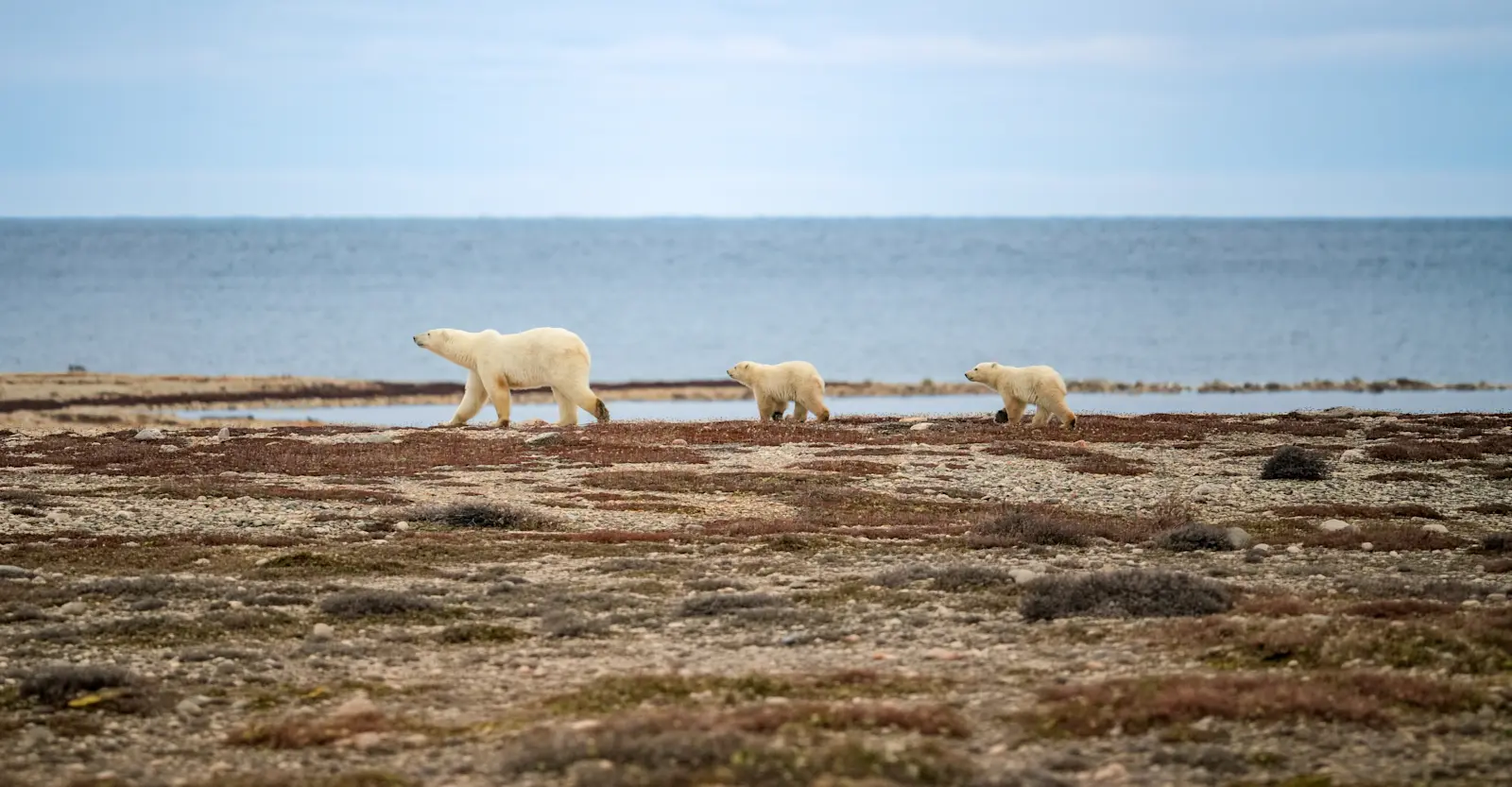
Observe Animal Behavior
While wildlife is not the primary focus of the research, you’ll have opportunities to observe Arctic species in their natural environment, noting movement, behavior, and interactions across tundra and coastal landscapes.
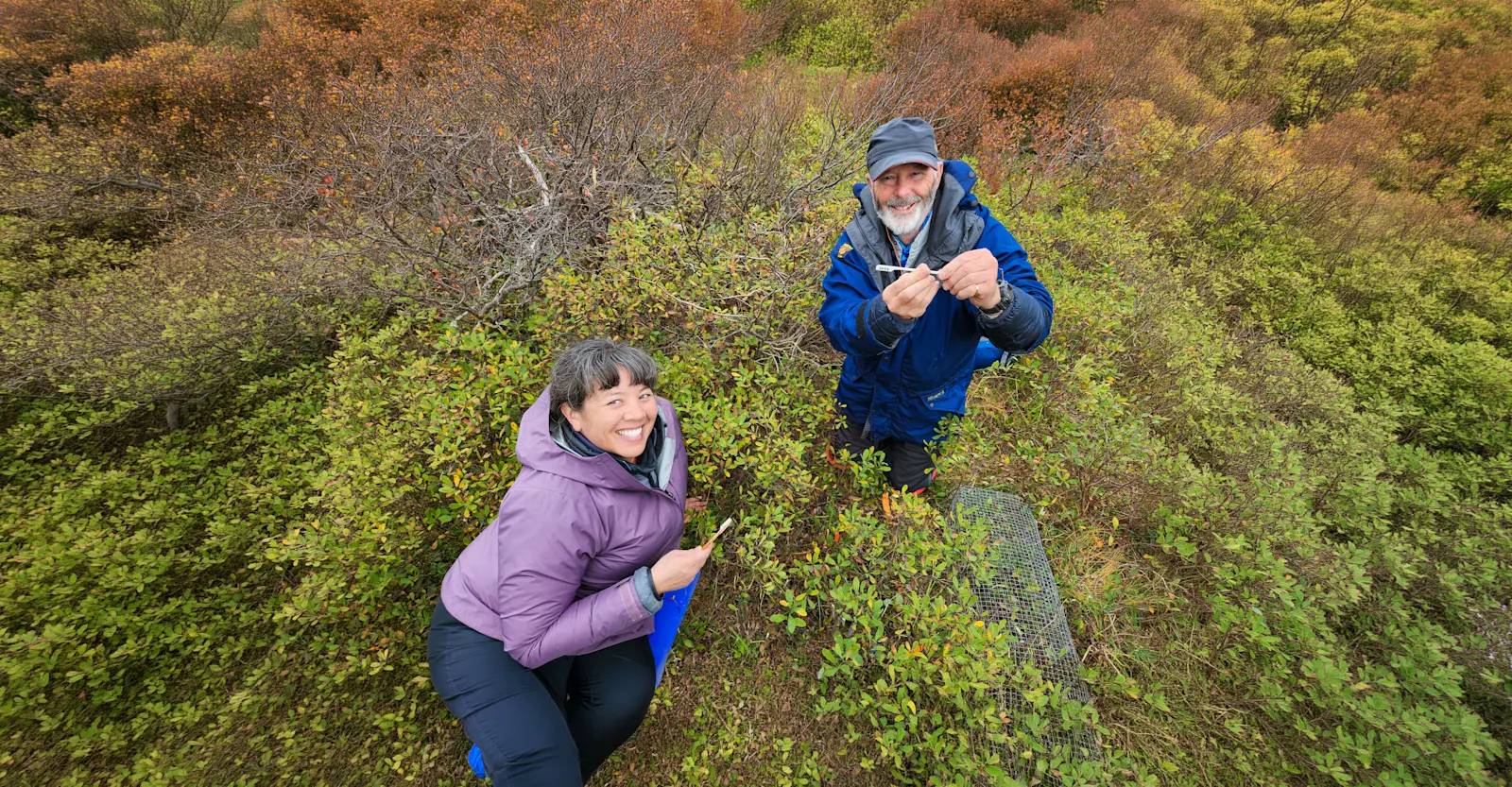
Assess Habitats & Ecosystems
Measure permafrost thaw, sample soils, and track how vegetation is changing at the Arctic treeline—gathering data that reveals how climate change is reshaping northern ecosystems.
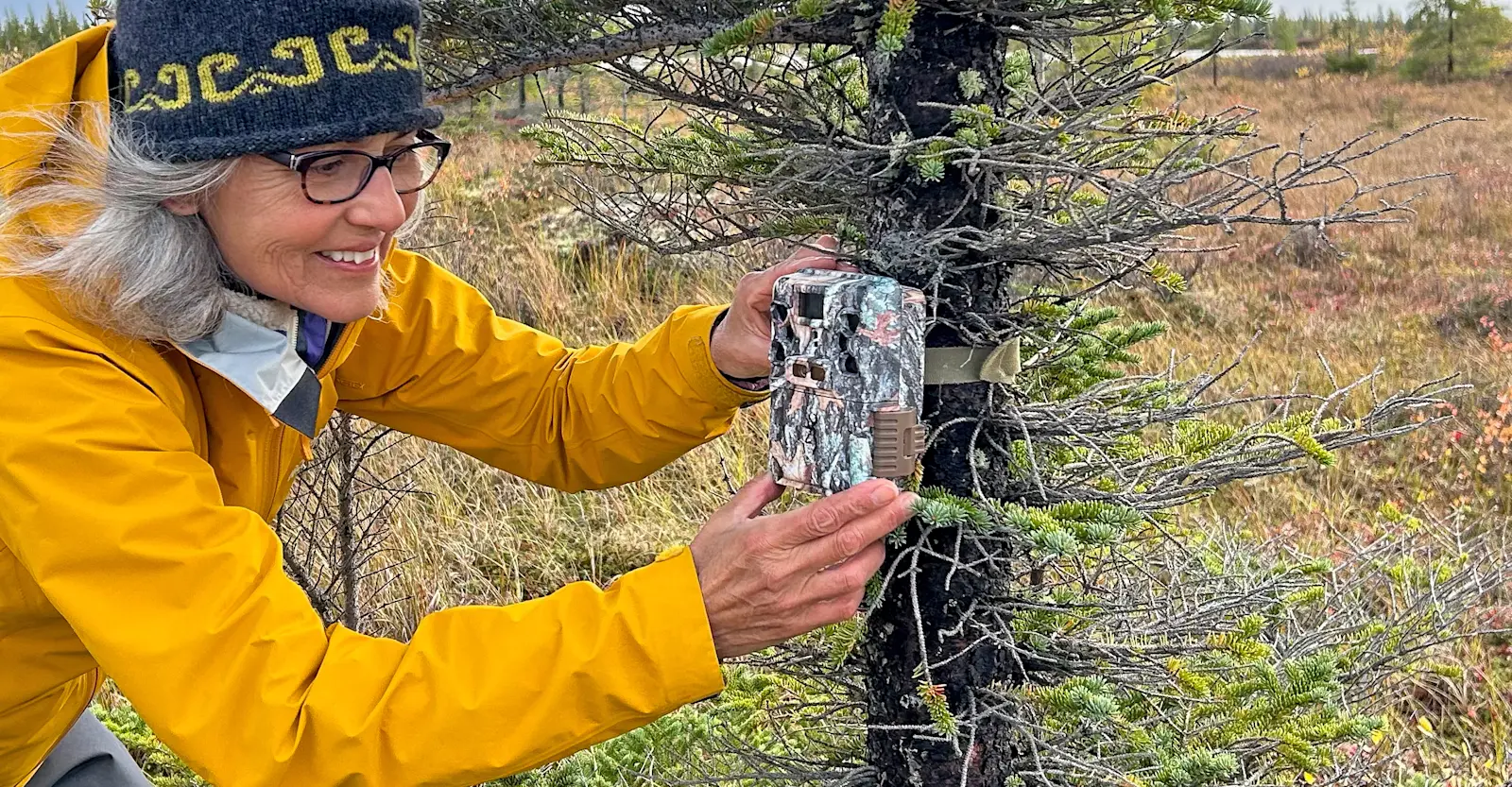
Deploy Camera Traps
Set up camera traps to capture wildlife activity and habitat use on Churchill’s tundra.
Meet Your Lead Scientist

LeeAnn Fishback, Ph.D.
Dr. LeeAnn Fishback has spent nearly three decades studying freshwater systems across Arctic and subarctic regions, focusing on how climate change is reshaping northern lakes and ponds. Based in Churchill, she leads long-term research that reveals how rapidly changing conditions are transforming the North.
Research Focus
This project investigates how Arctic ecosystems are changing as temperatures rise, with fieldwork centered on permafrost thaw and the encroachment of boreal forest into the tundra. Participants join scientists at long-term monitoring sites near Churchill to measure seasonal thaw, record vegetation changes and track where new trees are taking hold. These shifts affect how carbon is stored, how stable the ground remains, and how wildlife adjust to changes in the landscape in terms of movement, feeding and other behaviors. The data collected helps scientists understand how quickly these Arctic environs are changing and what those changes may mean beyond the region.
Document Arctic Climate Change
Measure seasonal thaw and document new tree growth at long-term research sites, contributing data used to understand global climate impacts.
Conservation Impact
Research in Churchill combines long-term climate monitoring with studies on belugas and polar bears, producing data used to guide real-world conservation and management across the Arctic.
More than 20 years of climate data used to track how quickly permafrost is thawing—informing climate models and projections that shape global policy
Measurements of treeline advance and wetland change used to predict how Arctic habitats will shift, guiding land and ecosystem management
Permafrost research helping scientists estimate carbon release from thawing ground—critical to understanding future warming scenarios
Long-term datasets that allow scientists to distinguish short-term variation from permanent change—critical for making informed conservation decisions
Findings that connect Arctic change to global systems, including climate regulation, sea levels and biodiversity
This research informs the urgent decisions being made in real time about how to manage and protect these Arctic systems as they warm at a rate that’s nearly four times faster than the global average.
Your Role in the Research
On foot near the research station, measure permafrost thaw. Probe the ground to record the depth of the active layer and document soil and environmental conditions across field sites. At the treeline, identify seedlings, record vegetation and compare sites to understand how trees are establishing in open tundra. Each observation contributes to long-term research tracking how Arctic ecosystems are changing.
Life in the Field
Each day's agenda is determined by weather conditions, wildlife activity and research priorities. Vegetation research days start on foot, crossing open ground to reach field sites where we measure permafrost and vegetation. Time on the tundra brings long views and steady movement, with pauses for observation—watching a bear at distance or documenting subtle changes in the landscape. Bring your binoculars! Tens of thousands of birds nest in and around Churchill during the late spring and summer, drawn by the rich resources and abundance of water. Afternoons may include data review, discussion with scientists, or preparation for the next day’s fieldwork. During the evenings, we gather at the research station where conversations continue around our findings. After dark, don't forget to look up: the northern lights can be visible once night falls.
Field Conditions
Fieldwork takes place across tundra and boreal forest, accessed on foot and by vehicle. On land, expect uneven terrain and moderate walking over open ground. Activities may involve standing, crouching and working close to the ground. Weather can shift quickly, with cool temperatures, wind and variable conditions. Wildlife sightings vary and cannot be guaranteed. Some days bring close encounters. Others focus on fieldwork. Plans adjust with weather, conditions and research needs. Flexibility is essential.