Earthwatch Expeditions
Explore With Purpose
A New Way to Explore
Just because every corner of our planet has been mapped and investigated, it doesn’t mean there are no more discoveries to be had. On the contrary—and traveling with Earthwatch Expeditions is an exciting conduit to new knowledge about the wild world. Transforming travelers from observers into active participants in conservation, Earthwatch offers new discoveries every day. Guests work with world-class scientists to study animal populations and assess habitats, deploying innovative research and observation tools, and in the process, build findings that advance scientific knowledge, inform conservation policy and protect biodiversity. But the research is only part of the expedition. Active exploration reveals the destination beyond the fieldwork, bringing it to life through wildlife viewing, hiking, Zodiac cruises and other immersive forays. The result is a unique and deeply rewarding journey combining discovery, adventure and impact.
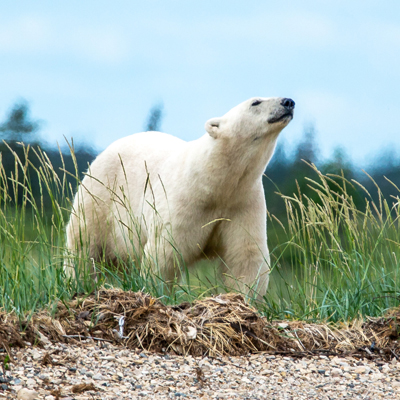
Venture into wild places, encounter wildlife up close and explore diverse landscapes on adventures that deepen your connection with the natural world.
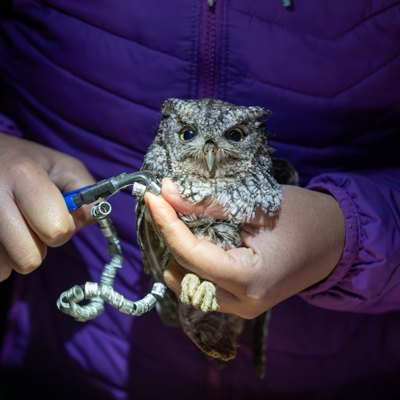
Go beyond a typical travel experience as you work alongside scientists in the field, gaining unmatched access to wild places and rare wildlife encounters.
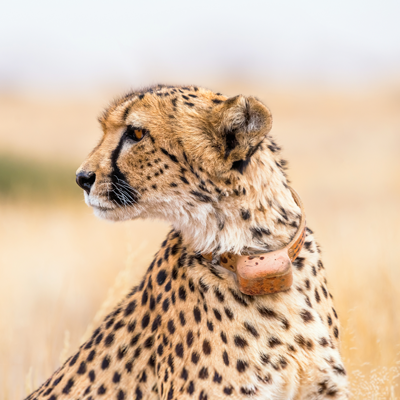
Help wildlife and ecosystems thrive by collecting field data that scientists use to restore habitat and guide lasting conservation strategies.
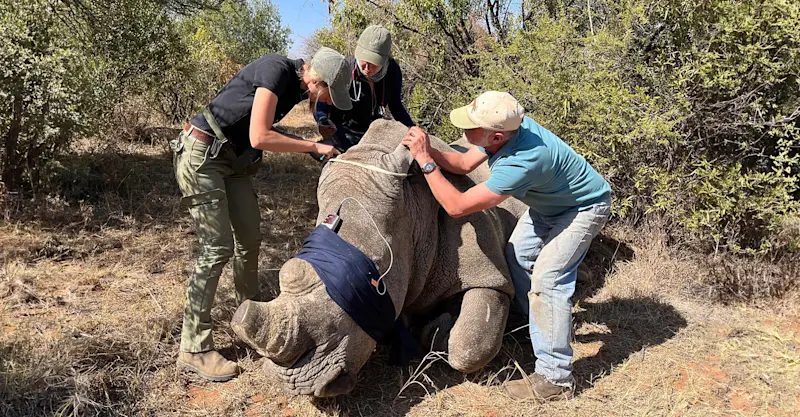
Field Expeditions Led by World-Class Scientists
Earthwatch partners with a global network of top scientists whose work has developed long-term datasets and led to new discoveries and impactful conservation outcomes. Affiliated with institutions such as Yale University, the University of Miami, Tufts University and the Australian Institute of Marine Science, project leaders include Ph.D. researchers, senior professors and research directors. Their peer-reviewed findings have shaped policy, secured protections for species and habitats, and expanded our collective knowledge of the natural world.
Your Research Role
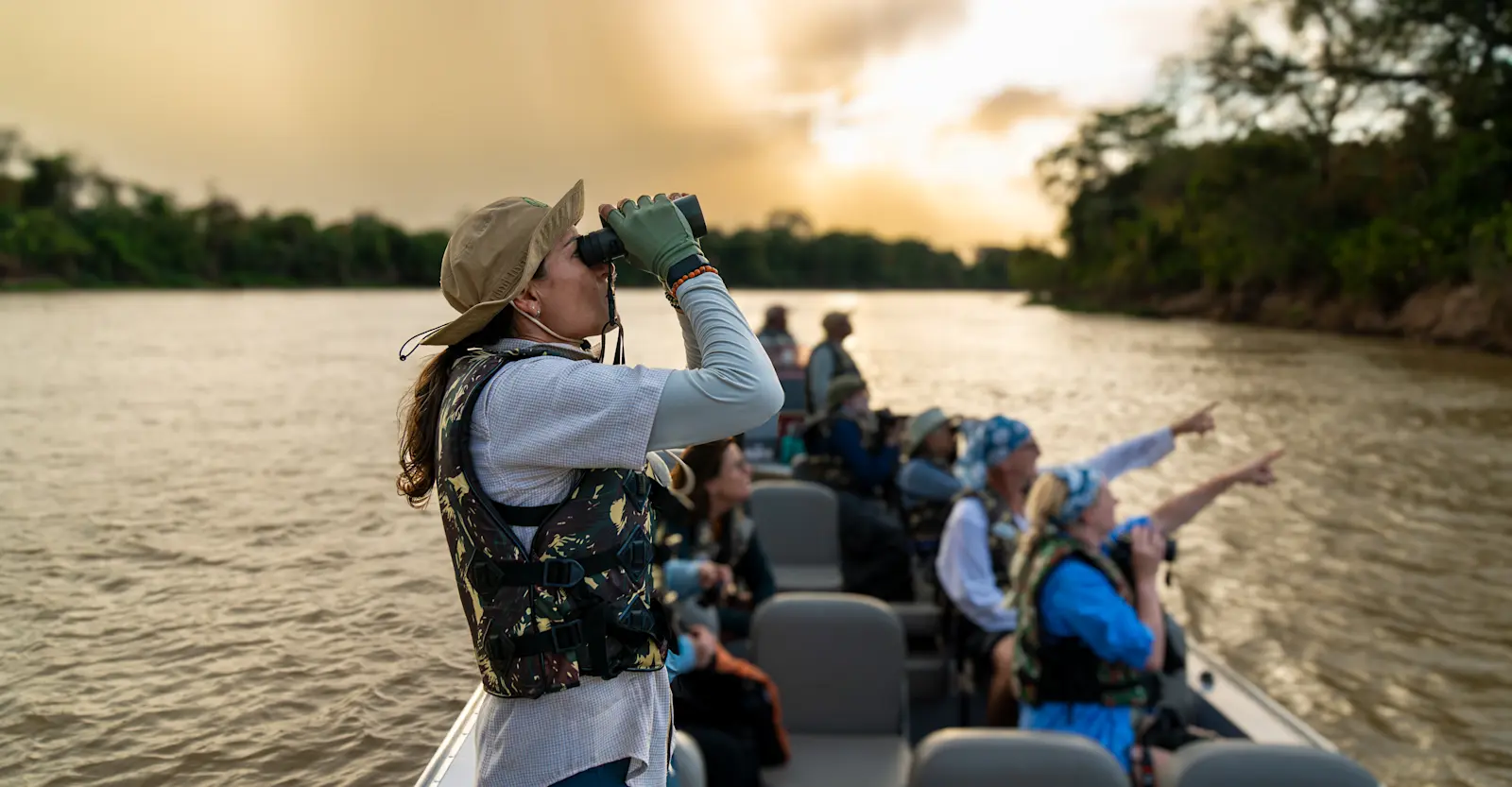
Survey Wildlife Populations
Conduct wildlife surveys from fixed locations (point counts) across land and water, recording sightings, locations and conditions.
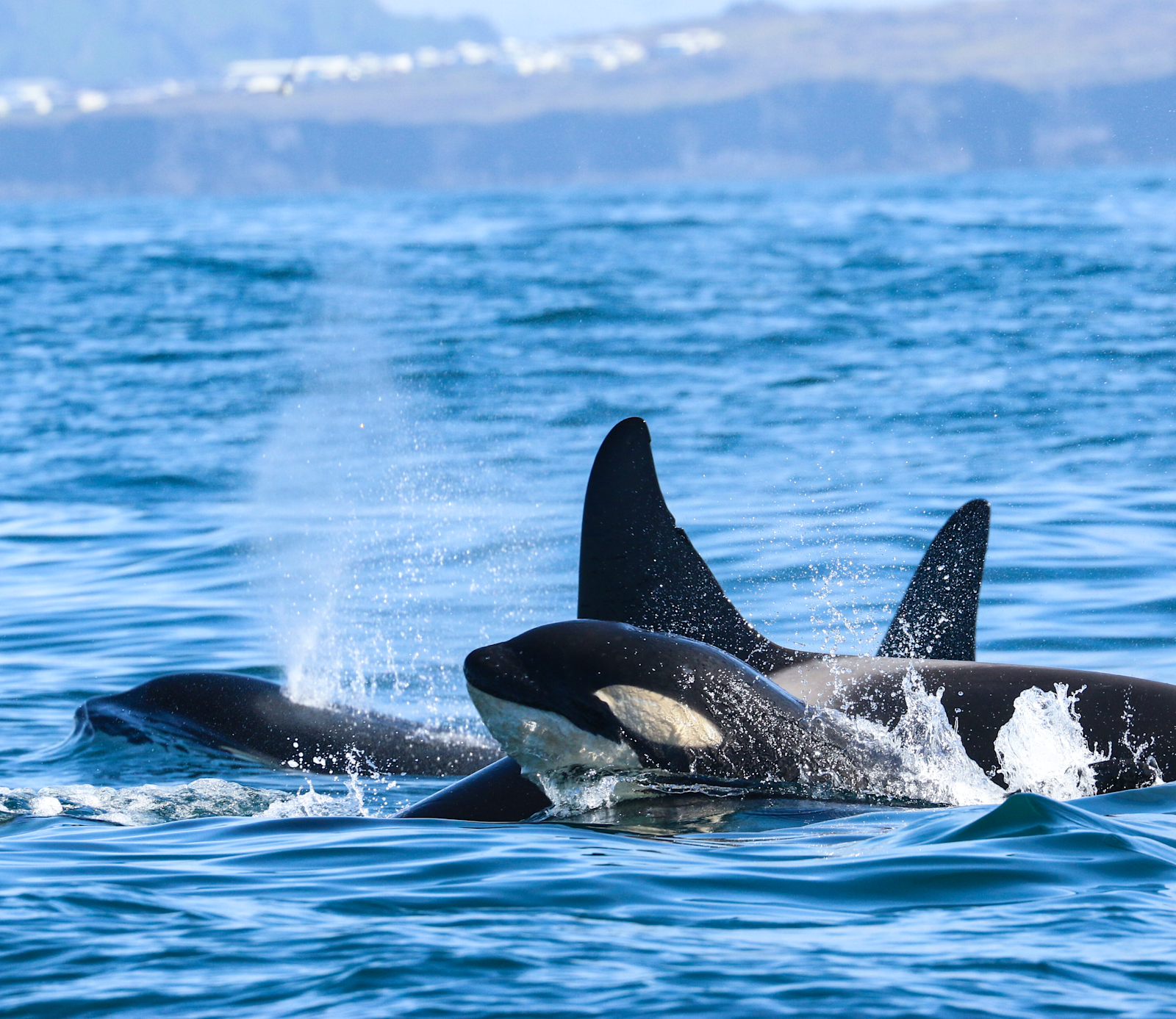
Observe Animal Behavior
Track and record feeding activity, movement patterns, social behavior and predator-prey interactions, documenting how species use habitats, compete and adapt.
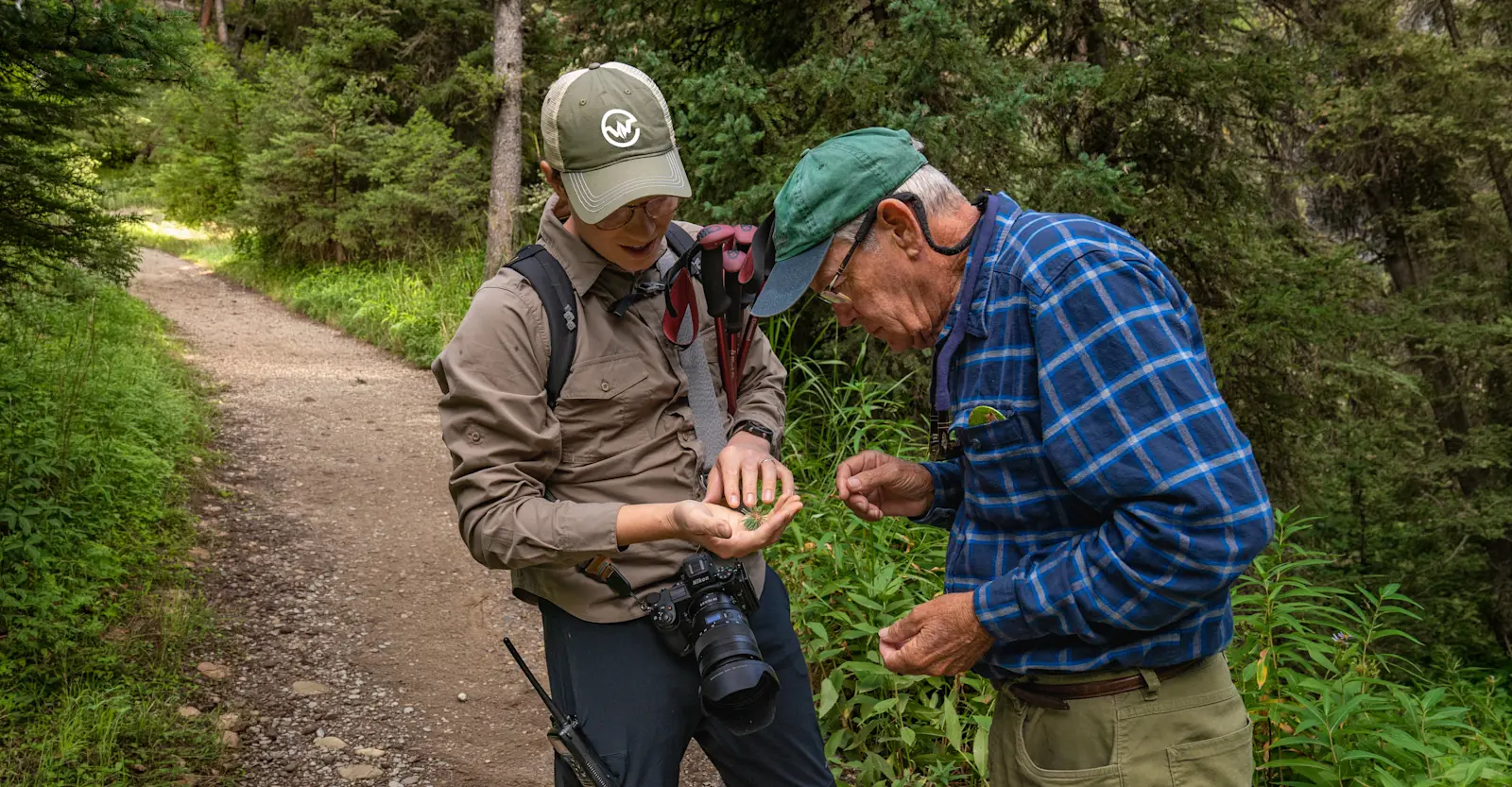
Assess Habitats & Ecosystems
Record vegetation, water conditions and seasonal shifts; conduct habitat quality surveys; and document seasonal events like plant flowering and bird migration.
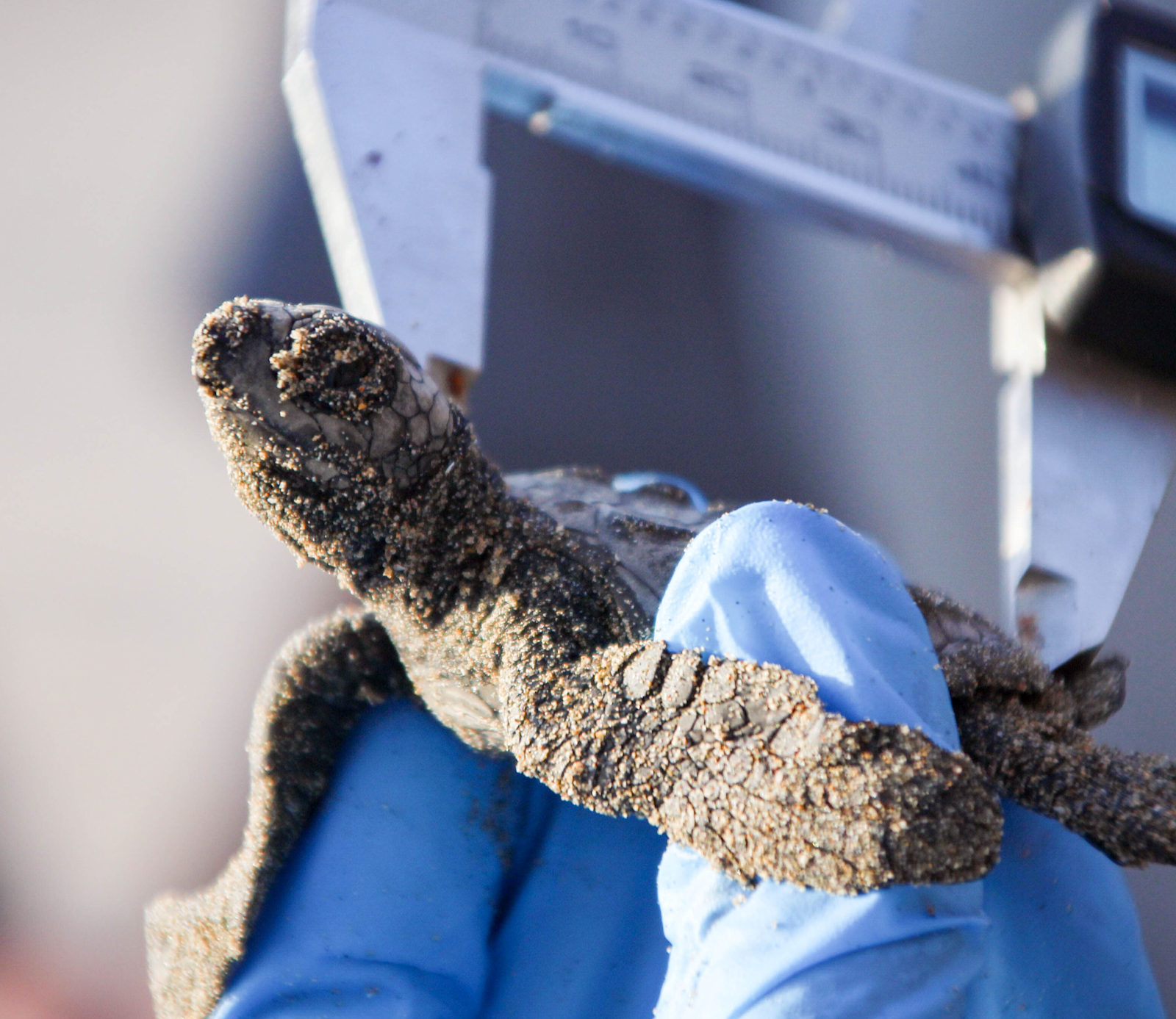
Tag & Measure Wildlife
Assist researchers with non-invasive monitoring techniques—applying tags or bands using safe methods. When appropriate, help safely handle animals for measurements.
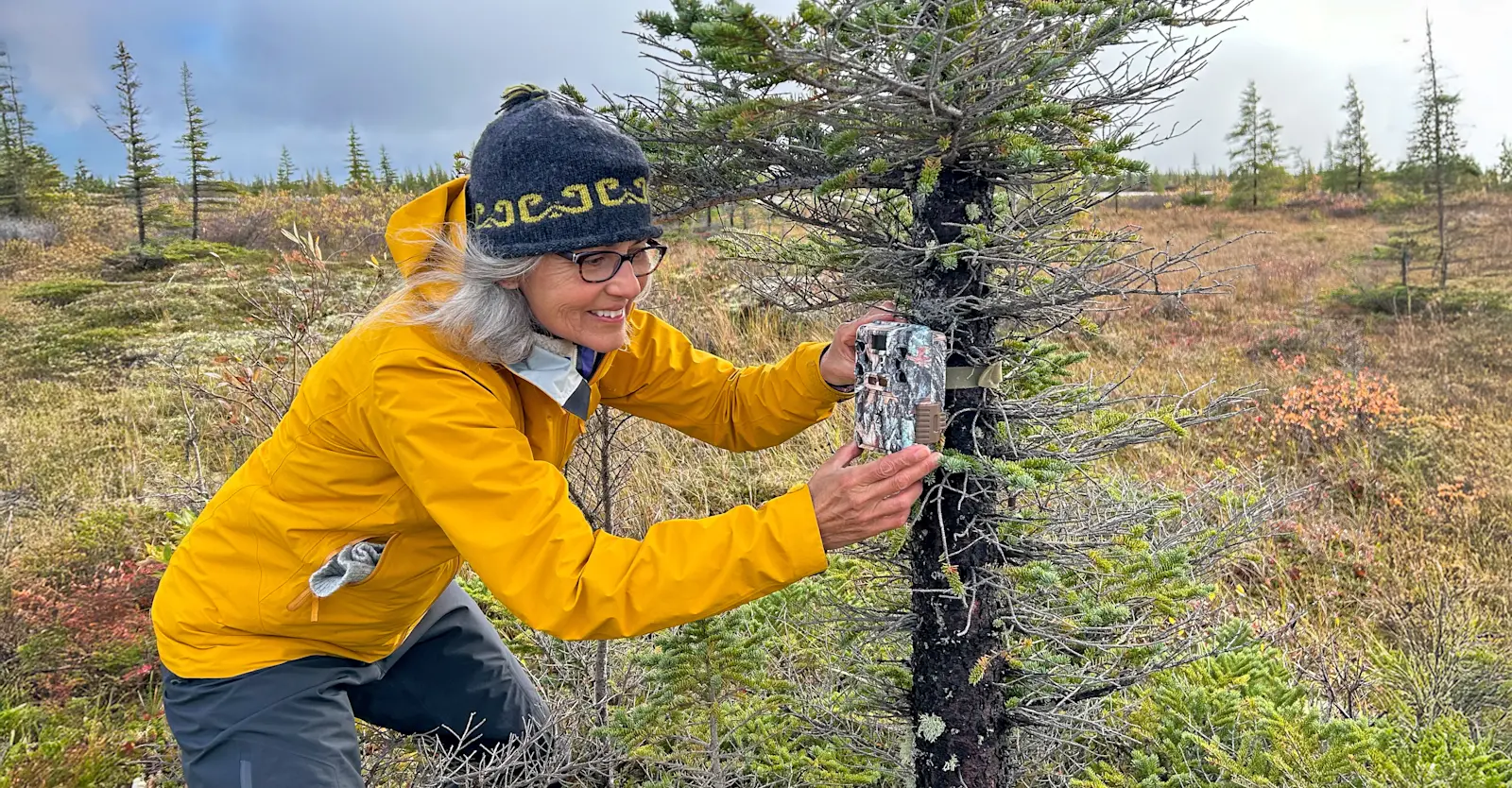
Deploy Camera Traps & Acoustic Recorders
Deploy camera traps and sound recorders along wildlife trails or other strategic locations to continuously capture images and audio non-invasively.
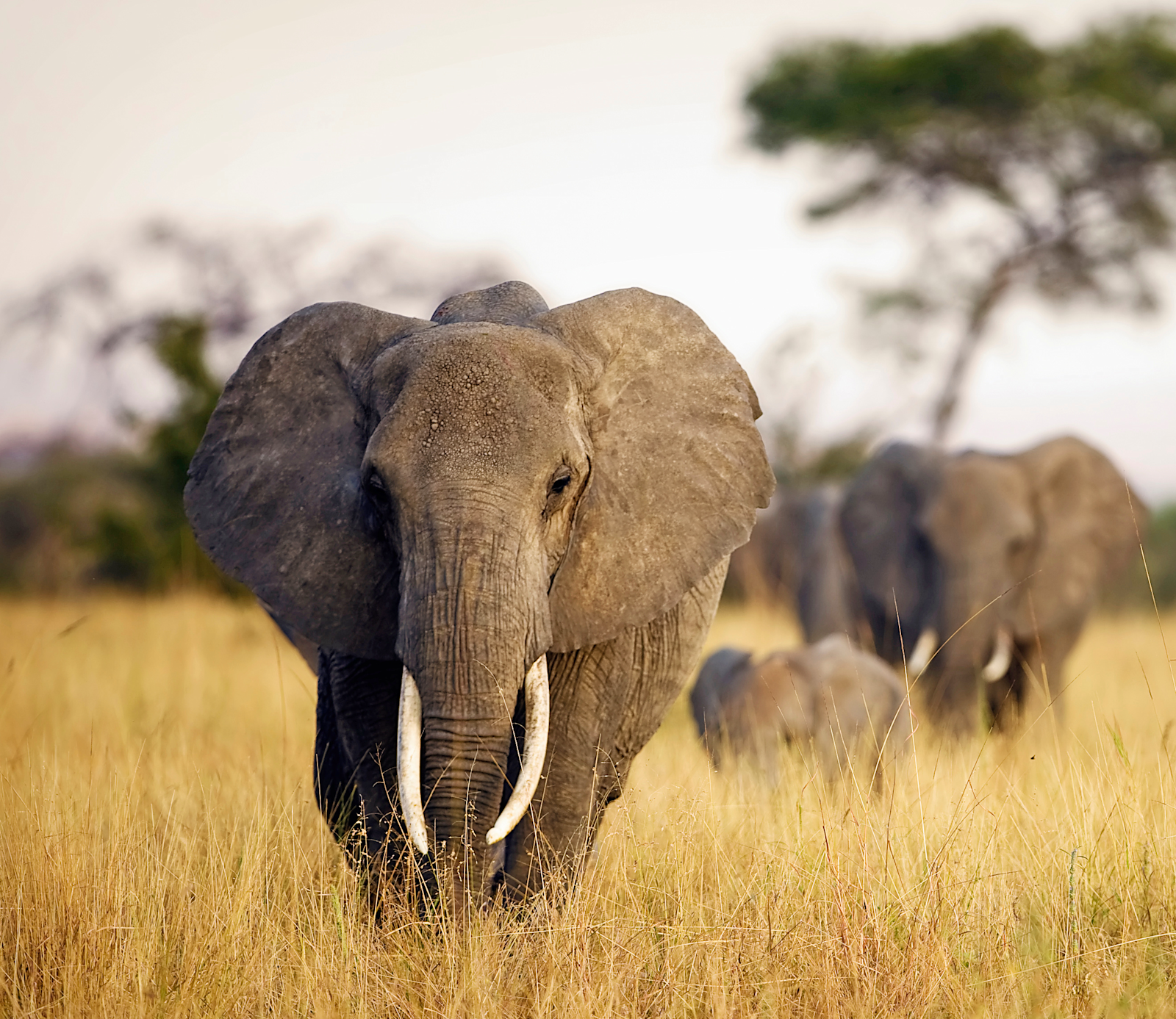
Restore Habitats & Run Field Experiments
Assist with habitat restoration, monitoring and conservation field experiments by documenting habitat quality and observing wildlife responses to restoration efforts.