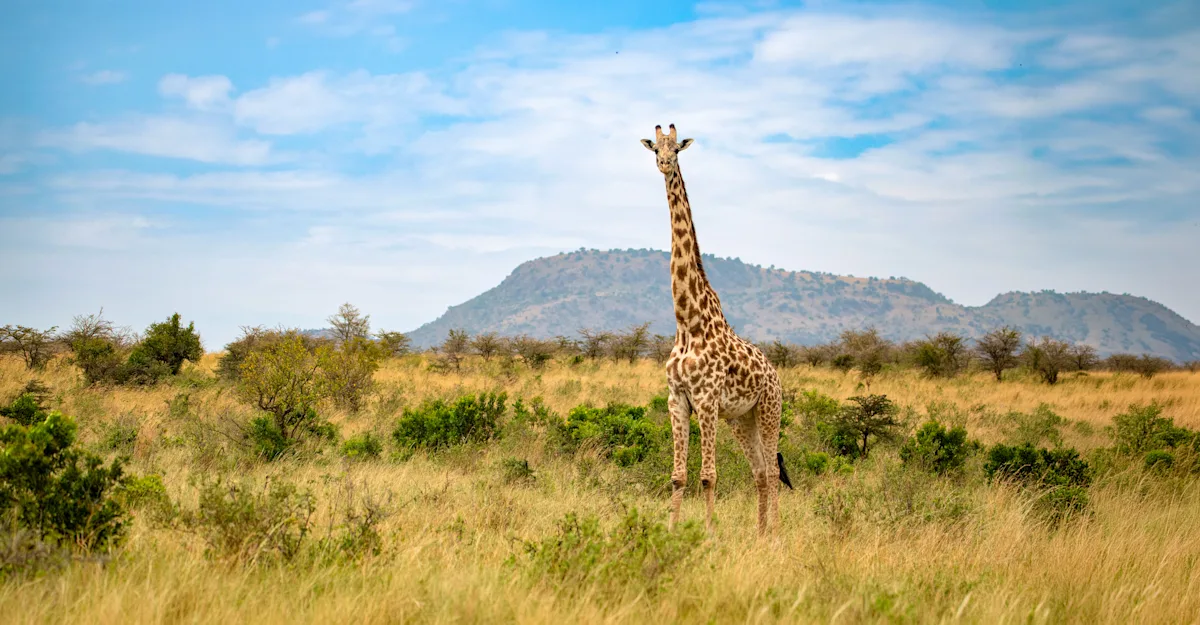
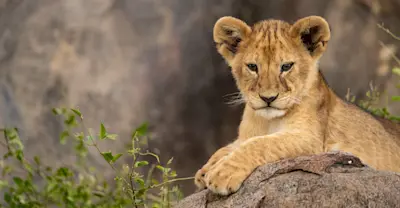
Kenya’s Enarau Conservancy contains a landscape at a tipping point. Spanning more than 3,000 acres on the northern edge of the Greater Maasai Mara ecosystem, this vast wildlife refuge encompasses sweeping grasslands, wetlands and the wildlife that depends on them—elephant, giraffe, zebra, antelope and the predators that follow, including lion and cheetah. But decades of farming and overgrazing have stripped the soil and fragmented habitat, driving animals away. On this native habitat restoration project, you’ll help monitor these species' return. Work alongside scientists and Maasai landowners to track wildlife and collect field data, as we test how degraded ecosystems respond. Surveying animal populations, you’ll contribute to rebuilding a critical wildlife corridor—a project that will help shape conservation across East Africa.
Research at a Glance
Your Role in Research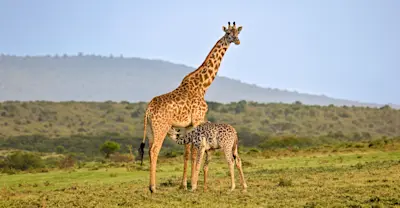
The Research Focus
Restore degraded savanna in the Maasai Mara while tracking how vegetation, soil and wildlife respond, building a clearer understanding of how biodiversity—including wildlife—returns over time.
What You'll Do
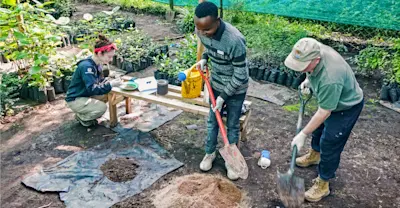
Collect field data through wildlife surveys and camera trapping and measure vegetation while supporting hands-on restoration work, including planting and nursery activities.
Why It Matters
Decades of land use by humans has degraded Maasai Mara habitat, reducing wildlife and disrupting migrations. This project helps rewild these environs to support species' return across East Africa.
Experience the Maasai Mara as a Living Laboratory
Stay on the community-owned Enarau Conservancy, where scientists and Maasai landowners are actively restoring the native savanna ecosystem
Observe & Survey Iconic African Wildlife
Help track wildlife movements on the plains, where herds of elephant, giraffe, zebra and antelope are trailed by predators, and action plays out in full view
Support Community-Led Conservation Efforts
Join Maasai landowners and scientific researchers incorporating Traditional Ecological Knowledge (TEK) to restore land, support wildlife and sustain livelihoods
Meet Your Lead Scientists
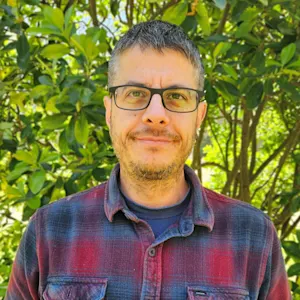
Antonio Uzal, Ph.D.
Associate Professor of Conservation Biology, Nottingham Trent University
Wildlife Ecology, Kenya

Andrew Gichira, Ph.D.
Research Manager, Center for Ecosystem Restoration
Restoration Ecology, Kenya
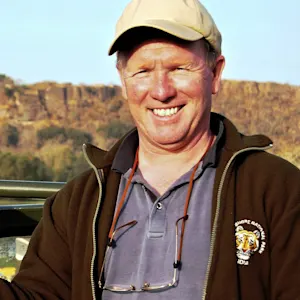
Stewart Thompson, Ph.D.
Emeritus Professor, Oxford Brookes University
Biodiversity Conservation, Kenya

Live on a Landscape in Recovery
Stay on the community-owned and managed Enarau Conservancy, established in 2022, where inspiring renewal efforts are visible and daily fieldwork takes places just outside your door.Experience the Maasai Mara Beyond a Traditional Safari
Enjoy the thrill of observing the Maasai Mara’s abundant wildlife with added ecological insight that comes from this land restoration project integral to the well-being of animals and people alike.Understand What’s Driving Ecological Change in the Mara
Learn how grazing, climate change and human land-use pressures are shaping the Maasai Mara, and why restoring balance across this ecosystem is a complex and urgent task.Visit a Native Seed Nursery
Discover how native plants are grown using Traditional Ecological Knowledge (TEK) to guide restoration and support long-term ecosystem recovery.Understand the People and Ideas Behind the Work
Spend time with Maasai community members to see how land use, culture and conservation intersect, discovering how ecological recovery and human well-being are closely linked.Learn From an Expert Naturalist Field Guide
In addition to your science team, your Field Guide is with you throughout the entire trip to ensure that each day runs smoothly, coordinating logistics and providing personalized support throughout.Travel With an Intentionally Small Group
A limited group size ensures meaningful time in the field, direct access to scientists and an active role in daily conservation work.Explore with Purpose
Take part in fieldwork that supports ongoing conservation, contributing to the recovery of wildlife and habitat across one of Africa’s most important ecosystems.