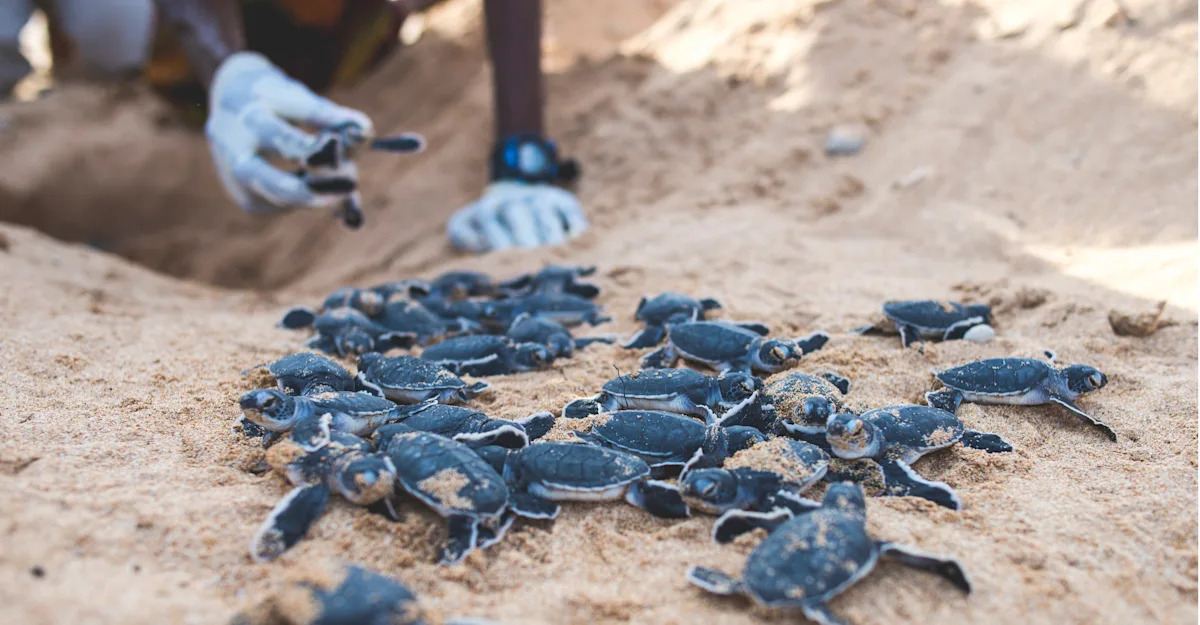
Hands-On Field Study
Hands-On Field Study
Earthwatch Expeditions immerses you in hands-on wildlife and conservation research in the field, from tracking animal populations to monitoring ecosystems and measuring climate impacts. These projects often continue over many years.
Spend Time in the Field
You'll spend most of your time outside at the research site, whether on the water, in forests, on open landscapes or along remote coastlines. These wild environments are often off-limits to the general public.Contribute to Research
As an active team member, you will participate directly in the research happening at the study site. You will be trained in field methods and have opportunities to ask questions and learn from the research team.Adapt to Conditions
Each day's agenda follows the research project's needs, with adjustments made for weather, wildlife activity and field conditions.Learn from Leading Scientists
Work alongside scientists who explain the purpose behind each task and connect your daily efforts to the larger research goals.Contribute to Long-Term Studies
Your time in the field becomes part of something bigger. Your efforts support ongoing research that helps shape understanding of how ecosystems change and why it matters.
This is how lasting scientific discoveries are made, one field season at a time.
Your Role in the Research
You’ll join scientists in the field and step directly into the work at hand—tracking wildlife, recording observations and helping answer questions driving the research. From day one, you’re part of the field team, learning how the studies are done and taking on meaningful responsibility.
Depending on the project, you might be involved with any of the following tasks:
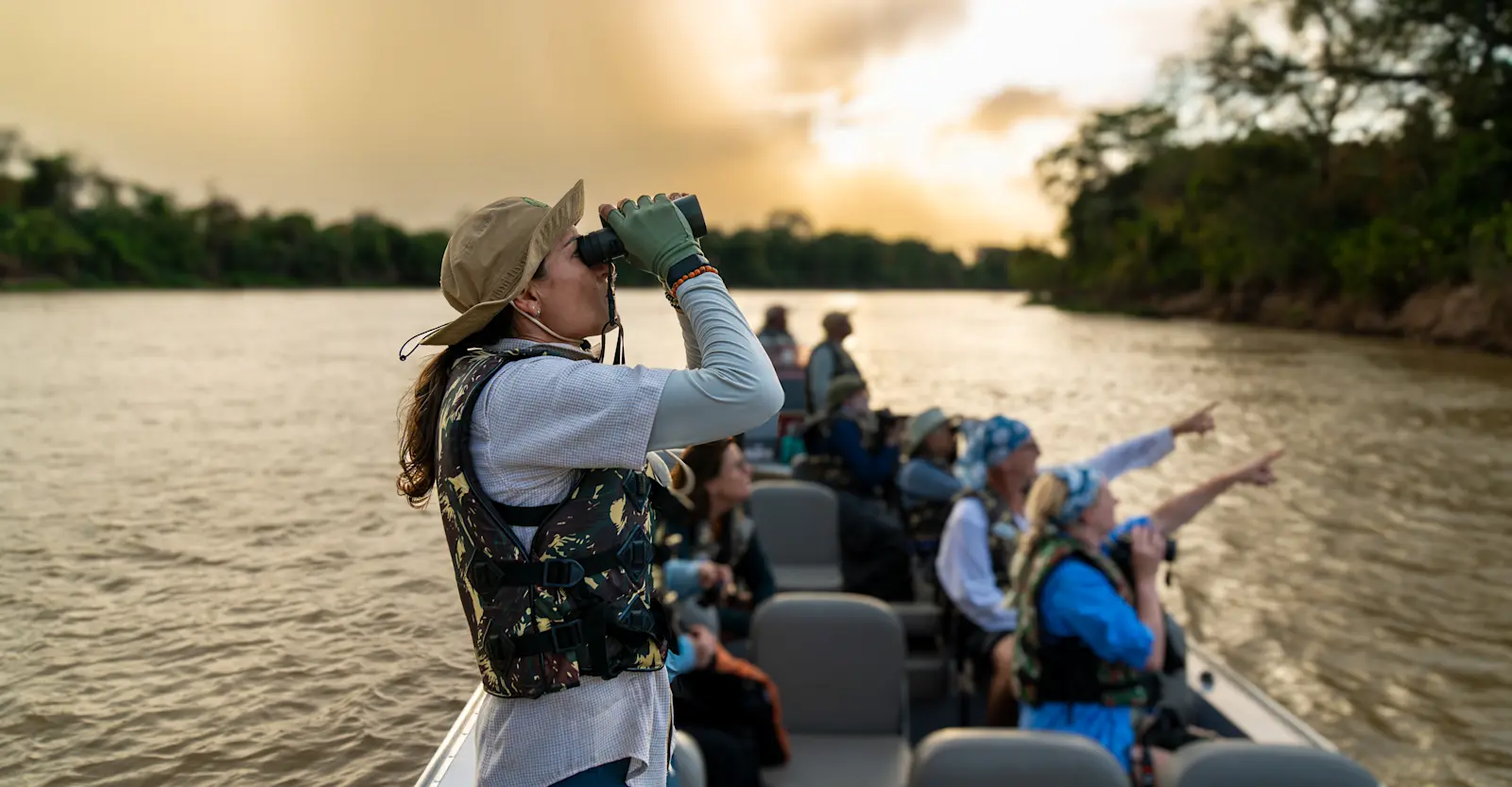
Survey Wildlife Populations
Conduct wildlife surveys from fixed locations (point counts) across land and water, recording sightings, locations and conditions.
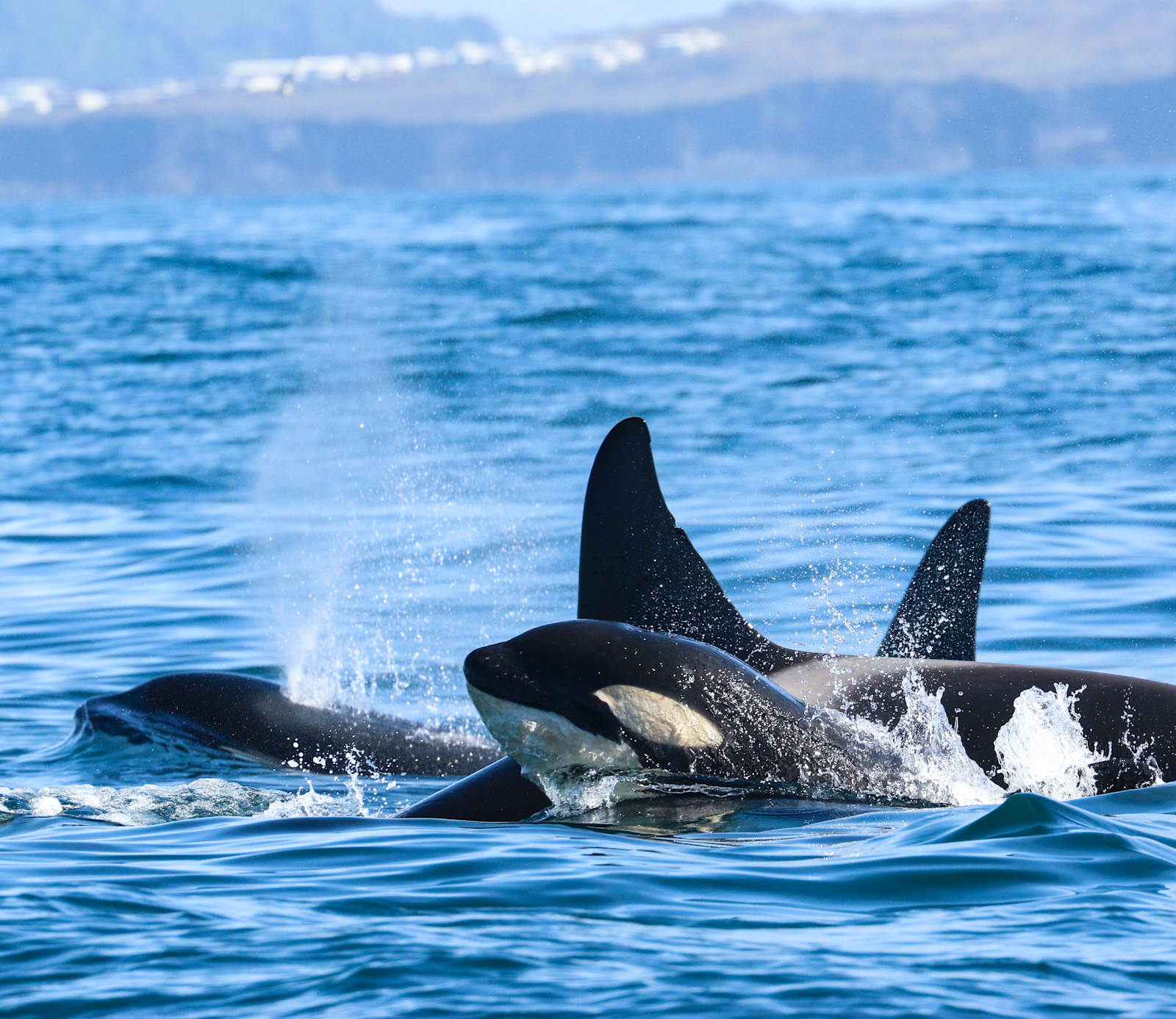
Observe Animal Behavior
Track and record feeding activity, movement patterns, social behavior and predator-prey interactions, documenting how species use habitats, compete and adapt.
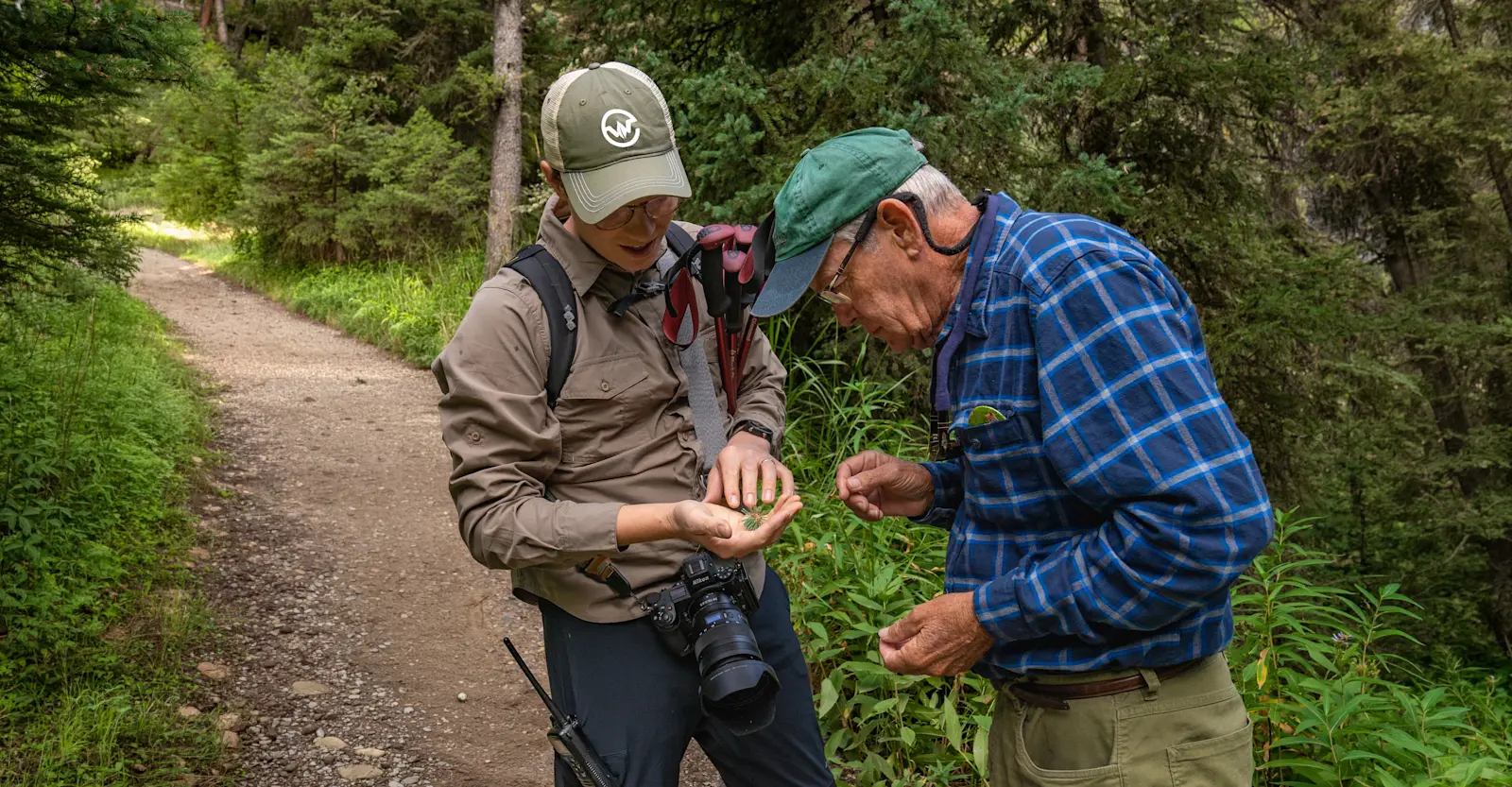
Assess Habitats & Ecosystems
Record vegetation, water conditions and seasonal shifts; conduct habitat quality surveys; and document seasonal events like plant flowering and bird migration.
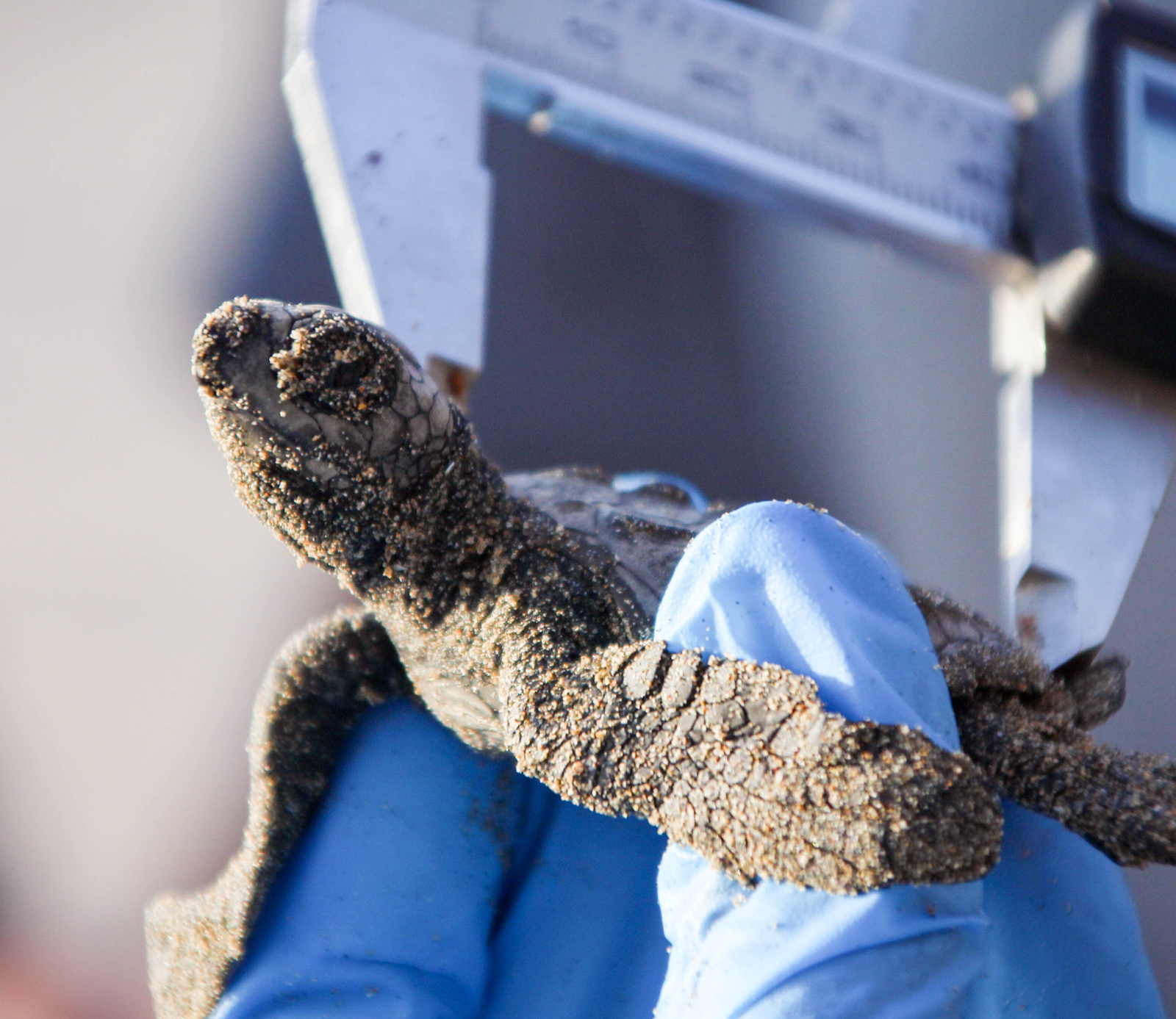
Tag & Measure Wildlife
Assist researchers with non-invasive monitoring techniques—applying tags or bands using safe methods. When appropriate, help safely handle animals for measurements.
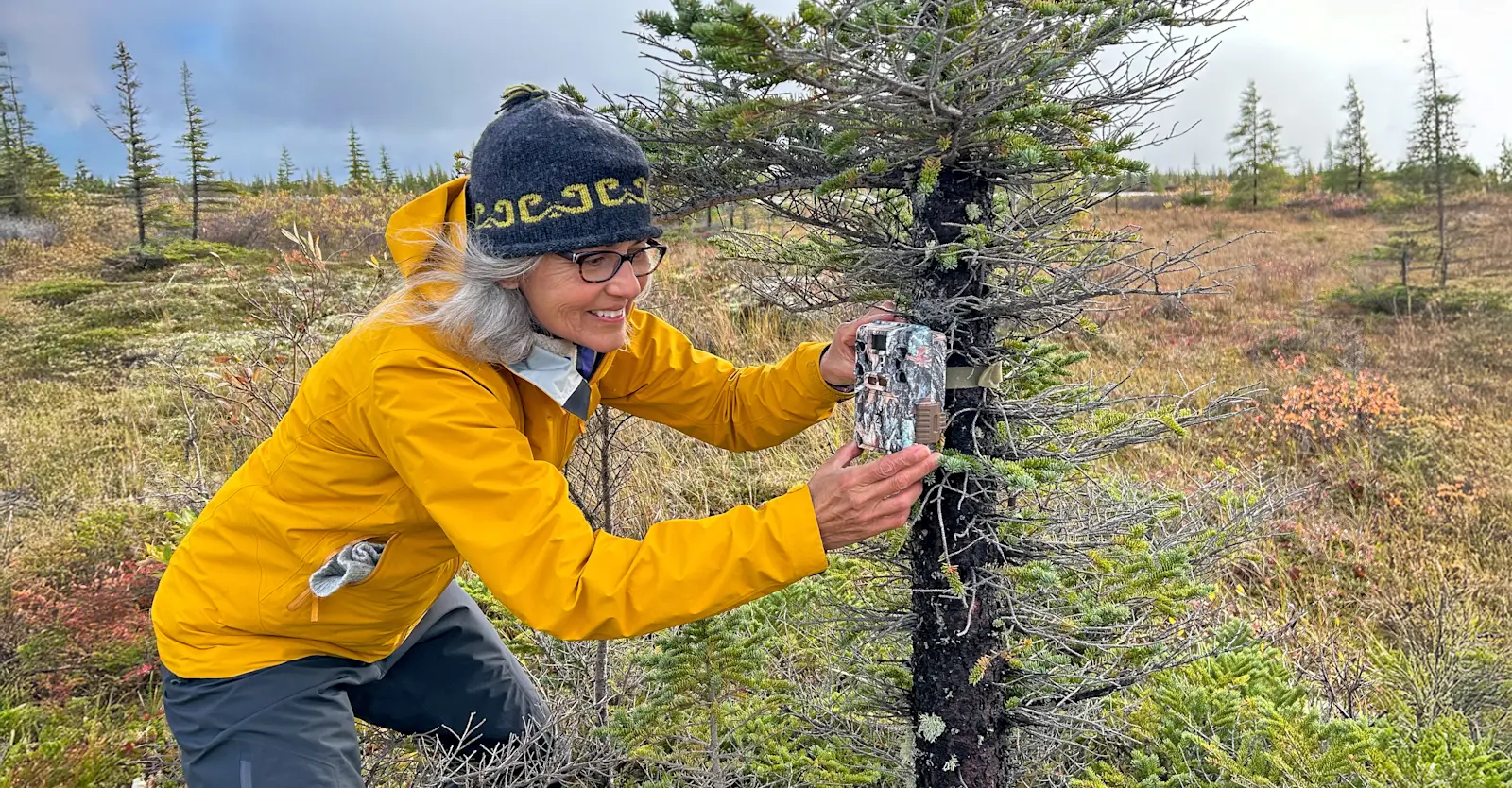
Deploy Camera Traps & Acoustic Recorders
Deploy camera traps and sound recorders along wildlife trails or other strategic locations to continuously capture images and audio non-invasively.
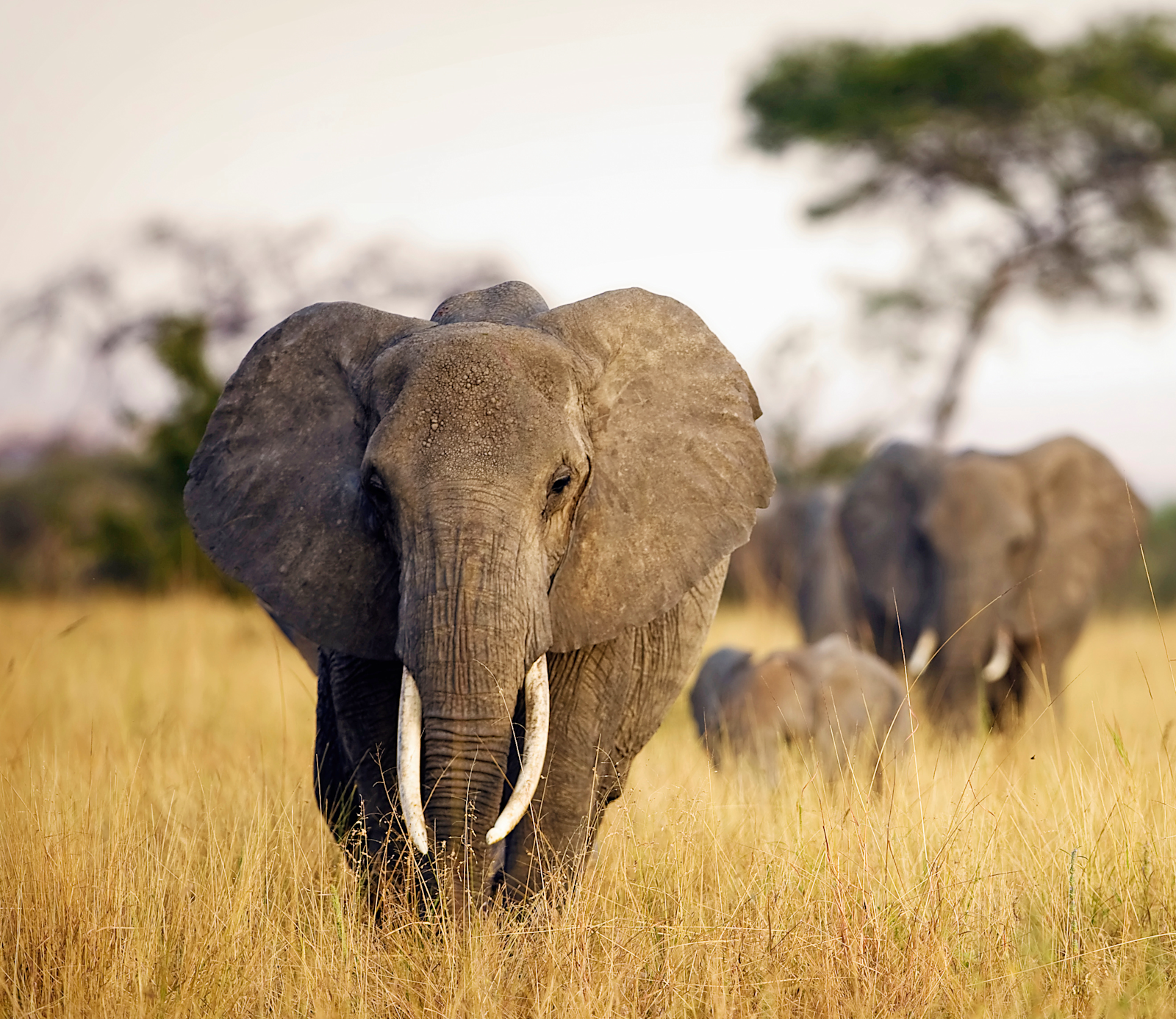
Restore Habitats & Run Field Experiments
Assist with habitat restoration, monitoring and conservation field experiments by documenting habitat quality and observing wildlife responses to restoration efforts.