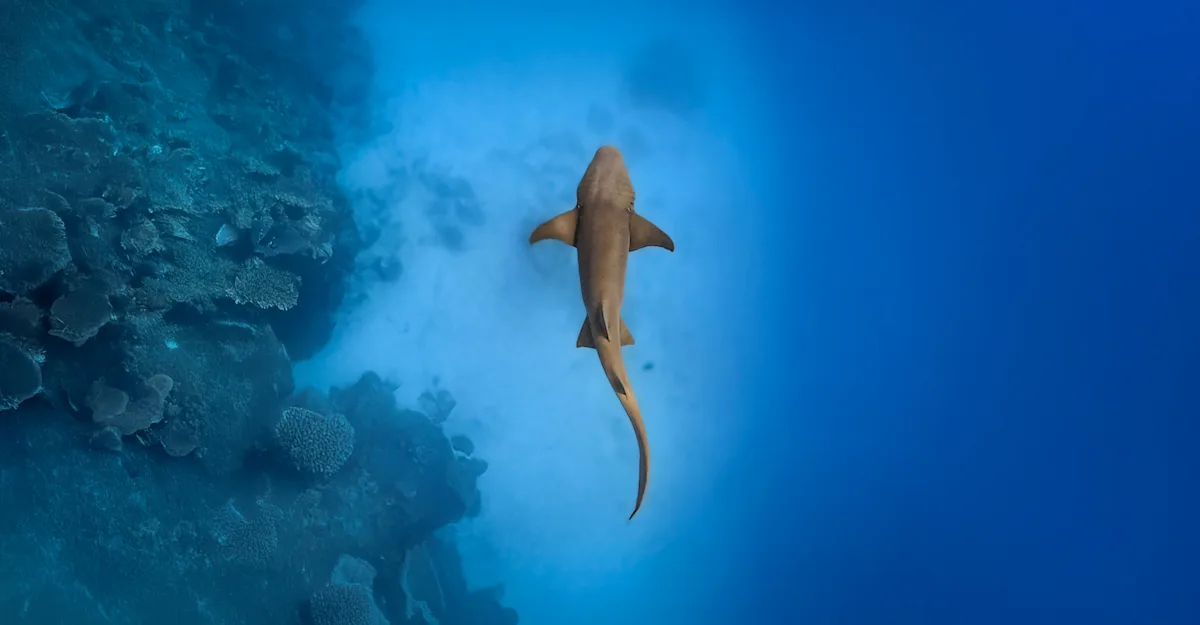
Just off the coast of Belize, the world’s second-largest offshore barrier reef shelters the shoreline, creating wide, shallow stretches of turquoise water over seagrass flats and coral patches. These connected habitats support one of the Caribbean’s most productive fisheries, including a healthy shark population. As apex predators, sharks help keep these systems in balance. They’re also at risk. A long-standing coastal fishery sustains local communities, but it also puts pressure on shark populations. How these waters are fished and managed will determine whether sharks and fishing communities can continue side by side. For more than a decade, researchers have worked alongside fishers to track shark populations, movement and fishing pressure, defining what it will take to sustain them. Sharks are typically studied where they are protected. Here, the research happens where they are caught, offering rare insight into complex, real-world situations.
Research at a Glance
Your Role in Research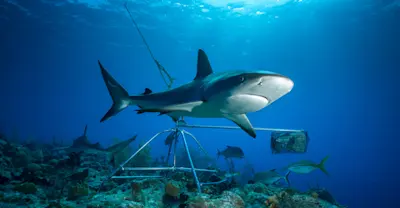
The Research Focus
Track shark numbers, movements and fishing pressure in Belize’s coastal fisheries to understand what drives changes in their populations over time.
What You'll Do
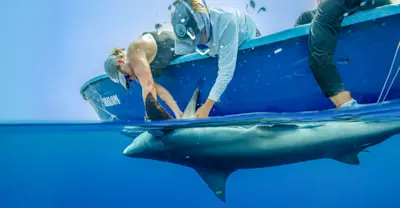
Set and haul longlines in coastal waters, measure and tag sharks and record data to track where they go, how many there are and where they live.
Why It Matters
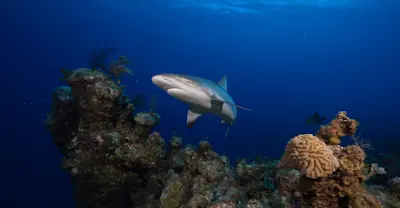
This research is already transforming Belize’s fisheries—cutting shark catch nearly in half in its first year while strengthening livelihoods for coastal communities.
Track Sharks in Active Fishing Grounds
Head out in small boats to set and haul longlines, then measure, tag and release wild sharks while tracking where they move and how their numbers change over time.
Connect Conservation With Community
Meet local fishing communities and learn how their knowledge, livelihoods and collaboration with scientists are shaping the future of shark conservation in Belize.
Explore Belize from Reef to Rainforest
Swim in shallow coastal seas, snorkel along the barrier reef with rays, reef fish and sharks, the explore a protected rainforest reserve, watching for howler monkeys, parrots and motmots.
Meet Your Lead Scientist

Demian Chapman, Ph.D.
Dr. Demian Chapman has spent decades studying shark populations worldwide, with expertise in genetics, movement and the global fin trade. His work has helped shape conservation policy, from shark sanctuaries to international trade protections.

Take Part in Hands-On Shark Research
Spend multiple days on the water deploying longlines, then return after dark to haul them in. Work alongside scientists as sharks are brought to the boat for measuring, tagging and data collection before being released.Snorkel Along Belize’s Barrier Reef
Enter clear reef waters to swim above coral, rays and schools of fish in the same habitats that support sharks and coastal fisheries.Discover a Rainforest Jaguar Reserve
Travel inland to Cockscomb Basin Wildlife Sanctuary to hike forest trails and see how protecting apex predators on land informs conservation at sea.Spend Full Days on the Water Along the Coast
Move between research sites by boat, spending hours on the water as conditions shift and the work unfolds across Belize’s coastal seascape.Join Working Local Fishers Supporting the Research
See how local fishers read the water, choose sites and interpret conditions, adding depth and precision to the data being collected.Work Alongside a Leading Shark Scientist and Research Team
Join a global leader in shark ecology and supporting field team, many of whom are native to the research area, as data is collected and interpreted in the same waters he has studied for more than a decade.Understand the People and Ideas Behind the Research
Spend time with fishing communities and move between coast and forest to see conservation is put into practice.Learn From an Expert Field Guide
Your Field Guide ensures each day runs smoothly, coordinating logistics and providing personalized support throughout the trip.Travel With an Intentionally Small Group
Because we intentionally limit our group size, each participant is guaranteed quality time in the field, meaningful interactions with the scientific research team and an active role in daily research activities.Explore with Purpose
Take part in fieldwork that supports ongoing conservation research, contributing to the protection of sharks and the marine ecosystems they depend on.