

An Elegy – and a Hope – for Elephants
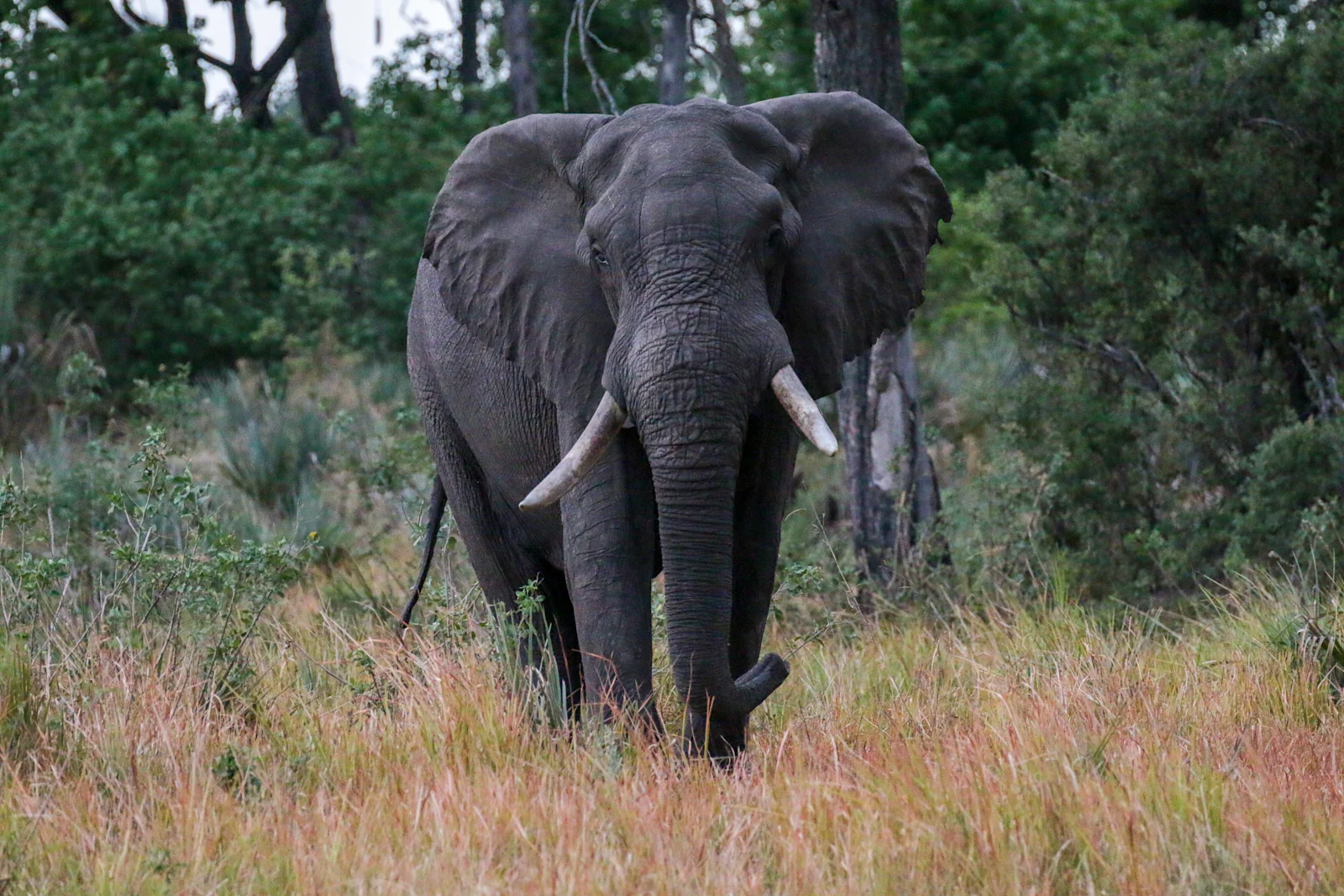
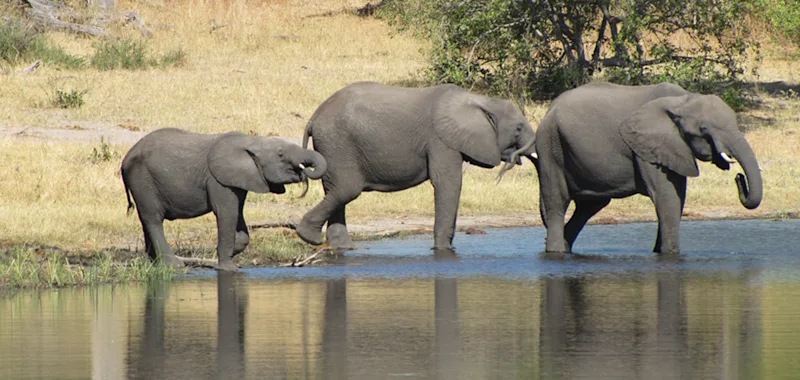
A PERSONAL REFLECTION ON THE U.S. IVORY CRUSH Two years ago when I was on safari in Botswana, I saw my first herd of wild elephants. We heard them first—a low, rumbling thunder in the distance.
1184 stories
A PERSONAL REFLECTION ON THE U.S. IVORY CRUSH Two years ago when I was on safari in Botswana, I saw my first herd of wild elephants. We heard them first—a low, rumbling thunder in the distance.
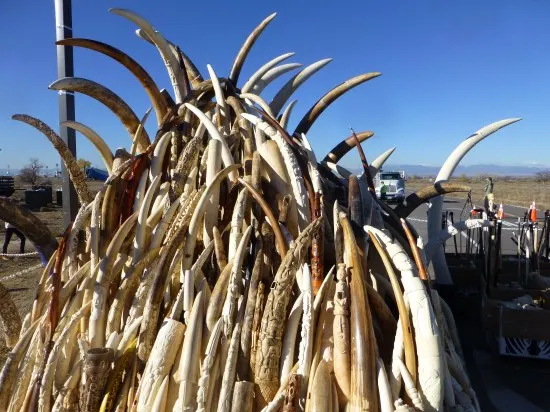
Last week, the U.S. Fish and Wildlife Service pulverized nearly six tons of illegal African and Asian elephant ivory. A conservative estimate of this ivory, which was seized at our nation’s ports of entry from the late 1980s to the present, is that it represents 2,000 animals.
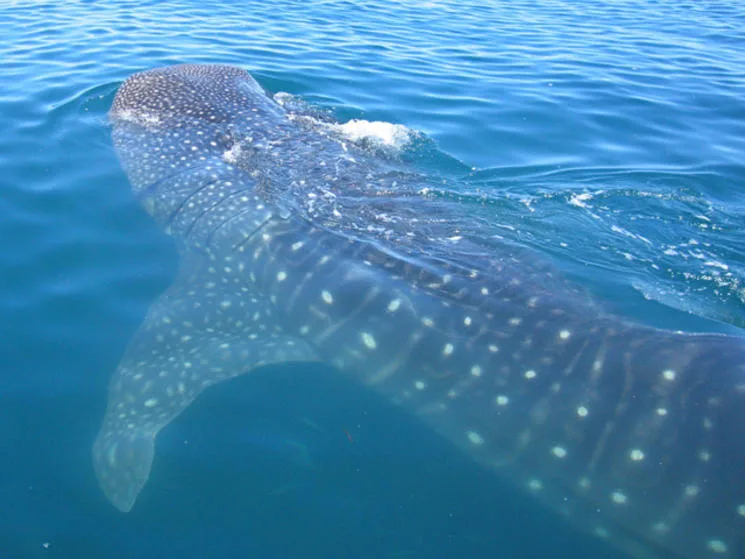
Whale sharks are not whales at all but rather the world’s largest fish, measuring up to 45 feet in length. Given their size, you’d think researchers would know a lot about them. But little is actually known about whale sharks compare with other species; researchers don’t even know how many exist in the world’s oceans.
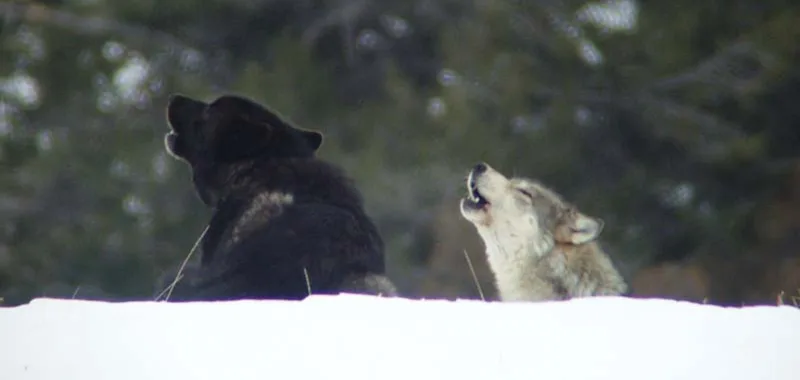
Other than climate change, there may be no other environmental topic that arouses more passions or garners livelier debate than our nation’s wild wolves. A recent Good Nature post is a case in point. Both topics deserve our thoughtful consideration and the voicing of our personal opinions, careful judgments and real-world solutions.
Today around the world, with government conservation monies dwindling and severe staffing cutbacks, it stands to reason that wildlife management entities desperately need the funds that recreational hunters provide—not only to keep population numbers of certain species at healthy levels for their sport but for wildlife-watchers, as well.
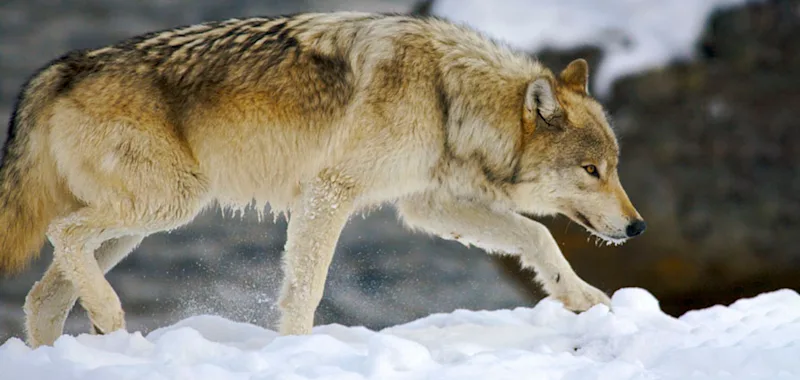
When I was growing up in Wisconsin, I would hear occasional rumors of kids in the Northwoods having to worry about wolves as they “waited for the school bus.” Why they would have to fret only Monday through Friday at a specific time of day always baffled me.
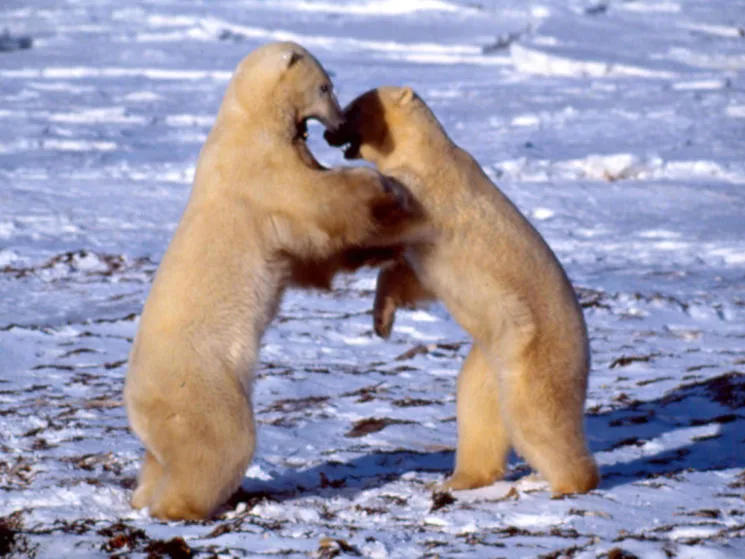
By Dean J. Tatooles, WWF Guest Blogger Polar bears are our planet’s largest land predators. Between 20,000 and 25,000 of these amazing animals roam the arctic today in the U.S. (Alaska), Canada, Russia, Denmark (Greenland) and Norway. Below are seven interesting behaviors to look for when observing the species in the wild: 1. Head movement.

“Kura-kura!” yelled the little village boy as he came running out of the dark tropical night and into our jungle camp. Two of our Papuan boatmen from our mother ship, the James Bond II, grabbed their machetes and a couple of burlap sacks and followed after him with excitement.
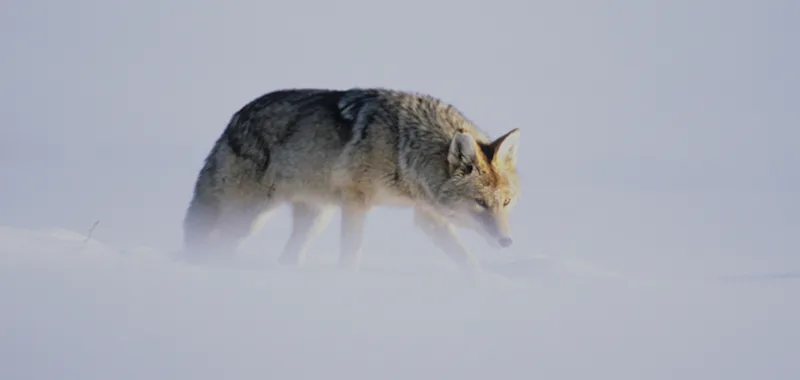
There’s an interesting, little book I picked up a few years ago. It’s titled Back in the Day: 101 Things Everyone Used to Know How to Do.
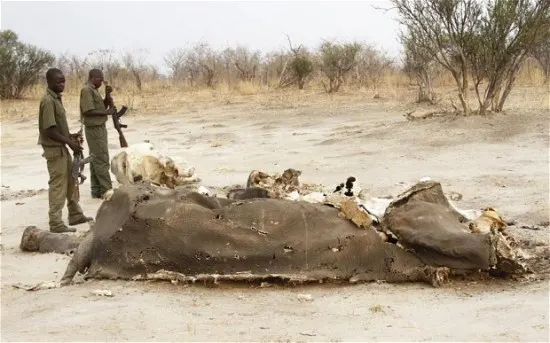
I’m always more enthused to share conservation success stories than grim accounts of wildlife devastation, but it’s crucial for the Good Nature community to remain informed about crises, too, since awareness and public pressure are often essential to addressing the problems that impede conservation efforts.
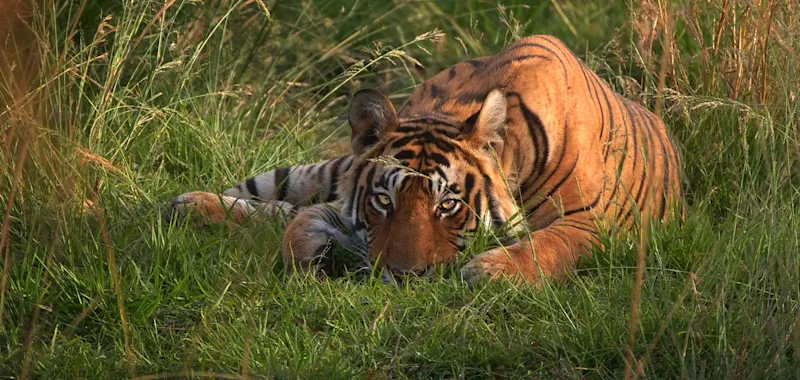
There’s no doubt that tracking devices, such as GPS collars, have helped researchers monitor and conserve wildlife. While the necessity of capturing and handling wild animals—and the high costs involved—in order to attach these mechanisms has been controversial for some time, now a band-new, sinister use of these tools is being discovered.
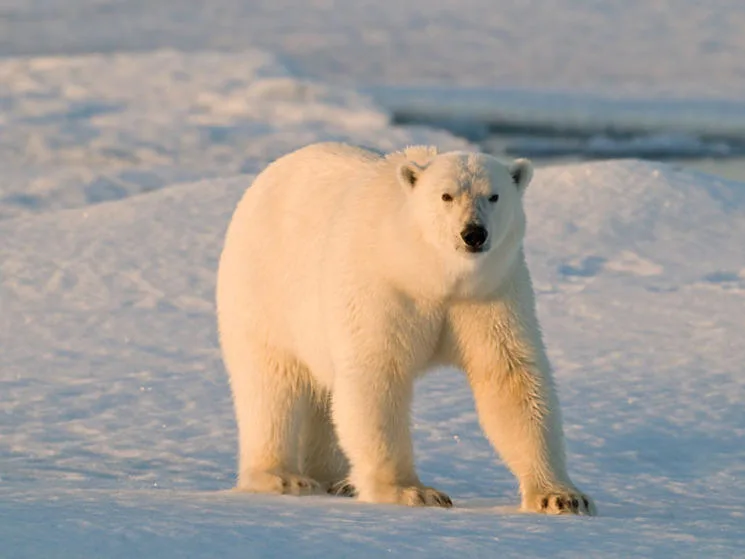
Polar bears were hunted from the 1600s right through the mid-1970s. Though hunting is now regulated, current polar bear populations face a new challenge: climate change. Sea ice is melting earlier and forming later each year, leaving polar bears less time to hunt.