Are Wolf Protection “Kid Cages” Necessary, or Just a Scaremongering Tool?

When I was growing up in Wisconsin, I would hear occasional rumors of kids in the Northwoods having to worry about wolves as they “waited for the school bus.” Why they would have to fret only Monday through Friday at a specific time of day always baffled me. There were never any actual news stories of children being attacked, of course, and such warnings became state folklore more than anything else. Most of Wisconsin’s early European settlers were of Scandinavian and German descent, and it stands to reason that they would bring their bogeymen with them and plant their seeds in the soil here. Such tales could also have been started by deer hunters, who, it seems, are perpetually convinced that having wolves in the state means less deer for them to hunt.
Recently, however, I heard an even more astounding story coming out of New Mexico. In that state, “kid cages” have been built to keep children safe from wolf attacks as they, too, “wait for the school bus.” Is such a precaution based in facts, or is it yet another move to demonize wolves?
A convenient villain
In rural Reserve, New Mexico, children routinely wait for school buses inside boxy, chicken-coop-like, wood-and-mesh structures. These “kid cages,” as they are called, are specifically meant to provide protection from wolves.
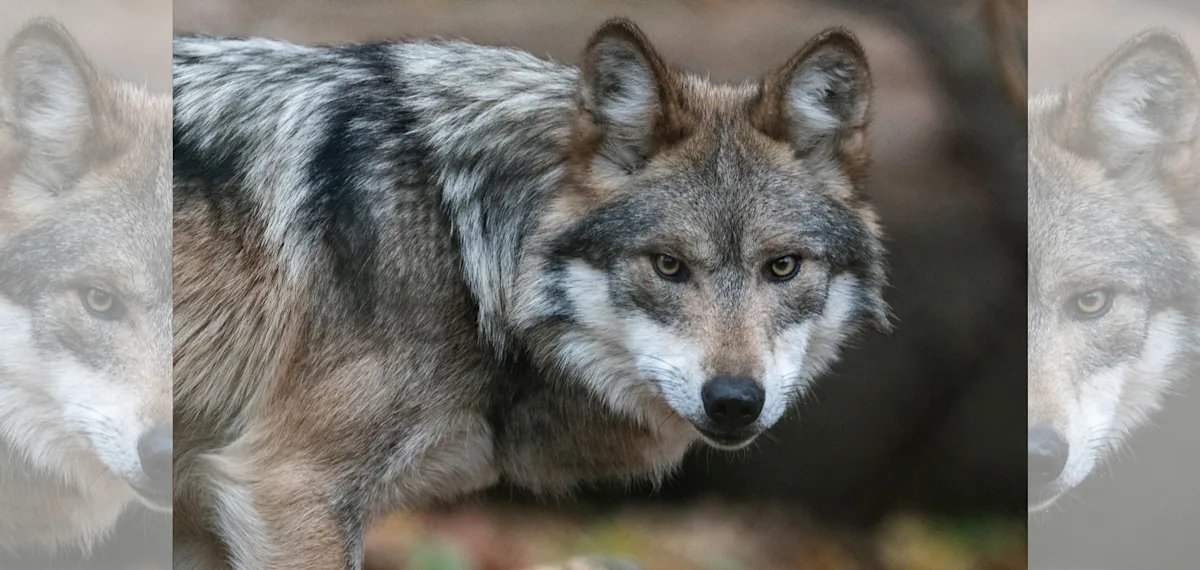
When the U.S. Fish and Wildlife Service recently proposed to cover about 75 Mexican gray wolves in New Mexico and Arizona, opens in new tab under the Endangered Species Act—making it illegal to kill this subspecies of the gray wolf and expand the area where these wolves can roam safely—a long-simmering political debate came to a head. Conservative groups, which say that wolves pose a threat to humans and livestock, contend that the government is overreaching its authority. Wolf defenders, on the other hand, cite the fact that no wolf attacks have ever been documented in New Mexico or Arizona and call the kid cages a political stunt.
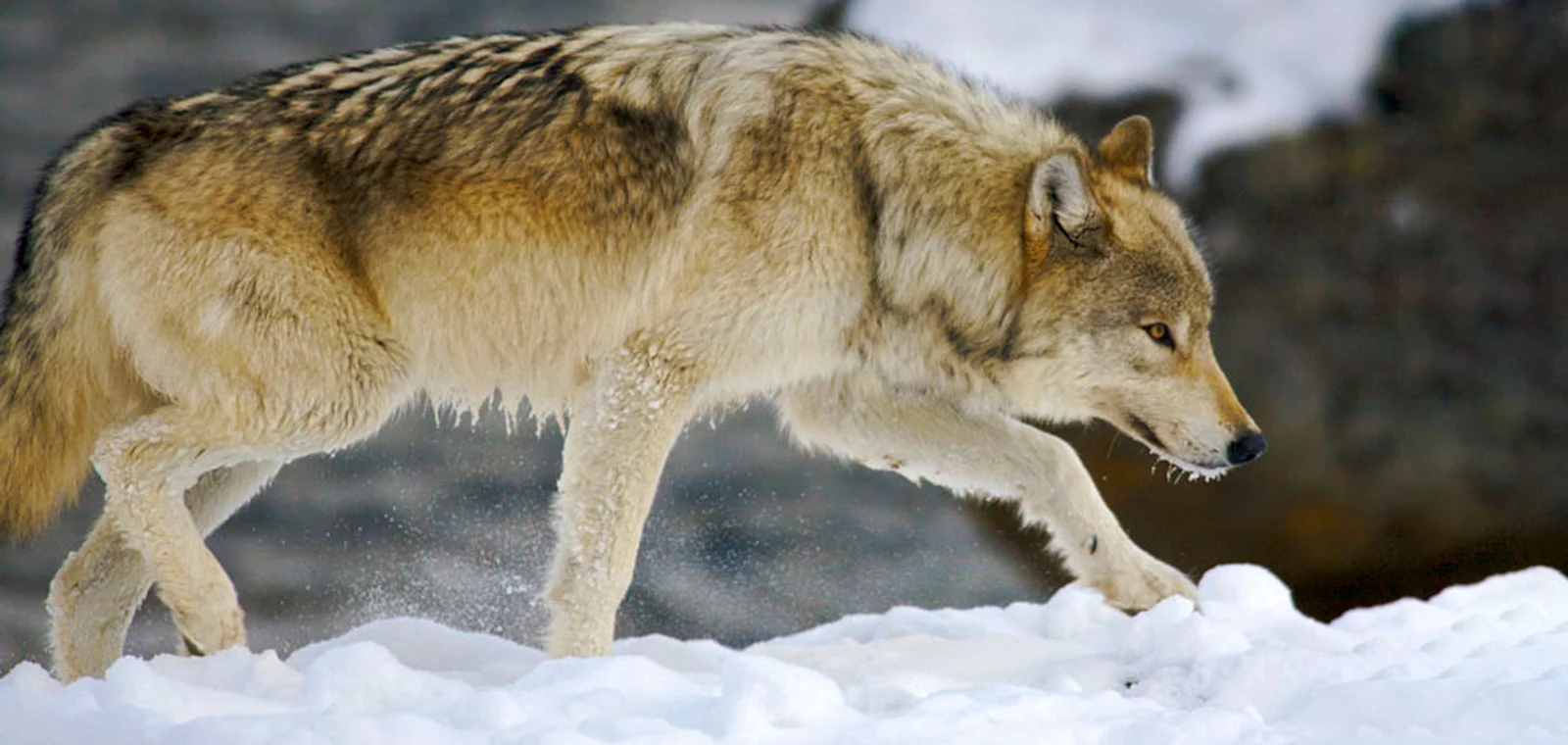
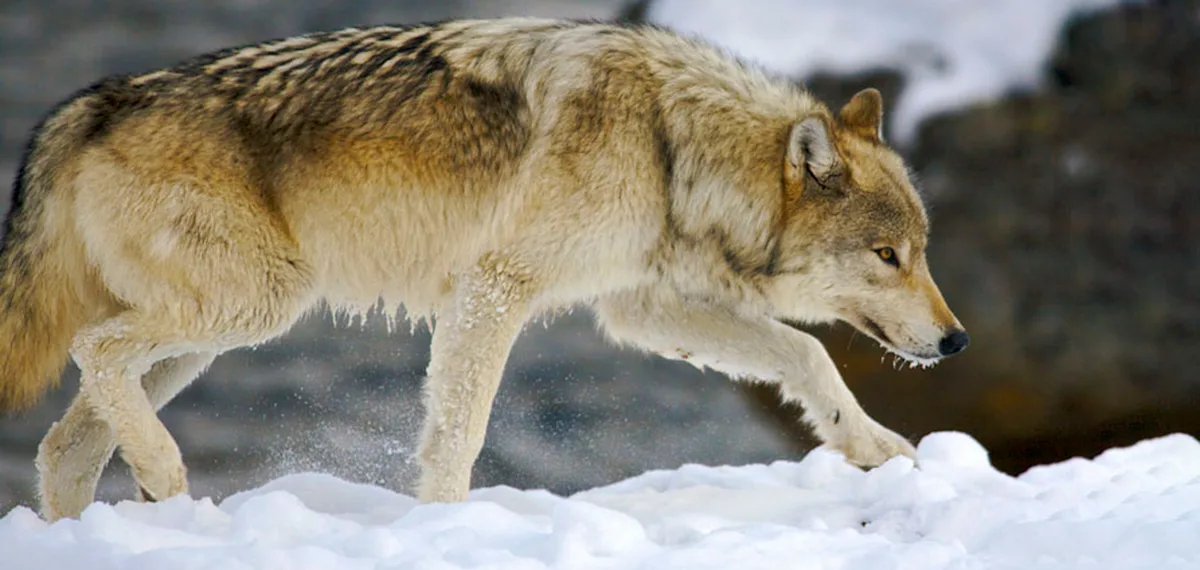
According to Dr. Daniel MacNulty, an assistant professor of wildlife ecology at Utah State University who’s been studying wolves in Yellowstone National Park for 18 years, the probability of a wolf hurting someone is close to zero. A child in a rural area is more likely to be injured or killed in a hunting accident or in an encounter with an off-road, all-terrain vehicle or feral dog. There are very few instances in North America of wolves harming anyone, let alone children.
In addition, states MacNulty, Mexican gray wolves, opens in new tab weigh just 60 to 80 pounds, in contrast with Yellowstone wolves, which can be upwards of 130 pounds. For that reason, Mexican gray wolves are selective about what they kill, usually targeting only small, juvenile livestock. Even with adult prey, they mainly kill the older animals.
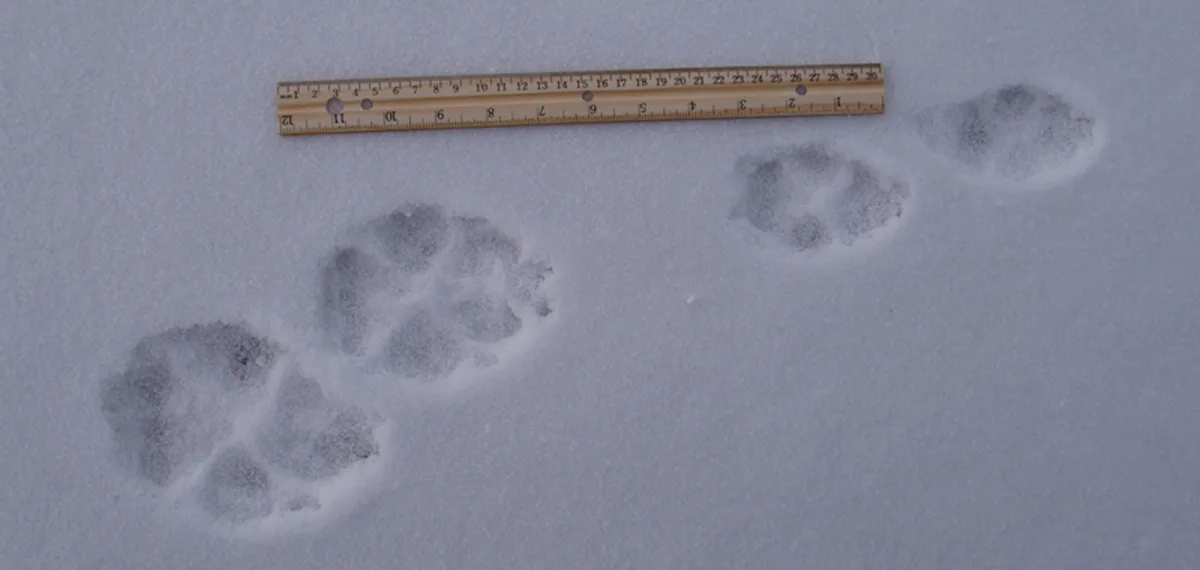
Researchers also point out that wolves in Yellowstone often run away when spotted in the field. Mexican gray wolves are generally even more leery of people, livestock and wild prey. And while it’s true that a pack of wolves is more likely to be bold than an individual, they don’t all contribute equally to the hunt when, for example, 10 show up. Only about four of them actually do anything; the rest are there to be on hand when a kill is made.
A safe experience
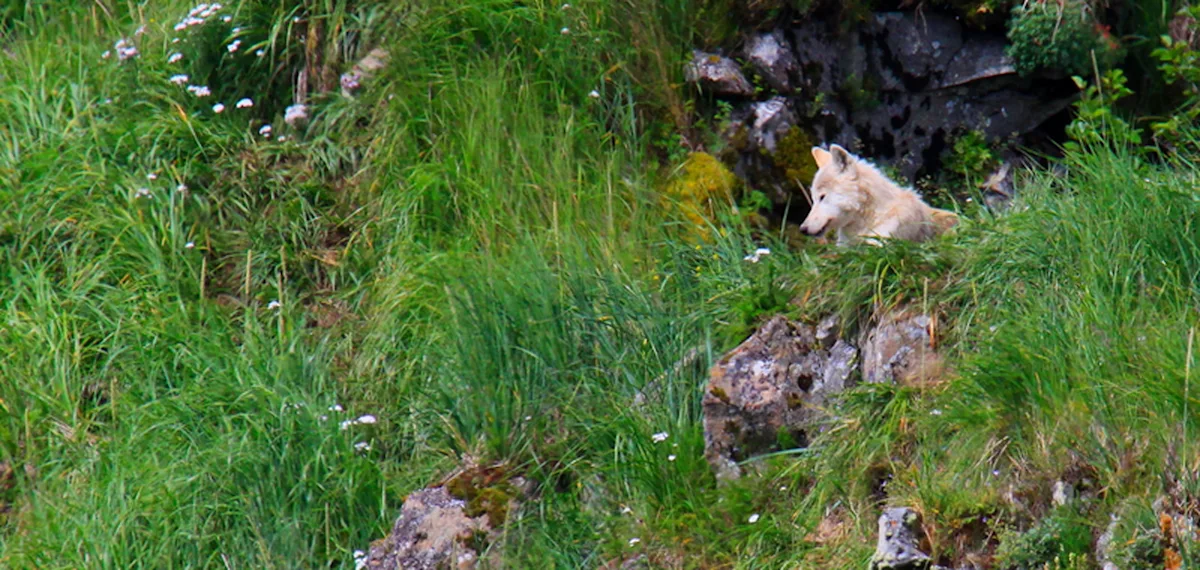
As most of us know who have been fortunate enough to encounter wolves in the wild, it is a thrilling, safe experience. Because humans generally intimidate wild wolves, being able to observe their behavior—even for a short time—is a rare event.
And here in Wisconsin, it’s becoming more uncommon, opens in new tab all the time.
Do you think the construction of “kid cages” in New Mexico is an overreaction to the presence of wolves, or merely a precaution worth investing in to ensure children’s safety?
Here’s to finding your true places and natural habitats,
Candy