Is the Ability to Identify Wildlife an Endangered Skill, or Unnecessary Knowledge?


There’s an interesting, little book I picked up a few years ago. It’s titled Back in the Day: 101 Things Everyone Used to Know How to Do. Written by Michael Powell and published in 2006, the volume lists skills that used to be almost universally common—such as how to make your own butter or manufacture a barrel—but which are now almost absent among nonprofessionals.
While possessing those particular skills might be something we can all agree is no longer needed in today’s world, there are other proficiencies that have recently started to disappear that we probably would have a harder time deciding to deep-six: such as handwriting or understanding the meaning of nature words.
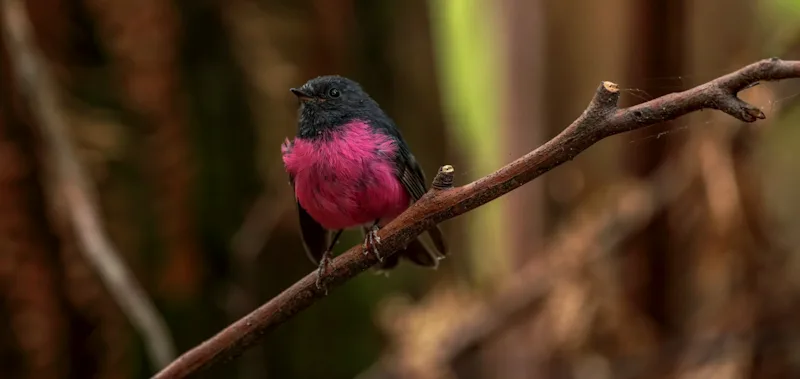
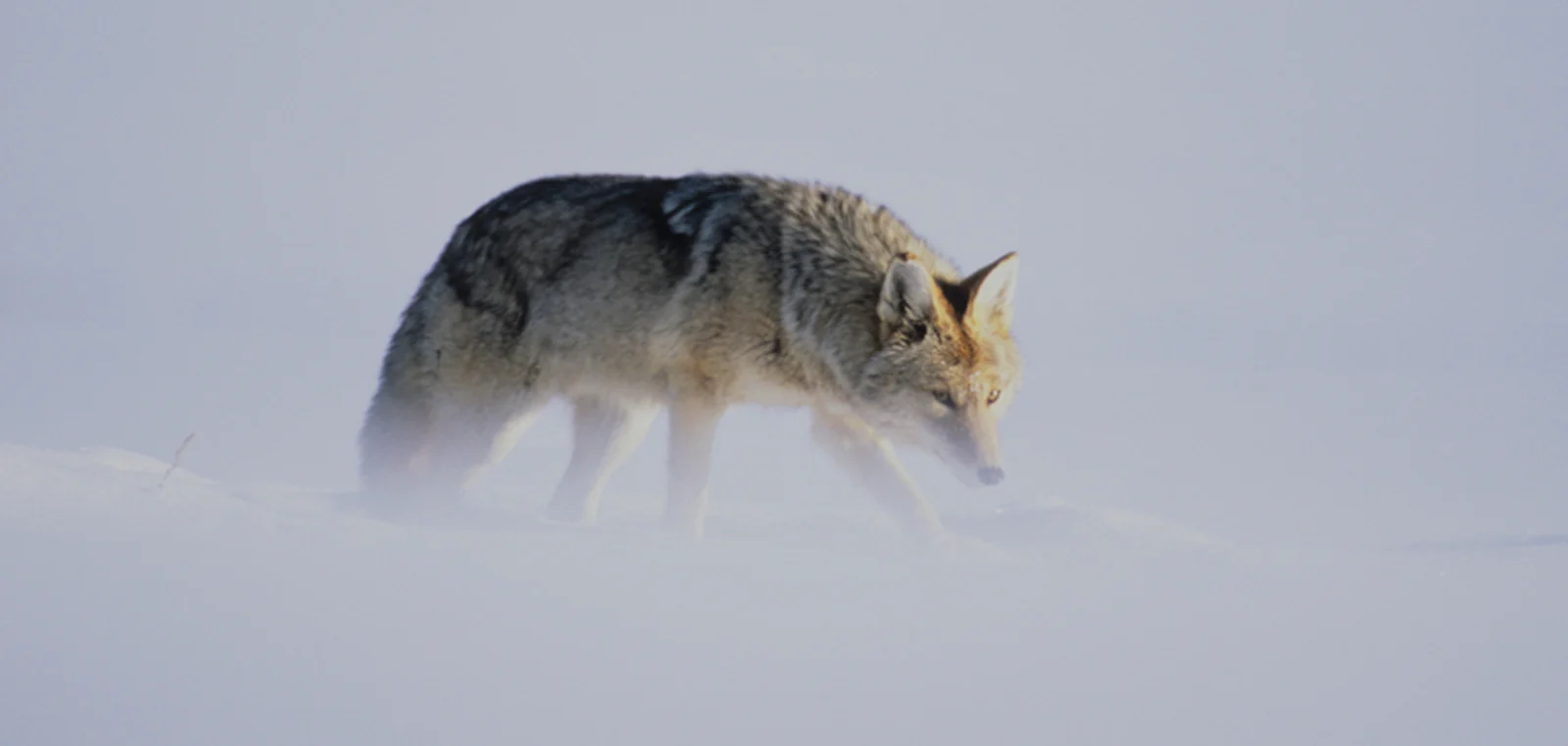
So, when I recently read a report out of the United Kingdom that stated that the ability to identify wildlife—along with being able to repair household items—topped a new list of endangered everyday skills, I wondered whether such know-how is just an inevitable victim of changing times or a loss we should strive to reverse.
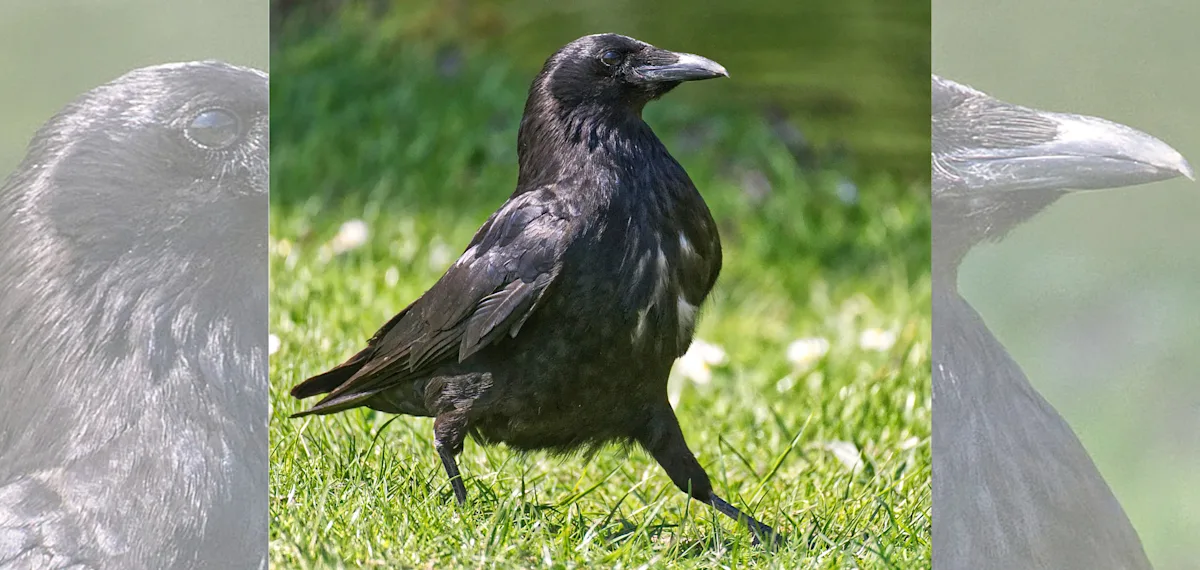
In other words, is the competence to correctly identify wildlife—without an app—still crucial?
The top 10 list of lost skills
According to Greeniversity,, opens in new tab a nonprofit project in the United Kingdom that seeks to bring about a skill-sharing “revolution” among adults, repairing household items and clothes and being able to identify wildlife are the most threatened skills in the UK today. The organization’s Endangered Skills Register, launched during the 60th anniversary year of the queen’s coronation, highlights how expertise that was widely known six decades ago could be on the verge of being forgotten.
In the new study, Greeniversity researchers asked respondents which three skills they felt were most at risk from becoming a dying art. The two highest-ranking responses were chosen by almost half of the participants. The complete list is:
1. Repairing household items
2. Wildlife identification
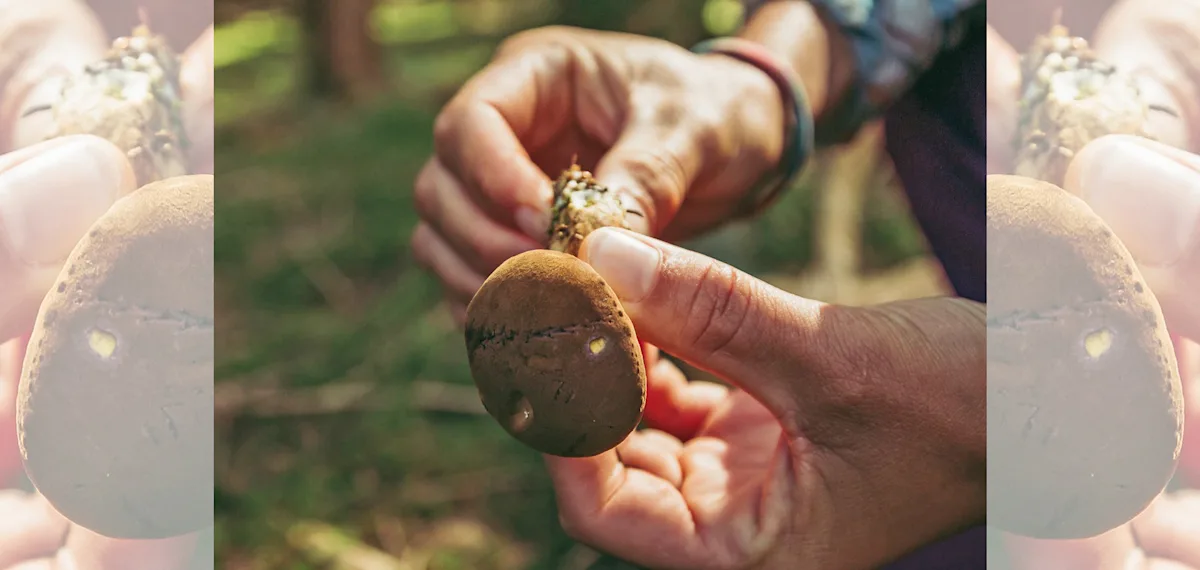
3. Foraging for wild food
4. Making and mending clothes
5. Woodworking
6.Traditional building techniques
7. Growing food
8. DIY and home improvement (hanging wallpaper, putting up a shelf, etc.)
9. Preparing meals from scratch
10. Fixing a bike puncture
A question of sustainability or progress?
In the years following World War II, stated Dr. Ian Tennant, Greeniversity’s development manager, families had no choice but to be resourceful. Gradually, however, it has become all too easy to move away from sustainable living. And, as history has shown, if these once-core skills are not passed on, they simply die out. Some believe that in these times of economic austerity, it’s vital that we preserve some of these skills for the next generation.
Just now, paging through that book of Powell’s, I see that listed in his 101 things that everyone used to know how to do are finding berries in the wild, growing herbs and making bread.
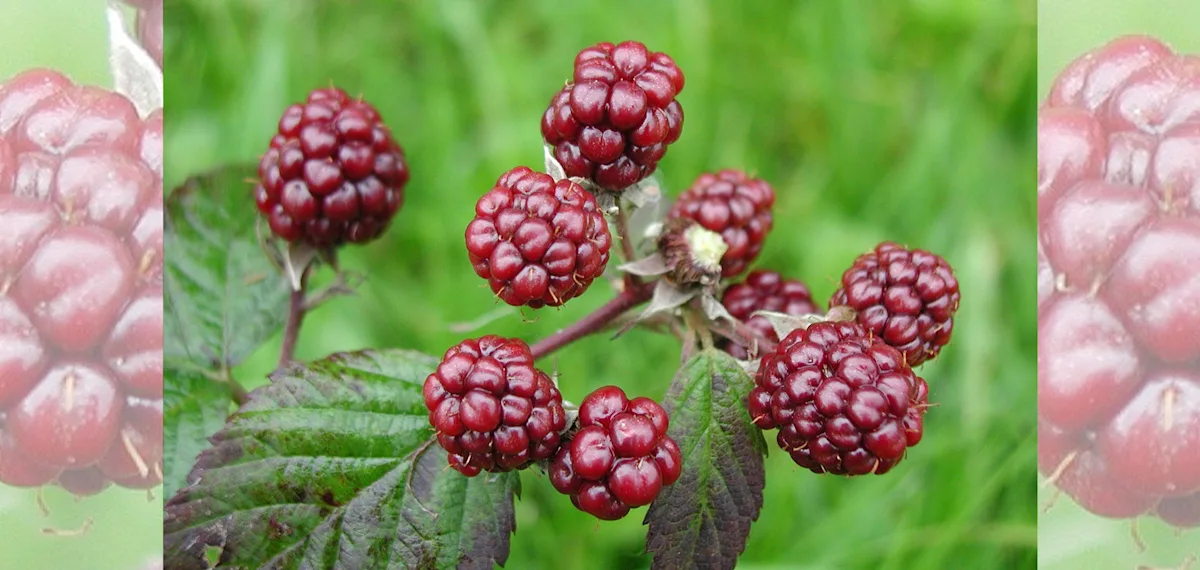
Perhaps that new list from Greeniversity isn’t so new, after all.
Do you think that being able to identify wildlife is a necessary skill in today’s world? Or are there now other means, such as apps, that are readily available and taking its place?
Here’s to finding your true places and natural habitats,
Candy
To help your children brush up on their wildlife identification skills, consider taking them on one of Natural Habitat Adventures’ family-focused trips, such as our Family Galapagos Adventure or Family Botswana Safari.