If Government Wildlife Numbers Are Routinely Overestimated, Should Trophy Hunting Be Outlawed?

Today around the world, with government conservation monies dwindling and severe staffing cutbacks, it stands to reason that wildlife management entities desperately need the funds that recreational hunters provide—not only to keep population numbers of certain species at healthy levels for their sport but for wildlife-watchers, as well. But recently, a new study out of British Columbia is causing people to wonder whether hunting quotas set by government agencies are routinely overestimated in order to generate more income from the sale of hunting licenses.
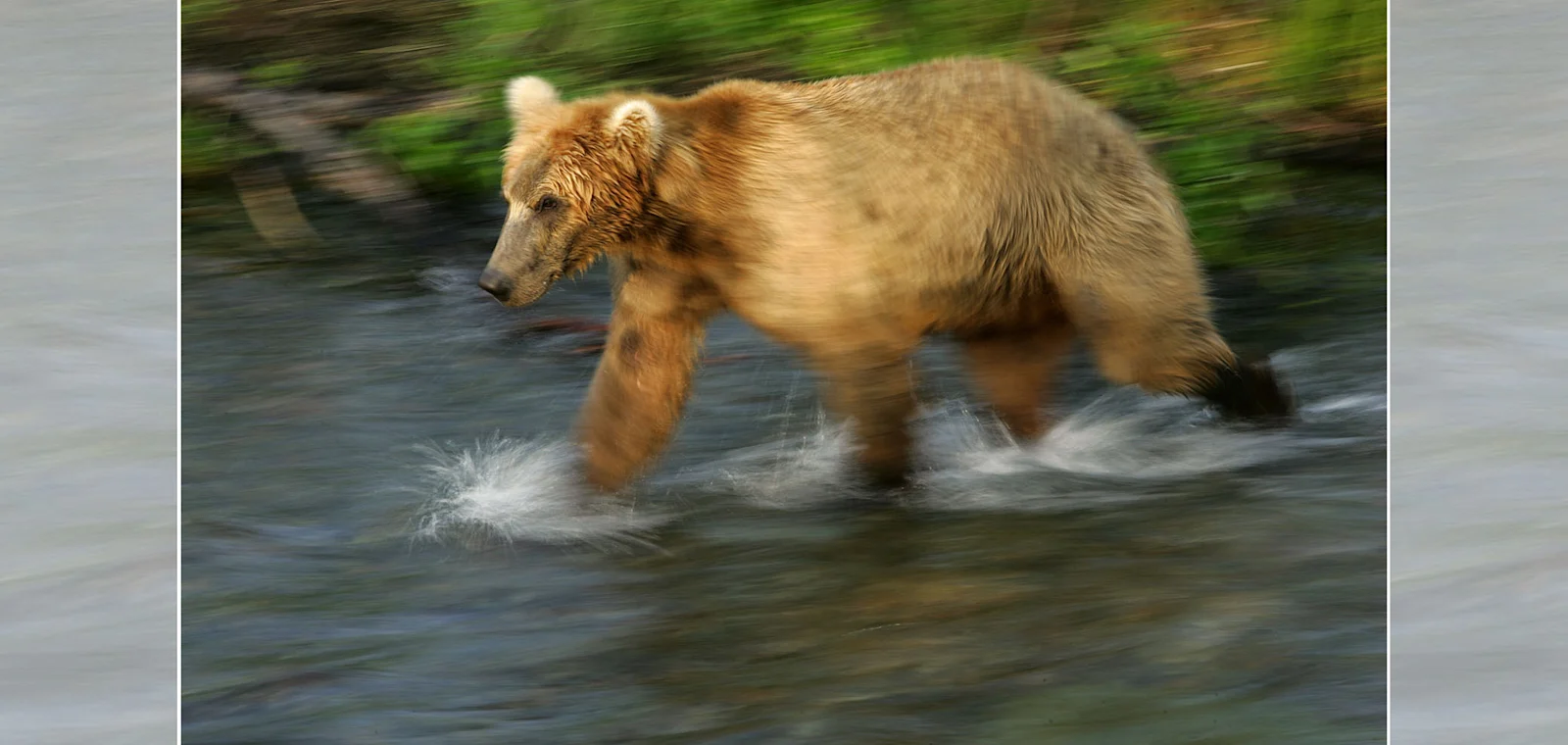
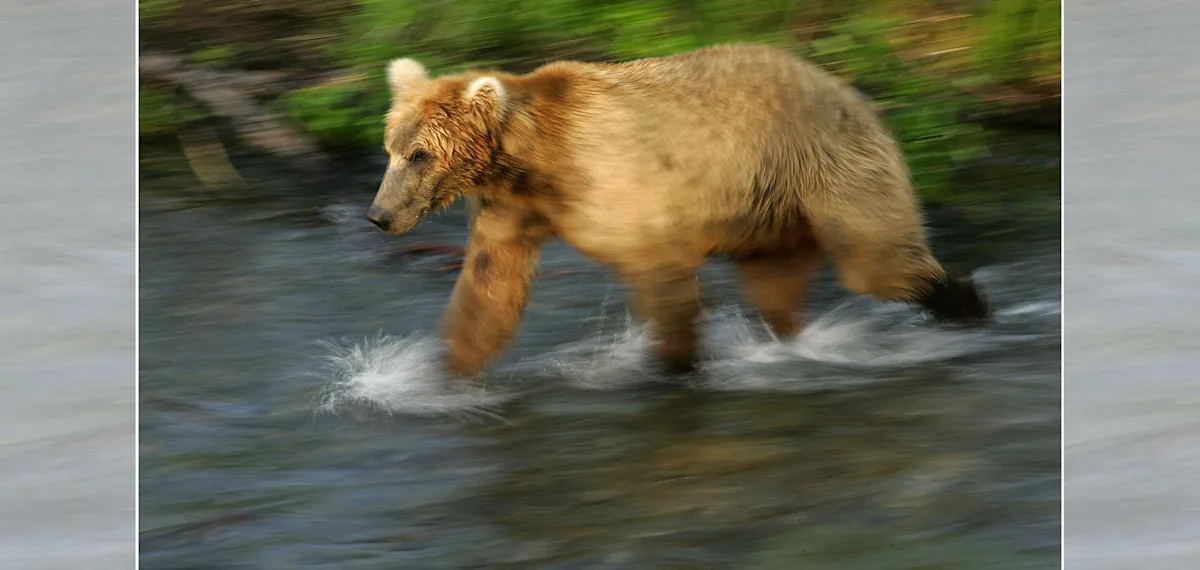
Six biologists from Simon Fraser University, the University of Victoria and the Raincoast Conservation Foundation, opens in new tab conducted the study, published in the Public Library of Science (PLOS)., opens in new tab The B.C. government estimates that there are about 15,000 grizzlies in the province and that hunters kill about 300 per year, which they contend is a sustainable harvest. After analyzing 10 years of government data, from 2001 to 2011, the researchers, however, report that there are serious problems with that conclusion.
Adding to that, Simon Fraser University biologist Kyle Artelle says that in half the grizzly population groups around the province where hunting is permitted, more bears have been killed than government targets allow. In at least one regional population, hunters killed 24 bears over the local quota.
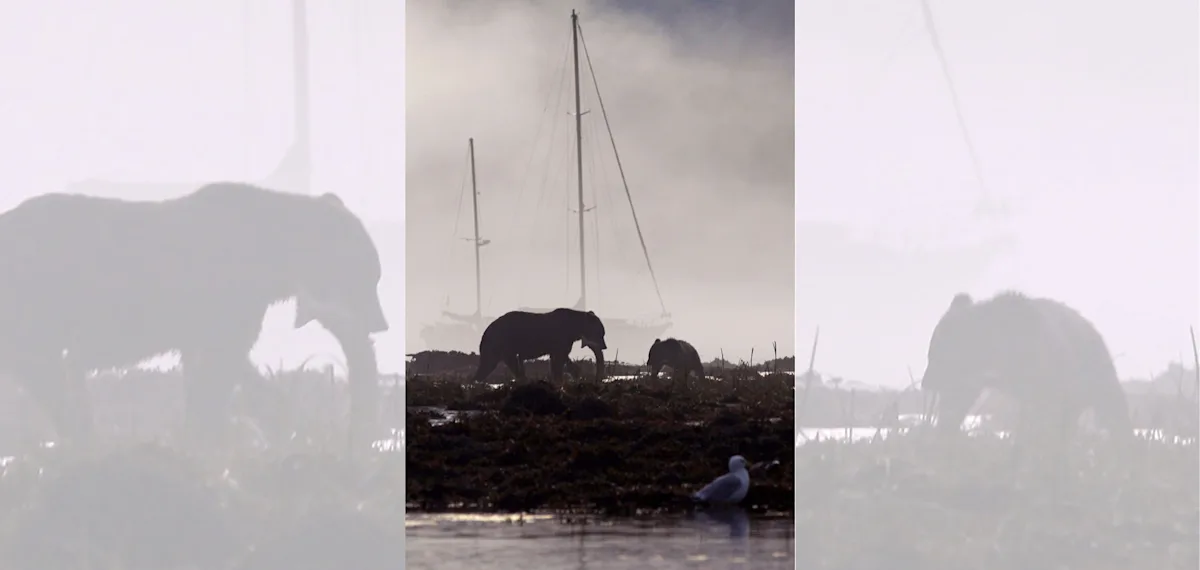
So, if kill rates are higher than legally permitted and government population estimates are inaccurate, should recreational or “trophy” hunting be allowed to continue? Who is monitoring the wildlife monitors?
Getting an accurate count of B.C. grizzlies
In the case of British Columbia, on-the-ground surveys of grizzly bears have only been done for about 15 percent of the province, which means that most population estimates come from computer models or expert opinion. Because of the wide range of potential errors in those kinds of estimates, the PLOS study authors determined that the hunting quotas might be too lax.
Columnist Stephen Hume, writing in The Vancouver Sun,, opens in new tab states that B.C. “grizzly estimates seem to be whatever it takes to justify trophy hunting. In 1979, there were 6,600 grizzlies. Then, when trophy hunting was on the agenda, there were almost 17,000. Presumably, this is why the government is comfortable saying wildlife managers don’t share the new study’s conclusions before they’ve even analyzed its evidence—although, of course, they promise to review it. These studies gather dust not because the evidence is unconvincing but because provincial politicians are not interested in evidence-based decisions. They want justification for providing feedstock for a hunting industry that’s in steep decline. Thirty years ago, there were almost 175,000 licensed hunters in B.C. Today, hunters’ numbers have fallen by more than half. The response of provincial fish and game management has not been to adapt to change, but to promote hunting in the face of falling numbers. Its service plan calls for the selling of an additional 20,000 hunting licenses by 2014.”
Sustainable hunting has wide appeal
According to Hume, most British Columbians don’t oppose the sustainable harvesting of wildlife for food. Opposition is to killing for personal vanity of a threatened species that has already been extirpated from most of North America.
Here in the United States, whether you’re an avid sportsman or purely a wildlife-watcher, it’s a fact that the animals, birds and fish you most wish to see are “paid for” mostly by hunters. Those who engage in hunting, fishing and trapping are the major contributors to conservation funds in almost every state. Surprisingly, the monies animal-viewers and birdwatchers donate to conservation efforts rarely add up to even a third or a half of what hunters put into department of natural resources funds—even though watchers greatly outnumber them.
In my own state of Wisconsin, more than 90 percent of funding for fish and wildlife conservation efforts comes from the sale of hunting and fishing licenses. Hunting licenses and permits generated $29.2 million in revenue for the department of natural resources in 2011. And in most years, an excise tax on hunting equipment provides an additional $10 million to the state for wildlife management.
The problem is, however, that the number of hunters—along with anglers and trappers—is declining. And it promises to keep decreasing as the population ages. Too, social values are changing with the times. Today, anglers embrace the catch-and-release method, and there’s a growing sense among the general populace that animals have rights and should not be hunted unless it’s absolutely necessary to survive.
Under such stressors, then, is it any wonder that government agencies have an interest in supporting the hunting industry by estimating wildlife numbers toward the high end? And if this is so, who is going to monitor wildlife population counts to make sure they are accurate?
Here’s to finding your true places and natural habitats,
Candy