Good Nature Travel Blog

3405 stories

  • Nature & Wildlife

    If Government Wildlife Numbers Are Routinely Overestimated, Should Trophy Hunting Be Outlawed?

    Nov 12, 2013 · Candice Gaukel Andrews

    Today around the world, with government conservation monies dwindling and severe staffing cutbacks, it stands to reason that wildlife management entities desperately need the funds that recreational hunters provide—not only to keep population numbers of certain species at healthy levels for their sport but for wildlife-watchers, as well.


  • Conservation

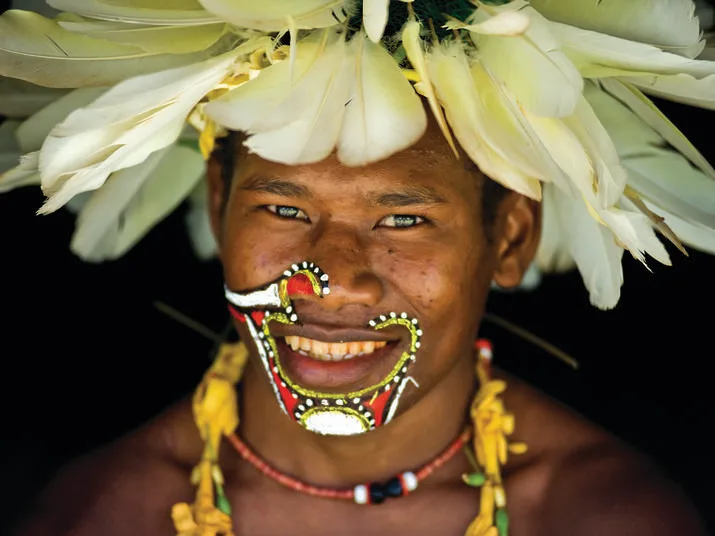
    Carving a New Life for Forests

    Nov 11, 2013 · Natural Habitat Adventures

    Originally posted on the WWF Travel Blog By Cassie O’Connor, WWF Senior Program Officer Wood is the source of life, according to Asmat tradition. Their creation story begins with a figure named Fumeripits, the first Asmat wood carver. His story begins as loneliness creeps over Fumeripits, who spends his days dancing alone.

  • Conservation

    Spotlight on Sustainability: Preserving Cultures through Ecotourism

    Nov 9, 2013 · Court Whelan

    The first thing you probably think of when you hear the word ecotourism is nature travel. Perhaps you’re familiar with the core values of ecotourism and also think about the conservation efforts that are promoted by ecotourism. Maybe you’re really familiar with ecotourism and understand its essential role in promoting local community welfare.

  • Travel Tales

    One Amazonian Protects the Future of Nature

    Nov 6, 2013 · Elissa Poma

    Originally posted on the WWF Travel Blog By Elissa Leibowitz Poma / WWF Tulio Ahuanari Sima remembers the size of the paiche his fishermen grandfather used to bring home after a day on the river: The tasty and dense Amazonian fish could grow to 11 feet and was so heavy that two or three…

  • Nature & Wildlife

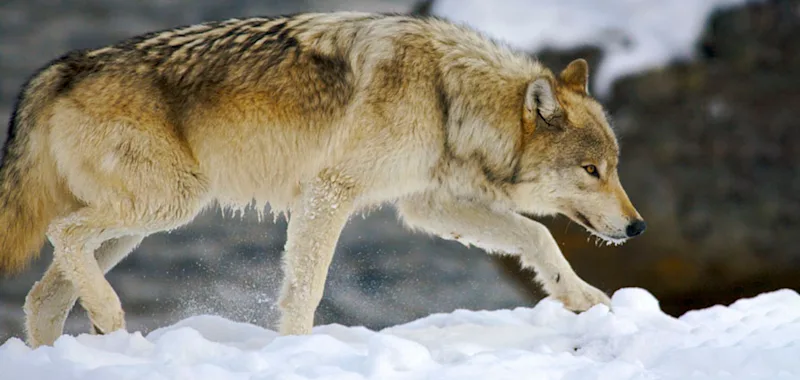
    Are Wolf Protection “Kid Cages” Necessary, or Just a Scaremongering Tool?

    Nov 5, 2013 · Candice Gaukel Andrews

    When I was growing up in Wisconsin, I would hear occasional rumors of kids in the Northwoods having to worry about wolves as they “waited for the school bus.” Why they would have to fret only Monday through Friday at a specific time of day always baffled me.

  • Nature & Wildlife

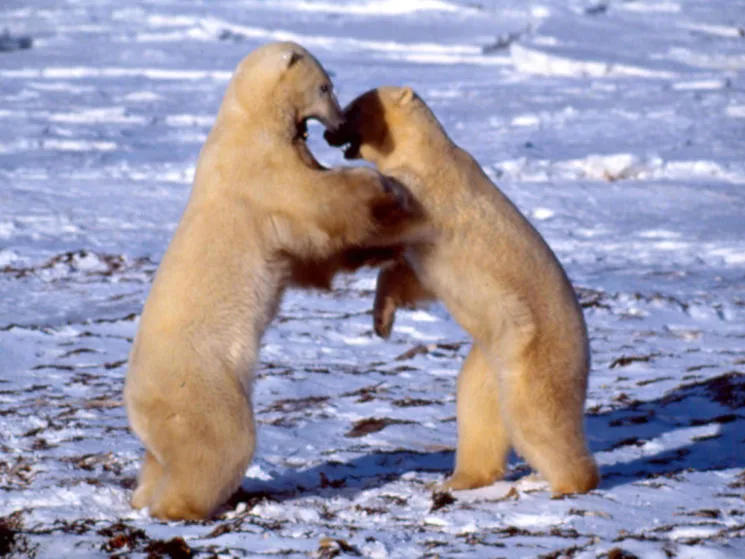
    Decoding Polar Bear Behavior

    Nov 1, 2013 · WWF

    By Dean J. Tatooles, WWF Guest Blogger Polar bears are our planet’s largest land predators. Between 20,000 and 25,000 of these amazing animals roam the arctic today in the U.S. (Alaska), Canada, Russia, Denmark (Greenland) and Norway. Below are seven interesting behaviors to look for when observing the species in the wild: 1. Head movement.

  • Nature & Wildlife

    Saving Giant Turtles in Indonesia

    Nov 1, 2013 · Natural Habitat Adventures

    “Kura-kura!” yelled the little village boy as he came running out of the dark tropical night and into our jungle camp. Two of our Papuan boatmen from our mother ship, the James Bond II, grabbed their machetes and a couple of burlap sacks and followed after him with excitement.

  • Videos

    Video: The World’s Scariest Creatures

    Oct 31, 2013 · Candice Gaukel Andrews

    Snakes, spiders or scorpions—even though you’re a nature enthusiast, chances are that there’s at least one creature found within the world’s diverse animal kingdom that gives you the creeps. Watch the video below and learn what Earth Unplugged thinks are some of the world’s scariest beings.

  • News & More

    Tracking Polar Bears at 100: Meet Elsa Bailey!

    Oct 24, 2013 · Natural Habitat Adventures

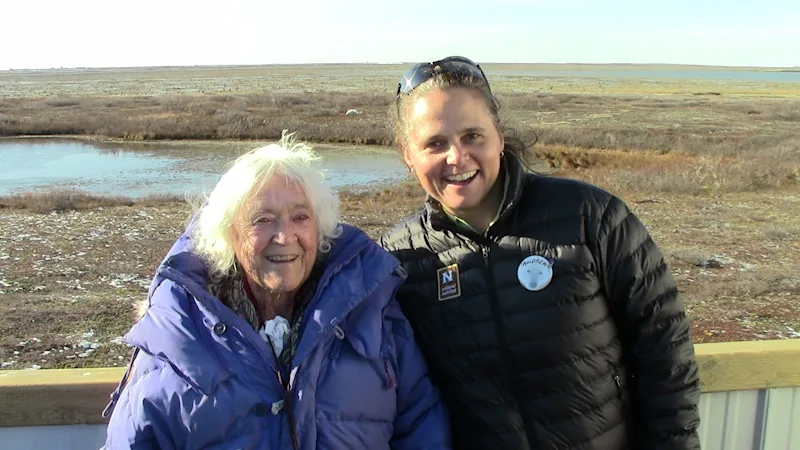
    By Andrea Reynolds, NHA Adventure Specialist & Expedition Leader When the opportunity came up to escort Elsa Bailey on her Nat Hab polar bear adventure to Churchill, I jumped at the chance. It was an exciting prospect to spend time with this “100-year-young” woman who has inspired many in our office.

  • Conservation

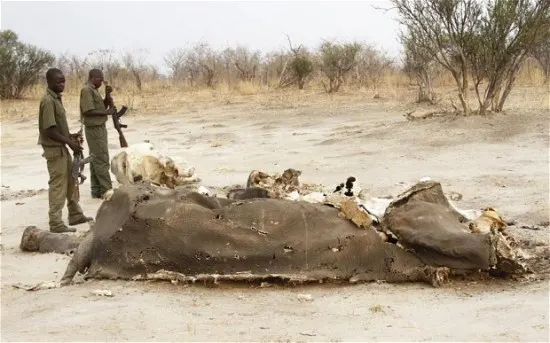
    Poachers Kill 300 Elephants in Zimbabwe Using Cyanide

    Oct 23, 2013 · Wendy Redal

    I’m always more enthused to share conservation success stories than grim accounts of wildlife devastation, but it’s crucial for the Good Nature community to remain informed about crises, too, since awareness and public pressure are often essential to addressing the problems that impede conservation efforts.