



By Jordy Oleson
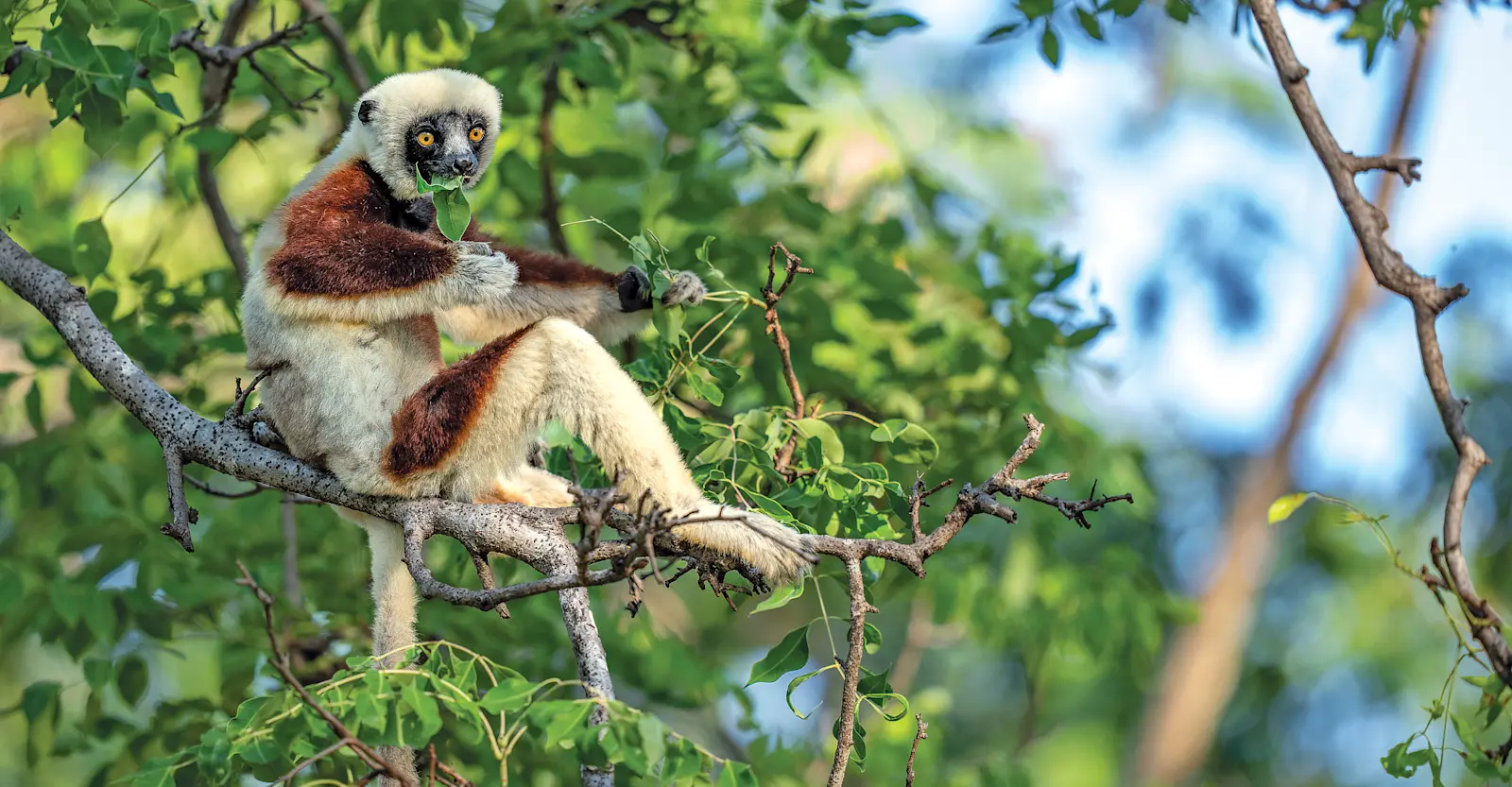
Madagascar is the most unique place I’ve ever been. Geographically, biologically, culturally—it is so isolated and truly seems to operate in a vacuum. This African island was once blanketed almost entirely by forest, and it’s home to countless endemic species. Now, due primarily to necessity and a subsistence population, it has been largely deforested, and its fragile biodiversity clings to life in critical protected islands of forest that dot the island entirely too sparsely. In between those islands, some of the most industrious people in the world rise at dawn and work until dusk, harvesting clay for bricks, hauling granite boulders down mountains, growing rice or, in Madagascar’s wild west, hoping to strike it rich by finding an elusive ruby.
An Overland Journey Across Madagascar
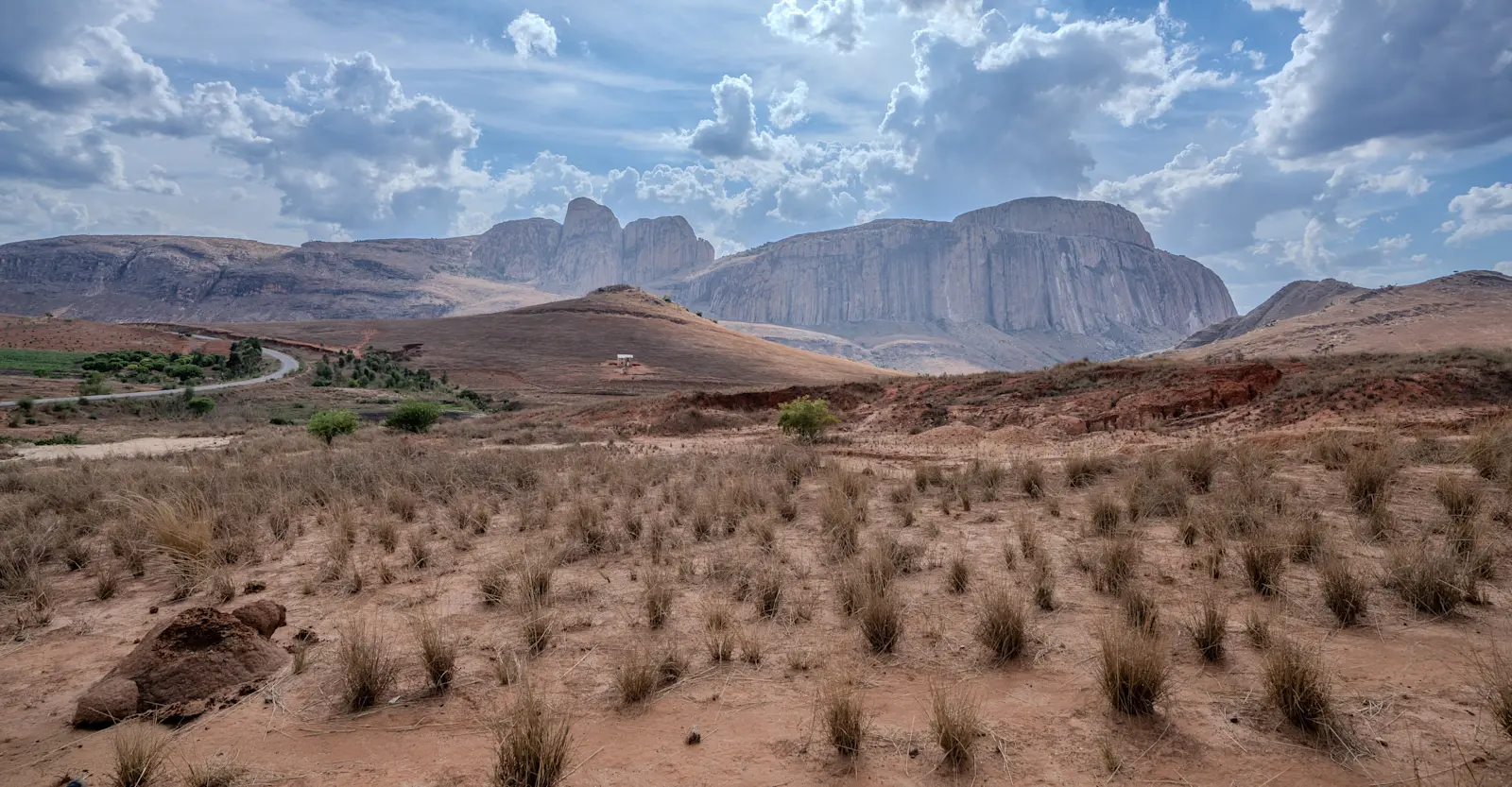
Driving west from Ranomafana to Isalo is an odyssey itself. Along the way, the views could be mistaken for the cloud forests of Costa Rica, the central Asian steppe in Mongolia, the outback in Australia or the desert canyonlands of the American Southwest. A perfectly timed stop at Anja Community Reserve, though, reminds you that you are, indeed, somewhere else entirely. Against a backdrop of granite cliffs, ring-tailed lemurs move through the trees and chameleons cross the branches. Continuing westward, a vast expanse of savanna looks more suited to elephants and antelope than a landscape that once supported sifakas and geckos.
Today, these grasslands support zebu herders who watch over their animals carefully. In this part of Madagascar, a zebu can be worth more than a house.
Between Isalo National Park and Zombitse-Vohibasia National Park, gemstone mining continues to shape parts of the landscape and local economy. Discoveries of rubies and sapphires have drawn waves of migrants seeking economic opportunity, transforming some communities and highlighting the complex relationship between natural resources, livelihoods and conservation.
Islands of Biodiversity in a Changing Landscape
On either side of the mining zone lie two fragile strongholds for Madagascar’s wildlife. Isalo and Zombitse-Vohibasia protect habitat for numerous endemic bird species, desert oases and rare wildlife, including Hubbard’s sportive lemur, which occurs only in Zombitse-Vohibasia.
The short drive between these parks provides a stark reminder of how important these protected areas are. The contrast highlights how much of the island has been altered by human activity and how quickly biodiversity can disappear without conservation efforts. Organizations such as World Wildlife Fund, together with local communities and responsible tourism initiatives, play a vital role in helping safeguard what remains.
Hope for Madagascar’s Future
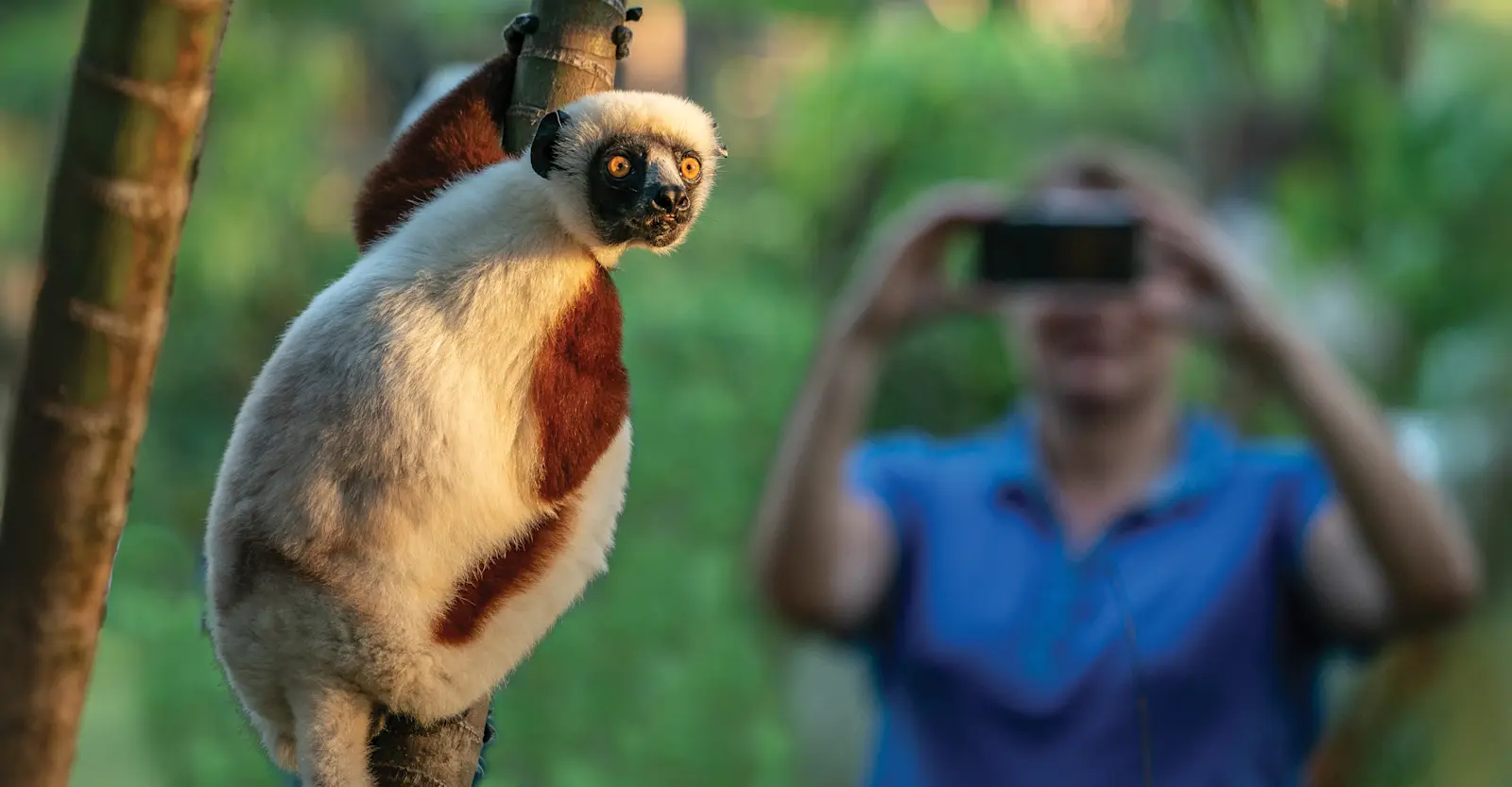
While it was remarkable to witness all of this firsthand, I left Madagascar feeling hopeful. We may never fully understand everything that has been lost from some parts of the island, but visitors can still experience the extraordinary biodiversity that survives within Madagascar’s protected areas.
Ecotourism continues to grow and become more accessible across the island. Its benefits are increasingly visible in local communities and conservation programs. With continued support, these landscapes and the wildlife that depend on them stand a much stronger chance of enduring for future generations.
Experience Madagascar for Yourself
Our Ultimate Madagascar Adventure explores the island’s remarkable variety of landscapes and wildlife. Travelers visit the spiny forests of the south, search for lemurs in Andasibe-Mantadia National Park, hike among the sandstone formations of Isalo National Park and explore the private reserve of Anjajavy, where dry deciduous forests, baobabs and coastal habitats support an impressive concentration of endemic species.
For those interested in Madagascar’s more remote corners, the Madagascar Explorer ventures into the limestone pinnacles of Tsingy de Namoroka National Park and the rainforests of Masoala National Park, providing access to regions that few travelers ever reach.