

Newest in U.S. National Parks
10 Reasons to Visit Yellowstone National Park in Winter
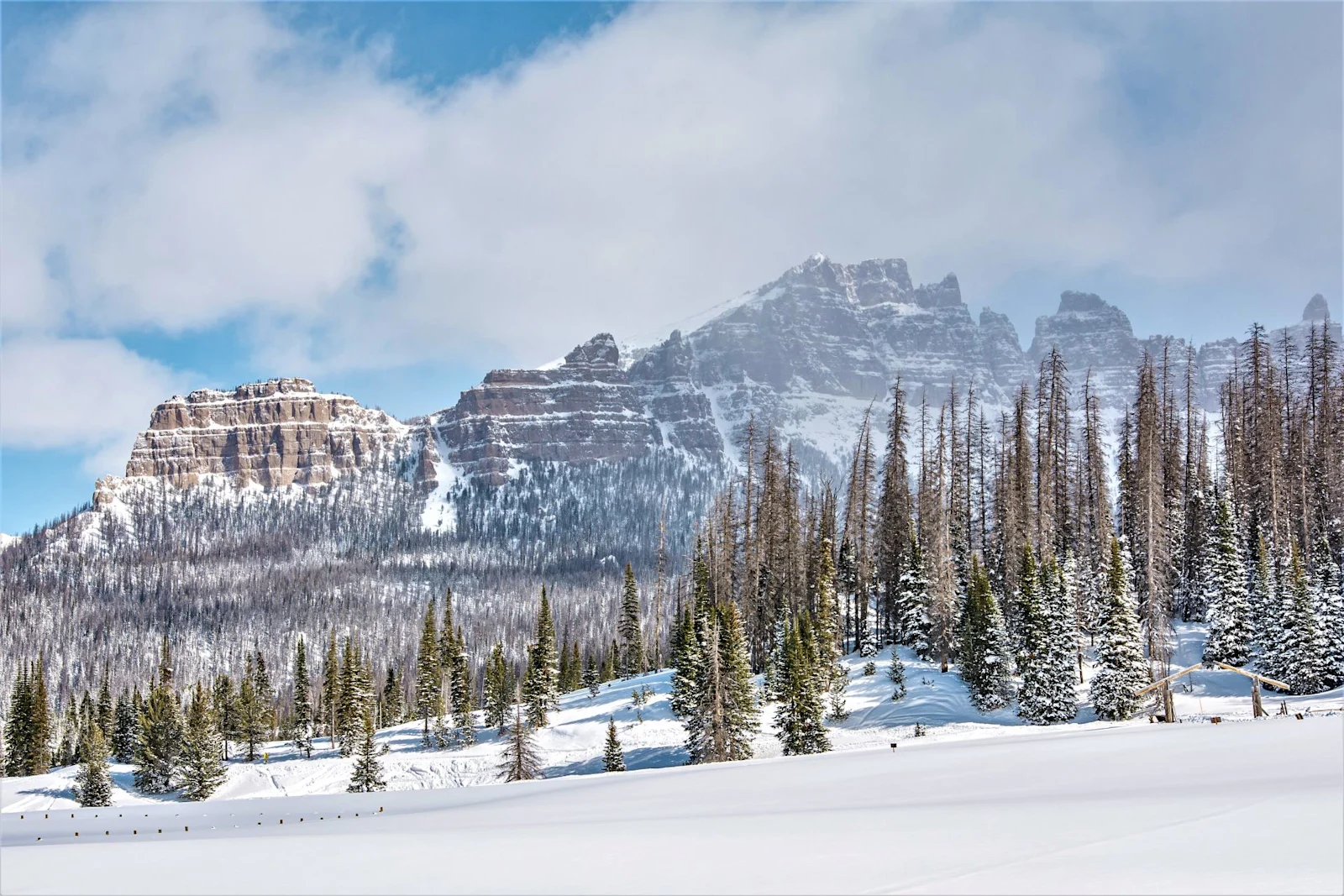
Let’s start by answering the most obvious question: Yes, Yellowstone is open in the winter! In fact, some may say this is the most magical time of year to visit.
Newest in U.S. National Parks
Let’s start by answering the most obvious question: Yes, Yellowstone is open in the winter! In fact, some may say this is the most magical time of year to visit.
125 stories
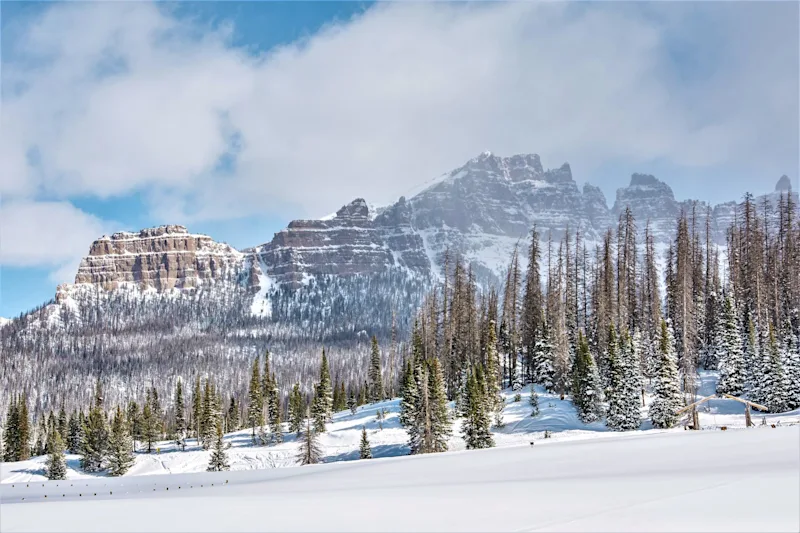
In the shadow of Yellowstone’s ancient and dense pine forests, a sage grouse burrows beneath a blanket of deep snow. Guided by starlight, a snowshoe hare drifts through the frost-covered grasslands like a snowy specter—swift-footed and sure.
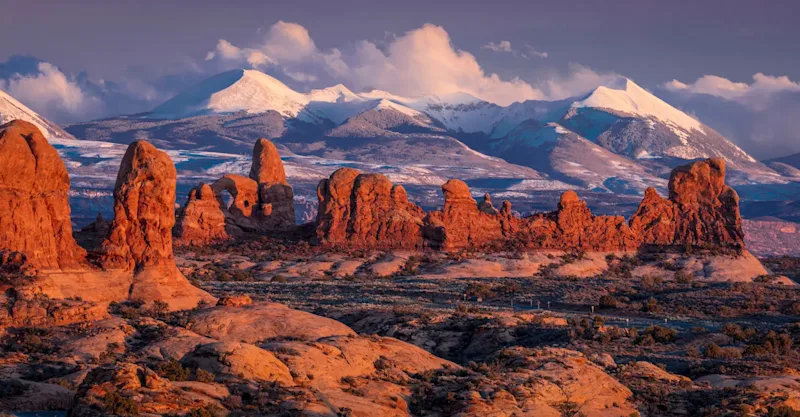
Have you ever seen a greater short-horned lizard scrape its crown of spines along a canyon rim? Smelled the fresh spray of a cascading spring? Heard the love songs of a northern pygmy-owl duet? Or, perhaps, whispers through the breeze—from the Navajo sedge plants growing in seeps and hanging gardens?
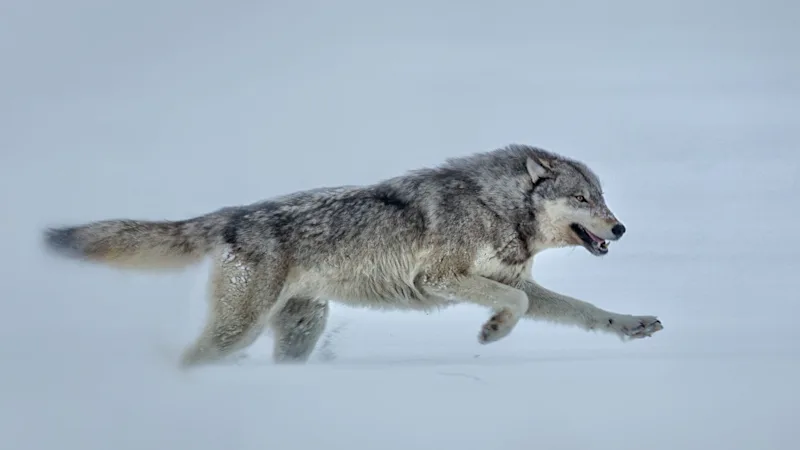
Few wildlife encounters compare to watching wolves move through the wide, wild valleys of Yellowstone. On Nat Hab’s Yellowstone wolf-watching adventure, expert naturalist guides help travelers search for these elusive predators while exploring one of North America’s most dynamic winter ecosystems. How Did Wolves Return to Yellowstone National Park?
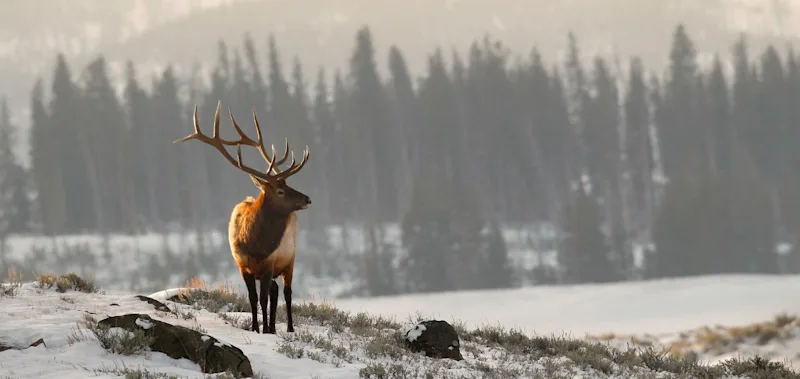
What, you may be asking, is an ungulate? You’ve actually known them all along, but perhaps just didn’t know them by their official moniker. Among the ungulates that are native to North America are bighorn sheep, bison, caribou, Dall sheep, mountain goats, moose and white-tailed deer. What do they all have in common?
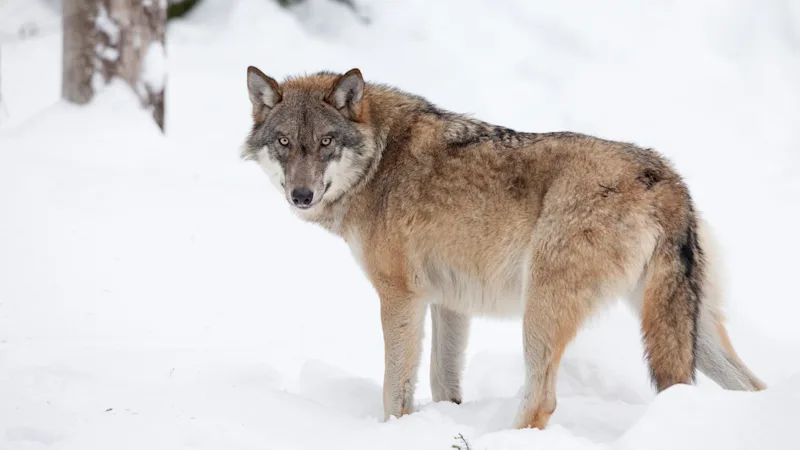
Wolves have long fascinated wildlife enthusiasts. We tend to view them as truly wild and rugged. Their tendency to live and travel in family packs echoes our own social tendencies. Their stirring nighttime howls, graceful movements and keen sensibilities connect us to our primal selves.
We agree with Wallace Stegner: Our national parks are “America’s Best Idea.” These natural sanctuaries call our name when the concrete jungle becomes too oppressive, when we long to take deep, cleansing breaths in fresh air while marveling at the quiet, unassuming wildlife that was here long before we were.
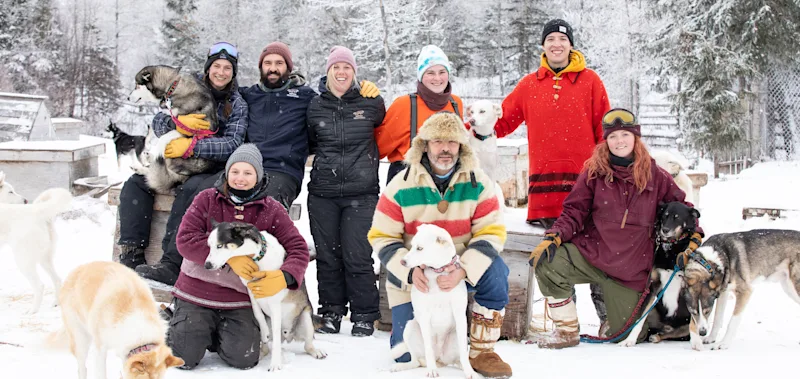
For thousands of years, Indigenous peoples have shaped North America’s landscapes through stewardship, observation and a deep understanding of the natural world. Today, many of Natural Habitat Adventures’ journeys offer opportunities to learn directly from Indigenous guides, artists, elders and community members whose connections to these lands remain as strong as ever.
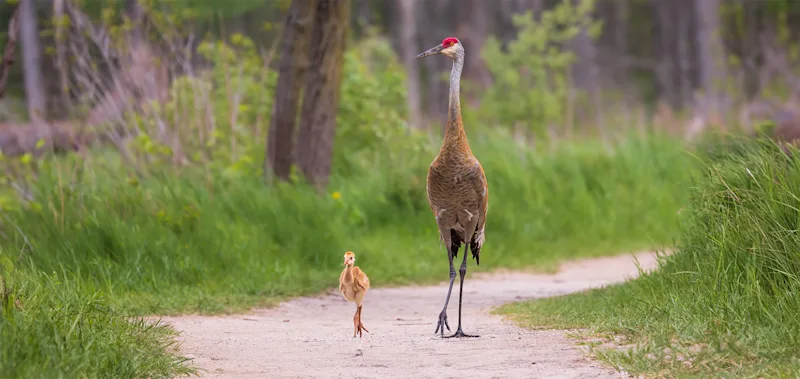
“I never for a day gave up listening to the songs of our birds, or watching their peculiar habits, or delineating them in the best way I could,” the legendary 19th-century artist and ornithologist John James Audubon scribbled in one of his journals. Avid birders can no doubt relate to that sentiment.
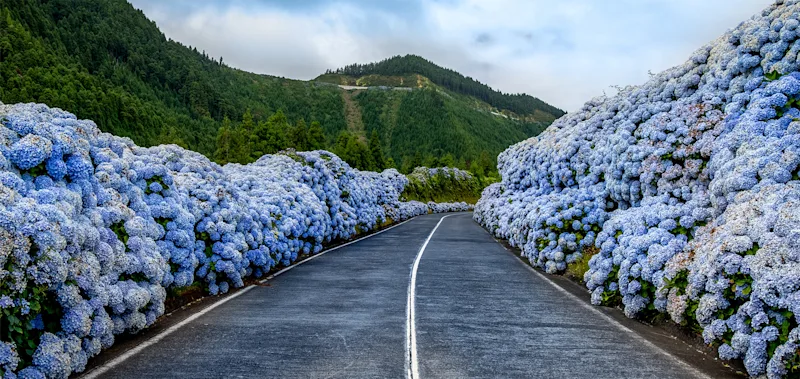
Spring forward from so-called winter woes into a season full of possibilities! From wildflowers to wildlife, this time of year offers travelers great weather, fewer crowds and blooming landscapes.
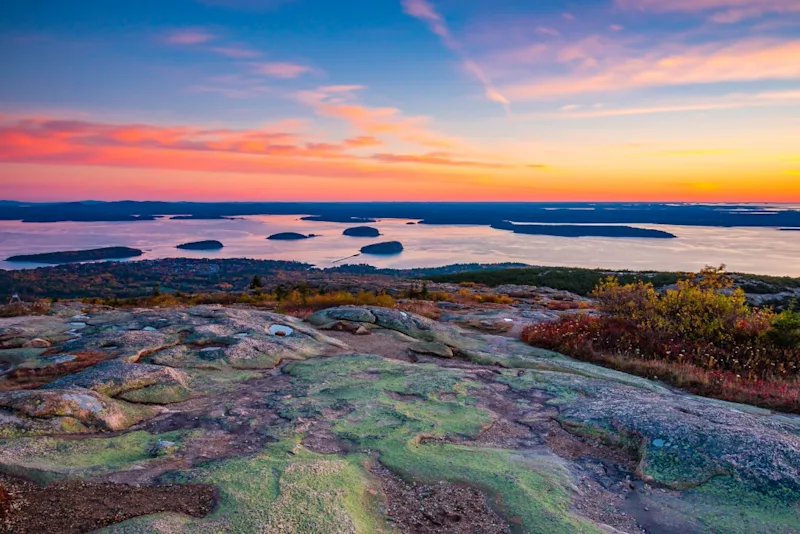
Nat Hab’s Maine Coastal Explorer tour takes travelers on an idyllic journey from Bangor to Acadia National Park. Here are five highlights visitors will experience during their stay on Mount Desert Island, the largest of Maine’s 4,600 coastal islands.
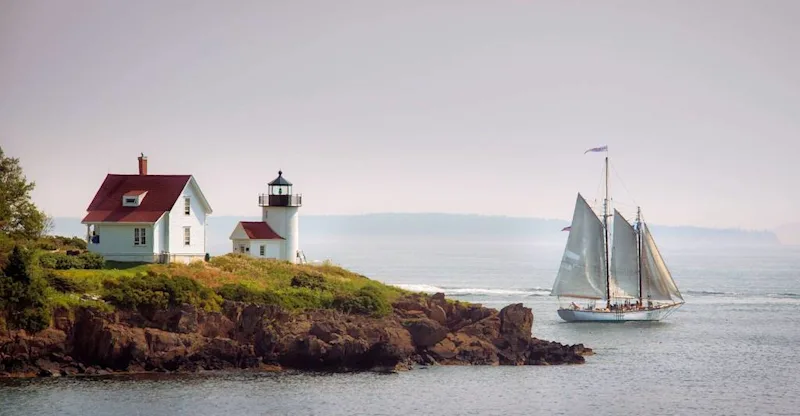
Nat Hab’s Maine Coastal Explorer highlights the maritime gems of this easternmost state, and travelers will have ample opportunity to explore Maine’s rugged coast and quiet coves on private boat excursions. Passing picturesque harbors and scenic lighthouses, our chartered vessels set out to sea.

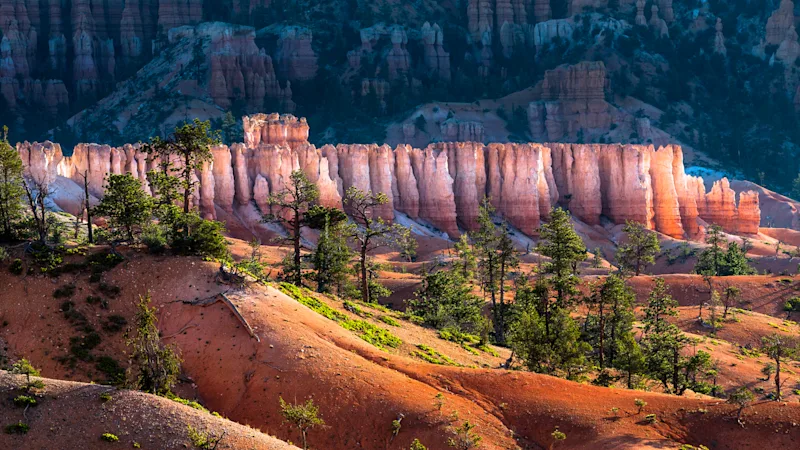
Nearly two billion years of the Earth’s history are represented in the landscape of the American Southwest. Geologic forces created some of the most archetypal and diverse natural wonders, such as the mile-deep, 277-mile-long Grand Canyon, the bulging hoodoo spires of Bryce Canyon National Park and the elegant slot canyons of Zion National Park.