Footprints: A Polar Bear Guide’s Story

By Nat Hab Expedition Leader Katrina Rosen
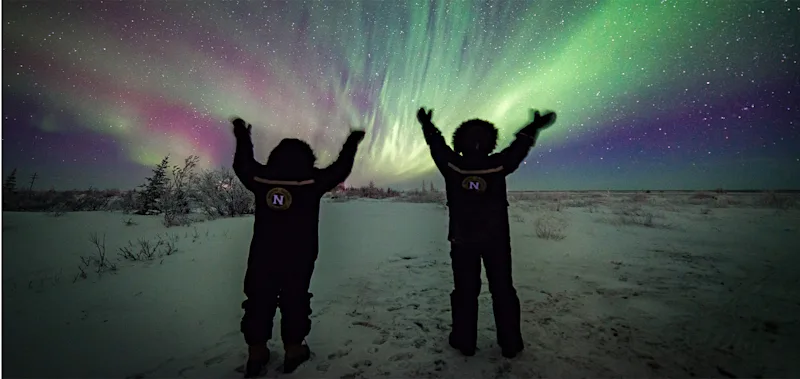
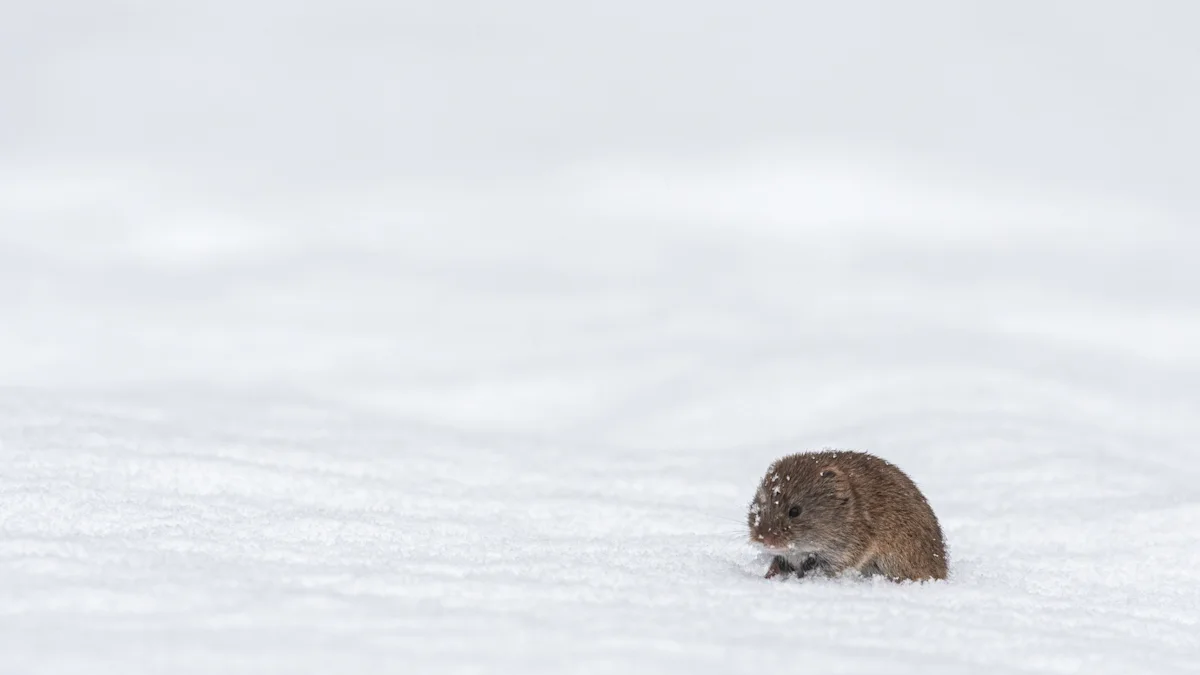
Out on the tundra, we meld into the landscape, observing and trying to discern details. We remain quiet, resembling the hushed silence before winter, eager to catch sight of the largest land predator or the tiniest Arctic vole. Initially, we might feel connected to this seemingly barren space where we may not see anything. Yet, being part of this world is profoundly exhilarating.
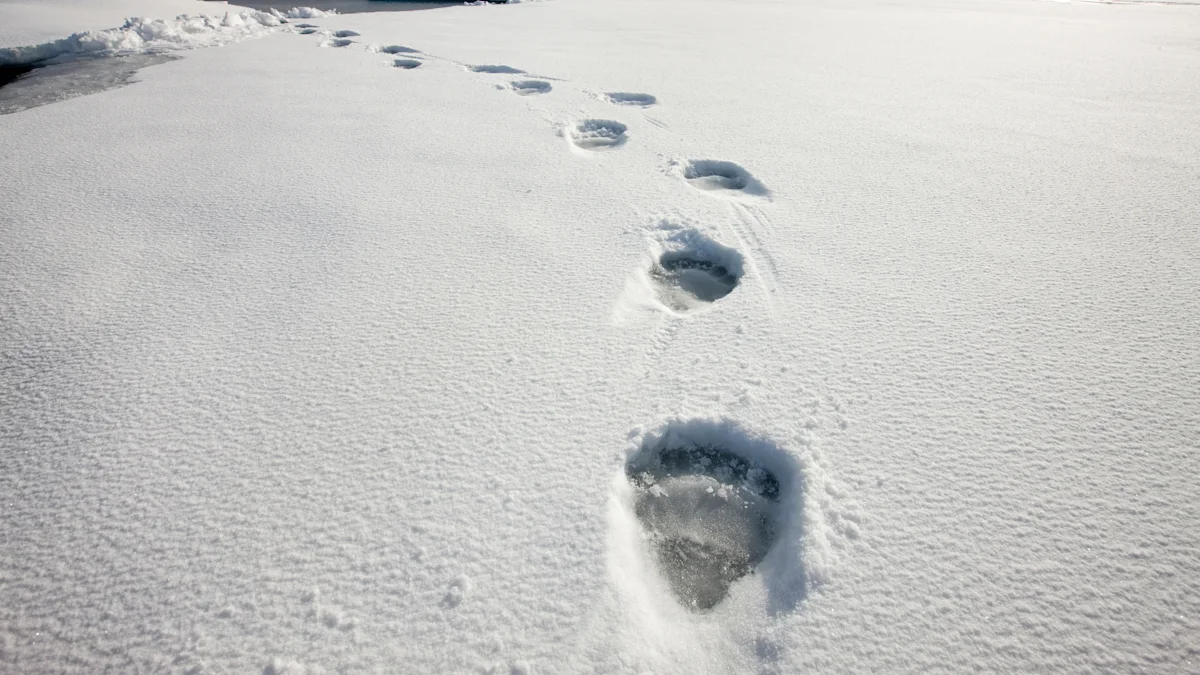
But let’s be clear: we are not invisible here. Our tracks are etched into the terrain as we traverse the land. The wind carries our expressions of surprise and joy, and our scent lingers. We inevitably become woven into the tapestry of future tales.
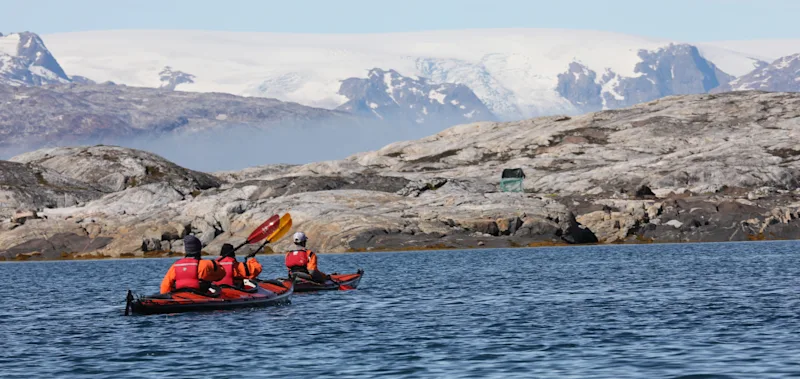
This past summer, I spent a month paddling in Northwestern Ontario with my family. We explored clear, warm lakes connected by historic fur trading trails linked to Churchill and Hudson Bay. I became fascinated with the past, discovering markings from fur traders and pictographs from Indigenous people. On one occasion, a peculiarly light rock, warmed by the afternoon sun, drew us in. As I scrambled to investigate, I uncovered a story told through ochre pictographs. This connection to those who came before was profoundly moving, a reminder of our place in something vast, fragile and timeless.
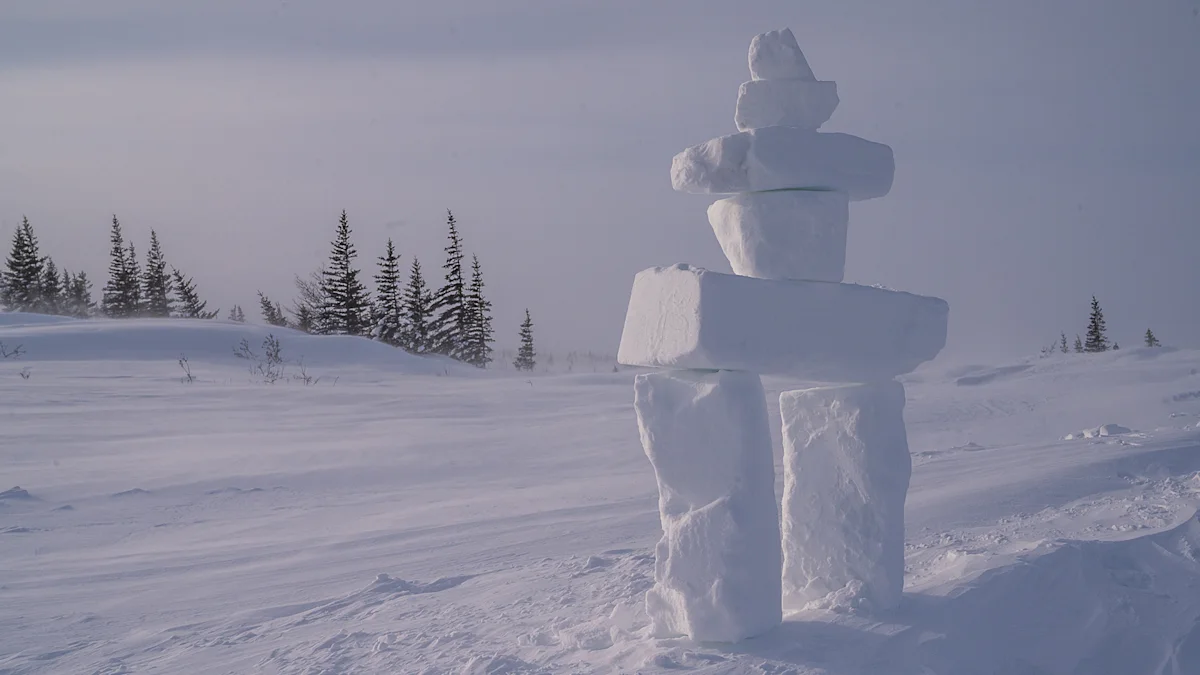
In the Arctic, we encounter Inukshuks, meticulously stacked stones serving as ancient navigational guides. They mark sacred places, indicate good fishing or hunting spots, and act as message centers. The Inukshuk symbolized a larger narrative when it inspired the emblem for the 2010 Olympics in Vancouver.
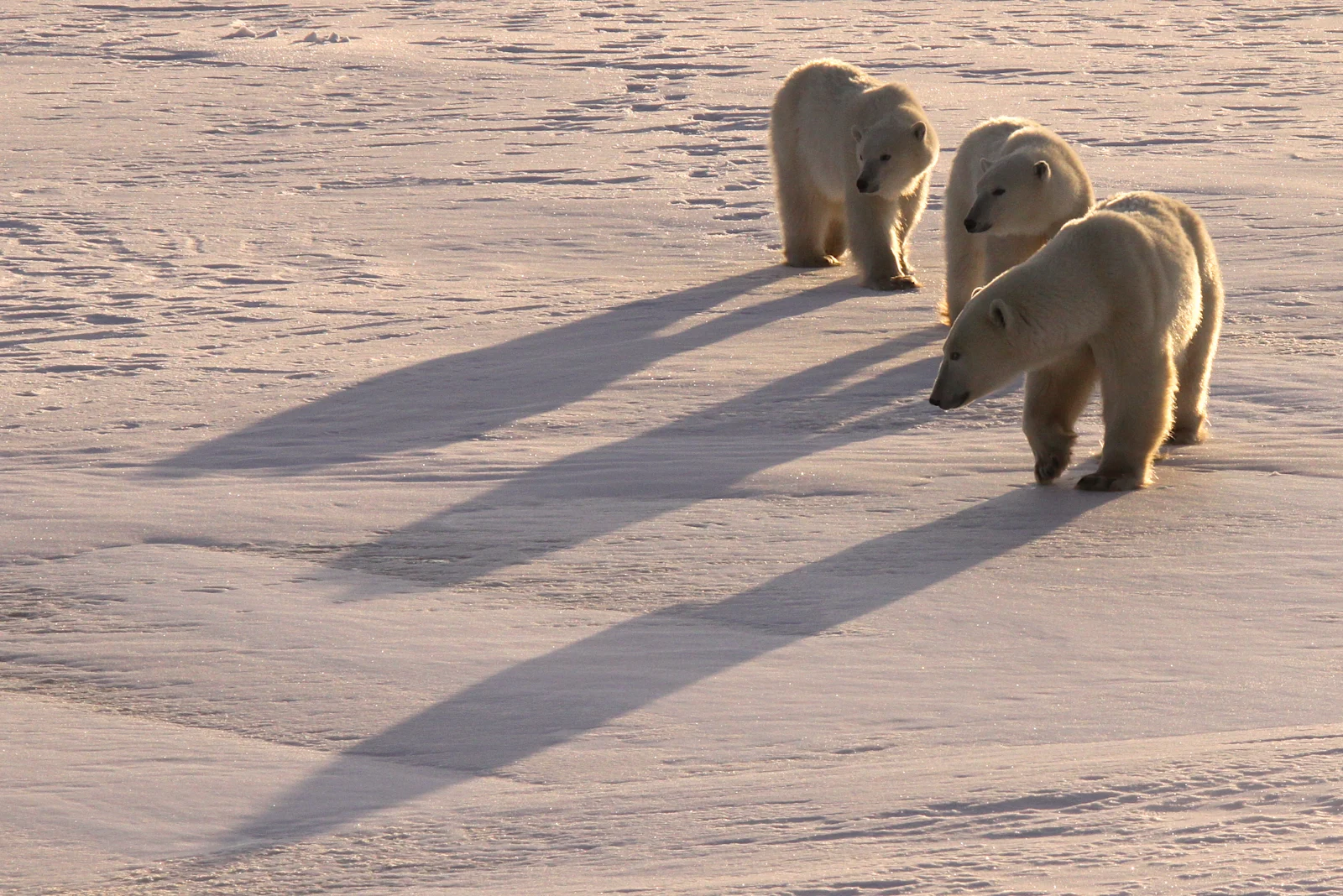
Observing a female polar bear, opens in new tab tread across the ice, we realize her steps are not aimless. She is on a mission, hunting and seeking a mate. According to James Raffan in “Ice Walker,” she leaves olfactory messages in her tracks for following males. The bear’s movements and the ensuing interactions offer us fascinating insights into the information left behind.
In 2014, WWF pioneered DNA extraction from polar bear footprints. This noninvasive technique allows scientists to uncover the bear’s genetic makeup and any additional DNA. It’s like fingerprinting an impression, an emerging science that helps us interpret the stories these imprints tell.
We aimed to leave no trace during our paddling trip. And yet, we left the imprint of our tent, the scuff of the canoe as we pulled it to shore. Just as the eagles and black flies noticed us, our presence was recognized here, on the edge of the Arctic, on the verge of this wild land.
So, how long will our footprint last if a child’s handprint on stone can endure for hundreds of years? If we don’t minimize our impact and remain mindful of our actions, what message are we leaving for the future, and who will be there to read it?