

Conservation
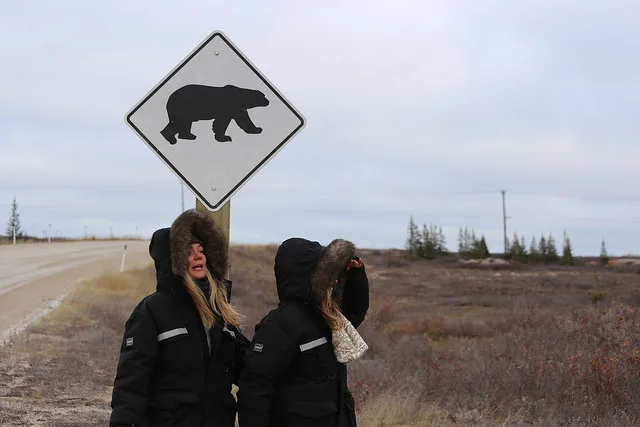
My Week with Polar Bears
This is a guest post by Alicia Smith, Programs Marketing Manager at World Nomads. Alicia recently returned from a polar bear tour with Nat Hab and WWF. Walking home from dinner I have never felt so alert.
Conservation
This is a guest post by Alicia Smith, Programs Marketing Manager at World Nomads. Alicia recently returned from a polar bear tour with Nat Hab and WWF. Walking home from dinner I have never felt so alert.
Nature & Wildlife
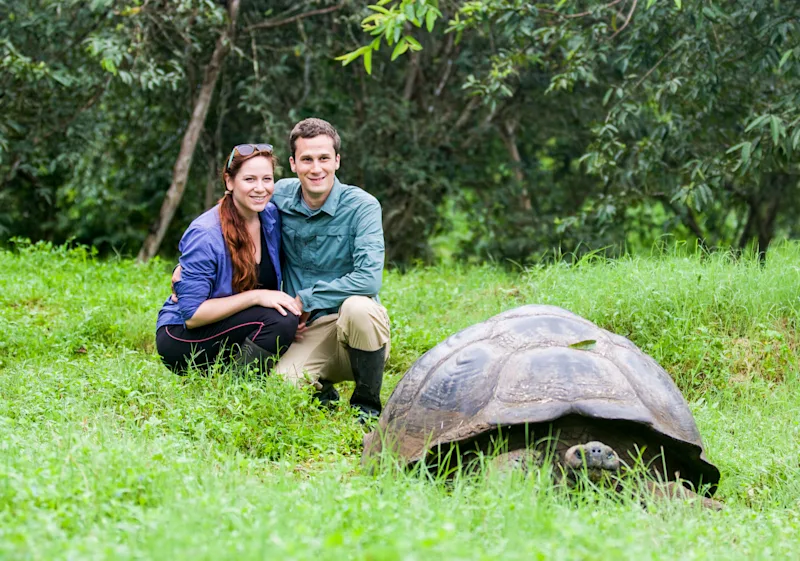
By Rachel Kramer, Program Officer, Wildlife Conservation and TRAFFIC My husband and I are scientists. We are fascinated by species and their habitats. When it came to selecting a place for our honeymoon, the Galapagos Islands—visited in as low-impact a manner a possible—was our dream.
Conservation
From the tiny monarch butterfly to the immense wildebeest of Africa, many of the world’s animal species take on great migrations. Those epic travels may involve seasonal journeys of thousands of miles, traversing multiple countries. For them, our human political boundaries have no meaning.
Travel Tales
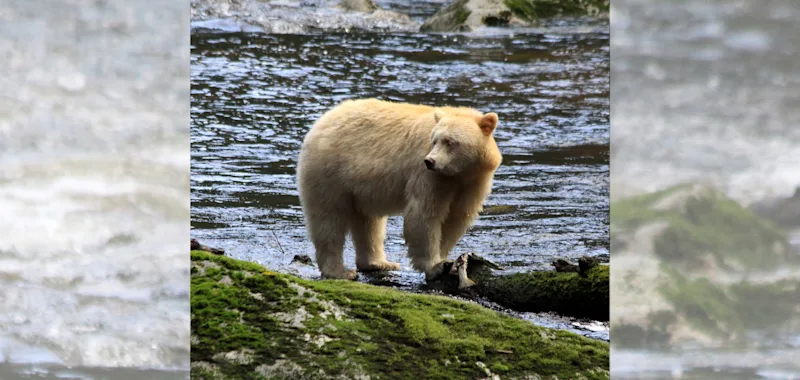
Running 250 miles down the British Columbia, Canada, coast, the Great Bear Rain Forest is a wild expanse of western cedars, hemlocks and spruce trees. This 21 million-acre area—whose boundaries have never been precisely defined—is the largest coastal temperate rain forest on Earth.
Travel Tales
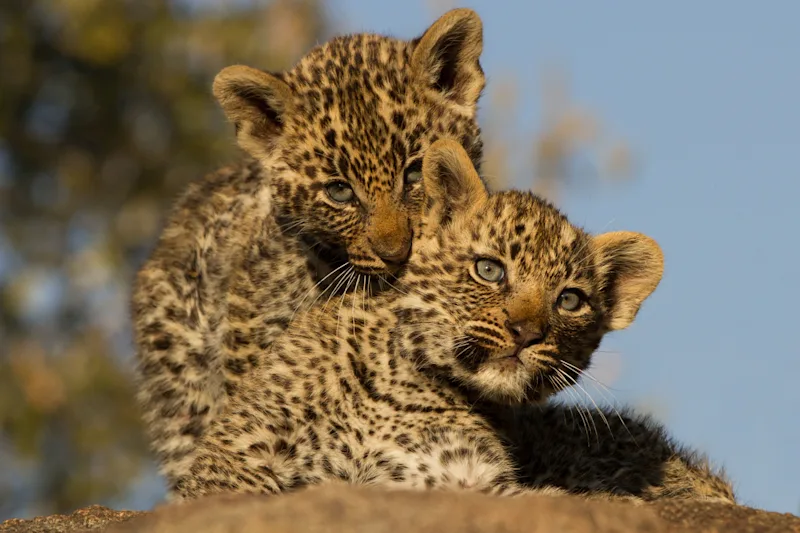
“I love their eyes,” said Gavin Lautenbach, Natural Habitat Adventures guide. “To capture a photograph of any cat in the wild, it’s about their eyes. I love their power and their strength. I love their relationships with their cubs and with other cats. I love their speed, power, precision and playfulness.”
Videos
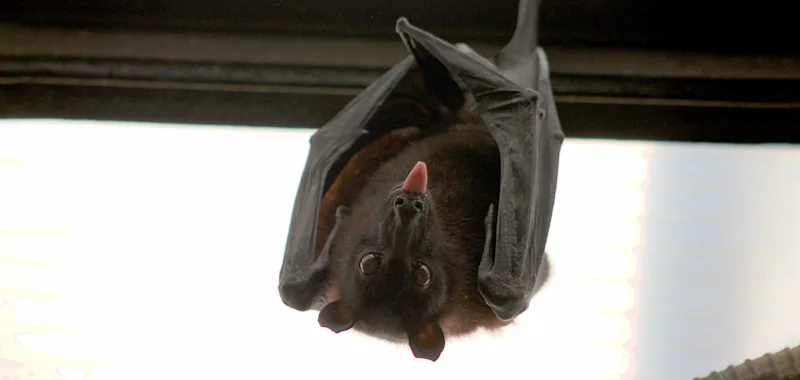
Bram Stoker is probably to thank for our fascination with bats at this time every year. In 1897 when he penned Dracula, the story of a human vampire who could transform into a bat, he cemented our associating bats with all things scary from the late 19th century on.
Nature & Wildlife
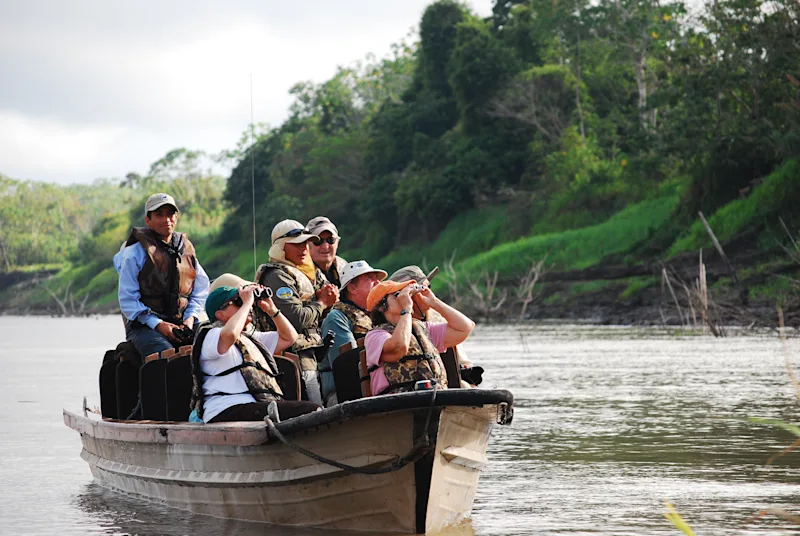
Wildlife reserves offer safe haven to some of the planet’s most vulnerable species and give visitors the opportunity to view them responsibly. Here are five of our favorites: Pacaya Samiria Reserve, Peruvian Amazon Where: The headwaters of the Amazon in northern Peru.
Latin America
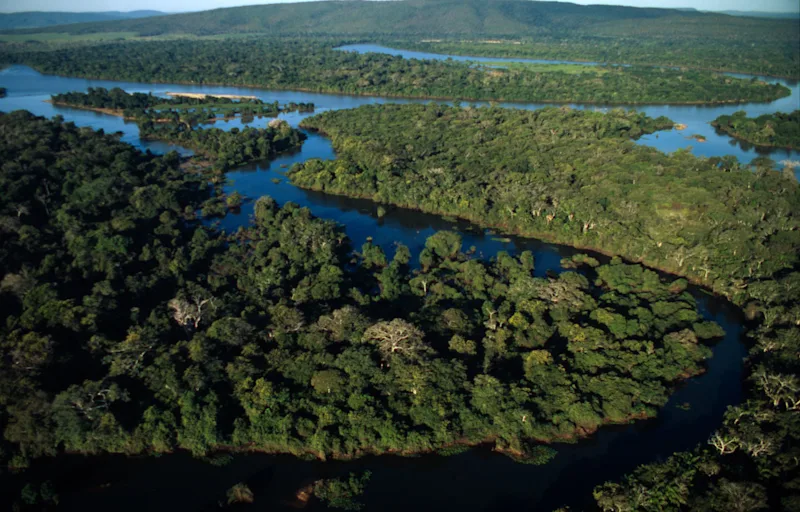
The Pantanal is the largest wetland in South America and the largest wetland in the world that has not been substantially modified by humans. The sheer abundance of large birds, reptiles and mammals mark its importance as a huge reservoir of biodiversity.
Conservation
WWF’s film, Pride of Namibia, was recently named the winner of the inaugural film competition, Adventure in Motion with Yahoo Travel. The film was chosen out of 150 film submissions and revealed at the 2014 Adventure Travel World Summit in Ireland.
Conservation
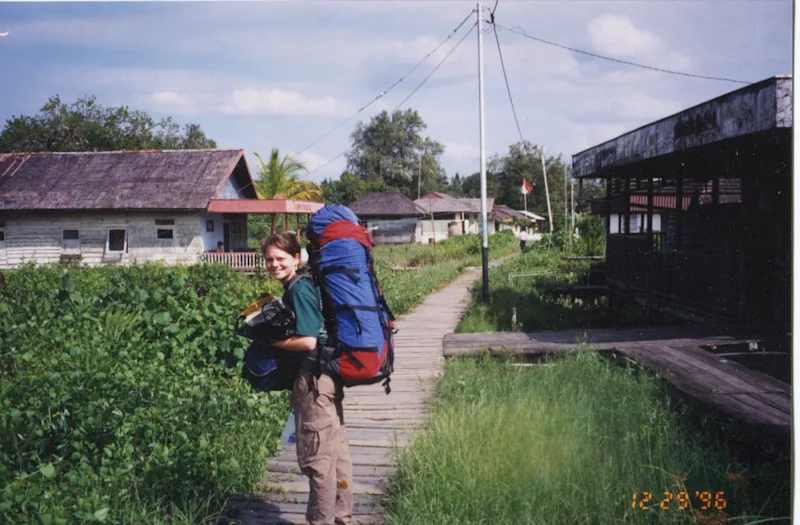
Cassie O’Connor’s commitment to conservation deepened after college when she co-managed a forestry station in Indonesia. The pristine Indonesian environment and rich culture have since brought her back repeatedly and have inspired her in various conservation roles she’s played over the years.
Nature & Wildlife
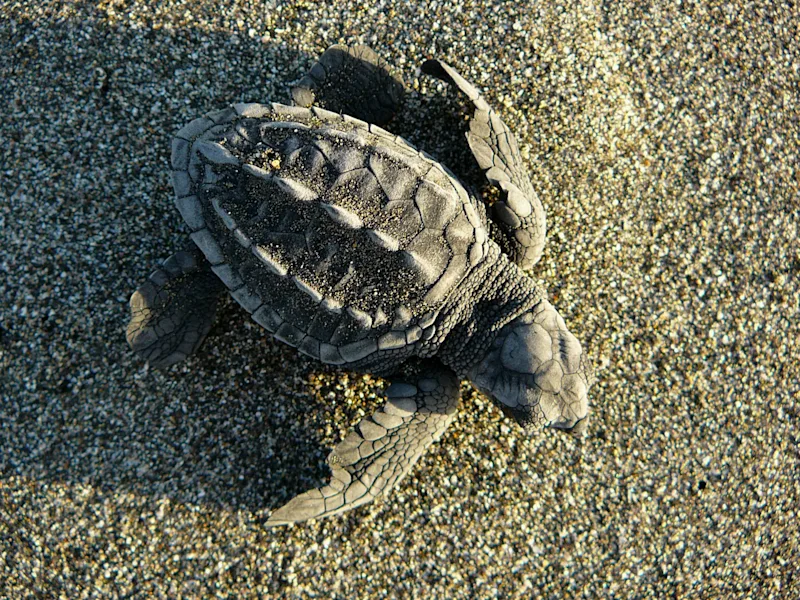
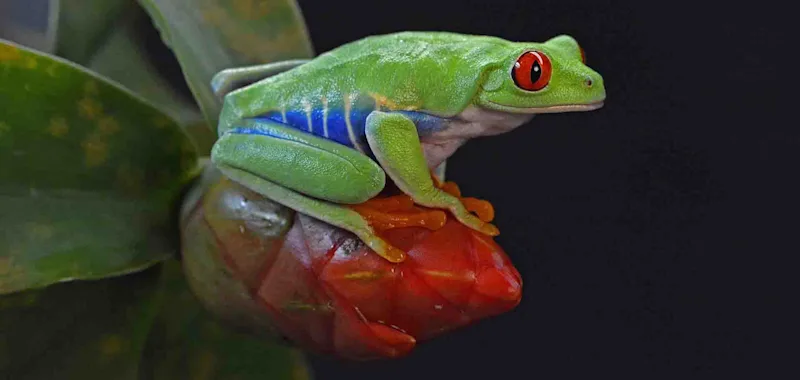
Thankfully, the country of Costa Rica recognized the gift of its incredible biodiversity early on, and began protecting it with an extensive network of national parks, wildlife refuges and biological reserves. Our four Costa Rica itineraries visit numerous protected areas; here are just five of our favorite.
Nature & Wildlife
When the World Wildlife Fund (WWF) released its Living Planet Report 2014 on September 30, it wasn’t the usual doom-and-gloom environmental news story that is forgotten the next day.