WWF Report: 52 Percent of the World’s Biodiversity Is Gone

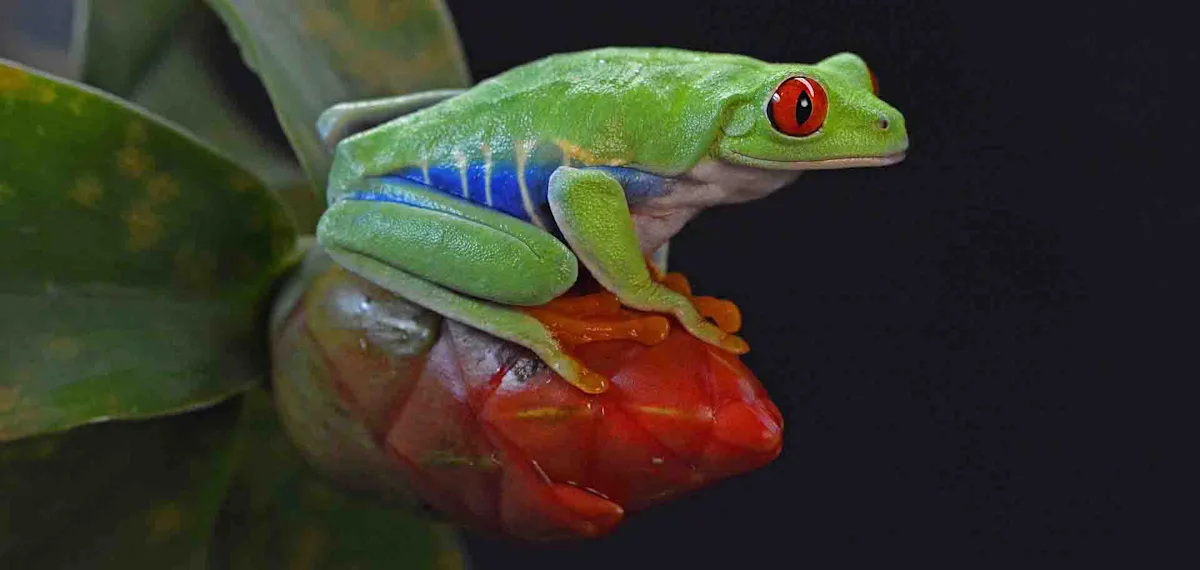
When the World Wildlife Fund (WWF) released its Living Planet Report 2014, opens in new tab on September 30, it wasn’t the usual doom-and-gloom environmental news story that is forgotten the next day. The report—the result of a science-based study using 10,380 populations from 3,038 species of amphibians, birds, fish, mammals and reptiles from around the globe—is garnering worldwide attention for its sit-up-and-take-notice findings: between 1970 and 2010, the planet has lost 52 percent of its biodiversity.
In the same 40-year period, the human population has nearly doubled.
Those figures take a while to sink in, especially since the previous WWF report that analyzed animal populations, published in 2012, showed a decline of only 28 percent over a similar time frame.
Using up an Earth-and-a-half every year
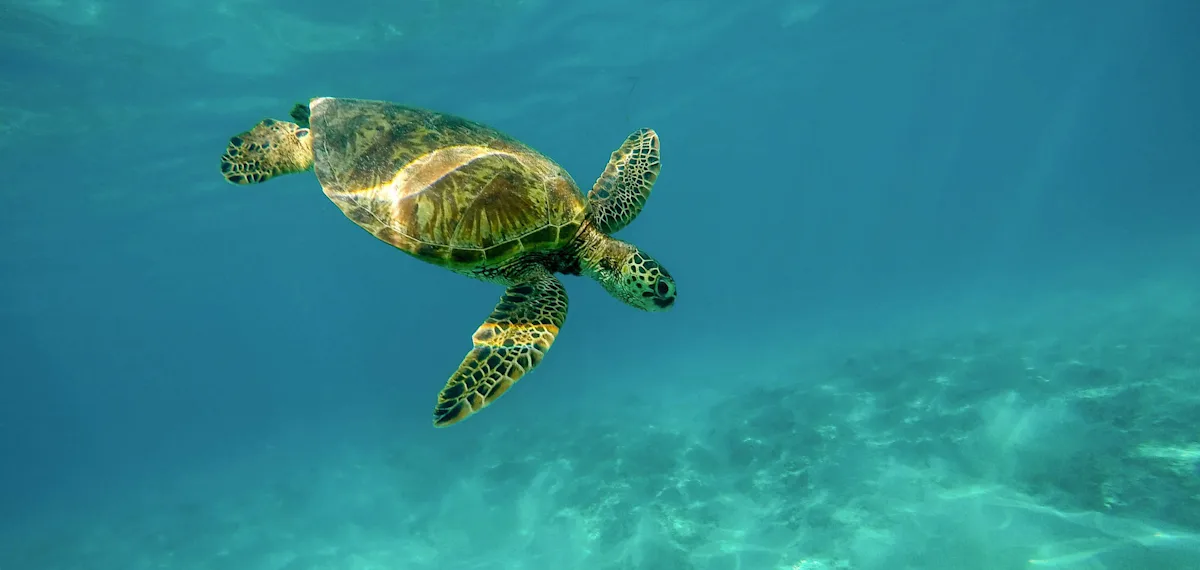
Specifically, the WWF biennial report found that we have lost 76 percent of freshwater wildlife, 39 percent of terrestrial wildlife and 39 percent of marine wildlife since 1970. While some animal species numbers are increasing and some are stable, the declining populations are decreasing so rapidly that the overall trend is down. Latin American biodiversity took the biggest plunge, diminishing by 83 percent.
Elsewhere in the tropics, populations are down 56 percent. Temperate zones fared better, with a loss of 36 percent; while terrestrial animal populations in parks and wildlife refuges are down 18 percent, indicating that protected areas can limit losses. Low-income countries are suffering a disproportionately greater loss of biodiversity: a 58 percent decline. While high-income countries actually showed a 10 percent increase in biodiversity, a loss of 18 percent in middle-income countries and the astounding figure for low-income countries cancelled those gains out.
Despite the fact that low-income countries are suffering the greatest ecosystem losses, high-income countries are using five times the ecological resources that they do. Those living in high-income countries are consuming more resources per person than nature can replenish, which means that per capita ecological footprints in high-income countries are greater than the amount of biocapacity (the ability of an ecosystem to produce useful biological materials for food, fuel, building and other needs and to absorb carbon dioxide emissions) available per person. People residing in middle- and low-income countries have had little increase in their per capita footprints over the same time period.
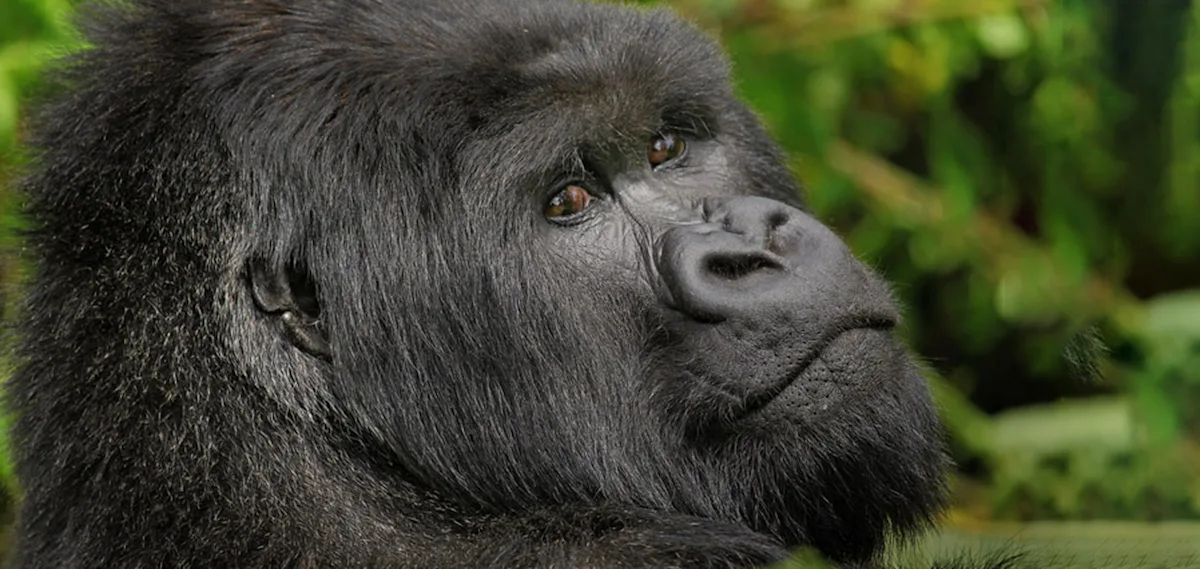
Those statistics boil down to the fact that every year, we use 1.5 planet’s worth of natural resources. If we all lived the lifestyle of a typical United States resident, we would need 3.9 planets per year. If we all had the footprint of the average citizen of Qatar, we would need 4.8 planets. The term “overshoot day” is defined as the date when we have used up our annual supply of renewable resources and start spending down the Earth’s natural capital. In 2014, that day was August 20.
Climate change contributes to the loss
The cause for this staggering demise in biodiversity is human activities. We have degraded natural habitats by clearing forests, plowing grasslands and polluting waters; and have overhunted the land and overfished the oceans. A single culprit, climate change, is now responsible for 7.1 percent of the current declines in animal populations, but its toll is on the rise.
The amount of carbon in our atmosphere has risen to levels not seen in more than a million years, triggering a warmer worldwide climate and wildlife crises. Just a few days ago, on October 1, 2014, ClimateProgress, opens in new tab reported that an estimated 35,000 walruses came ashore in record numbers on a beach in northwest Alaska. Summer sea ice in the Arctic is disappearing, keeping these walruses from their preferred sea ice outposts. NASA reported that 2014 had the sixth-lowest amount of sea ice, opens in new tab recorded since 1978.
Smaller footprints will add to the gains
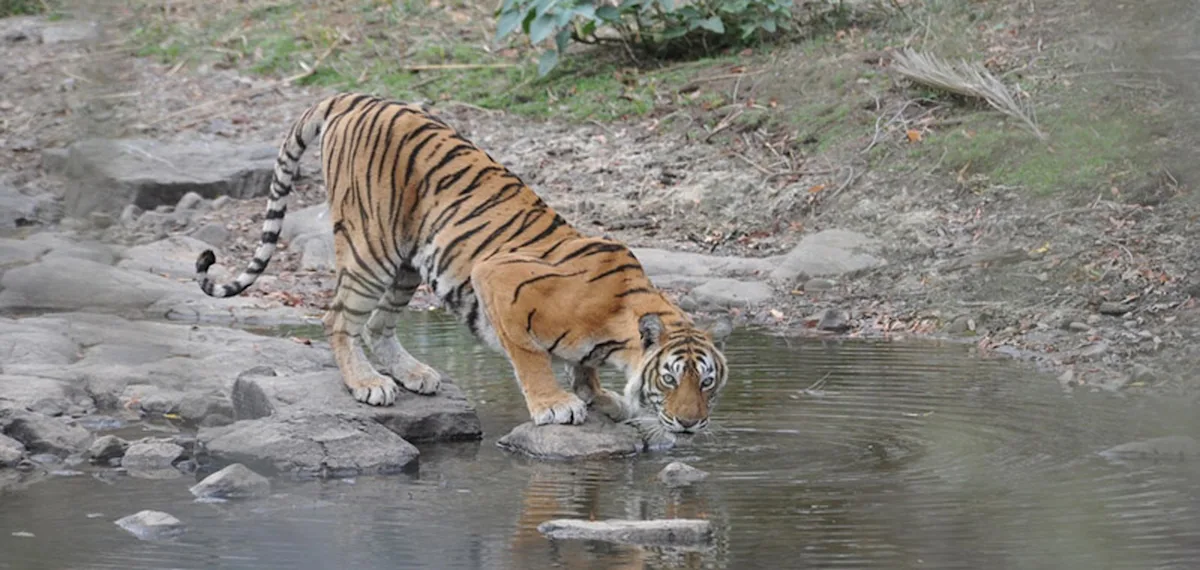
While the WWF Living Planet Report 2014 is distressing, it notes some conservation success stories. Mountain gorillas in Africa are rebounding in the Democratic Republic of the Congo, Rwanda and Uganda due, in part, to ecotourism. And after the Nepalese government cracked down on poaching in five protected areas, the nation’s tiger population, opens in new tab started to increase.
The declining trend in worldwide biodiversity can be mitigated and reversed. To achieve sustainability again, each country’s per capita ecological footprint must be less than the per capita biocapacity available, while still maintaining a decent standard of living for its people. WWF suggests we can do that by shifting to smarter food and energy production; consuming responsibly at corporate, government and personal levels; and putting a high value on natural capital when making policy and development decisions. Just two countries account for a third of the world’s total ecological footprint: China, at 19 percent, and the United States, with nearly 14 percent.
Perhaps those who take the most from the world should be the ones working the hardest to replenish it.
Here’s to finding your true places and natural habitats,
Candy