Good Nature Travel Blog

  • News & More

    Thanksgiving: Crops, Chemicals and Climate Change

    Nov 17, 2026 · Candice Gaukel Andrews

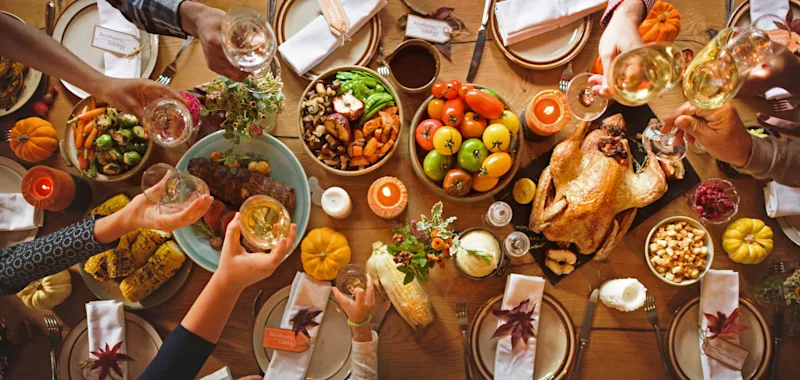
    The Thanksgiving holiday is rooted in fall harvests. It brings family, Indigenous crops and modern agriculture together. Today, it also brings climate change to the table. Unfortunately, climate change is silently sapping the nutrients from our food.

  • Nature & Wildlife

    Our Beautiful, Singular, Habitable World

    Nov 10, 2026 · Candice Gaukel Andrews

    The question of whether Earth is alone in harboring life has captivated humanity for millennia. Likewise, other planets that could support human communities have stoked our imaginations for decades, resulting in books, films and other artworks that show us thriving on distant celestial bodies.

  • Conservation

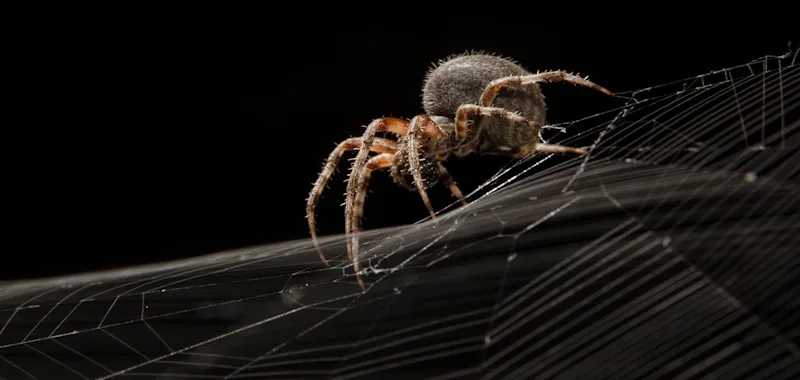
    Arachnids: Fanciful Names for the Fearful

    Oct 27, 2026 · Candice Gaukel Andrews

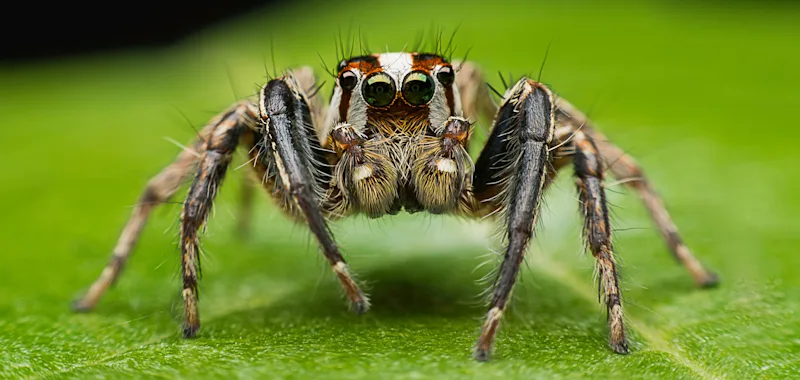
    Arachnids—such as scorpions, harvestmen (daddy longlegs) and spiders—often trigger feelings of fear or disgust. Despite such reactions, these animals play an essential role in maintaining healthy ecosystems. They act as vital food sources, master pest controllers and drivers of human and soil health.

  • Nature & Wildlife

    Eerie Experiments and Scary-Sounding Science

    Oct 20, 2026 · Candice Gaukel Andrews

    Ethereal ghosts, bodiless brains, spooky spiders, hairy wolves, slimy eyeballs, creepy cyclops, shadowy bats and severed limbs. What more could you want for Halloween? I’m guessing not much, and there’s a one-stop shop for all of it: science.

  • Nature & Wildlife

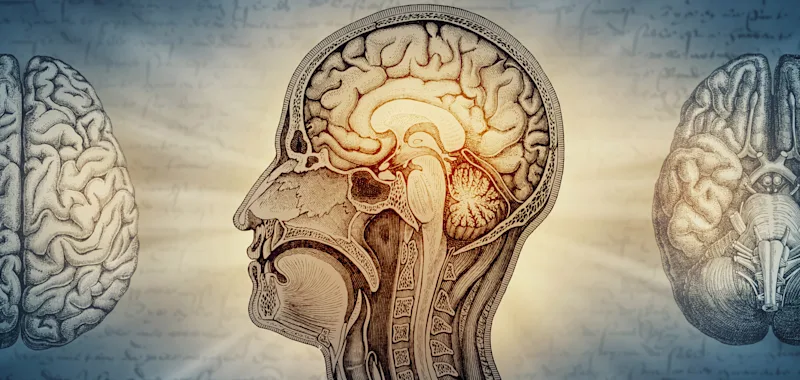
    Brains … Brains! Human and Animal.

    Oct 13, 2026 · Candice Gaukel Andrews

    One of the scariest movies I have ever seen is the 1968 film Night of the Living Dead. In 1985, it was followed by the flick Return of the Living Dead. That movie created the pop-culture trope that zombies specifically crave and shout for brains.

  • African Safaris

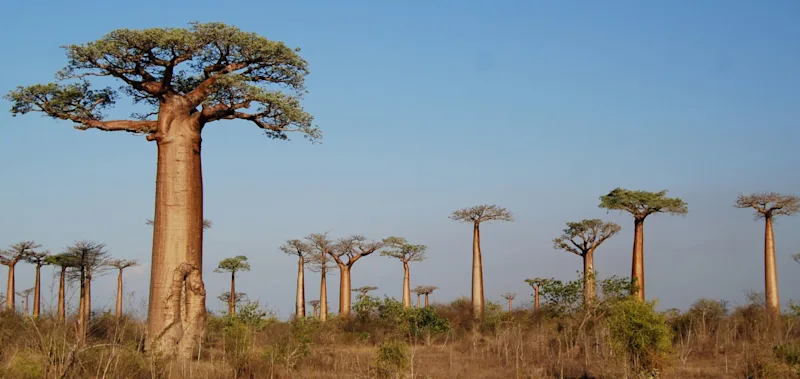
    The Baobab Tree: An African Icon and Longtime Legend

    Oct 12, 2026 · Laura Kiniry

    With its bulbous shape and canopy resembling an upside-down root system, the baobab tree symbolizes the African continent. Its origins are also the stuff of legend…literally.

  • Nature & Wildlife

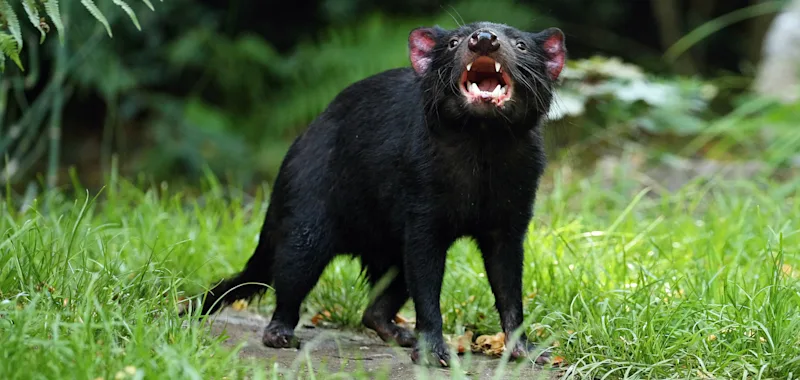
    Devils on Halloween and in Nature

    Oct 6, 2026 · Candice Gaukel Andrews

    As soon as the month of October starts, your thoughts probably turn to spooky fun as we lead up to October 31 and Halloween.

  • Latin America

    5 Strange Species to See in Brazil’s Pantanal

    Sep 28, 2026 · Maddi Higgins

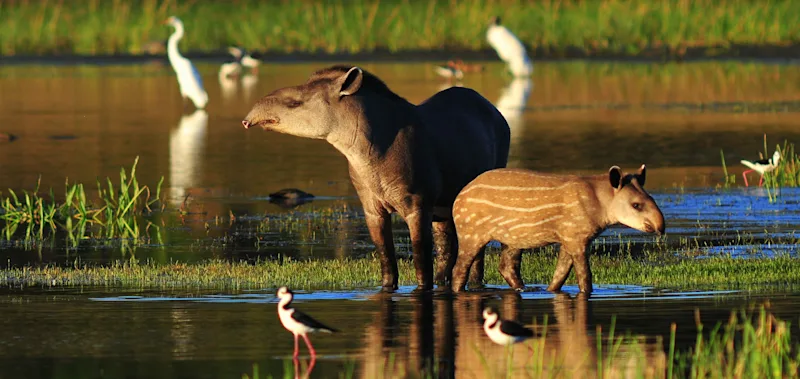
    National Geographic called Brazil’s Pantanal “the Wild Wet,” an appropriate name for a vast area of untouched wetlands teeming with wildlife. The region harbors one of the greatest concentrations of wildlife in South America, including 159 mammal species.

  • Nature & Wildlife

    Bolts from the Blue: Sky and Sea Migration Shockers

    Sep 22, 2026 · Candice Gaukel Andrews

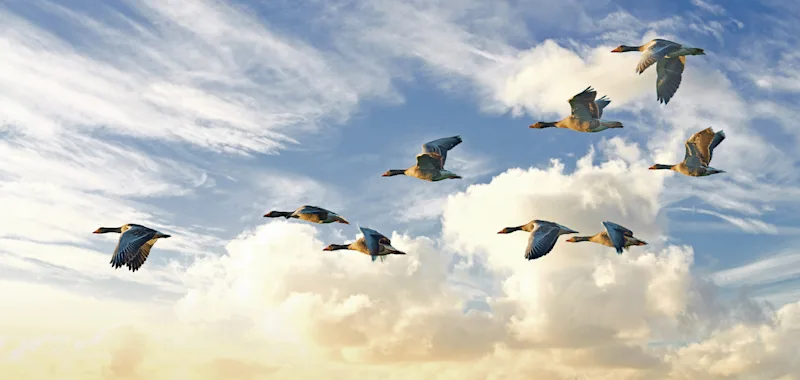
    I’m not a fan of escaping winter; in fact, I think it’s an endangered “species” that we need to cherish while we still have it. But millions of birds appear to disagree with me. Every year, they migrate in huge flocks to escape the season.

  • African Safaris

    6 Pygmy Wildlife Species and Where to Find Them

    Sep 8, 2026 · Laura Kiniry

    When it comes to wildlife, the term ‘pygmy’ refers to animals that are smaller in size than their more typical counterparts. In many cases, these reduced measurements also result in them being unbelievably cute.

  • Nature & Wildlife

    Antarctica Holds the Secret to Sociality on Mars

    Sep 8, 2026 · Candice Gaukel Andrews

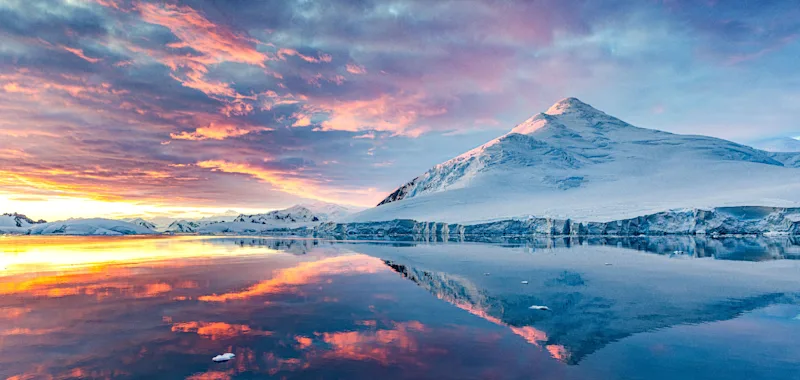
    Antarctica has always been—for lack of another, less trite description—“otherworldly.” It’s clear, clean air and wild, untouched mountains hardly seem part of this planet. But that depiction of the icy continent is usually meant in a metaphorical sense. Now, however, it has taken on a more literal meaning.

  • African Safaris

    The Singing Lemurs of Madagascar

    Sep 4, 2026 · Megan Brief

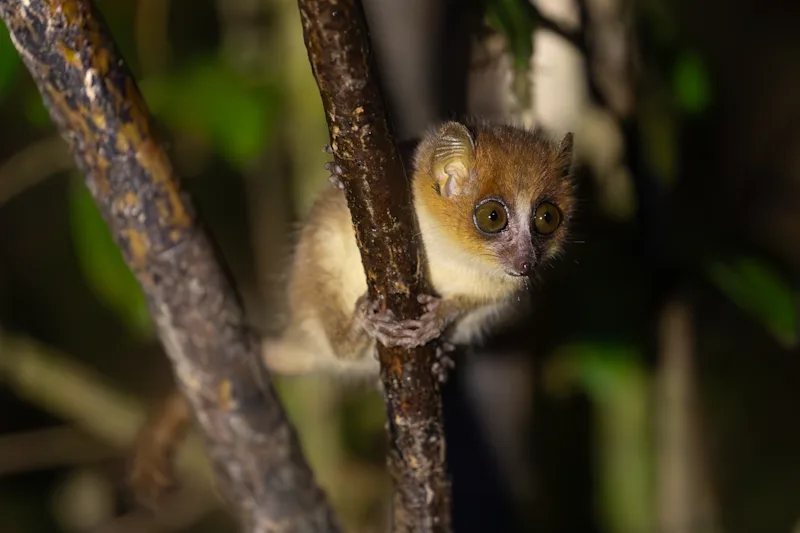
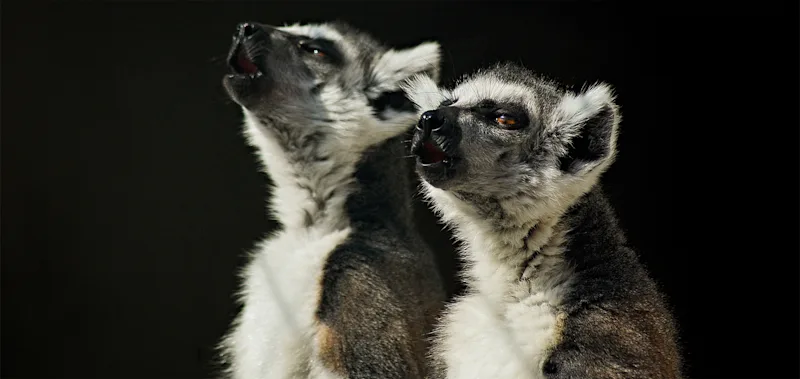
    Often referred to as the “eighth continent,” the island nation of Madagascar has developed its own distinct ecosystems and extraordinary wildlife since it split from the African continent an estimated 160 million years ago. Approximately 95% of Madagascar’s reptiles, 89% of its plant life and 92% of its mammals exist nowhere else on Earth.