Good Nature Travel Blog

  • Nature & Wildlife

    The Wonder of Wolf Watching

    Aug 21, 2019 · WWF

    There are so many positive reasons why humans seek out animals. Often, we just want to get a glimpse into their lives, to watch their bodies move across the landscape, to see how they struggle and how they thrive in nature.
  • Churchill Polar Bears

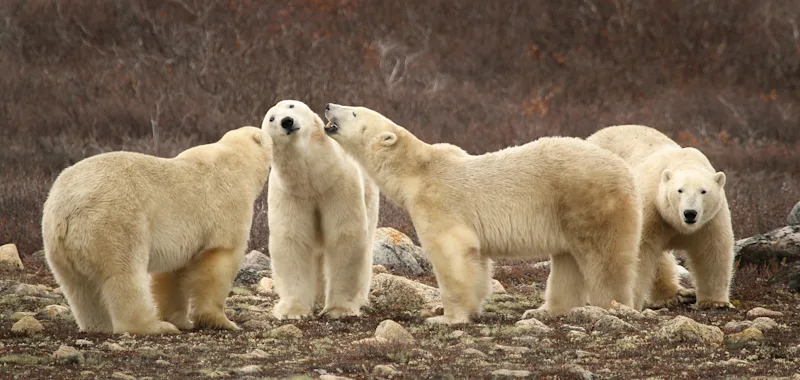
    Black, Grizzly and Polar Bears Now All Found in Churchill

    Jul 30, 2019 · Candice Gaukel Andrews

    For the first time, North America’s three bear species—black, grizzly and polar—have been documented sharing the same spot. And that spot happens to be one that is very dear to Natural Habitat Adventures and its travelers: Churchill, Manitoba, Canada, our polar bear tour headquarters.

  • Galapagos Islands

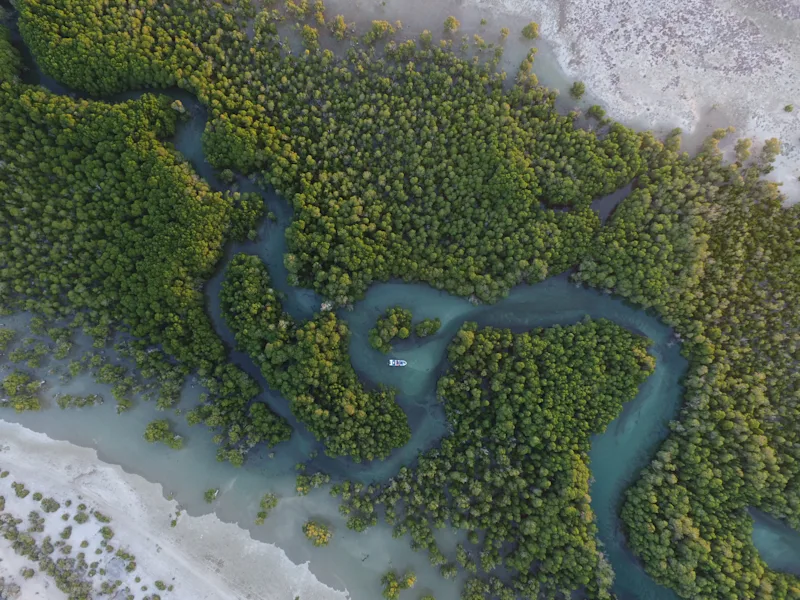
    Are Mangroves Your Next Destination?

    Jul 10, 2019 · Hannah Wagner

    They should be! A recent study by The Nature Conservancy revealed the benefits of tourism on mangrove forests. Though they are not always the star of the show, mangrove forests are widely visited by tourists. Over 4,000 mangrove attractions across 93 countries bring out millions of visitors.

  • Nature & Wildlife

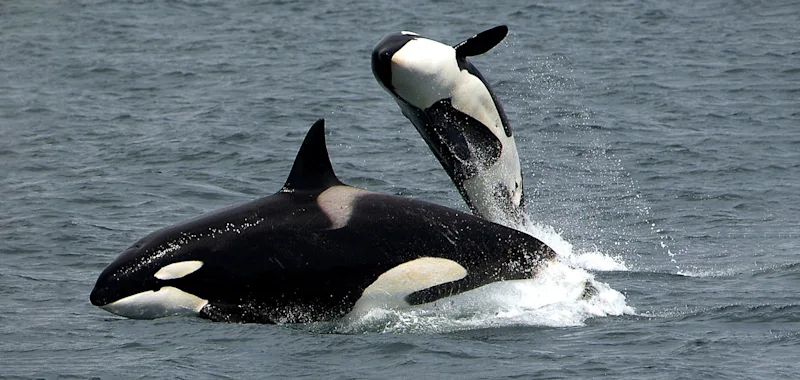
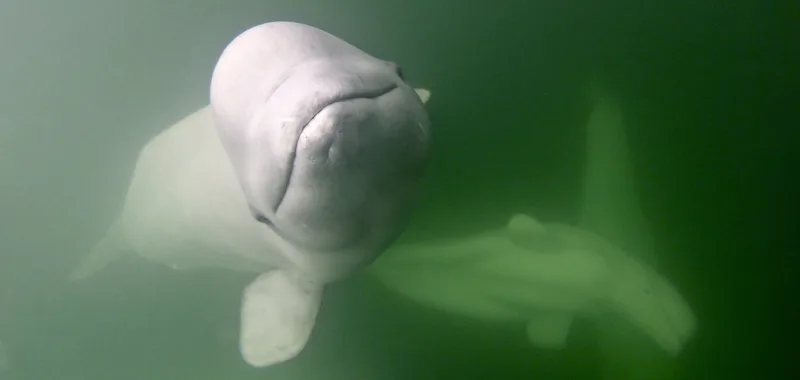
    Will We Soon Be “Talking” with Dolphins and Whales?

    May 28, 2019 · Candice Gaukel Andrews

    Much like us, other animals have “languages” that they use in order to communicate with members of their own species. For example, prairie dogs have developed different “words” to describe various predators—barks, squeals and squeaks that contain different numbers of rhythmic chirps and frequency modulations to distinguish which one is currently after them.

  • Nature & Wildlife

    6 places on Our Planet where WWF works

    May 9, 2019 · Hannah Wagner

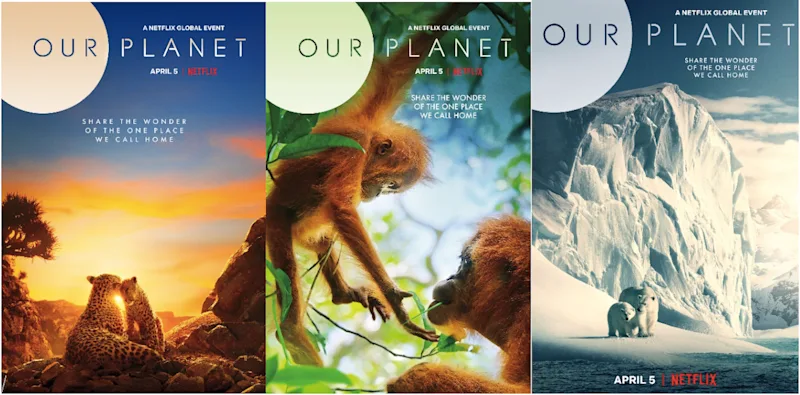
    Our Planet developed a sense of urgency. The 8-part series, which can be streamed on Netflix, has created conversation on the danger wildlife faces. Listening to Sir David Attenborough’s voice bellow over sweeping scenes of fragile beauty is both relaxing and upsetting.

  • Nature & Wildlife

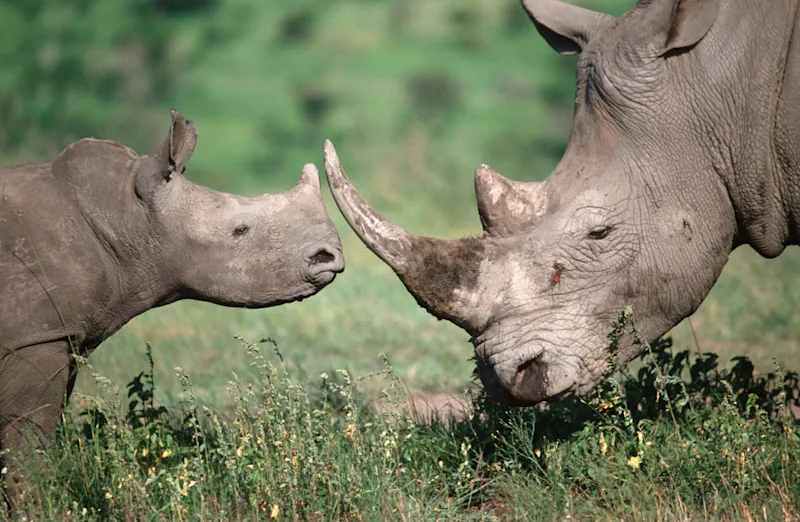
    QUIZ – How to Differentiate African Rhinoceroses

    May 1, 2019 · Hannah Wagner

    Aren’t all rhinos gray? Technically, no. Spanning the lower and eastern part of the continent of Africa, the black rhino and white rhino roam like prehistoric giants balancing precariously on the edge of being lost. The black rhino is critically endangered, and the white rhino is near threatened.

  • Conservation

    Conservation Inspiration from Our Planet: 7 Ways You Can Help

    Apr 27, 2019 · Emily Goodheart

    Brilliant and skillful in its storytelling, the emotions Our Planet evokes are all at once awe-inspiring, mesmerizing and heart-wrenching. This gripping portrait of the critical condition of our planet highlights key conservation issues, which can be boiled down to one problem: our world is becoming less wild.

  • Nature & Wildlife

    The Our Planet Species You Can See with Nat Hab & WWF

    Apr 23, 2019 · Emily Goodheart

    Our Planet brilliantly encapsulates the idea that our wild places are worth protecting. Detailed within each episode are accounts of spectacular natural phenomena, such as the super blooms that occur once every decade in California’s deserts after a cloudburst.

  • Videos

    Earth Day 2019: Share Your Favorite, Coolest Nature Video

    Apr 16, 2019 · Candice Gaukel Andrews

    Next Monday, April 22, 2019, the world will mark its 49th Earth Day. The first Earth Day, held on April 22, 1970, was inspired by Wisconsin Senator Gaylord Nelson, who modeled it on the antiwar protests of the late 1960s. The original Earth Day began on university campuses as a national “teach-in” on environmental issues.

  • Conservation

    Our Planet Book Review | A Call to Action to Save Our Wild Places

    Apr 5, 2019 · Emily Goodheart

    Our Planet takes us on a journey through the earth’s biological realms, highlighting its rarest creatures and hidden natural wonders. This photographic companion to the Netflix original documentary series details the ways humans are affecting the world’s ecosystems and urges us to collectively preserve wild places and species.