The Wonder of Wolf Watching

There are so many positive reasons why humans seek out animals. Often, we just want to get a glimpse into their lives, to watch their bodies move across the landscape, to see how they struggle and how they thrive in nature. At the heart of that, I think, is how those moments watching an animal can make us feel. It can be exciting, scary, sad, funny, amazing and, if we’re lucky, leave us with a sense of wonder and a connection to something wild.
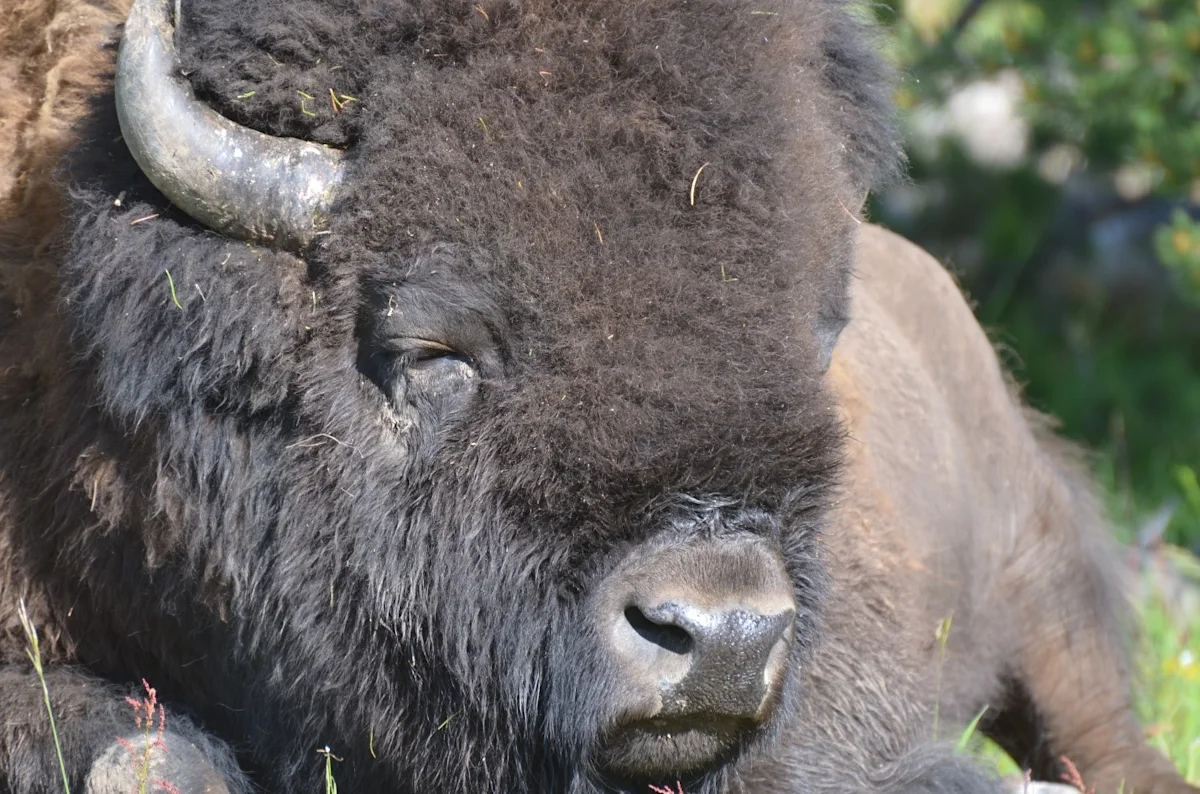
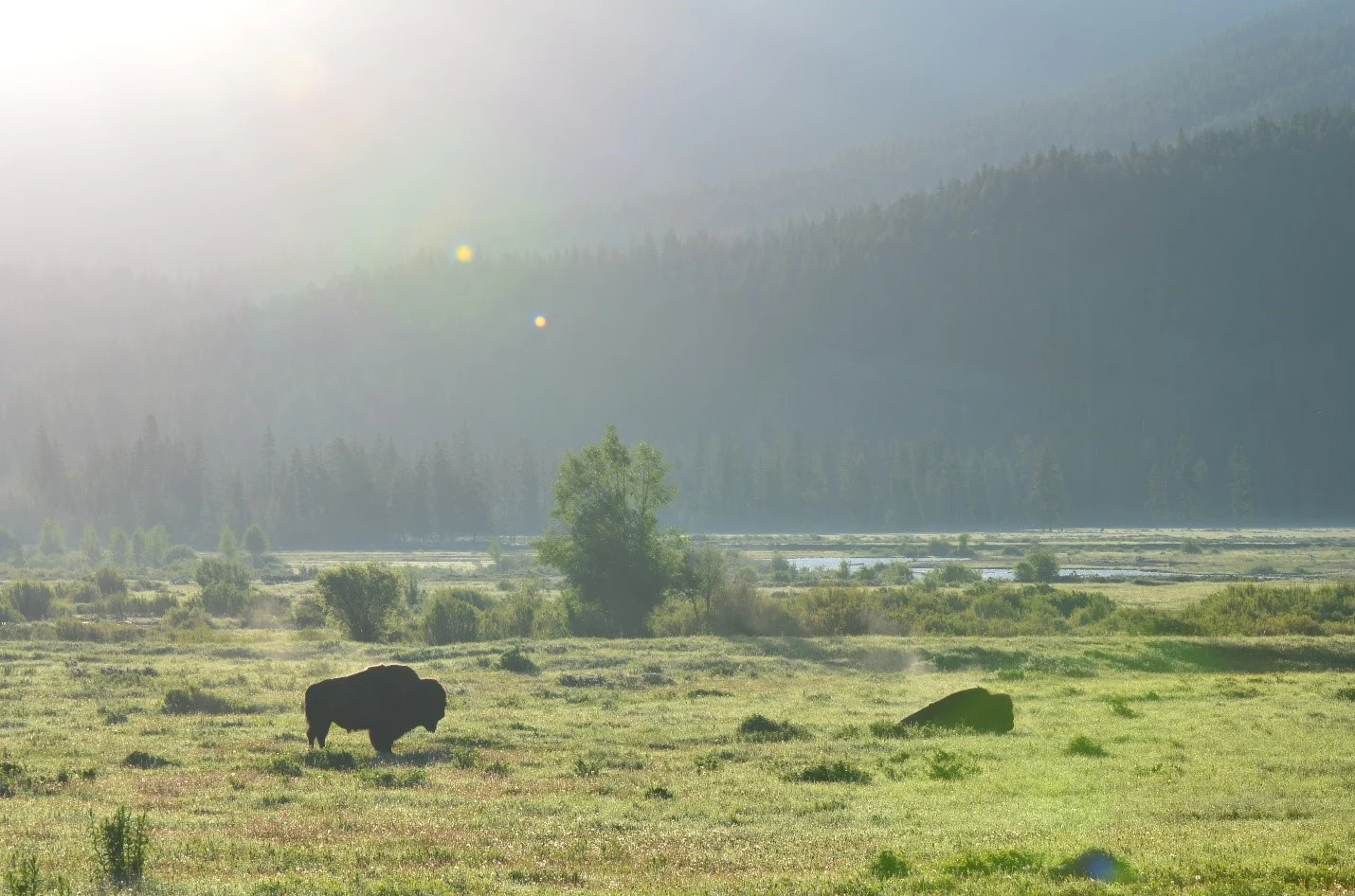
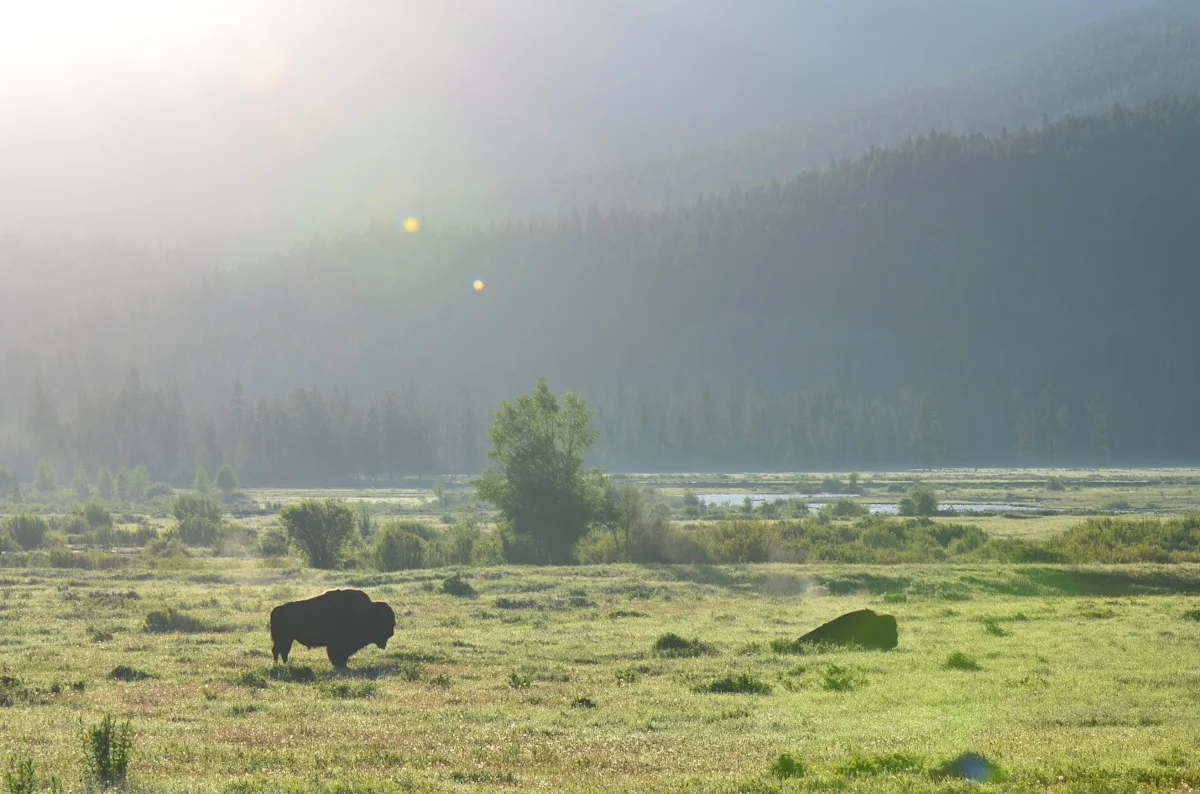
Yellowstone is a place where this happens. Huge herds of bison, opens in new tab roam close to the roads, frequently walking next to cars or even laying down in the middle of the pavement. Wolves chase elk, grizzly bears graze in meadows with their cubs, mountain goats cling to unbelievably exposed, rocky edges and pronghorn sprint with the speed of light across the valleys. It is a special place, where conservation has succeeded in many ways. But, the beauty of Yellowstone is hardly a secret.
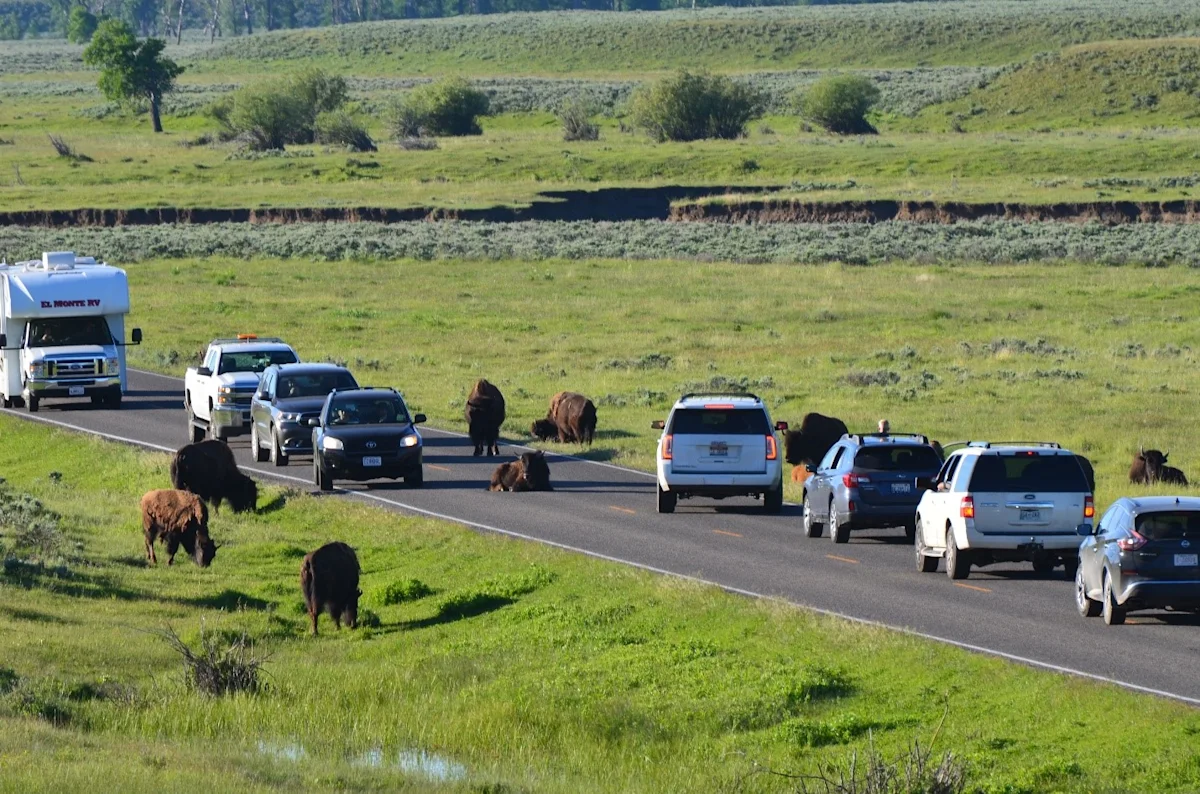
Millions of people visit Yellowstone every year, and even though this can feel a bit too busy at times, it seems clear that people make the difficult trip to the park, often sitting in cars for many long hours, because they are interested in trying to experience, or even just see nature. The wolf watchers, and the random tourist that they attract, are truly the best example of this. The Expedition Leader on our photo safari trip toYellowstone knew that we, like those random tourists, would also get sucked into the excitement of waiting and watching for wolves.
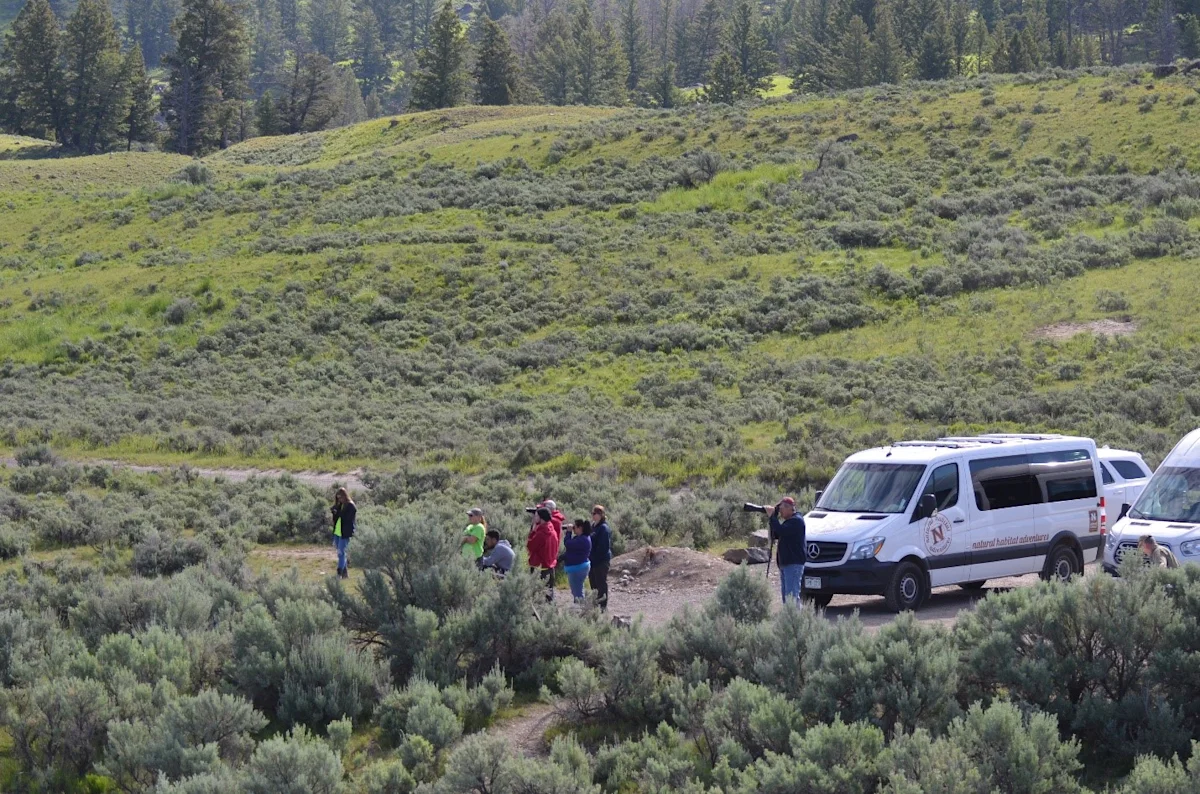
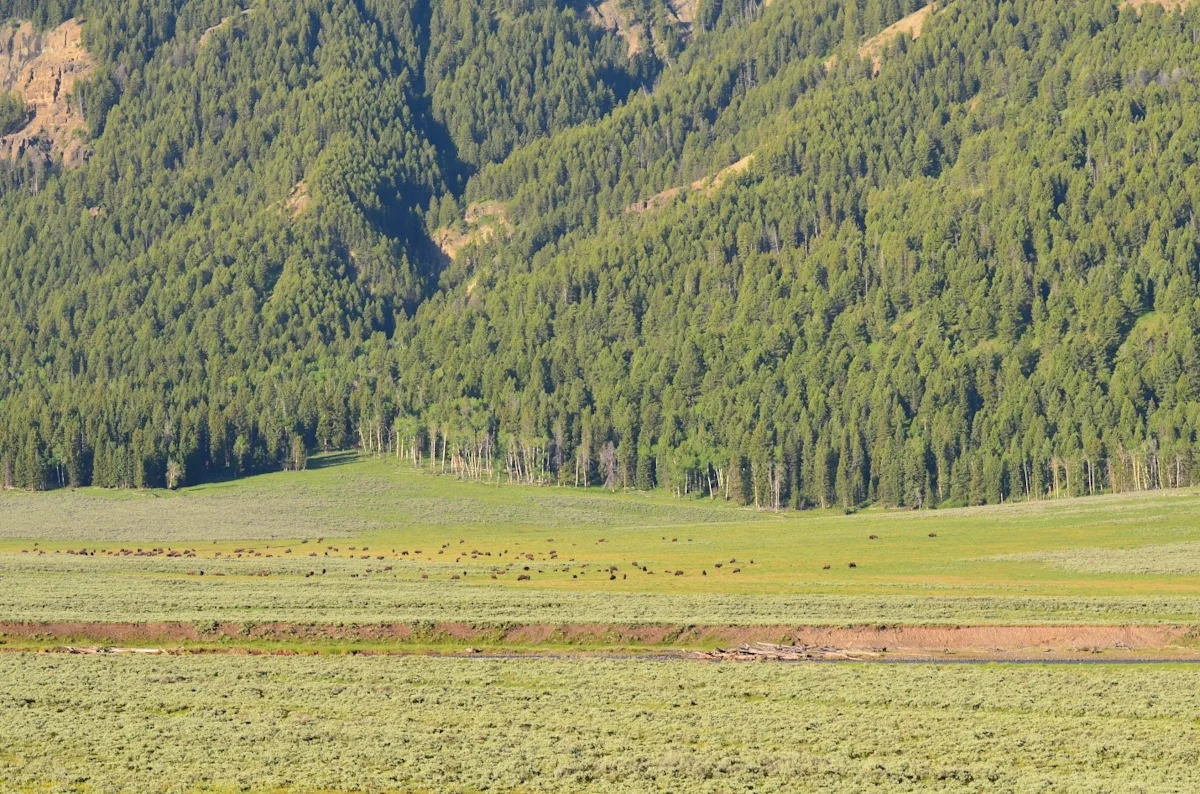
Wolf watching in Yellowstone is very serious. Groups of people set up along the road with their long lenses or their spotting scopes with iPhone attachments, waiting hours upon hours for the possibility of a mere glimpse of a wolf at distances of up to a kilometer away. I had spent time in Yellowstone and knew that spending a morning in the Lamar Valley wolf watching would be fun, but I could see that the others in our group were entirely skeptical–at least in the beginning. Then more people began to arrive. Next, the stranger next to us offers us a glimpse into his scope-iPhone setup.
Soon people start whispering about where the wolf was last seen, and what it was seen doing. Is that a carcass over there? Are those bison moving because there’s a wolf walking by? And then it happens. We see a lone black wolf, opens in new tab walk between the sagebrush and lay down in front of a limping bison! Will it get up and try for the bison? What is it waiting for? The excitement was building and everyone in the group was glued to their lenses or hopping around to all the other neighboring lenses. Everyone shared in the excitement together, telling stories about wildlife sightings, knowledge about wolf ecology and guessing about what the wolf would do and what that timeline would look like. In the blink of an eye, two hours passed by and it was time to move on to our next adventure. We packed up and left, but the wolf watchers remained.
In the end, I’m still not sure we all saw the wolf, but I know we all felt something.
By Angela Brennan, WWF
Can you spot the wolf?