






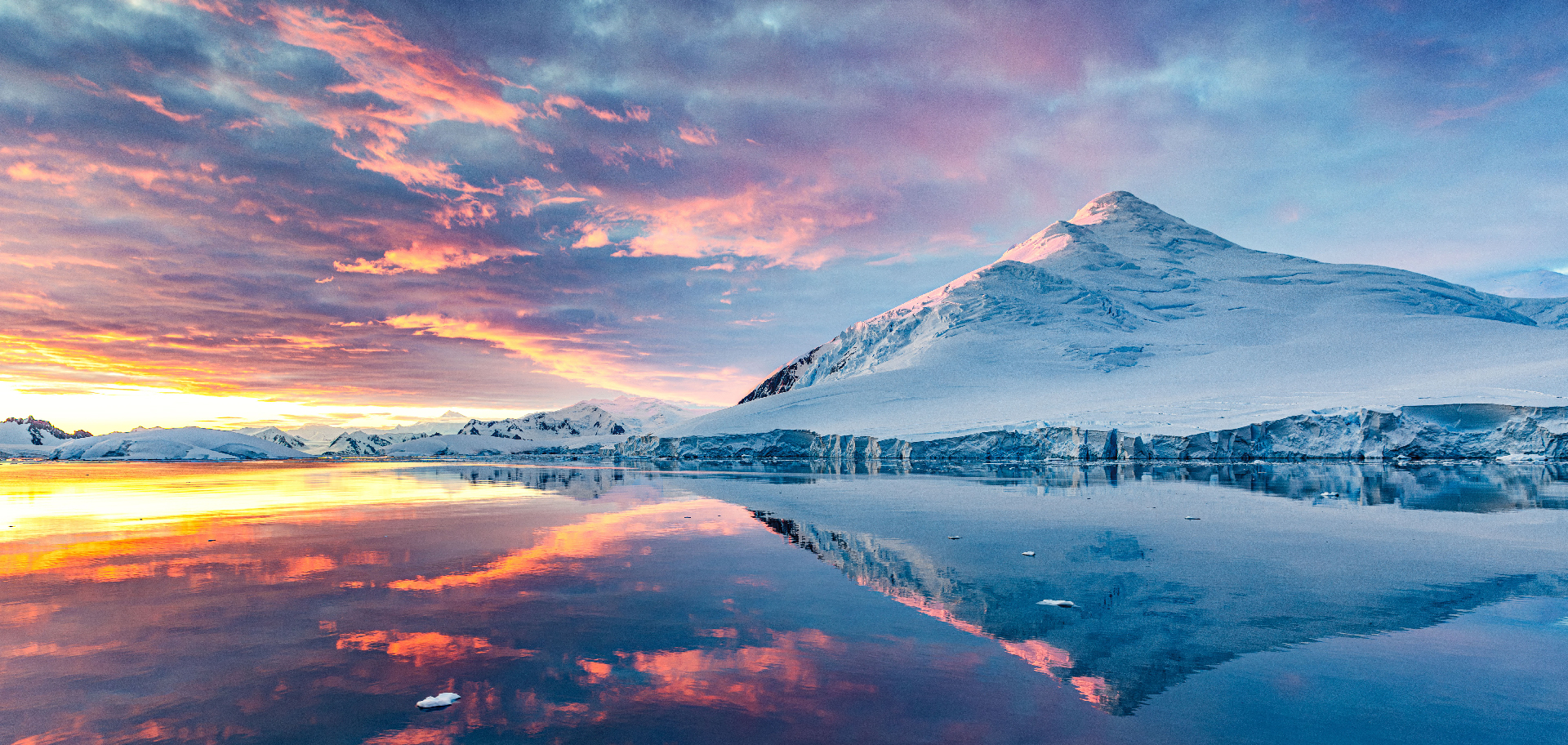
Antarctica is a vast, ice-covered realm that feels more like an alien moon than a place on Earth. It is the coldest, driest, highest and windiest continent, featuring dramatic mountain peaks and an overwhelming sense of profound isolation and silence.
Antarctica has always been—for lack of another, less trite description—“otherworldly.” It’s clear, clean air and wild, untouched mountains hardly seem part of this planet. But that depiction of the icy continent is usually meant in a metaphorical sense. Now, however, it has taken on a more literal meaning. That’s because our southernmost landmass was recently a stand-in for Mars and a look at how the first colonists there might react to their new living conditions.
A recent, 10-month experiment in Antarctica found that travelers to Mars may struggle not only with loneliness but also with spending too much time around the same people. In fact, frequent contact was linked to greater mistrust and tension, while the trial crew increasingly divided into cultural and language-based groups.
Sociality in us and in other animals is a complex and intriguing subject. New research that is the first study on this topic—and which spans the animal kingdom from jellyfish to humans—reveals that more social species live longer and produce offspring for a greater length of time.
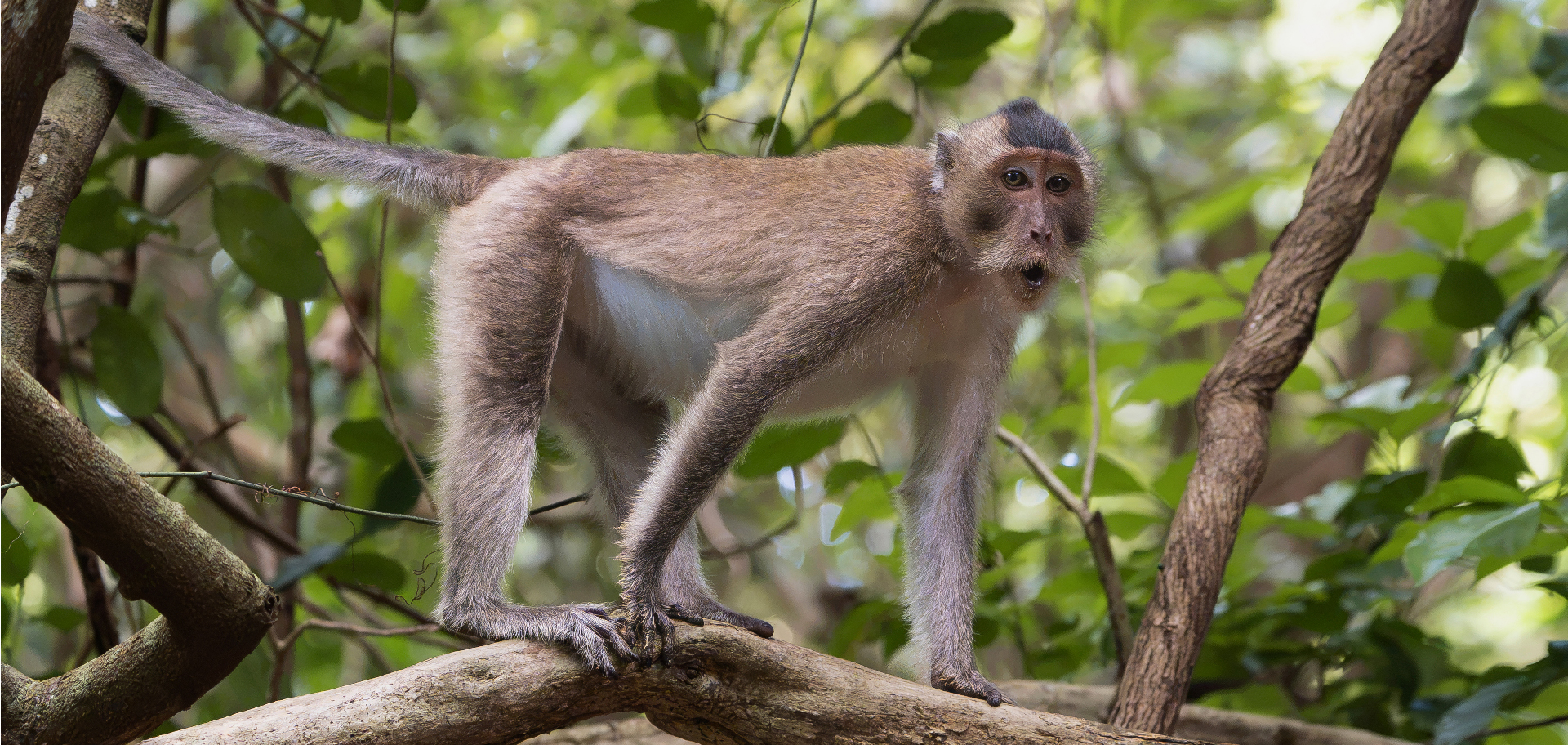
Found across Southeast Asia, long-tailed macaques are unique for being the only old-world monkeys known to use stone tools, such as rocks, to crack open nuts and shellfish. Based on social rank, individuals from two, independent populations even developed the unusual habit of washing their food.
Social rank is another provocative matter. It may determine whether an animal prioritizes immediate fitness over long-term health. Researchers studying long-tailed macaques on an island in Thailand found that the animals’ unusual habit of washing their food is based on social rank. Dominant monkeys quickly brush their food on their fur before eating it—along with mouthfuls of tooth-degrading sand—while lower-ranked monkeys obsessively wash their food in the surf. This indicates that high-ranking macaques want to quickly consume energy to fend off challengers and mate. The food-washing monkeys, however, may be preserving their long-term health to produce more offspring over time. This revelation could shed light on how the wear observed in the fossilized teeth of early humans relates to social structure.
More social species live longer
It’s long been assumed that social organisms enjoy benefits such as better protection from predators, shared resources and added support when raising offspring. However, by living in more tightly packed groups, social organisms may suffer disadvantages, such as aggression, increased competition, conflicts and the spread of diseases.
To investigate these premises, researchers from England’s University of Oxford assessed the benefits and costs of sociality, such as generation times, the length of reproductive windows and life expectancies. Up until now, such research evaluating the overall impacts of sociality has focused on single groups or species, such as birds or some mammals. Using information from the COMADRE Animal Matrix Database, the University of Oxford scientists looked at 152 animal species from a wide variety of taxonomic groups, including birds, corals, insects and mammals.
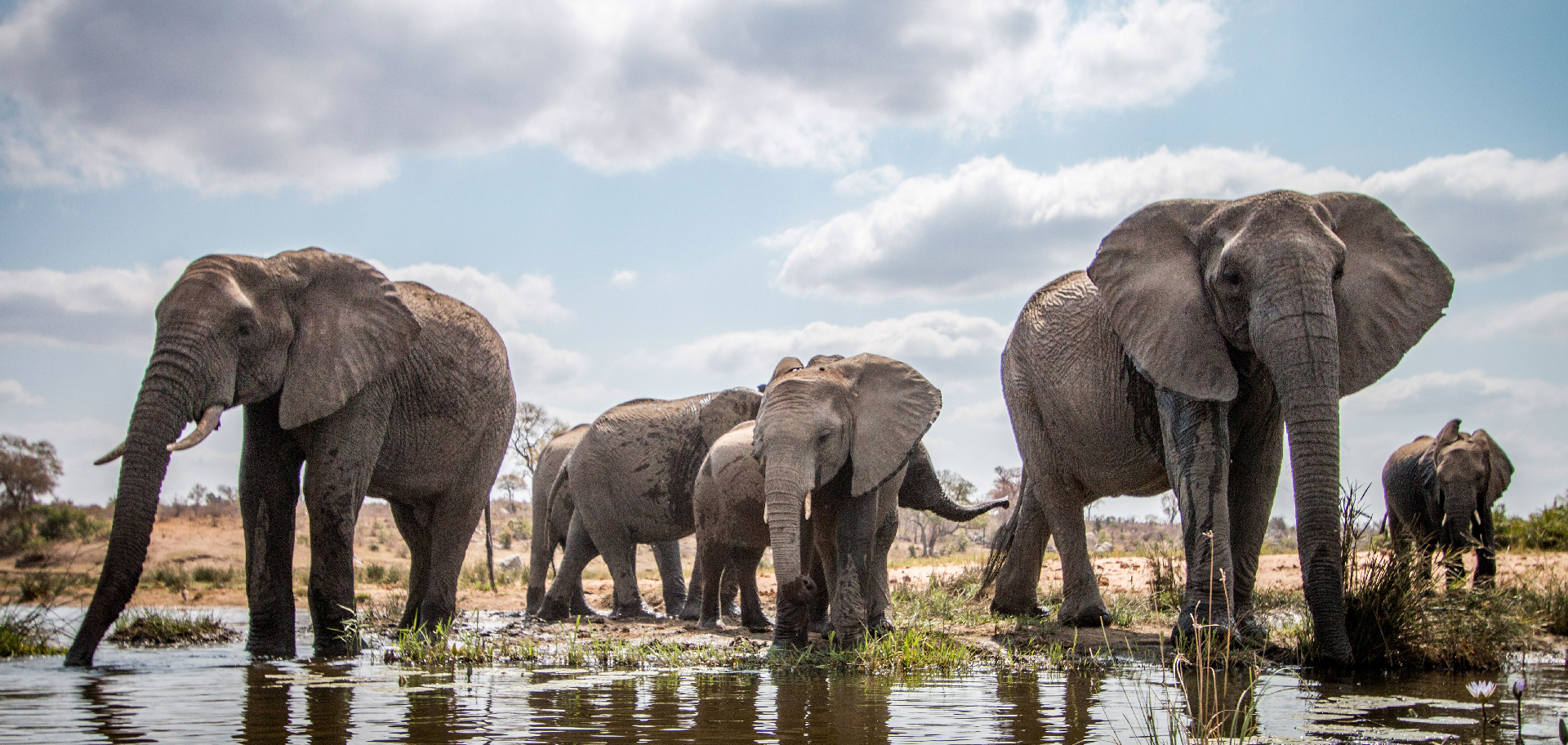
Elephants are classified as social animals. They live in close proximity and form stable, organized groups; and they engage in social behaviors such as cooperative breeding and hierarchical structures.
The results published in the journal Philosophical Transactions of the Royal Society B in December 2024, showed that more social species (like elephants, flamingos, humans, most monkeys and parrots) live longer, postpone maturity and are more likely to reproduce successfully than more solitary species (like some fish, some insects and reptiles). While social species may not be the best at adapting to and benefiting from a rapidly changing environment, they are often more resilient as a group. This novel finding supports the hypothesis that, even though sociality comes with some obvious costs, the overall benefits are greater.
The study also revealed that sociality does influence the reduction in an animal’s ability to reproduce or survive as they age, known as senescence. For example, social allies may help protect against predation, increasing lifespans, but the stress of social hierarchies and conflicts can have the opposite effect.
Whereas previous studies have tended to class sociality as a binary category (a species is either social or not social), this study recognized that sociality exists as a spectrum across animal species, with distinctions such as:
• solitary: individuals spend their time alone, except to breed (e.g., tigers);
• gregarious: individuals spend time in groups, but social interactions are loose (e.g., flock-forming birds, wildebeests and zebras);
• communal: individuals live in close proximity and often share a common nesting or dwelling area, but do not engage in cooperative breeding (e.g., purple martins);
• colonial: individuals live in close proximity and always share a common nesting or living area (e.g., coral polyps, nesting birds and some wasps);
• social: individuals live in close proximity and form stable, organized groups, engaging in social behaviors, such as cooperative breeding and hierarchical structures (e.g., elephants).
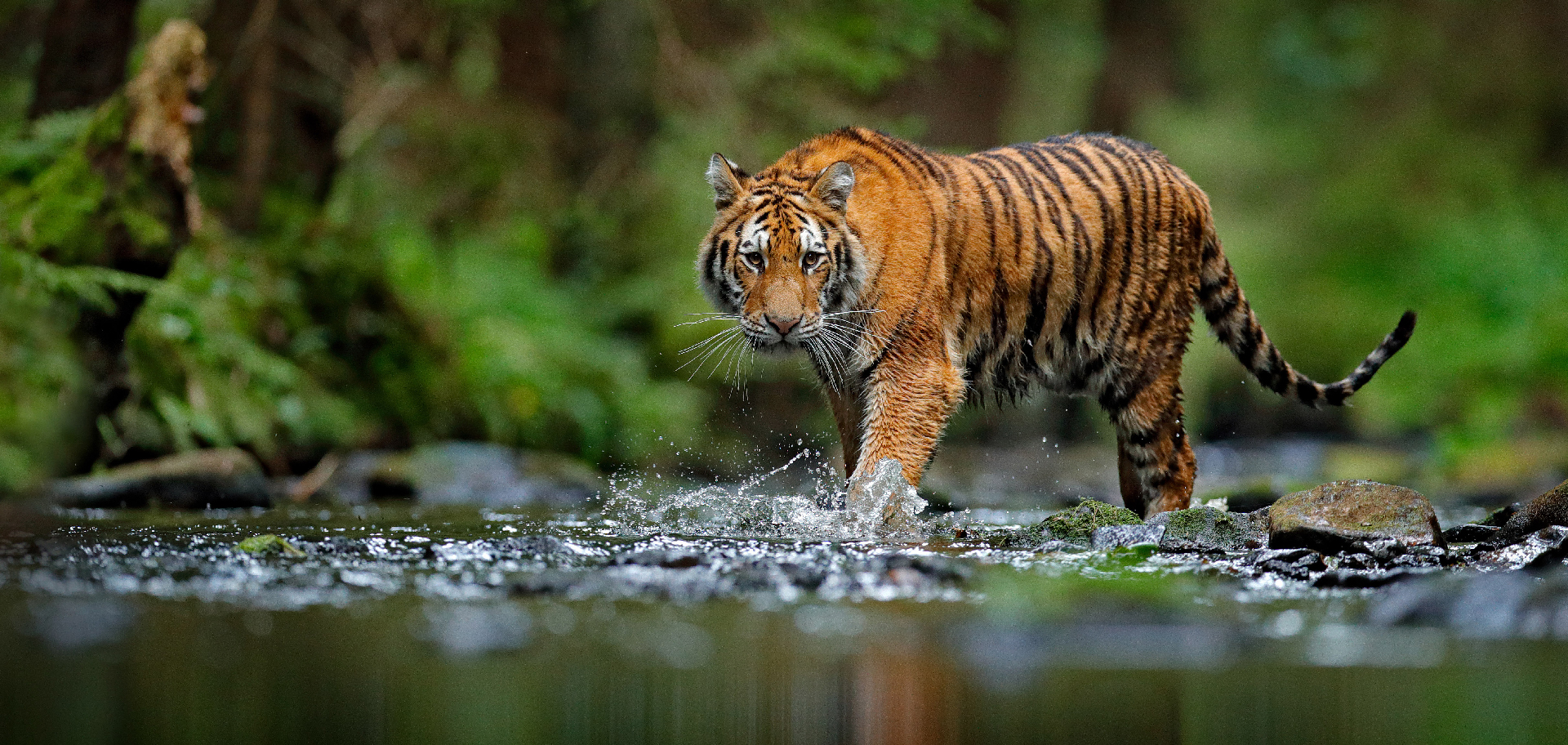
Although tiger territories can overlap and the big cats sometimes share a large kill peacefully if there is plenty of food, they are considered solitary animals. Tigers usually live, hunt and travel alone.
The researchers state that in a post-COVID era, where the impacts of isolation have been made quite palpable to humans (a highly social species), their work demonstrates that, across a comparative lens, being more social is associated with some tangible benefits. Ongoing research will expand the database and combine it with further modeling to estimate how more social populations have (or do not have) a buffer against climate change.
Social rank can determine culture
Anyone who has picnicked on a beach probably knows the unpleasant sensation of munching on a sandwich that has a surprise helping of sand. But for some other primates, the tolerance for sand may depend on whether they’d rather spend their energy on fighting rivals and reproducing or on protecting their teeth from a mouthful of grit.
Social rank may determine whether animals choose immediate energy consumption over long-term health or vice versa, say researchers from New Hampshire’s Dartmouth College in a report in the journal eLife in May 2025. They observed the eating habits of long-tailed macaques on Thailand’s Koram Island and found that the dominant and lowest-ranked animals briefly rubbed sand-covered food on their fur or between their paws before devouring it—along with most of the sand—and moving on to the next morsel.
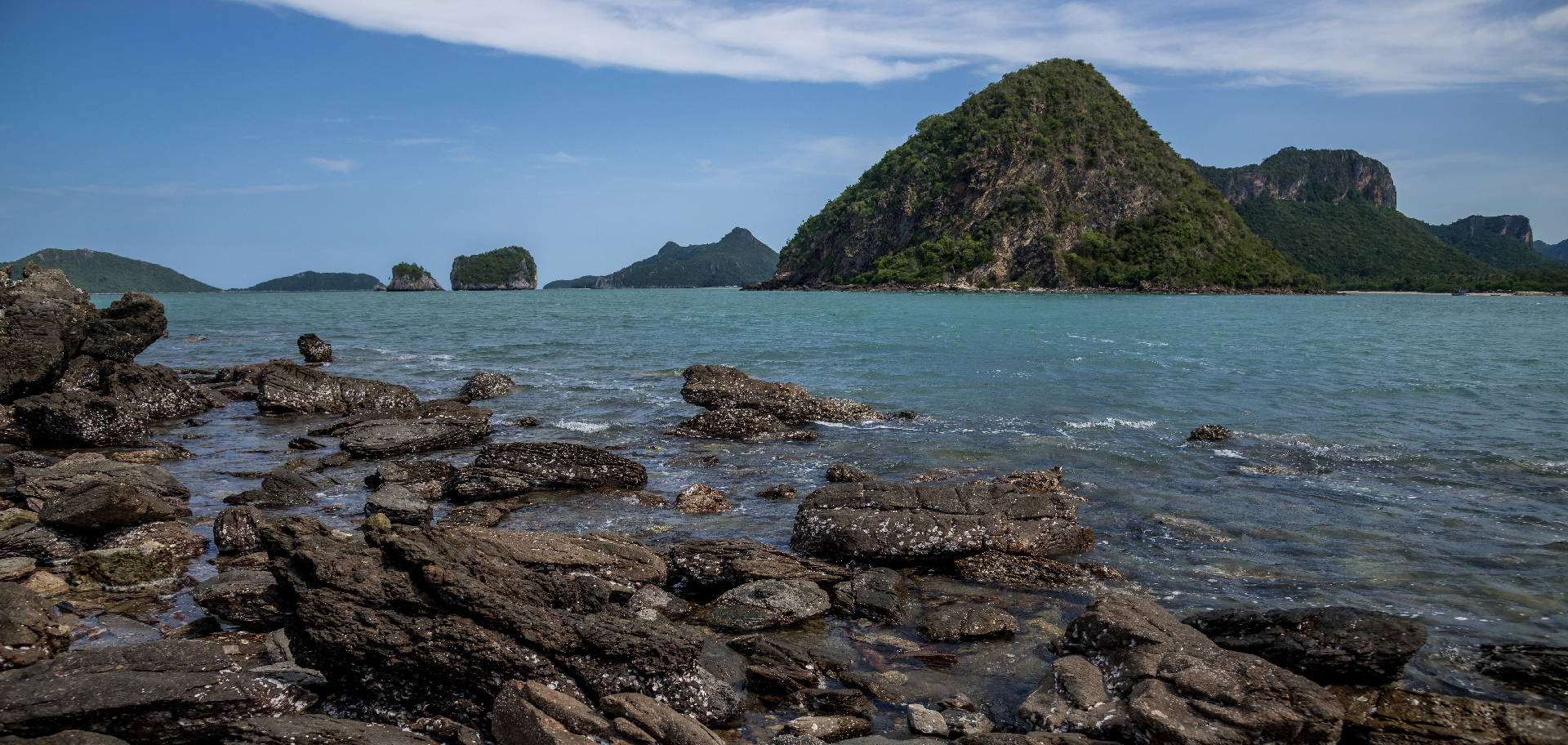
Koram Island is a small, 0.17-square-mile, karst island located about half a mile offshore in the Gulf of Thailand. Part of Khao Sam Roi Yot National Park in Prachuap Khiri Khan Province, Koram Island is famous for its population of food-washing and tool-using long-tailed macaques.
Middle-ranked monkeys, however, having more time on their paws, carried their food to the water’s edge and washed it in the sea to remove the sand. These animals often expended time and energy scrubbing their snacks past the point when they were clean and would even amble down the beach on their hind legs with their front paws full of food.
The findings provide insight into how animals—even those in hierarchical groups—select survival strategies based on individual needs. The study supports the disposable soma hypothesis, which proposes that animals sometimes prioritize immediate survival and reproduction over longevity, which may be the case for monkeys at the top and the bottom of the social ladder, for whom life is short and hard. As a result, these animals consume and conserve energy whenever they can. Existing research shows that sand causes significant damage to macaque tooth enamel. But for dominant males especially, that may not be important in a life fraught with challengers.
High-ranking males are constantly lunging at or chasing other males, behaviors that maximize their siring of offspring. So, they need to eat rapidly to make up for that energy expenditure, and that’s exactly what the Dartmouth College scientists saw the Thai macaques doing. They stuffed food into their mouths—sand notwithstanding—because they didn’t have time to walk to the water. It’s the urgency of now that matters, not their teeth, which might be a shrewd calculation.
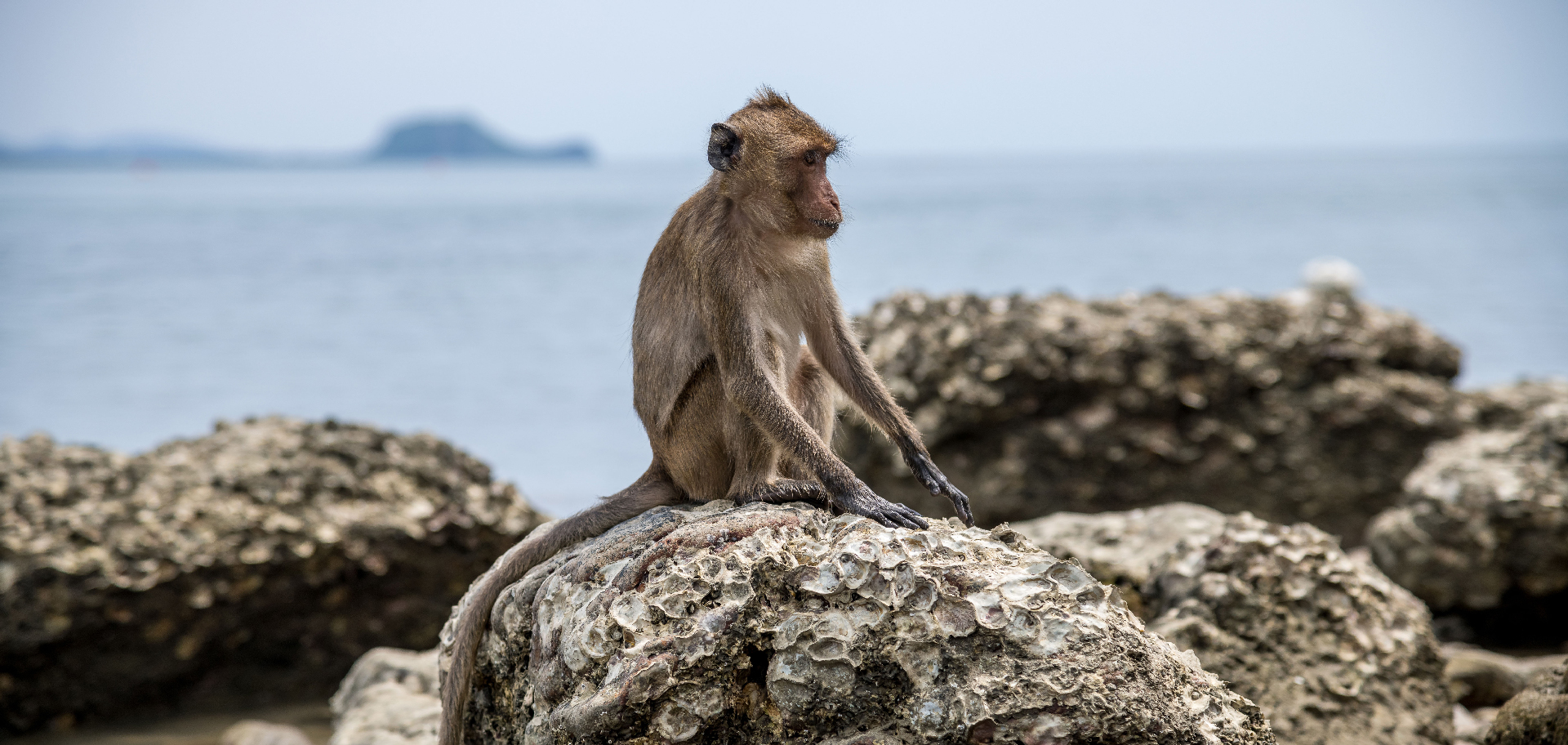
Food-washing among primates is not common, but Koram Island macaques wash sand-covered fruit based on social rank, with middle-ranked monkeys doing the washing while dominant ones skip that step to eat the fruit faster.
The monkeys that wash their food might instead be playing a long game. These animals could be investing a lot more time in washing their food because they cannot afford to damage their teeth and compromise their longevity. This strategy would allow them to maximize their potential reproductive success by living longer and producing more offspring over their lifetimes, state the researchers.
I think it’s fascinating that this finding could also shed light on how the pitting and wear observed in the fossilized teeth of early humans might relate to social structure and access to water. Tooth wear could be telling us about rank, not food properties. If there’s more variable wear on a male hominin tooth, the usual interpretation is that it’s the result of a varied diet. But it could just be that he was eating quickly and couldn’t be bothered to clean his food. Or maybe he lived in an area that was historically arid.
To observe the macaques’ eating habits, the Dartmouth College researchers arranged plastic trays on the beach that contained cucumber slices. The slices were either on their own, placed on top of the sand or buried in the sand. The animals were recorded every day for six weeks as they foraged for cucumbers in the trays, resulting in the capture of nearly 1,300 instances of food-handling by 42 individual macaques. Social rank was determined by using established methods of witnessing how the animals interact.
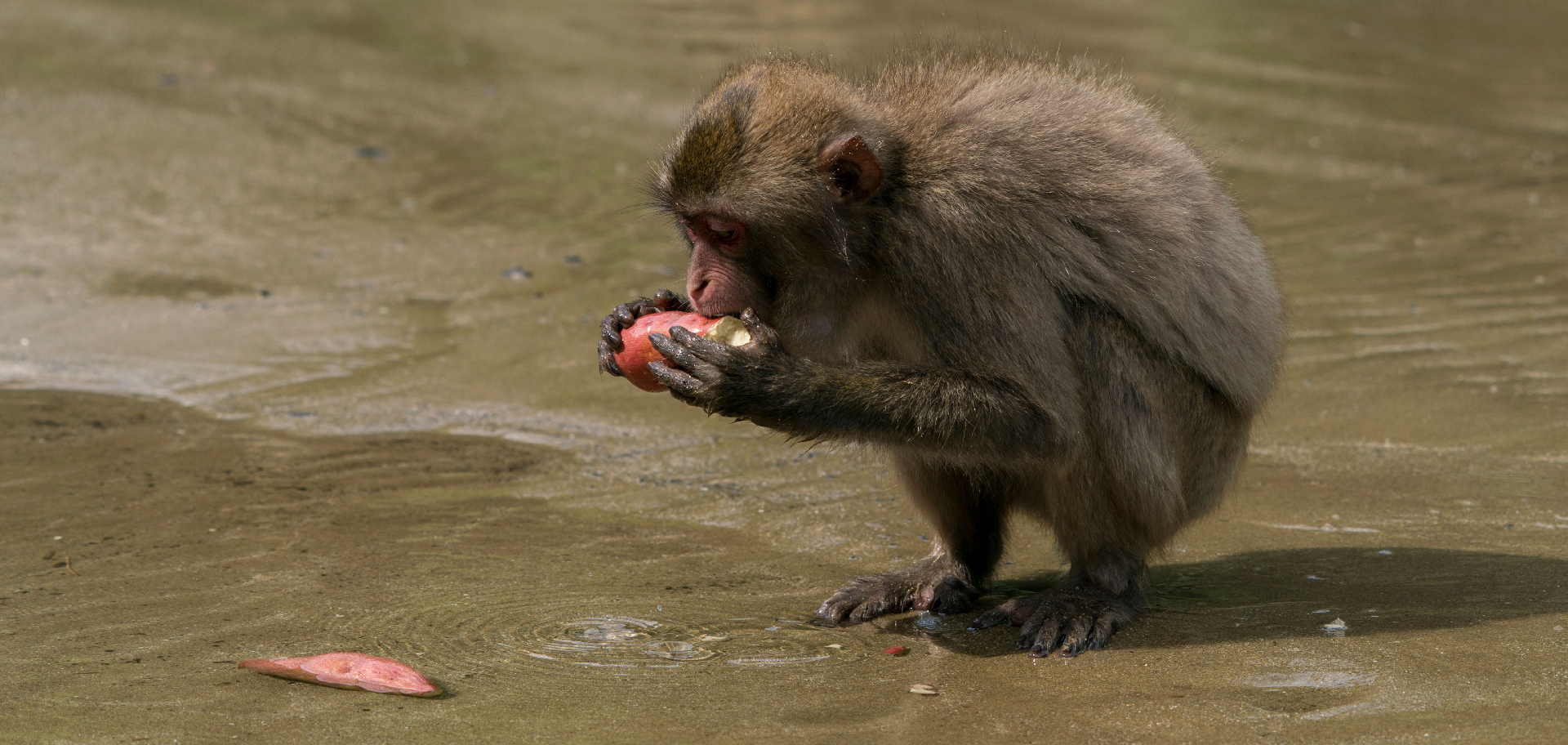
Kojima is a small, uninhabited island off the coast of Kushima City in Miyazaki Prefecture, Japan. It is known for its population of wild, potato-washing macaques.
The monkeys that washed their food devoted an average of five seconds to more than a minute to each cucumber slice—often washing multiple slices—while the average amount of time spent just brushing sand off a slice was effectively zero, the researchers reported. That time makes a difference. In lab trials with sand-coated cucumbers, the researchers found that washing removed 93% of sand and brushing removed only 75%.
Food-washing among primates is not common. The Koram Island macaques were first observed doing so after the 2004 Indian Ocean earthquake and tsunami. Their habit became a draw for tourists, who, before authorities put a stop to it, would throw fruit on the beach from boats to watch the animals wash it in the surf.
The other known instance is among the Japanese macaques on Japan’s Kojima Island. In the 1950s, researchers studying the animals lured them toward the beach with sweet potatoes and wheat to observe them more clearly. In 1953, a young female named Imo first picked up a sandy sweet potato and washed it in a stream. Five years later, the other animals had taken up the practice, washing their food in the sea. Today, 92% of the Kojima Island macaques wash their food.
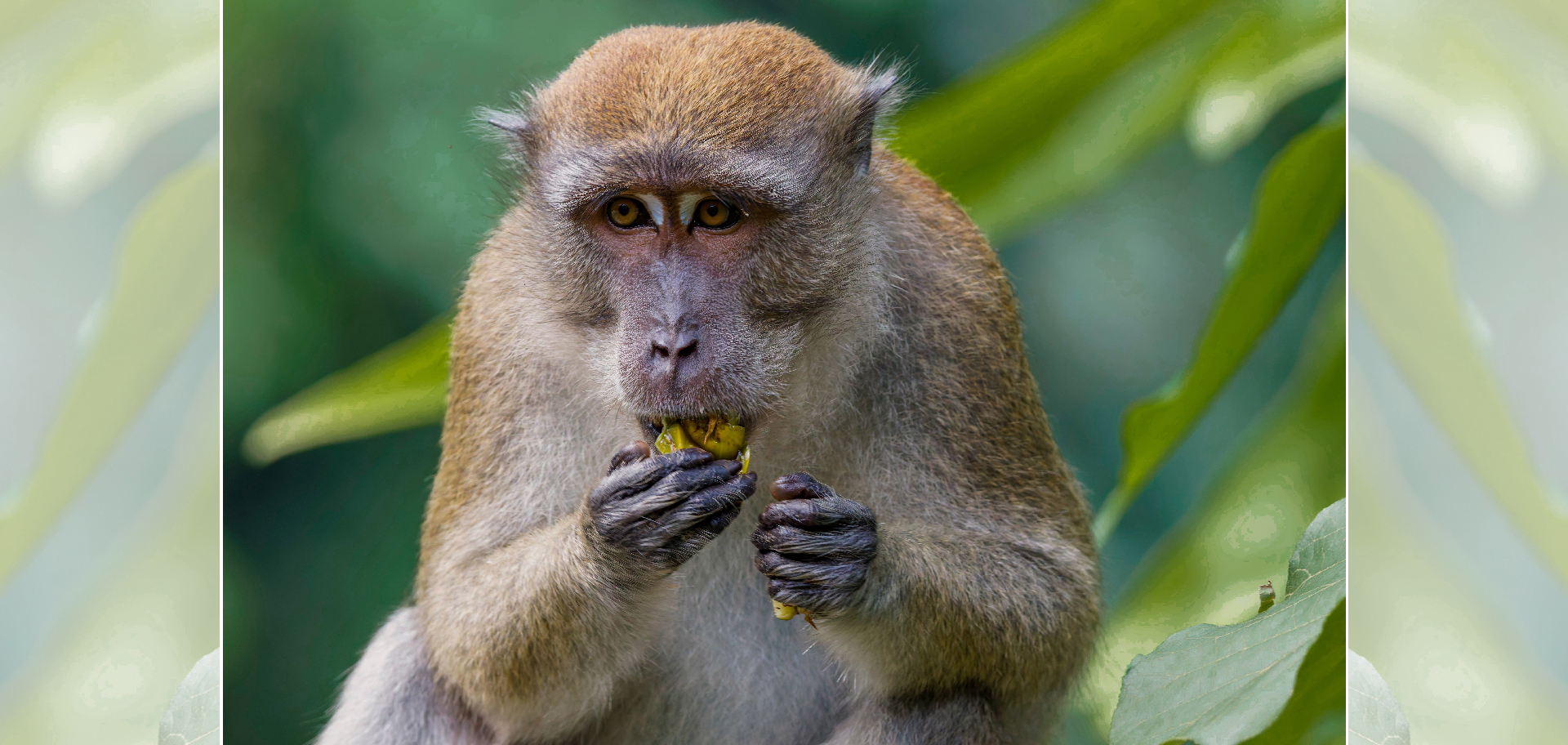
Food-washing by macaques spread throughout two, independent populations separated by 50 years and 5,000 miles. When a new, entrepreneurial behavior is understood and copied, it becomes part of an animal group’s culture.
The story of Imo shows how an individual can cause a shift in a whole population. And the spread of a similar habit in two independent populations separated by 50 years and 5,000 miles speaks to the value of culture. You have to be entrepreneurial and experimental to invent a new behavior, but it has to be clear enough that other individuals will understand its purpose and copy it. And they have to be smart enough to recognize when another animal has figured out something valuable. That’s what culture is, note the scientists, seeing the value of a new behavior and adopting it.
This study provides a fuller picture of the various trade-offs that animals juggle relative to their place in a social structure and gives us a better understanding of how that leads individuals to behave distinctly, conclude the researchers.
Social-change tracking in extreme isolation
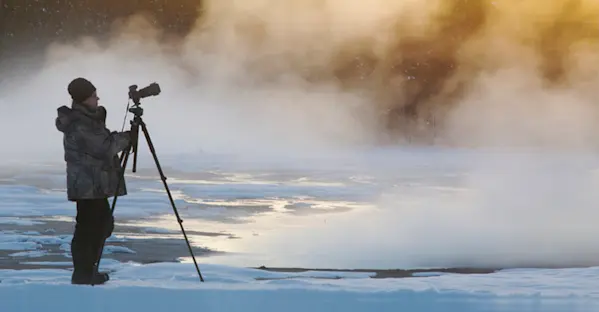
Long space missions can force small crews to endure cramped living conditions, intense psychological pressure and isolation for months at a time. To better understand how those conditions shape teamwork, an international research group led by scientists at Switzerland’s University of Bern and University of Zurich studied a 10-month, overwintering mission at Concordia Research Station in Antarctica, among the most remote places on Earth with winter temperatures falling as low as 112 degrees Fahrenheit below zero. Its isolation makes it one of the strongest, real-world stand-ins for future extended missions to the moon or Mars.
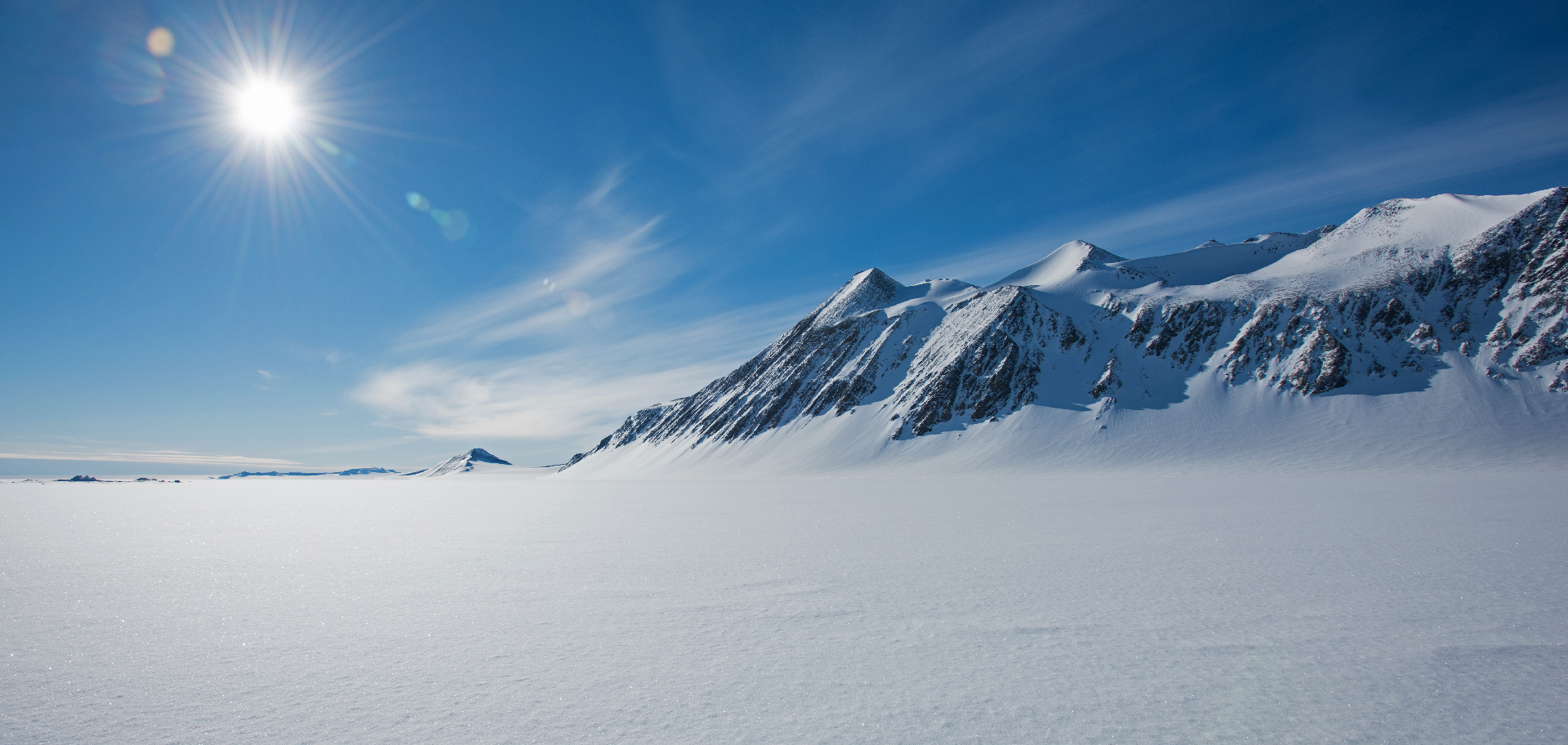
Antarctica’s closest neighbor is South America, about 774 miles away across the treacherous Drake Passage. Within Antarctica, the Concordia Research Station is so far removed from other humans that the International Space Station, at an average of 250 miles above the Earth’s surface, is often closer to civilization than are Concordia’s inhabitants.
The mission included 12 crew members, who completed questionnaires at four points during the 10-month period. They also wore sensors that automatically measured when they were physically close to other team members and how long those encounters lasted. By combining the questionnaire responses with the sensor data, the researchers were able to follow changes in conflict, loneliness, social relationships, team cohesion, trust and perceived performance throughout the mission.
One of the most notable findings was that spending more time near other crew members was not consistently linked to better social outcomes. Participants who had more frequent contact with others were also more likely to report increased conflict, greater mistrust and lower performance. That suggests that constant closeness can become another source of pressure in highly confined environments. Isolation may be difficult, but having little opportunity for privacy can also create strain.
The wearable sensors also showed that the crew gradually separated into smaller subgroups as the mission continued. People increasingly spent time with colleagues who shared their language or nationality. Such connections may help individuals feel supported and grounded during stressful periods. However, they may also encourage social divisions and weaken unity within culturally diverse teams.

More human contact doesn’t automatically equate to more social support. In fact, it can sometimes increase tensions. Future Mars colonists may discover that the greatest danger of isolation is having nowhere to escape from one another.
The findings, published in the journal Proceedings of the National Academy of Sciences of the United States of America (PNAS) in May 2026, could be especially important for future space missions in which small crews must live and work together for months or years. Astronauts on extended missions may have very little privacy and only limited communication with people outside the spacecraft or habitat. The results may also apply to other demanding environments, including offshore oil platforms and submarines.
The scientists say the results show how important it is to identify social dynamics early on and provide teams with targeted support. They also demonstrate that wearable proximity sensors allow researchers to monitor changes in everyday social patterns without substantially disrupting a crew’s routines. Future studies will look more closely at which types of social interaction help relieve stress and which ones may add to it.
An elegant equilibrium
Whether in Antarctica, in your own hometown or anywhere else in the universe, sociality has its benefits. It can lessen stress, improve moods, keep minds active and sharp, lower chances of long-term illnesses and promote longer lives. But for some, being sociable can carry risks, such as confrontations, exposure to diseases and stress due to hostilities.
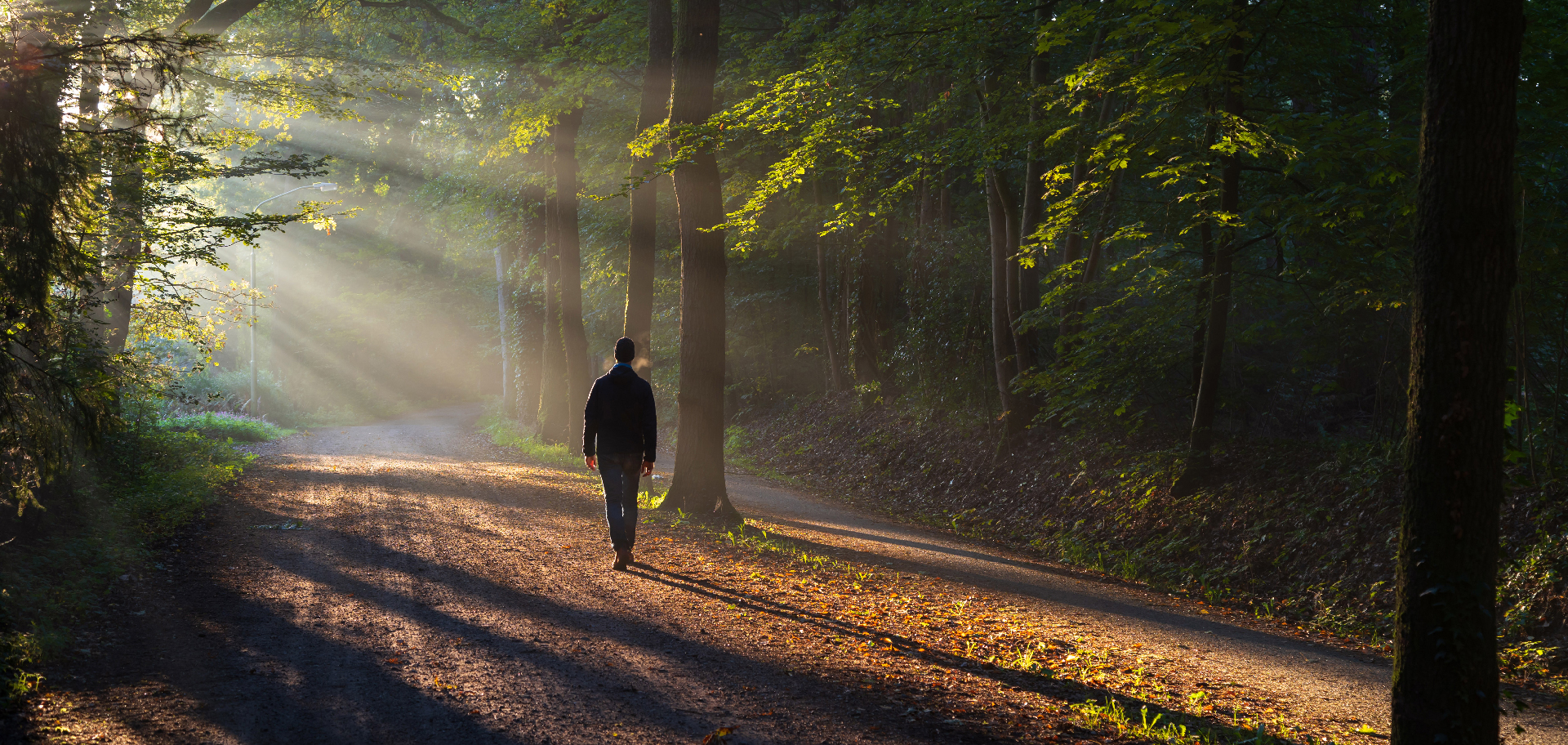
Sociality has its benefits. It can lessen stress and promote a longer life. But solitude, too, has its advantages; spending time alone enhances autonomy, fosters deep self-reflection and recharges your body and mind. The secret is to find a balance between social time and time alone.
The secret, I think, is to find that golden balance between social time and solitude.
Here’s to finding your true places and natural habitats,
Candy