













We’ve already surpassed Earth’s carrying capacity. Continued population growth combined with current levels of resource use will place even greater strain on ecosystems and societies around the world. By living a sustainable lifestyle, we can make a lot of progress toward sustainable development goals and the Paris Agreement.
We may already be living far beyond what the Earth can sustainably support, suggests the writers of a brand-new study, who analyzed more than 200 years of environmental and population data. They found that while population growth once fueled expansion and innovation, the trend shifted decades ago as the planet’s resources became increasingly strained. Today’s number of 8.3 billion humans can’t be sustained in the long term, they argue, without exhausting ecosystems, worsening climate change, and threatening food and water security. Unfortunately, however, our cognitive, cultural, spatial and temporal limitations often affect our understanding of the true state of our environments.
But contrary to the belief that sustainable development is increasingly out of reach, humankind does have a variety of pathways to depart from its current unsustainable trajectory. Sustainable lifestyles, green-tech innovations and government-led transformations each offer promising routes for making significant progress toward the United Nation’s Sustainable Development Goals (SDGs) and the Paris Agreement accords. These strategies could transform consumption and production across different sectors, with both benefits and trade-offs for enhancing human well-being within the nine planetary boundaries, a scientific framework that defines the safe limits for human impacts on Earth’s life-support systems. Crossing these limits risks triggering irreversible environmental changes and tipping points.
There are even simpler steps we can take to realizing a more sustainable life on Earth. Just recognizing and respecting the different ways nature is valued can enable better environmental decision-making. And here’s my favorite easy route: up-tempo, major mode music can help bridge the gap between words and deeds. By using such music in their marketing, companies selling ethical and sustainable products can help well-meaning consumers convert their good intentions into actual purchases.

Installing solar panels on homes reduces greenhouse gas emissions by harnessing clean, renewable energy from the sun and replacing fossil fuels. Green-tech innovations such as this enhance human well-being within the nine planetary boundaries, which define the safe limits for human impacts on Earth’s life-support systems.
Humanity has already exceeded Earth’s limits
Humanity is operating beyond the planet’s natural limits. In other words, we’re placing more pressure on Earth than can sustainably be handled, raising concerns about future climate stability, food security and human well-being. That’s the conclusion of an international team of researchers that includes scientists at Australia’s Flinders University and The University of Western Australia, England’s University of Cambridge, and Stanford University and the University of California in the United States. The finding was published in the journal Environmental Research Letters in March 2026.
The scientists analyzed historical population records and used ecological growth models (which describe how populations or species increase in size over time within an environment) to compare trends across different world regions. They examined how population growth related to carbon emissions, climate change and ecological footprints. Their goal was to better understand how rising human numbers contribute to environmental stress.
After examining more than 200 years of global population data, a major turning point in human population trends that began during the mid-20th century was identified. Population growth accelerated before the 1950s as the number of people increased worldwide. More people led to greater innovation, increased energy use and technological advances that helped support further growth. That pattern changed in the early 1960s. While the global population continued rising, the rate of growth began slowing; and this shift marked the beginning of what’s called “a negative demographic phase.” It means that adding more people no longer translates into faster growth. When the scientists examined this phase, they found that the global population is likely to peak somewhere between 11.7 and 12.4 billion people by the late 2060s or 2070s, if current trends hold.

There are strong links between population size and rising global temperatures, growing ecological footprints and increased carbon emissions.
In addition, the researchers discovered that this level of population growth is only possible because societies have relied heavily on fossil fuels and consumed natural resources faster than Earth can replenish them. This dependence on fossil fuels has temporarily hidden the effects of ecological overshoot by supporting energy supplies, food production and industrial growth. However, it has also intensified climate change, environmental degradation and pollution. In fact, total population size explained environmental changes more strongly than per capita consumption alone.
The truly sustainable population is much lower and closer to what the world supported in the mid-20th century, state the researchers. Their calculations show a sustainable global population closer to about 2.5 billion people if everyone were to live within comfortable, economically secure living standards and ecological limits. The gap between that sustainable estimate and today’s global population of 8.3 billion highlights the scale of worldwide overconsumption. With the planet’s life-support systems already under strain and without rapid shifts in how we use energy, food and land, billions of people will face increasing instability. These limits are not theoretical but unfolding right now, continue the scientists. Humanity’s current path will push societies into deeper crises unless we make major changes.
However, the researchers emphasize that the study does not predict a sudden collapse of civilization. Instead, they describe it as a realistic assessment of the growing pressures shaping humanity’s future. Among the risks linked to exceeding Earth’s “biocapacity” are worsening climate impacts, biodiversity loss, declining food and water security, and increasing inequality. Societies will need to rethink how energy, land, raw materials and water are used if future generations are to live safely and sustainably. Smaller populations with less consumption create better outcomes for both people and the planet. The window to act is narrowing, but meaningful change is still achievable if nations work together, conclude the scientists.
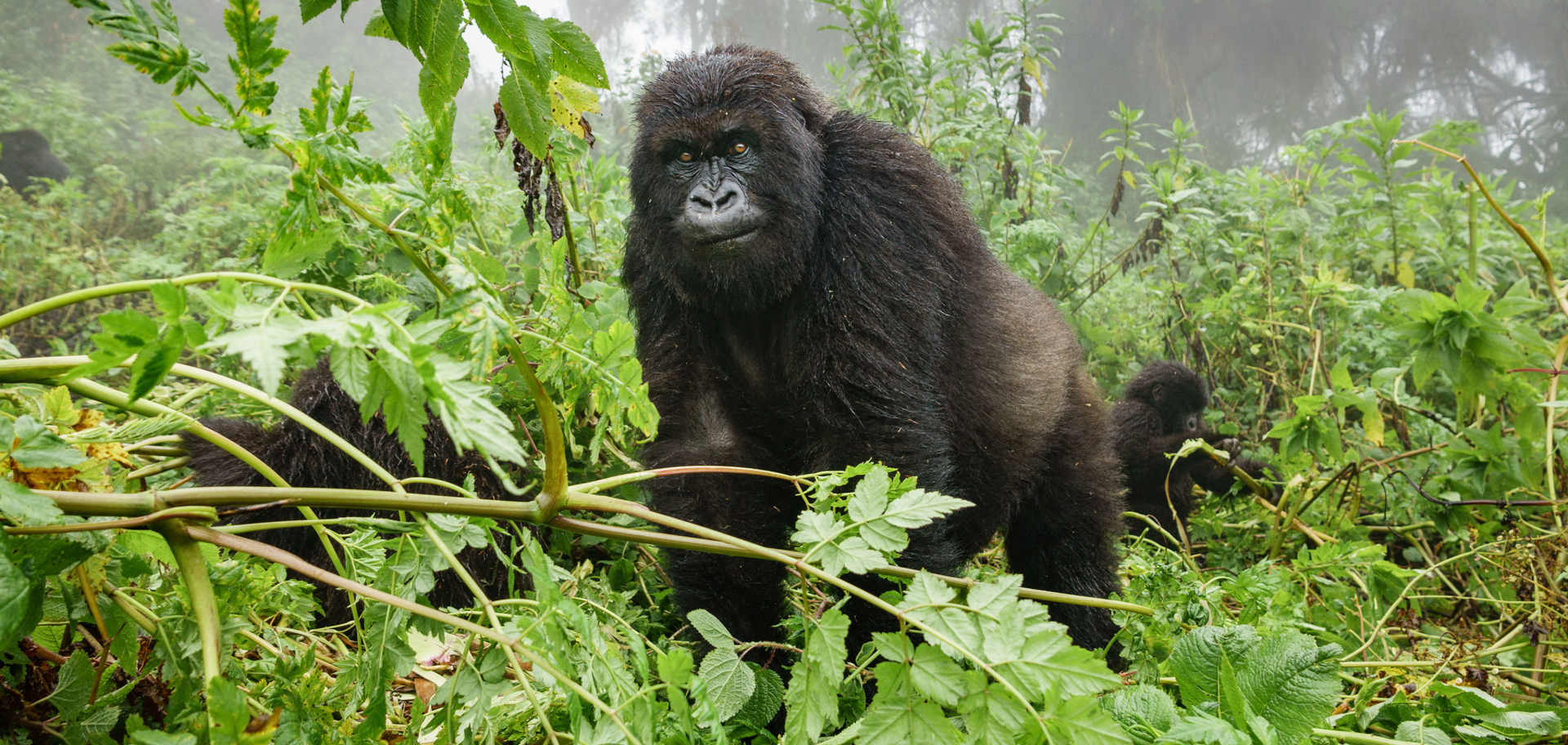
Among the risks linked to exceeding Earth’s “biocapacity” is biodiversity loss. Losing critically endangered mountain gorillas, for example, would trigger devastating ecological, economic and cultural ripple effects. As a keystone species, their extinction would destabilize the delicate ecosystems of Uganda, while destroying local ecotourism economies.
The researchers hope their findings will encourage communities, governments and organizations to focus on long-term planning, recognize environmental limits and support strategies that stabilize population growth, reduce consumption and protect natural systems. The choices we make over the coming decades, they say, will determine the well-being of future generations and the resilience of the natural world that supports all life.
Decisions based in environmental knowledge can be elusive
But will we make the best choices for living sustainably on the planet?
For at least 200,000 years, humans have been trying to understand their environments and adapt to them. At times, we have succeeded; often, we have not. When we get it wrong—as we did through anthropogenic exacerbations leading to the Dust Bowl and the growth of the dead zone in the Gulf of Mexico—the results can be disastrous. However, in both failure and success, humans can learn from past experiments and adapt.

The Gulf of Mexico Dead Zone is a massive, recurring, low-oxygen area in the gulf’s north, spanning thousands of square miles. It develops every summer off the coast of Texas when oxygen levels drop too low to support most marine life. The zone’s primary driver is nutrient pollution, such as excess nitrogen and phosphorus from agricultural runoff.
Our ability to respond to a future disaster is only as good as our ability to remember past challenges and to care about the future, argues a team of researchers from the Santa Fe Institute’s Archaeoecology Working Group, which comprises experts from anthropology, archaeology, ecology informatics and other sciences. In their study published in the journal Global Environmental Change in January 2023, they explain that their goal was to measure how cognitive, cultural, spatial and temporal limitations affect humans’ understanding of their environments.
The working group researchers delved into archaeological and historical data from history’s “completed experiments” to analyze how information flows from ecosystems to the societies inhabiting them. The resulting conceptual model, called Environmental Information Flow and Perception, drew from case studies in the American Southwest, Eastern Polynesia and the North Atlantic. The model yields a quantitative measure of information flow that can help distinguish when decisions have a sound basis in environmental knowledge versus when they’re a shot in the dark.
This research provides a framework to assess how societies—both in the past and those of today—interact with their environments for good or for ill and can guide environmental decision-making. With current environmental issues like climate change, biodiversity loss and pandemics, the study’s findings are relevant for questions of sustainability and stewardship, both locally and globally.
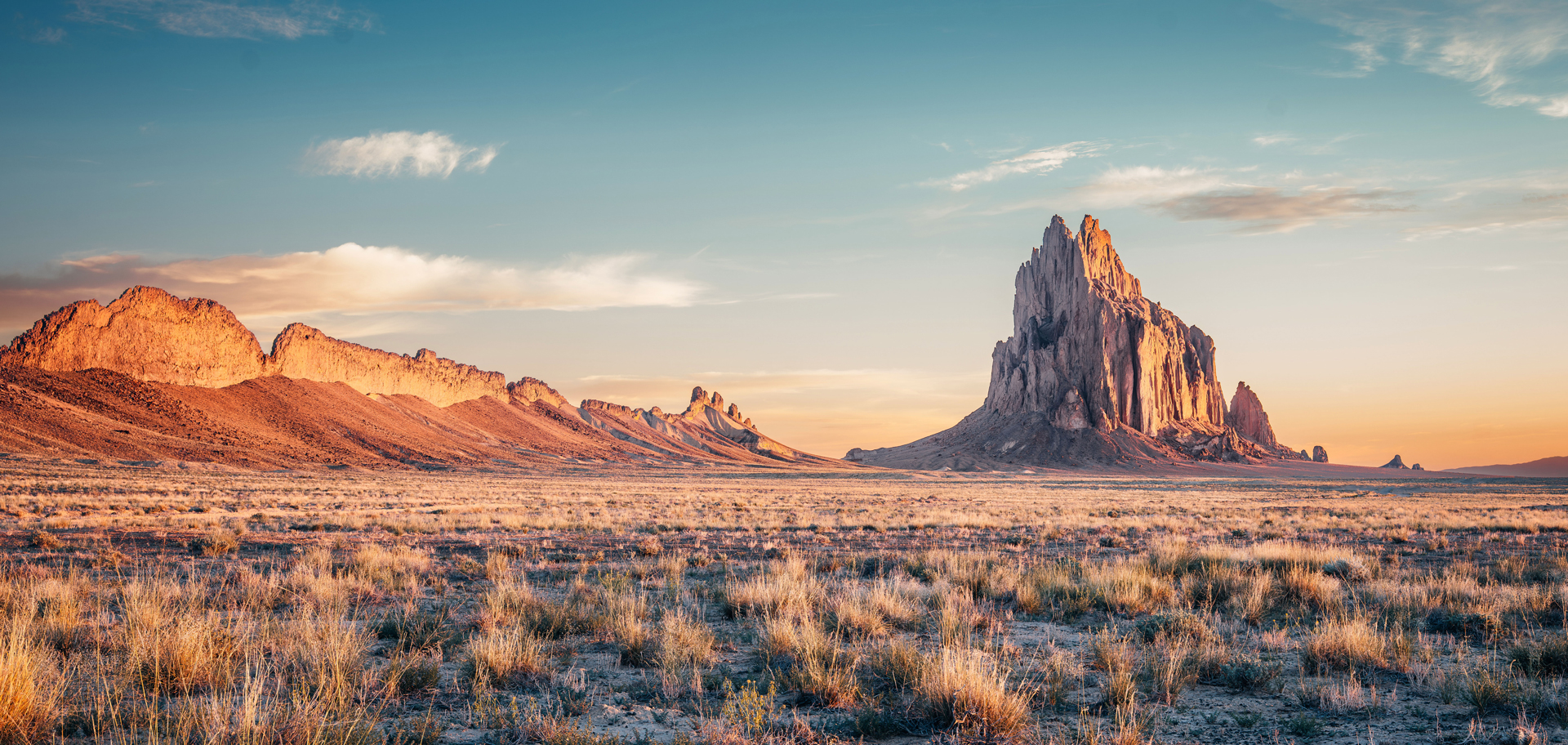
Case studies in the American Southwest led to a model of information flow that can help distinguish when decisions have a sound basis in environmental knowledge versus when they’re a shot in the dark.
Societies that remember ecological information tend to adapt better, say the study’s authors. We need to be aware of the limits of our understanding so we can make better decisions and avoid catastrophes.
Climate and sustainability goals can be achieved by three pathways
Sustainable lifestyles, green-tech innovations and government-led transformations each offer promising routes to make significant progress towards the Paris Agreement and the United Nation’s Sustainable Development Goals, according to a new study conducted by scientists at the Potsdam Institute for Climate Impact Research. They examined how these three strategies could redesign consumption and production across different sectors, identifying both benefits and trade-offs for enhancing human well-being within the planetary boundaries. Following their investigation, the institute’s scientists state that humankind has a variety of ways to depart from its current unsustainable trajectory.
Sustainable development pathways are strategies that prevent dangerous climate change while at the same time moving toward a world that allows people to prosper on a healthy planet. This is the essence of the 17 SDGs agreed by the United Nations in 2015. All three sustainable development pathways are far more effective than our current “business as usual” methods, say the scientists. For example, they reduce the number of people in extreme poverty by two-thirds in 2030 and to virtually zero in 2050. They also curb global warming and avert further degradation of the environment. Importantly, they avoid the unintended side effects of simplistic climate protection strategies, such as relying heavily on bioenergy or carbon capture and storage without taking into account potential conflicts with food production or public acceptance.

The sustainable lifestyle pathway includes a rapid shift toward a flexitarian, largely plant-based diet, which is known to also have substantial benefits for human health.
In the study, published in the journal Environmental Research Letters in October 2024, the scientists looked at the three possible pathways for achieving the 17 sustainable development goals used by companies, governments and NGOs worldwide to guide action towards a sustainable and just future. All the pathways stand out in their own way. For example, the sustainable lifestyle pathway includes a rapid shift toward a flexitarian, largely plant-based diet, which is known to also have substantial benefits for human health. This pathway would further include a reduction of global final energy use per capita of around 40% by 2050, with wealthier countries contributing the largest share to decrease energy inequality. While such changes might pose challenges in terms of how realistic they are for people to adopt, they would also come with large benefits. The sustainable lifestyle pathway has the lowest reliance on unproven technologies and the most positive outcomes for biodiversity and climate protections.
The other pathways foresee a more gradual change in diets and energy consumption, but they assume more rapid innovation in green technologies or greater orchestration of system-wide changes by governments, each which comes with its own issues. Even though the pathways differ in what they emphasize, they can all deliver. This is important because the path to sustainable development is often narrowed to individual worldviews, making it more difficult to find common ground to embark on this journey. But one thing is certain, say the researchers: if we stick to our current trajectory, none of the SDGs will be achieved. By 2030, 660 million people could still be living in extreme poverty, and environmental crises like biodiversity loss and global warming will only get worse. We can still choose which sustainable path to pursue, but ignoring all of them is no longer an option.
Differing values of nature can lead to joint sustainability goals
Another paper, produced by England’s University of East Anglia researchers and published in the journal One Earth in May 2024, finds that there are four, competing but well-established potential approaches towards resolving the current environmental crisis: (1) Nature Protection; (2) Green Economy; (3) Earth Stewardship and Biocultural Diversity; and (4) Degrowth and Postgrowth. Recognizing and respecting the different ways nature is valued can enable better environmental decision-making.

One of the four approaches to resolving the current environmental crisis is Nature Protection. It prioritizes the intrinsic value of nature or “nature for its own sake.”
International agreements, such as the SDGs, represent wide support for a sustainable future, living within planetary boundaries and ensuring a safer future for current and next generations. However, there remain huge disagreements about how to advance such goals, often resulting in conflict, inaction and marginalization. The One Earth paper outlines the clear differences in the ways that we value nature. For example, Nature Protection tends to prioritize the intrinsic value of nature or “nature for its own sake,” while Green Economy tends to prioritize the instrumental value of nature or “nature for society.” Earth Stewardship and Biocultural Diversity recognizes these values but also stress relational values of nature or “nature as society,” and Degrowth and Postgrowth straddles these types of values, prioritizing redistribution and sufficiency.
The University of East Anglia researchers find that these different approaches to valuing nature are critical distinguishing features of such strategies, but they also help to explain why compromise between them is often difficult. There is a tendency not to be receptive to ideas that come from other pathways, making it hard to build the massive movement that is needed to step back from the biodiversity and climate points of no return. The act of revealing this basis for disagreement could help move us forward, pointing the way toward a more inclusive and potentially more transformative environmentalism that recognizes and respects plural values of nature.
There are three ways in which this can happen: (1) methods of working that make plural values of nature visible and usable for decision-making; (2) reforming relevant institutions, such as economic incentives and systems of laws and land tenure, to ensure that these plural values can be embedded in practice; and (3) addressing the power imbalances that currently underpin the green movement.

Green Economy is another one of the four approaches to resolving the current environmental crisis. It focuses on the instrumental value of nature or “nature for society,” a perspective that values the environment for the ecosystem services it provides to human beings. For example, forests reduce the risk of natural disasters like floods.
The authors of the paper say that while it was already known that the environmental movement is fragmented, we now have a better understanding of why that is so entrenched. More importantly, we have a basis for a better mutual understanding based on the various ways that we value nature.
Music can convert consumers’ good intentions to purchases in ethical and sustainable markets
Studies have shown that about 30% of consumers claim to care about brand ethics, but a mere 3% translate their words into actions. A similar number claim to care about green consumption but only 5% purchase green products. One way to bridge that gap is to use advertising music more creatively; specifically, to use up-tempo, major mode music, say researchers from England’s University of Bath.
Their work, published in the European Journal of Marketing in April 2022, offers a way for green companies to overcome the consumer “attitude-behavior gap”—where what consumers say differs from what they actually do, a particular challenge in ethical and sustainable markets.
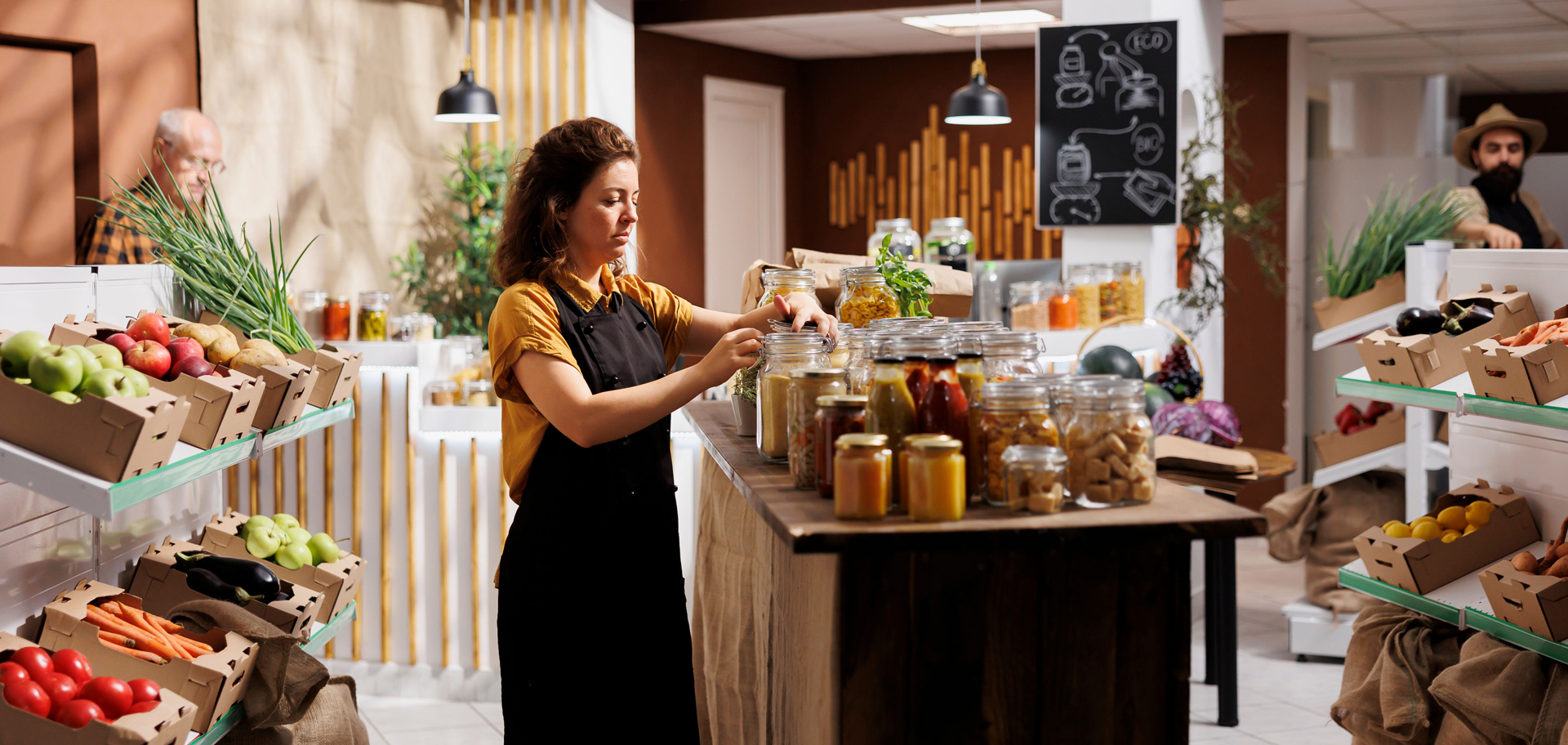
About 30% of consumers claim to care about brand ethics, but a mere 3% translate their words into actions. A similar number claim to care about green consumption but only 5% purchase green products.
A music mode is a type of scale with distinct melodic characteristics. It can be classified as major or minor and can produce strong but very different feelings and emotional responses among listeners. While major mode music is often associated with positive emotions such as happiness and joy, minor mode music is often associated with negative emotions such as anger and sadness. Tempo is the speed at which musical passages progress; music is considered slow when the tempo is less than 72 beats per minute and fast when the tempo is more than 94 beats per minute.
For their study, the University of Bath scientists created several radio advertisements for two fictitious products: an electric car (EcoCar) and a reusable coffee mug (EcoMug) and examined how music affected purchase intentions across multiple experiments. They found that major mode music is effective in reducing the attitude-behavior gap by 40% to 50%. The results held true regardless of consumers’ music backgrounds and for any type of green product being advertised. And since fast-tempo music tends to generate positive feelings, such as happiness, this research suggests the attitude-behavior gap is smallest when major mode music is played at a fast tempo.
It’s no surprise that music influences consumers, write the researchers. We know that consumers who enjoy the music associated with a brand will view that brand more positively, and it will make them more likely to buy the product. That’s the subjective aspect of music. What’s more significant, they state, is the objective aspect: tempo and mode.
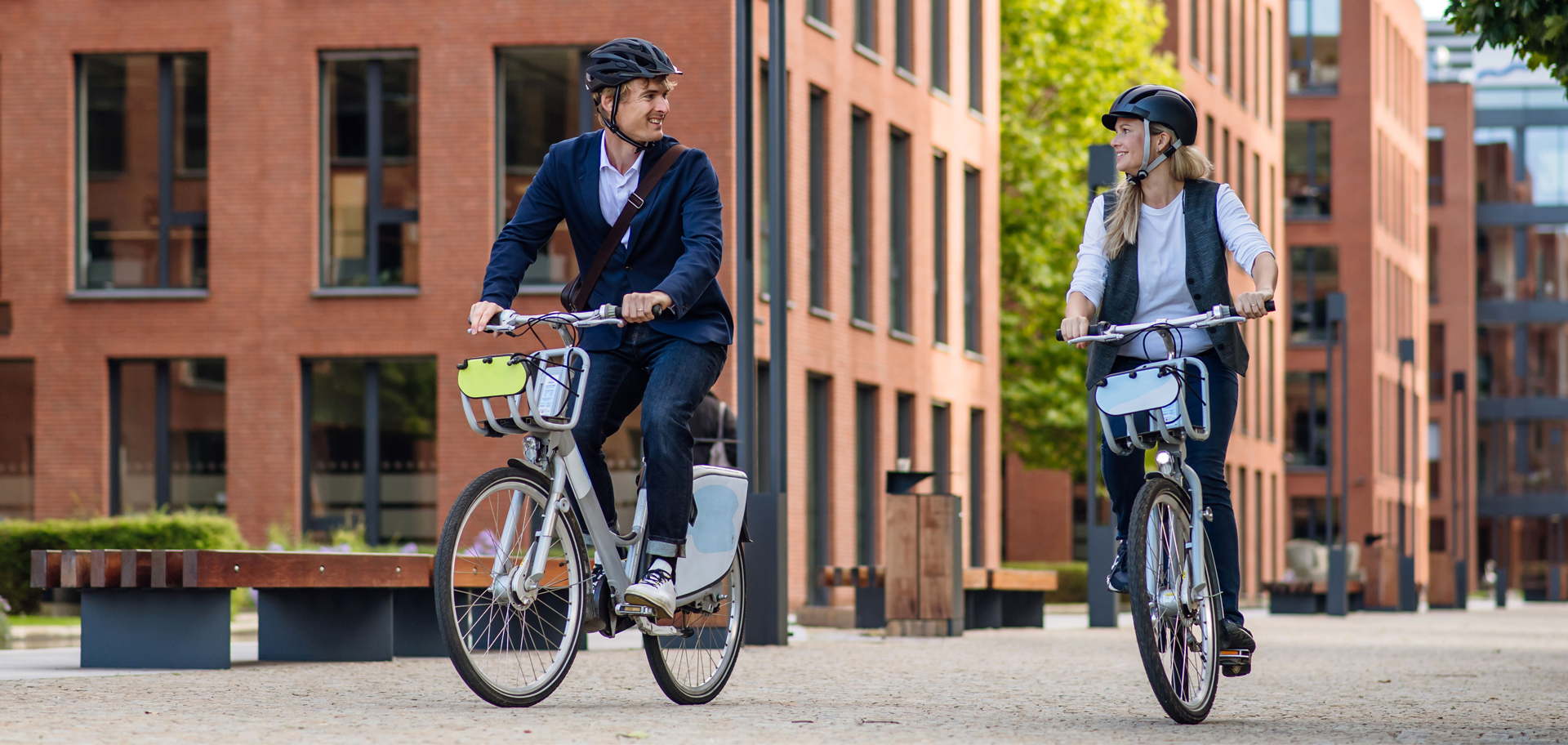
According to World Wildlife Fund, an activity is considered sustainable if it can be continued in the same way long into the future; in other words, if it’s able to be sustained. Biking instead of driving is a form of sustainable commuting. It helps you stay fit and protects the environment.
Sustainability can be rhythmic
Sustainability is the practice of using resources to meet current needs without compromising the ability of future generations to meet theirs. It ensures that human activity operates in balance with the planet, preserving our economies, environments and societies. The World Wildlife Fund says it simply: “An activity is considered sustainable if it can be continued in the same way long into the future; in other words, if it’s able to be sustained.”
That sounds to me like a noble and cadenced vow; to live in rhythm with the Earth, taking only what can be replenished and leaving enough for the seasons to come.
Here’s to finding your true places and natural habitats,
Candy