Good Nature Travel Blog

3405 stories

  • Nature & Wildlife

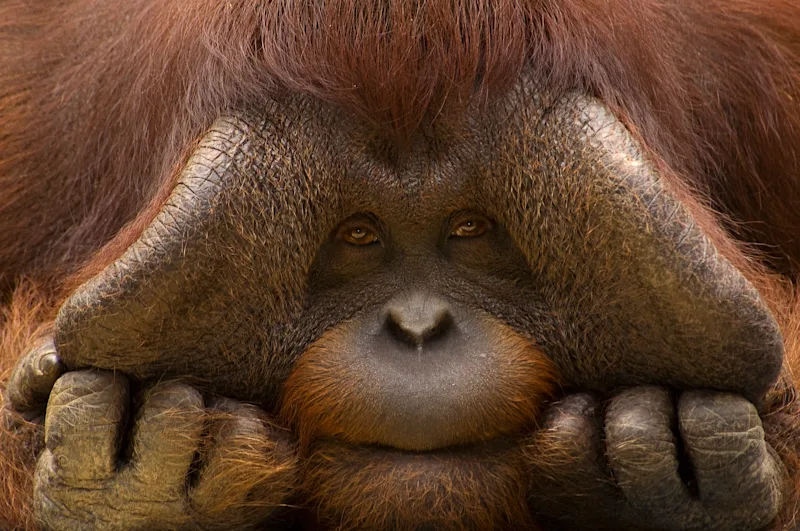
    10 Interesting Facts about Orangutans

    Mar 3, 2014 · Tania Curry

    1. Where do orangutans live? Orangutans are found only in the rain forests of the Southeast Asian islands of Borneo and Sumatra. They spend nearly their entire lives in trees—swinging in tree tops and building nests for sleep. 2. Do the two species of orangutans look different from one another?
  • Nature & Wildlife

    50 Fun Facts about your Favorite Fauna

    Mar 3, 2014 · Tania Curry

    Lions and whale sharks and bears, oh my! We’ve compiled 50 fascinating facts about five of the most popular wildlife you like to see on our tours: Pandas, whale sharks, lions, polar bears and orangutans.

  • Nature Photography

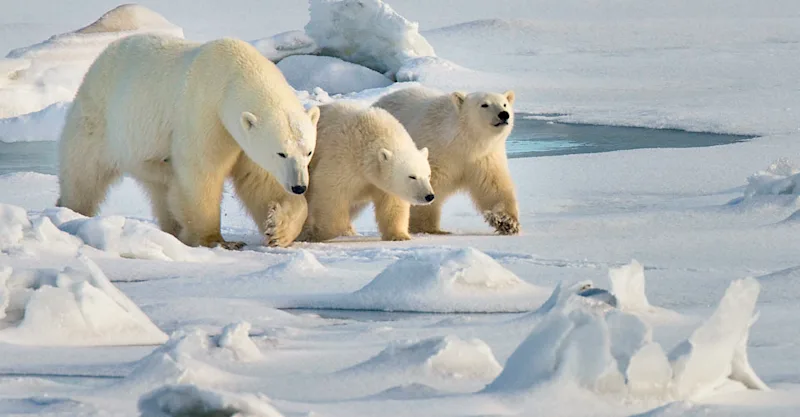
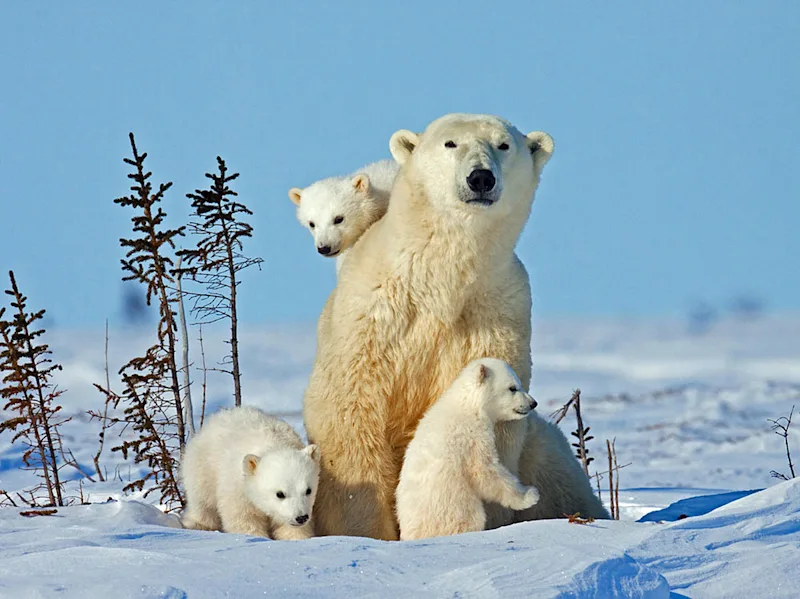
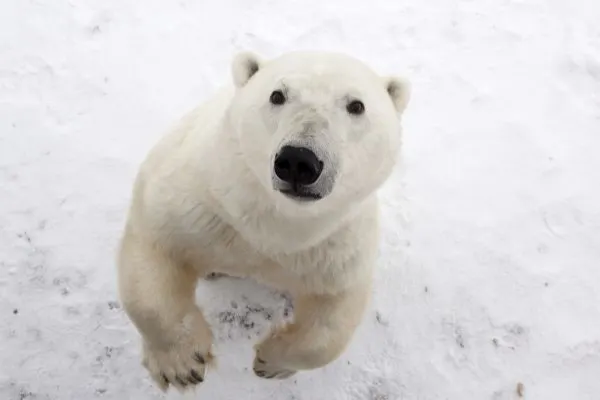
    Photos: 10 Incredible Pictures of Polar Bears in the Wild

    Mar 1, 2014 · Maddi Higgins

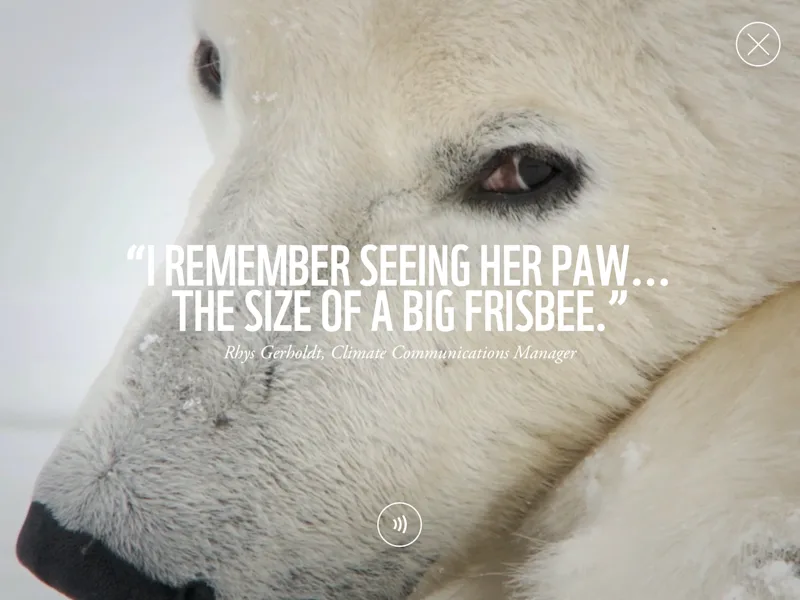
    There is nothing quite like seeing polar bears in their natural habitat. These powerful “kings of the arctic” rule the unforgiving landscape of the North. We’ve compiled ten stunning photos that capture the true majesty of these wild predators. See polar bears in the wild with WWF and Nat Hab.

  • Videos

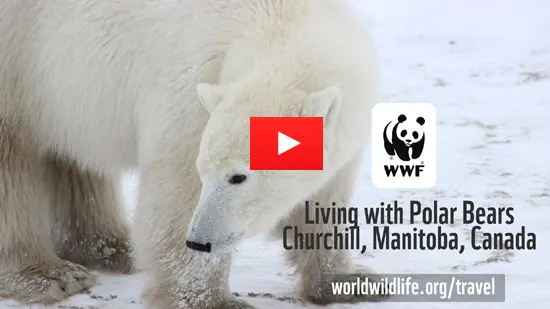
    Video of the Week: Living with Polar Bears

    Feb 28, 2014 · Tania Curry

    Churchill, Canada is known as the “polar bear capital of the world.” For travelers this translates into great viewing opportunities but what do local residents think about the polar bear population?

  • Nature & Wildlife

    7 Ways You Can Help the Polar Bears’ Plight

    Feb 27, 2014 · Tania Curry

    International Polar Bear Day comes once a year on February 27 to raise awareness for the “King of the Arctic.” As Arctic sea ice takes longer and longer to form, polar bears–and humans sharing their habitat–face daily threats.

  • Travel Tips

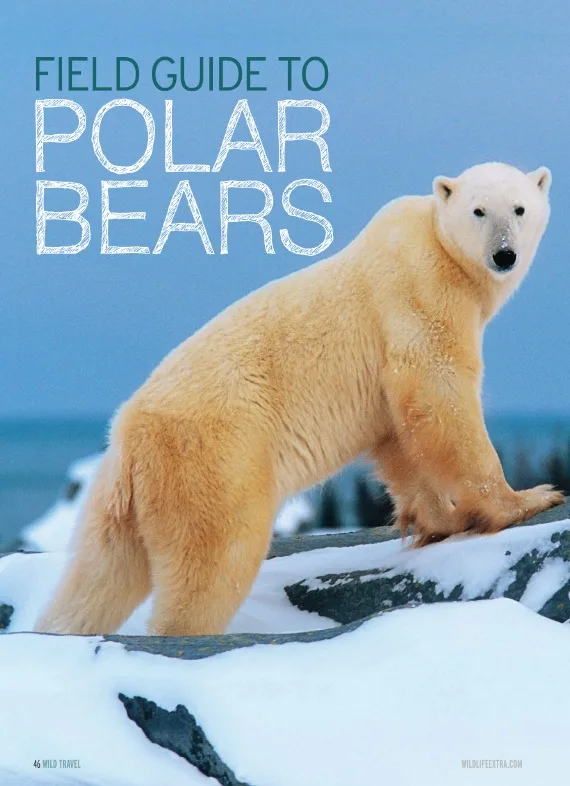
    A Field Guide to Polar Bears

    Feb 27, 2014 · WWF

    WWF lent its polar bear expertise to Wild Travel magazine, writing a Field Guide to Polar Bears for travelers eager to understand and responsibly view the majestic animal in the wild. Check out this beautiful seven-page spread!

  • Nature & Wildlife

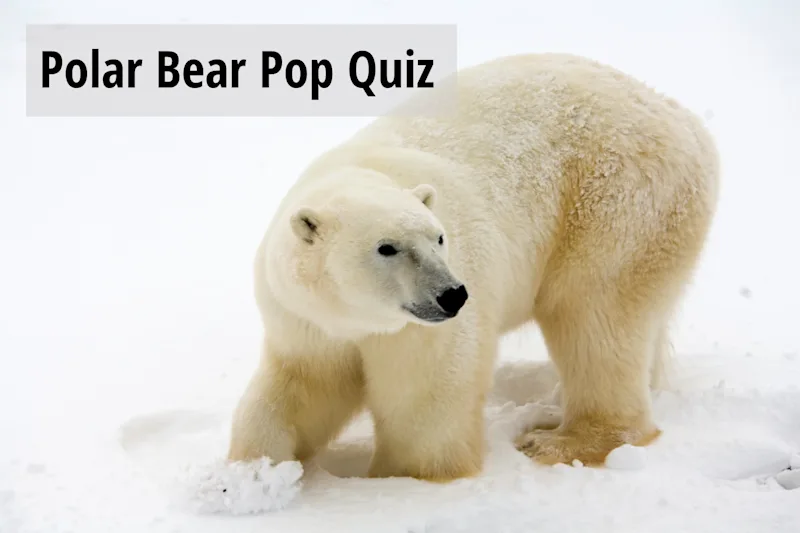
    Know Before you Go: Test your Polar Bear IQ

    Feb 26, 2014 · Natural Habitat Adventures

    Polar Bear Pop Quiz Q: Which is the greatest threat to polar bears? a. Industrial Development b. Conflict with Humans c. Climate Change d. Unsustainable Hunting Find the answer and see how much you know about polar bears by taking WWF’s Polar Bear IQ quiz!

  • News & More

    Google Hangout with WWF: All About Polar Bears

    Feb 25, 2014 · WWF

    In honor of Polar Bear Week and International Polar Bear Day, WWF is hosting a live Google Hangout on Wednesday with two Canadian polar bear experts!

  • Nature & Wildlife

    Polar Bear Roundup: This Year's Top 9 Polar Bear Stories

    Feb 24, 2014 · Emily Deemer

    It’s International Polar Bear Day this Thursday – February 27th – and we’re celebrating with an entire Polar Bear Week on the blog! Each day we’ll feature something new, like polar bear trivia and video, tips on how you can make a difference this International Polar Bear Day, and more.

  • Nature & Wildlife

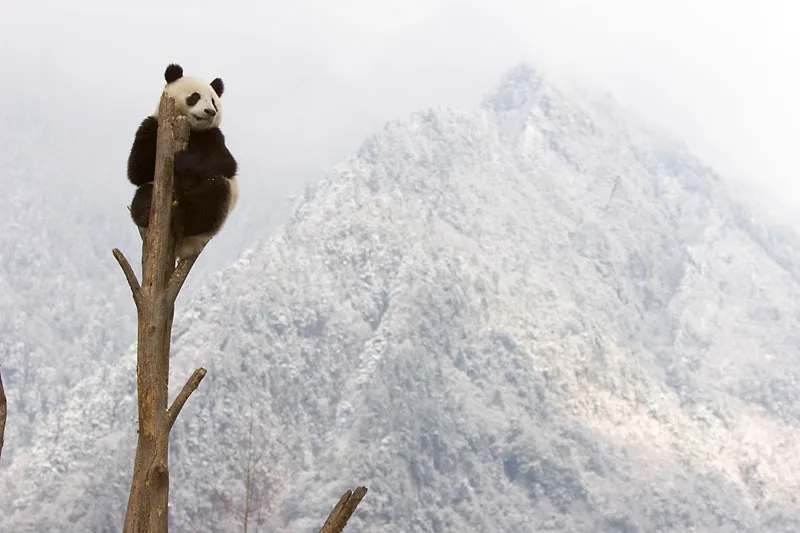
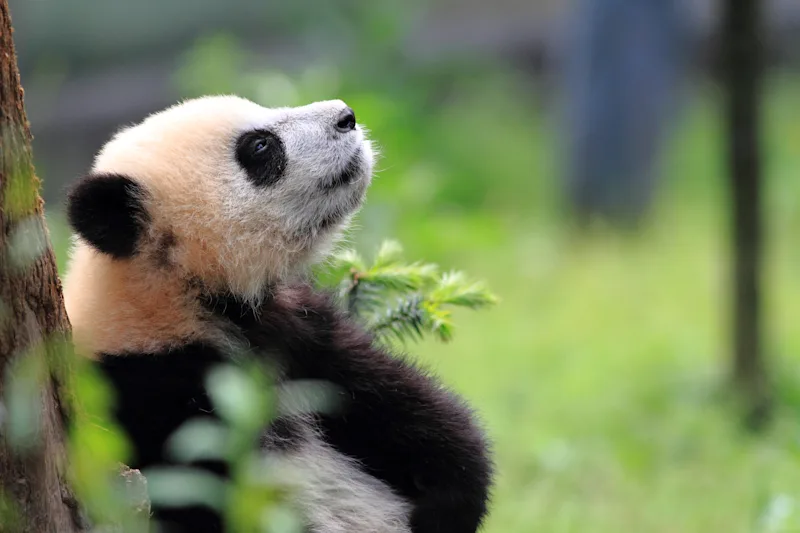
    Ten Interesting Facts about Giant Pandas

    Feb 23, 2014 · Elissa Poma

    10. The first panda came to the United States in 1936—a cub to a zoo in Chicago. It took another 50 years before the States would see another. 9. A newborn panda cub is 1/900th the size of its mother and is comparable to the length of a stick of butter.

  • Videos

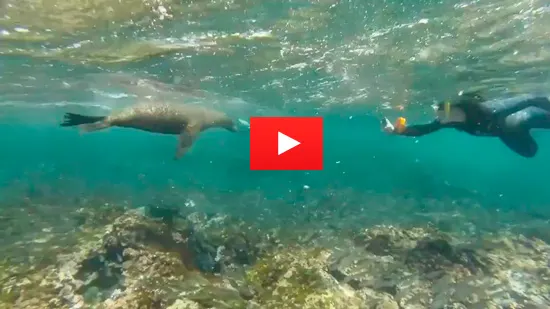
    Video of the Week: Swimming with Galapagos Sea Lions

    Feb 21, 2014 · Elissa Poma

    I had the pleasure of meeting traveler Richard Jacobs during a trip to Churchill, Canada, to see polar bears. A great conversationalist, considerate environmentalist and fine travel companion, Jacobs also proved to be a talented photographer and videographer; we even published one of his photos in the 2014-15 WWF-NHA travel catalog.

  • Videos

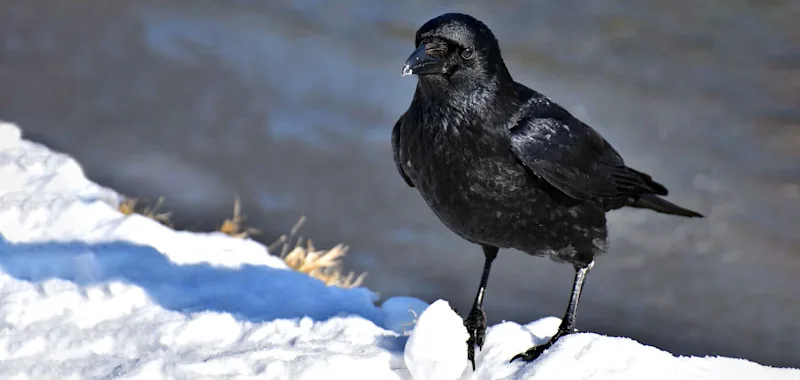
    Video: Crows, the Ultimate Problem Solvers

    Feb 20, 2014 · Candice Gaukel Andrews

    Given all the research that has been conducted on domestic and wild animals, we shouldn’t be surprised at how “intelligent” they are. Yet, evidence of their mental abilities still has the capacity to astound us—which I’m sure you’ll find out for yourself, once again, after you watch the video clip below.