

Conservation
We’re Losing Wilderness. And It’s A Loss to Science.
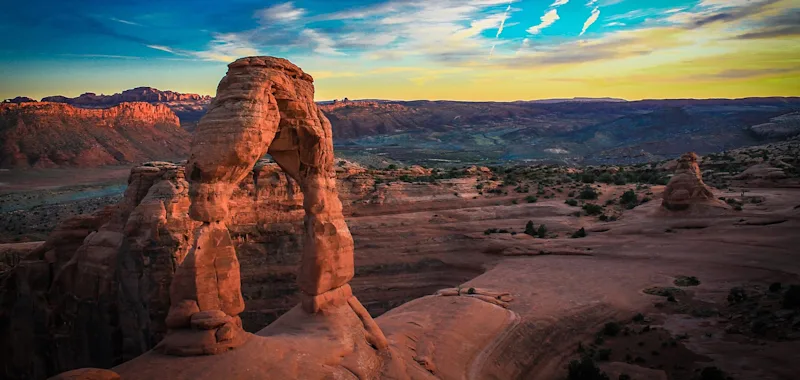
Today, it’s not only animal and plant species that we’re losing at an alarming rate. We’re losing wilderness; everywhere, all over the world.
Conservation
Today, it’s not only animal and plant species that we’re losing at an alarming rate. We’re losing wilderness; everywhere, all over the world.
News & More
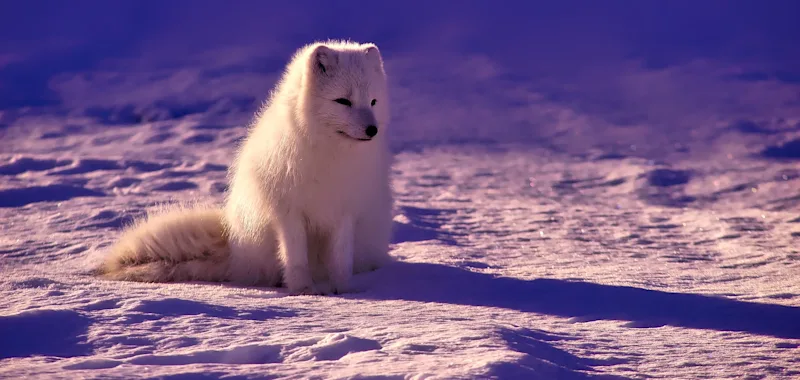
Scientists have long considered polar ice to be an extreme environment; a sterile place within which nothing can survive.
Nature & Wildlife
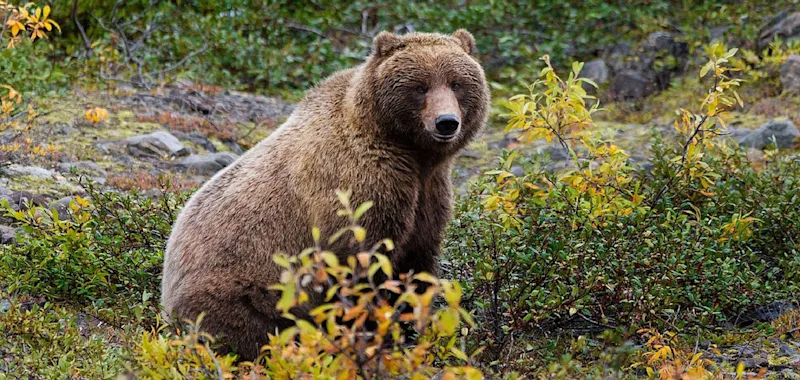
Forests are important in our warming world. As we burn fossil fuels—such as coal, gas and oil—and cut down and burn forests for agricultural fields, the released carbon dioxide spreads across the planet. That, in turn, captures and traps the solar heat that would otherwise be radiated out into space, and our Earth heats up.
Nature & Wildlife
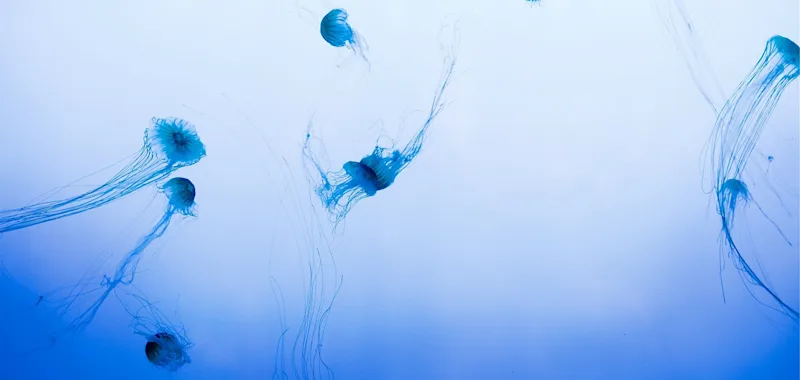
Every night on Earth, a great migration takes place. It’s bigger than the ones of caribou, wildebeest or zebras on land or Arctic terns in the air. But while this stupendous, nightly migration overshadows all the others, you’ve probably never heard of it. And even more surprising is the fact that it’s vertical.
Nature & Wildlife
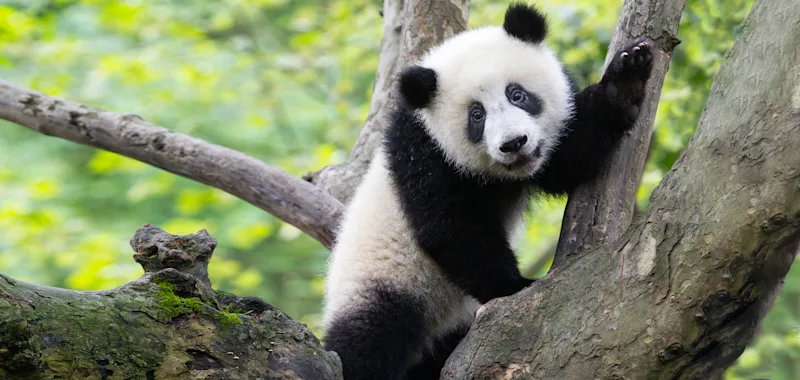
Because of ongoing and potential loss of their sea ice habitat resulting from climate change, polar bears were listed as a threatened species in the United States under the Endangered Species Act in May 2008.
Nature & Wildlife
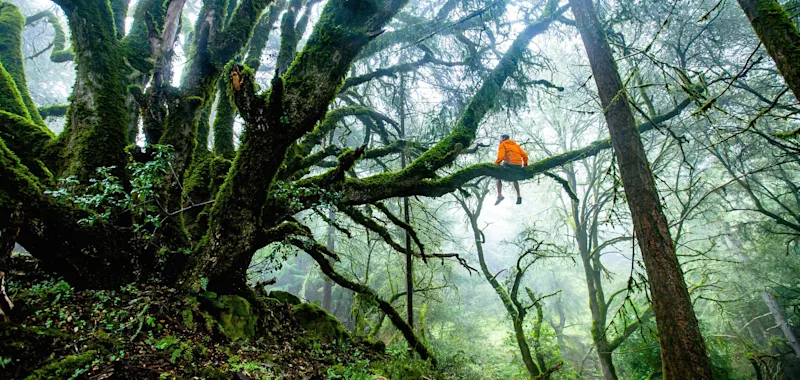
Ask any avid nature traveler how he or she first began to make a lifelong attachment to the outdoors, the natural world or a particular species of wildlife, and you’ll get as many anecdotes as the individuals you query.
Nature & Wildlife
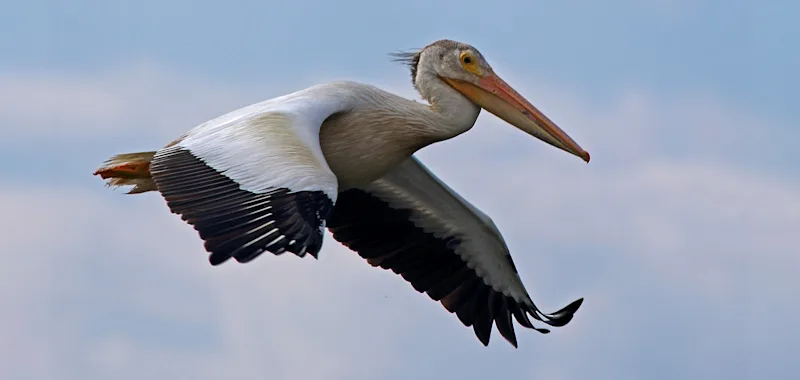
We’re more than halfway into 2018, the Year of the Bird. When I wrote about this banner year back in December 2017, I wondered if by marking the 100th anniversary of the Migratory Bird Treaty Act (MBTA), we would make any true progress on protecting our nation’s—and the world’s—birds.
Europe
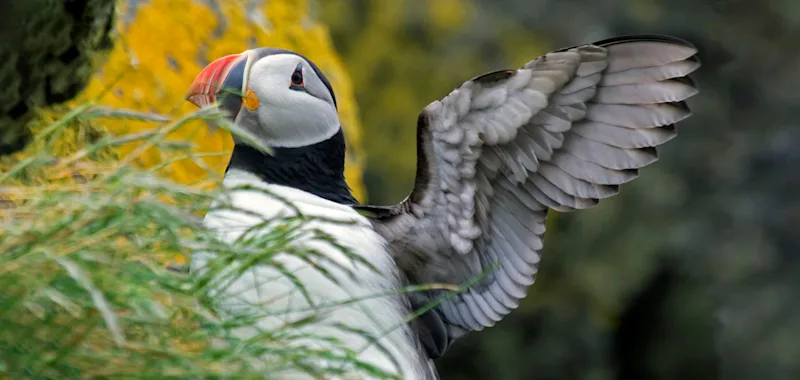
Every time I see a puffin, the same thought comes to mind: They’re not real, right? They’re too impossibly cute. For me and for everyone else on the planet, I bet, they seem just too adorable to be of natural origins. But they are.
Videos
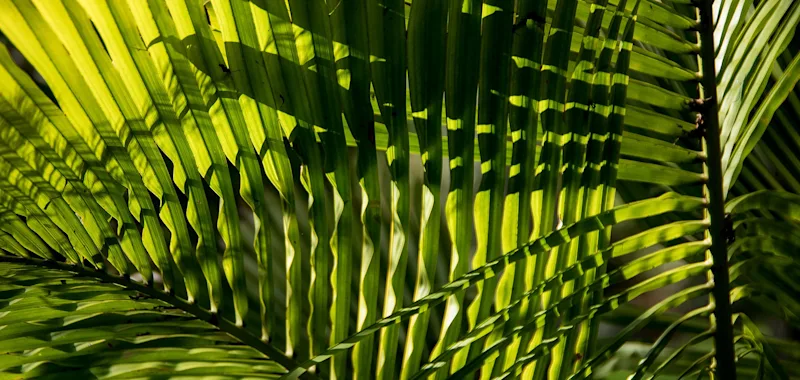
Close your eyes and picture a vivid green, lush rain forest that’s teeming with life. If I asked you where you imagined you were, your answer would probably be something like the Amazon or Costa Rica. But not too long ago—geologically speaking—your reply could have been the Arctic.
News & More
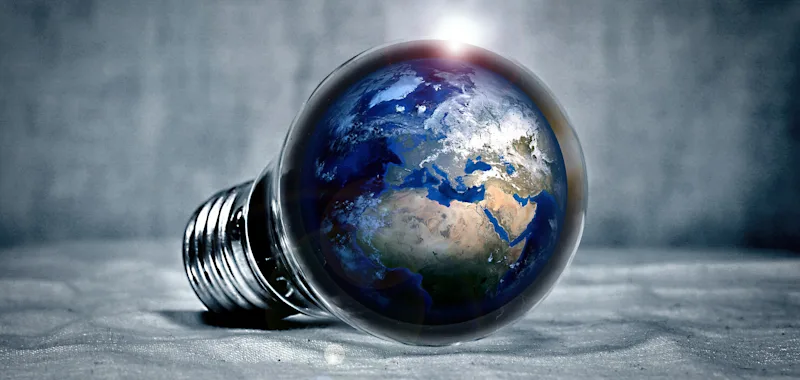
Perhaps no issue defines our Anthropocene Age more than climate change. The topic has been in news headlines for more than four decades now, ever since U.S. scientist Wallace Broecker put the term global warming into the public domain in the title of a 1975 scientific paper.
Nature & Wildlife
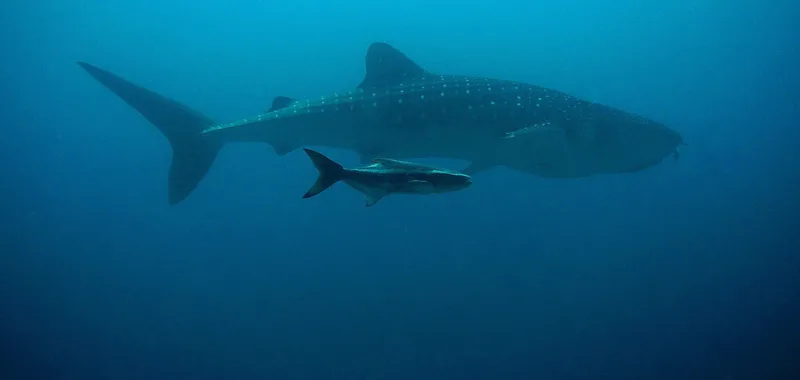
More than 400 shark species inhabit our planet. And while facts about some of them may be well-known to researchers and the rest of us, there are many shark species whose behaviors remain mysterious and secretive. In mid-April 2018, we learned that the actions of basking sharks fell into that latter category.
Antarctica & Arctic
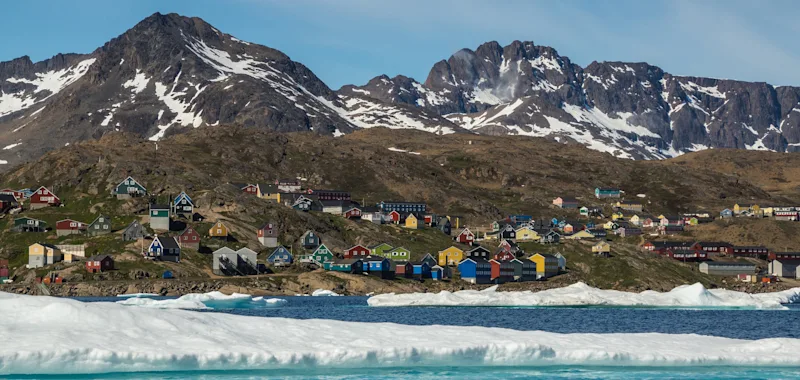
On a big rock above a crystal-blue and iceberg-filled bay in wild East Greenland, I realized that travel sometimes can mean not moving at all.