Mysterious Sharks: Great Gatherings and Long Lives

More than 400 shark species, opens in new tab inhabit our planet. And while facts about some of them may be well-known to researchers and the rest of us, there are many shark species whose behaviors remain mysterious and secretive.
In mid-April 2018, we learned that the actions of basking sharks fell into that latter category. A recently published study, opens in new tab in the Journal of Fish Biology revealed that close to 1,400 basking sharks gathered off the East Coast of the U.S. in 2013. Since, to the best of our knowledge, population estimates for basking sharks in the area are only in the hundreds, this marked an occasion where a large chunk of all of the basking sharks in the entire region were present. Scientists are trying to work out why.
While they’re pondering that mystery, another shark species, the Greenland shark,, opens in new tab may soon reveal one of its best-kept secrets: the key to longevity.
Mysterious meetings in the Atlantic Ocean
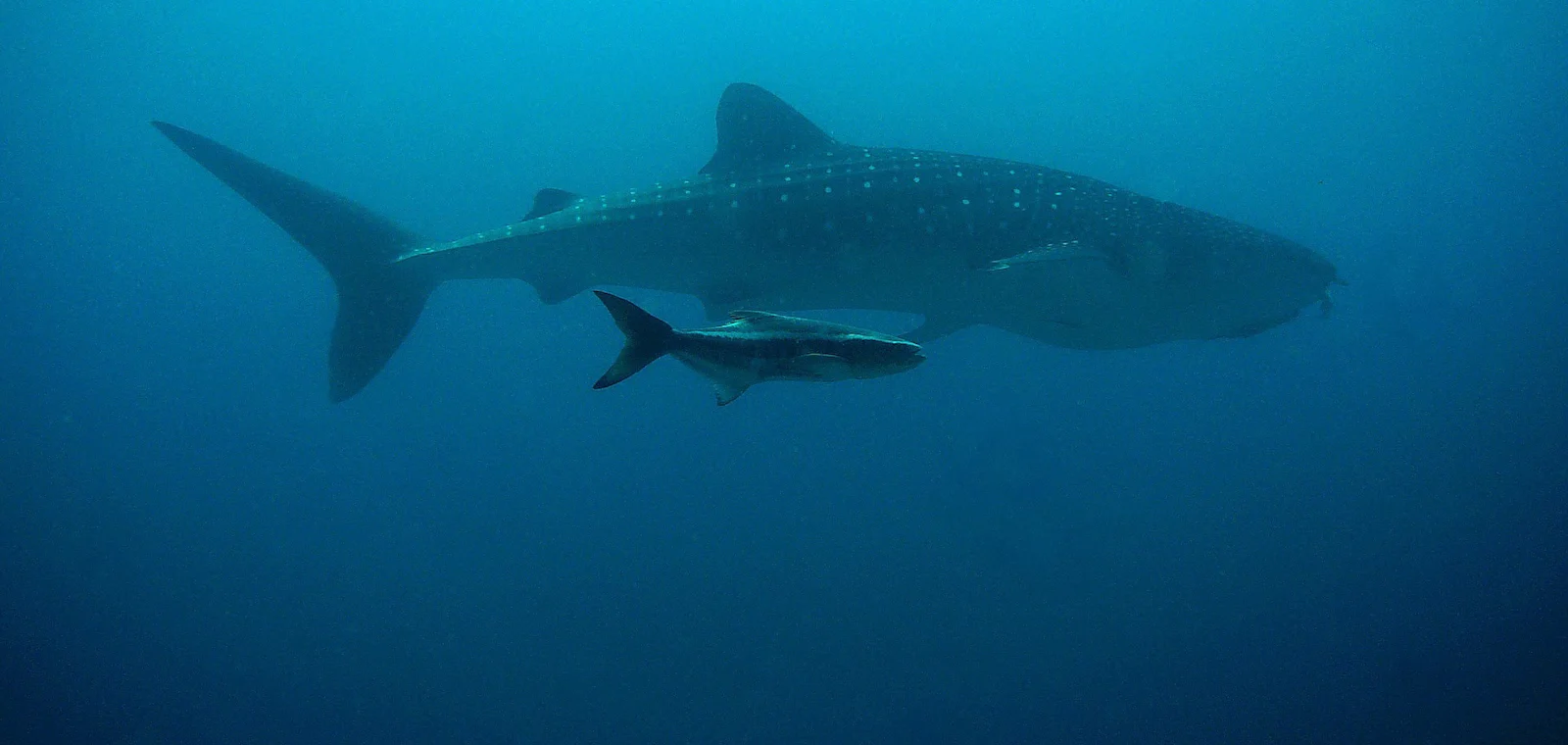
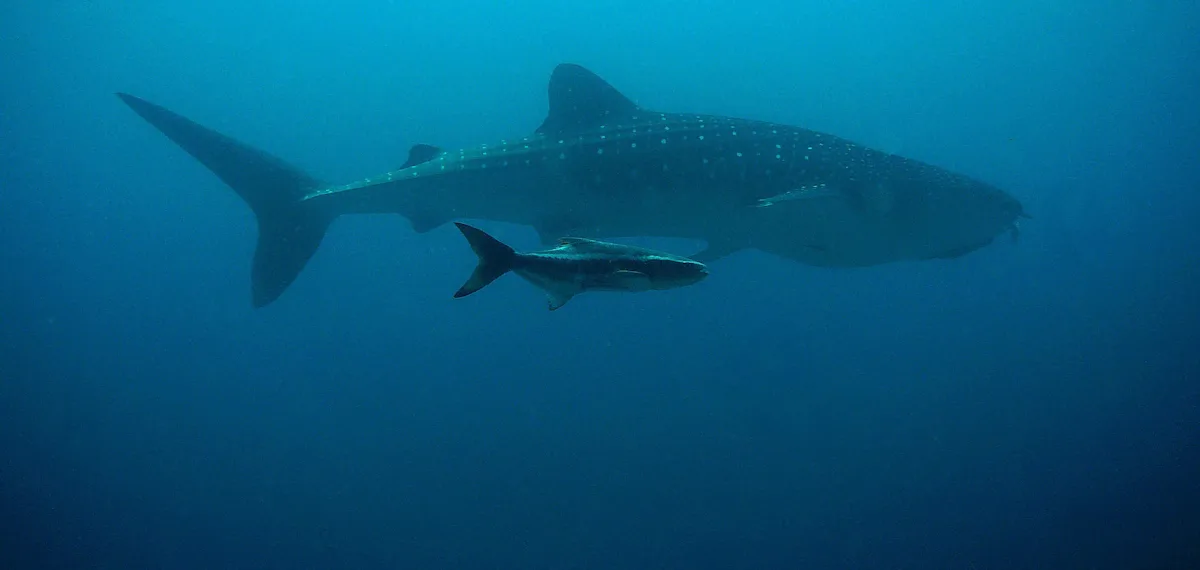
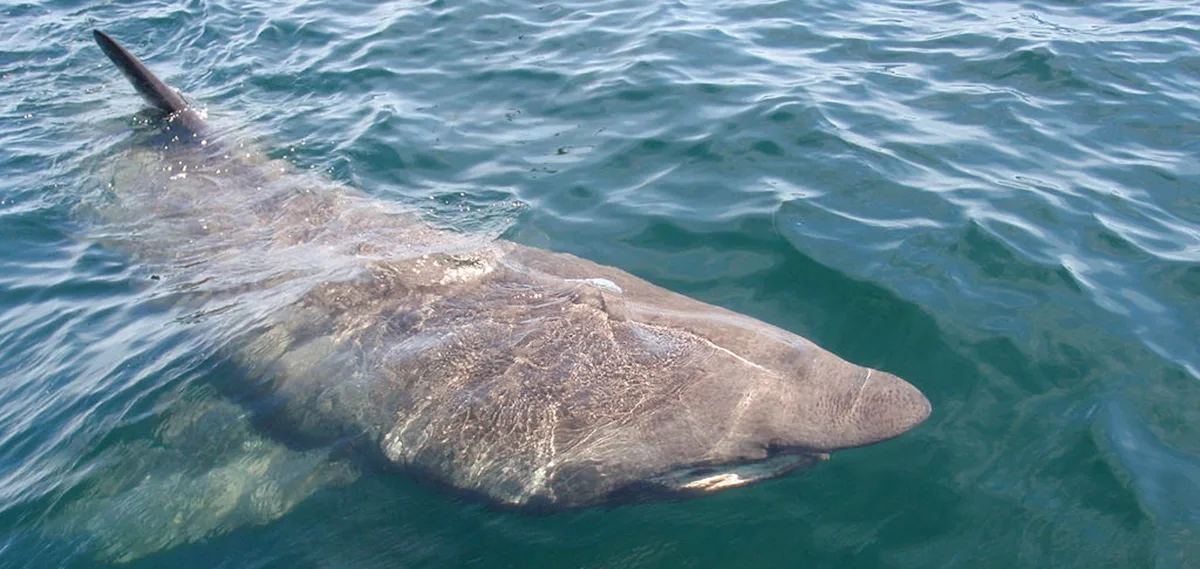
Basking sharks, opens in new tab are the second largest fish in the world—surpassed only by whale sharks. These huge fish that can reach 32 feet in length and weigh as much as five tons are unusual in the shark world for their diet: they eat plankton (whale sharks and megamouth sharks are the other two species of sharks that eat plankton). Until now, basking sharks were generally believed to be solitary swimmers. The results of the 2018 report suggest that they may interact more than we thought.
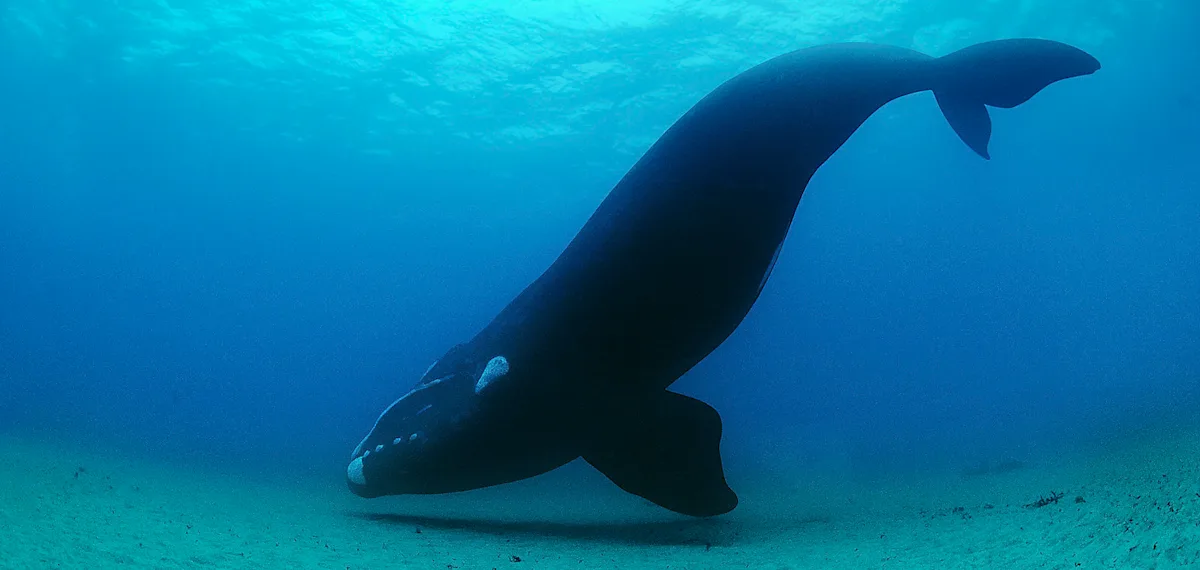
For almost 40 years, scientists have been using aerial surveys to document endangered North Atlantic right whales in the waters stretching from Nova Scotia to Long Island. Studying those records, along with ship-based survey data and earth-orbiting satellite and oceanographic databases, the researchers publishing in the recent issue of the Journal of Fish Biology came across only 10 sightings of basking sharks in groups numbering larger than 30 individuals. All of them took place between June 1980 and November 2013. Eighty-nine percent of the time, the sharks traveled solo; most other times, they were found in small groups. However, on November 5, 2013, off southern New England, the largest gathering ever recorded happened: 1,398 basking sharks came together in an event now termed a superaggregation.
Scientists aren’t certain as to why the basking sharks gathered in such large numbers. Previously, the sharks had been known to congregate occasionally, but only a few hundred at a time and generally in the Pacific Ocean.
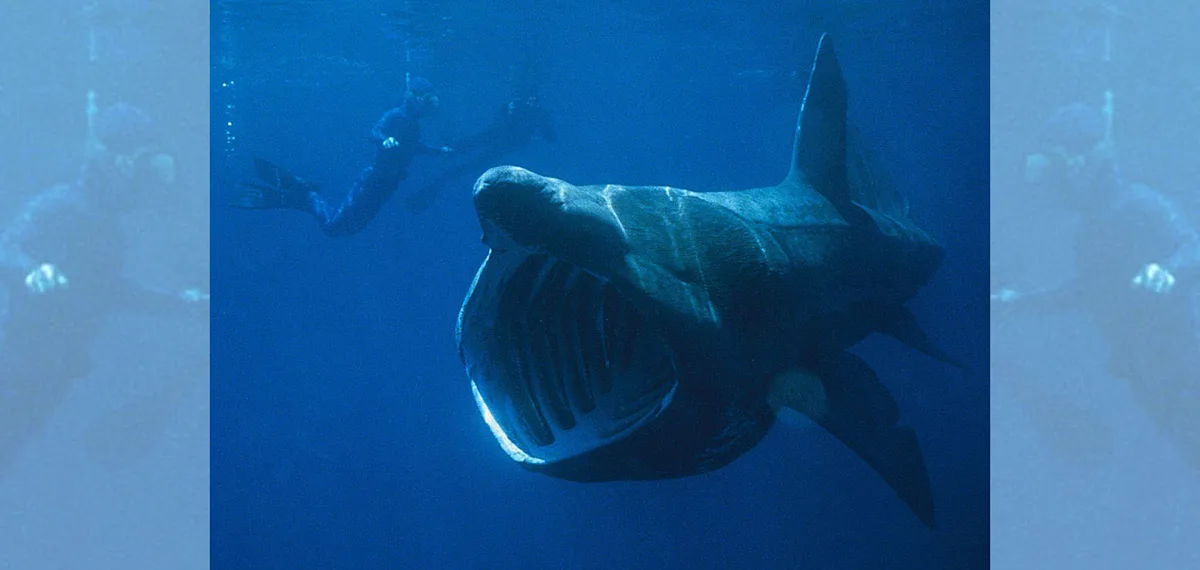
What does provide a clue is the timing of the event; it occurred in the fall, when sea surface temperatures range between 55 and 75 degrees Fahrenheit, and when the National Oceanic and Atmospheric Administration was able to confirm that high concentrations of zooplankton were present. The sharks thrive on these tiny, floating creatures, chowing down by swimming close to the surface of the water with their huge mouths wide open, allowing their specialized gills to filter the plankton. The basking sharks may have been in a feeding frenzy on this plankton bloom before setting off on their annual autumn migration south.
The researchers also postulate that the animals may have been conserving energy by slipstreaming off each other, reducing the immense drag caused by swimming with their mouths open.
Longevity links in learning
While the basking shark “summit” is puzzling for now, Greenland sharks could soon reveal the long-awaited prescription for longevity.
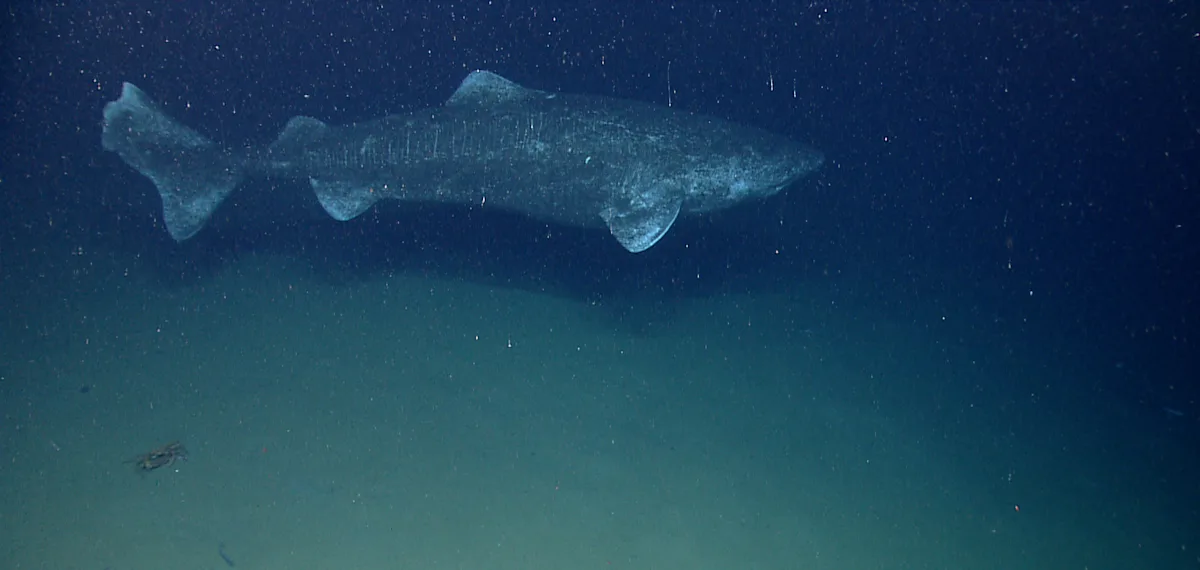
Not much is known about the biology and genetics of the Greenland shark—a member of the sleeper shark family that has existed for about 110 million years—which is found in deep, cold waters of the Arctic and North Atlantic Oceans.
But last year, research published in the journal Science, opens in new tab suggested that Greenland sharks might live to be up to 400 years old—predating the Industrial Revolution and the introduction of intensive commercial fishing.
That makes Greenland sharks the longest-lived vertebrates on record by a huge margin; the next oldest is the bowhead whale, which can live to be 211 years old. Now, geneticists mapping their DNA hope to uncover their secret to long life—and how that could help extend life expectancy in other vertebrates, including humans. In comparison, other shark species living in the same regions as the Greenland shark live between 30 and 50 years. Greenland sharks do not seem to succumb to the diseases that kill related species much earlier.
In the summer of 2017, in a lecture delivered at Great Britain’s University of Exeter, Professor Kim Praebel of the Arctic University of Norway described his work sequencing Greenland shark DNA. Using tiny clippings from the fins of the sharks, which were caught live on a line, tagged and released, Professor Praebel and his colleagues were able to sequence the full mitochondrial genome of almost 100 Greenland sharks, which includes individuals born in the 1750s.
The genetic sequences are helping them understand whether the Greenland shark has evolved specific metabolic adaptations towards extreme longevity. They are now attempting to find the genes that hold the secret to why the sharks live so long—and how they seem to avoid cancer, heart disease and other ailments that go along with aging in humans.
The genetic data, bones and tissues from the sharks will also help measure the impact of climate change on the population, when and how contaminants and chemical pollution from industry began to affect the oceans, and the extent to which commercial fishing over hundreds of years has affected the shark population.
Rankings on the Red List
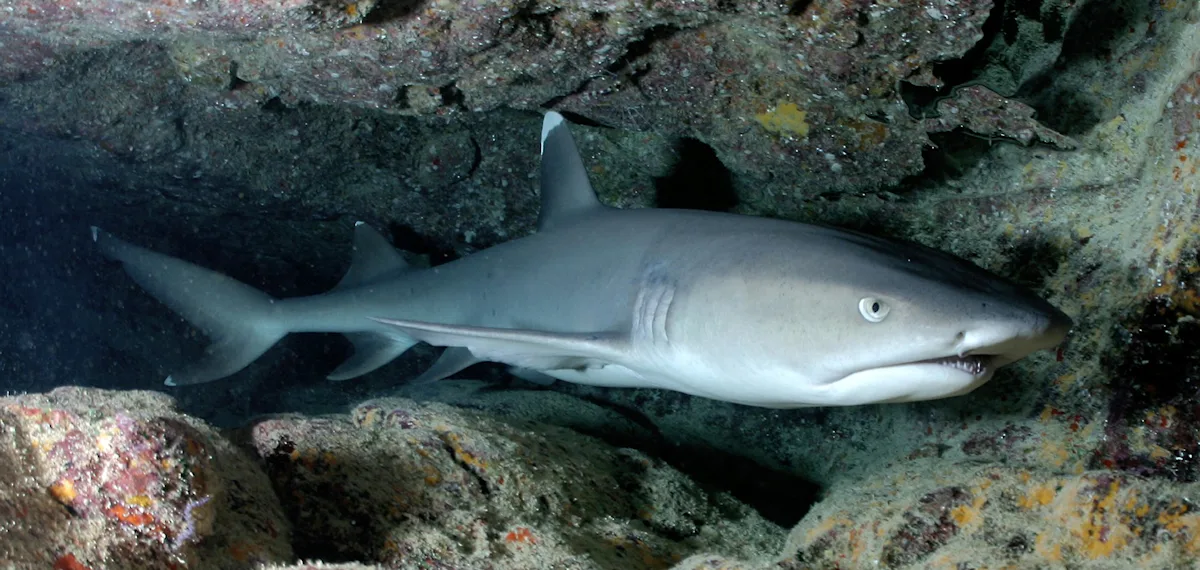
The Greenland shark’s extreme life span makes the animal so unique that many conservationists argue that it deserves special status, one beyond its “near threatened” ranking, opens in new tab on the IUCN Red List of Threatened Species. Some believe that basking sharks, too, should be bestowed a higher level of safeguarding: during the 20th century, the slow-moving sharks were intensely hunted for their liver oil, used for lighting, their skin for leather and their meat for food. Fisherman in both the North Atlantic and North Pacific took hundreds of the slow-growing sharks per year until the population collapsed and hunting them was no longer viable. Today they are listed as “endangered”, opens in new tab on the IUCN Red List.
The basking sharks’ enigmatic super-aggregation may remain a mystery, but it is a hopeful sign that the strange, little-studied shark is doing all right—at least in the North Atlantic. The sight of a docile basking shark with its three-foot mouth open to swallow huge amounts of plankton is regarded as one of the planet’s most intriguing—and, for the lucky—must-see natural wonders.
Let’s hope that their species and ours—with lessons learned from the Greenland sharks—will be around for a long time to come.
Here’s to finding your true places and natural habitats,
Candy