





—By Whitney Kent, WWF
Many people haven’t even heard of Borneo. Others may say, “Borneo! Wait…where is Borneo?” The latter was the typical reaction when I said I was joining WWF’s travel partner, Natural Habitat Adventures, to this Southeast Asian Island, jointly shared by Malaysia, Indonesia and Brunei.
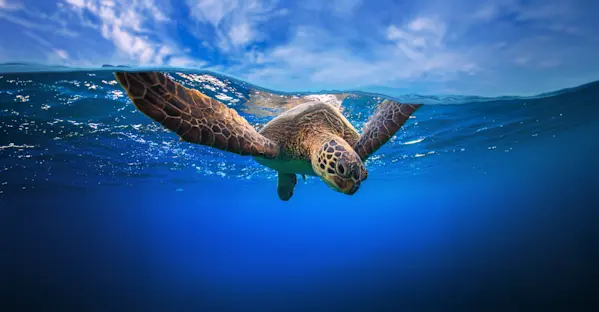
After more than 24 hours of travel, I arrived at one of the most biologically diverse habitats on Earth and the world’s third-largest island. While there, I saw animals that most people would only see in zoos or on TV, including orangutans, proboscis monkeys, green turtles, sun bears and tarsiers.
As inspiring as those sightings were, the experience was dotted with reminders that people have impacted these animals and their habitat to such an extent that we are in damage control. The effects of forest destruction, infrastructure developments, poaching and the wildlife pet trade were inescapable, but so were numerous conservation efforts to counter them.
The Effects of Palm Oil
© WWF-US / Whitney Kent
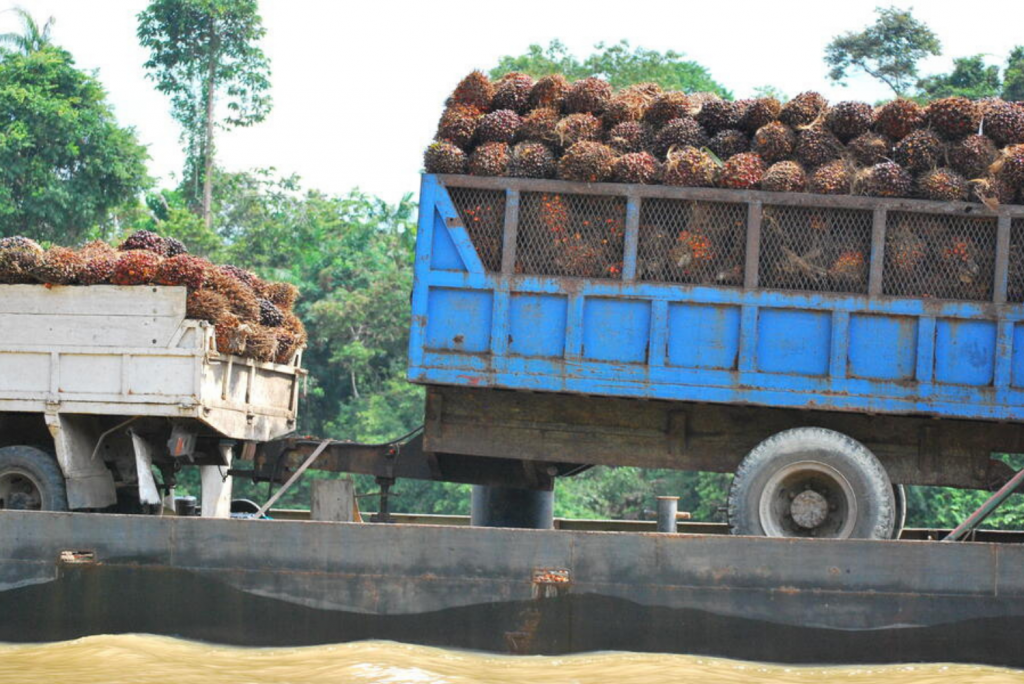
It was easy to spot areas that were cleared for palm oil, as well as boats and trucks carrying loads of palm fruits—the part of oil palm trees that oil is extracted from to be used in everyday commodities like foods, soaps and cosmetics. The vast majority of the world’s oil palm trees are found in Malaysia and Indonesia, and unsustainable palm oil production is destroying these forest habitats, particularly from the slash-and-burn method of clearing forests for palm oil plantations.
Thankfully, a growing number of countries and businesses are seeing that sustainable palm oil is the way of the future. In recent years, Malaysia and Indonesia have introduced measures aimed at limiting deforestation and improving sustainability in the palm oil sector.
WWF has engaged with the palm oil industry since the early 2000s, including co-founding the Roundtable on Sustainable Palm Oil (RSPO), which works to implement best practices for responsible sourcing and production of palm oil.
© WWF-US / Whitney Kent
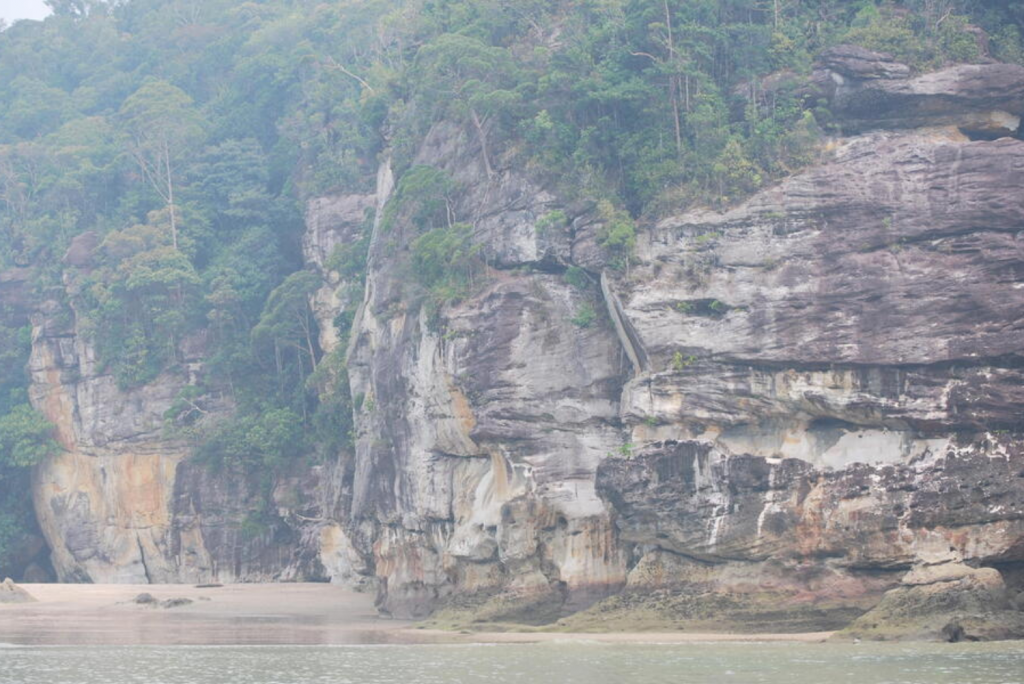
Despite these positive strides toward improving the industry, the thick haze blanketing the region was a disheartening reminder that unsustainable palm oil practices are still widespread and rampant. The haze was drifting over from Indonesian Borneo, where fires were raging uncontrollably into other parts of the region. These intentionally set fires are destroying key habitats and corridors for many endangered species. Additionally, they’re extremely difficult to put out, particularly in peat forests, where fires can burn and travel underground.
© WWF-US / Whitney Kent
Species Conservation
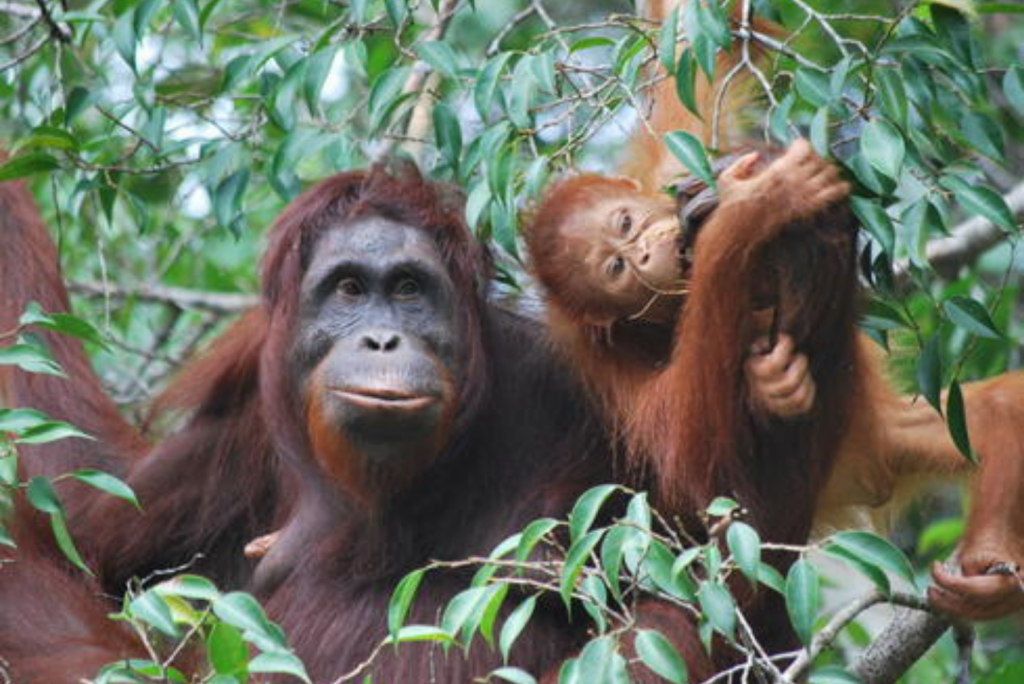
The species-focused conservation initiatives were highlights of the trip and included some of the best views of the animals. We visited centers for orphaned, injured and rescued orangutans and sun bears, where the animals are given free-roaming access to protected forest habitat and are slowly rehabilitated until they can be released back into the wild. At the orangutan centers, the staff provided supplemental food at set times, and the animals often eagerly returned for the feedings (which gave us some close-ups of the animals!).
We also saw dozens of proboscis monkeys—the unique primates with long noses only found in Borneo—returning for feedings at a sanctuary. The privately owned land, spanning 400 acres of mangrove forest, was originally purchased to be converted into palm oil plantations, but the owner ultimately decided to preserve it as a protected refuge for these monkeys.
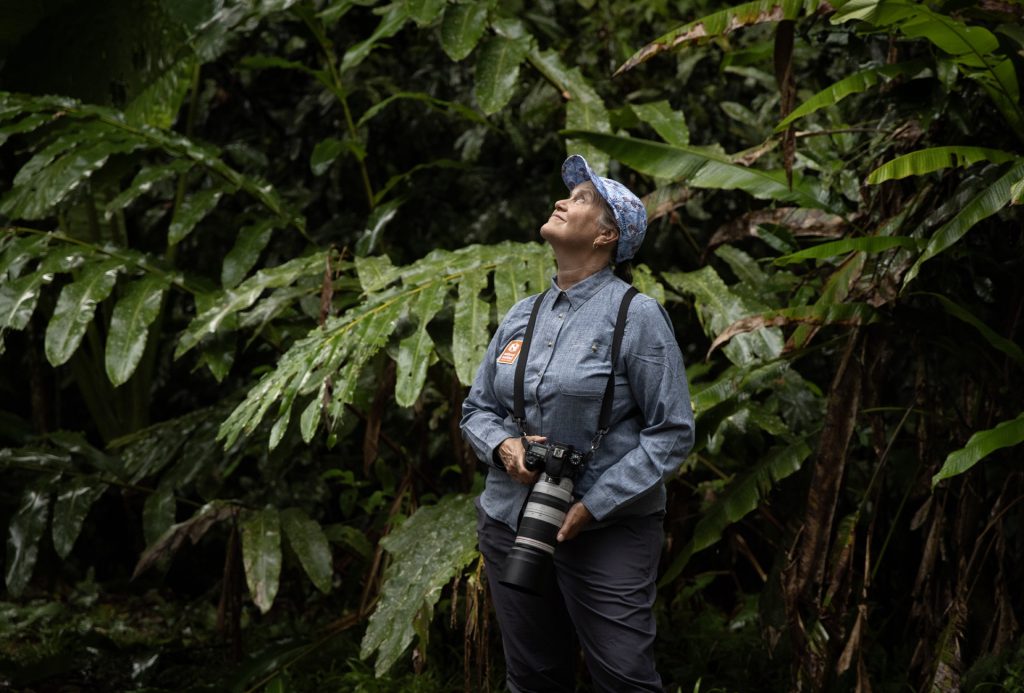
Nat Hab guest listening to birds sing in the Bornean canopy. Photographed by Expedition Leader © Court Whelan
No Time to Spare
At a time when many of our world’s key habitats and species are at risk, Borneo isn’t excluded. A third of Borneo’s forest has been lost to deforestation, mainly due to palm oil plantations, pulp plantations and illegal logging, and the country is close to losing most of its lowland forest outside of protected areas. Some of Borneo’s most charismatic species, including those found only in this region, such as the pygmy elephant, are threatened with extinction due mainly to human impacts.
The conservation programs and environmental efforts we witnessed were hopeful signs that the tide is slowly turning toward recognizing the importance of sustainable practices and protecting threatened wildlife and their habitats.
Borneo and Sumatra are priority regions for WWF’s conservation work because of their high biodiversity and vital natural resources. Much of WWF’s work revolves around collaborating with local communities and the government to stop deforestation and reduce human-wildlife conflict—an increasing problem due to deforestation and human expansion into species habitats. When it comes to our planet and resources, it’s often only when we have inflicted enough damage or overconsumed to the point of losing something that we decide to act.
In Borneo, the risk is grave, but there is still time to counter some of these losses and prevent new ones from occurring in order to save this ecosystem and its wildlife. Today, conservation efforts across Borneo continue to focus on protecting remaining forests, restoring degraded land and supporting local communities on the front lines of change.