Video: Life in the Cold—Photographing Arctic Animals

“Thousands of years of evolution have prepared Arctic species like the polar bear, walrus and narwhal for life on and around the sea ice,” states World Wildlife Fund on its Arctic wildlife web page., opens in new tab And recently, one French photographer set out to document as many of those species—and how they fare in the cold—as he could.
Vincent Munier, opens in new tab pulled heavy sleds and trekked and skied hundreds of miles to capture the lives of Arctic hares, caribou, foxes, musk oxen, polar bears, snowy owls and Arctic wolves, opens in new tab in the white and frozen vastness of the North. What he managed to capture on film is nothing short of absolutely stunning.
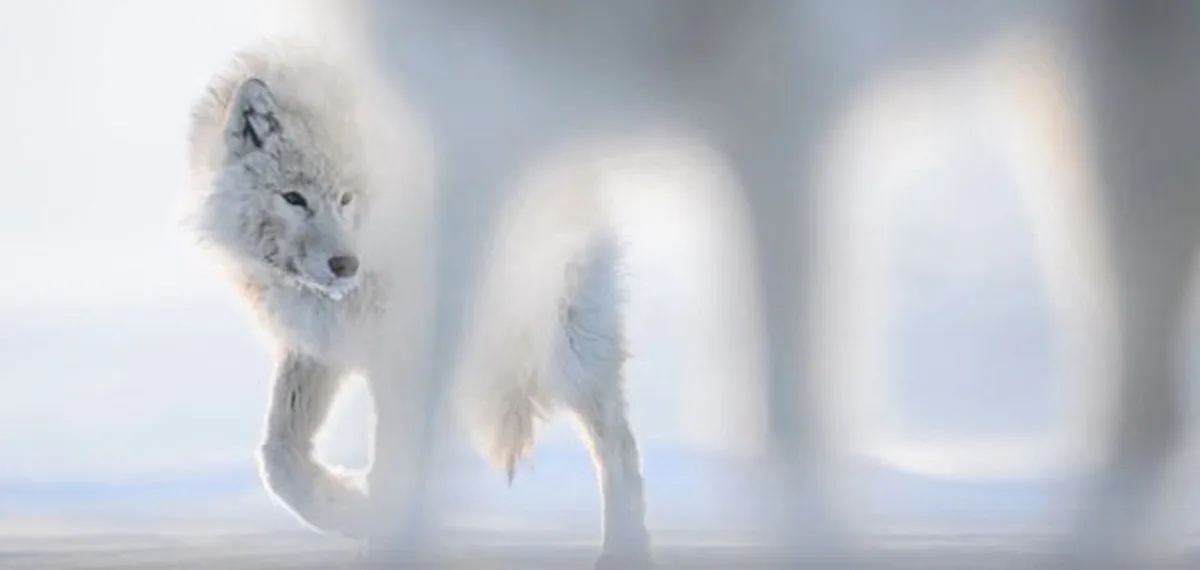
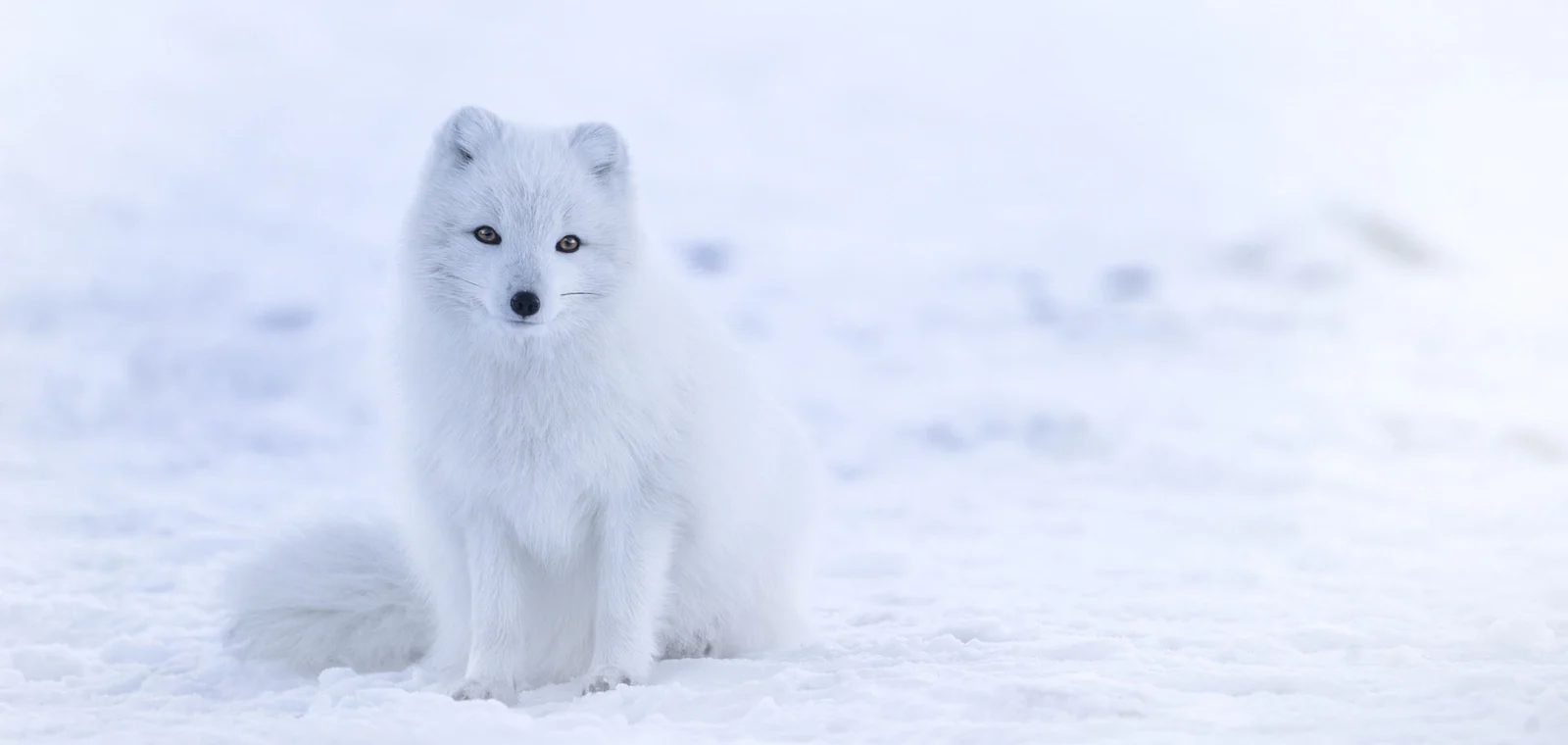
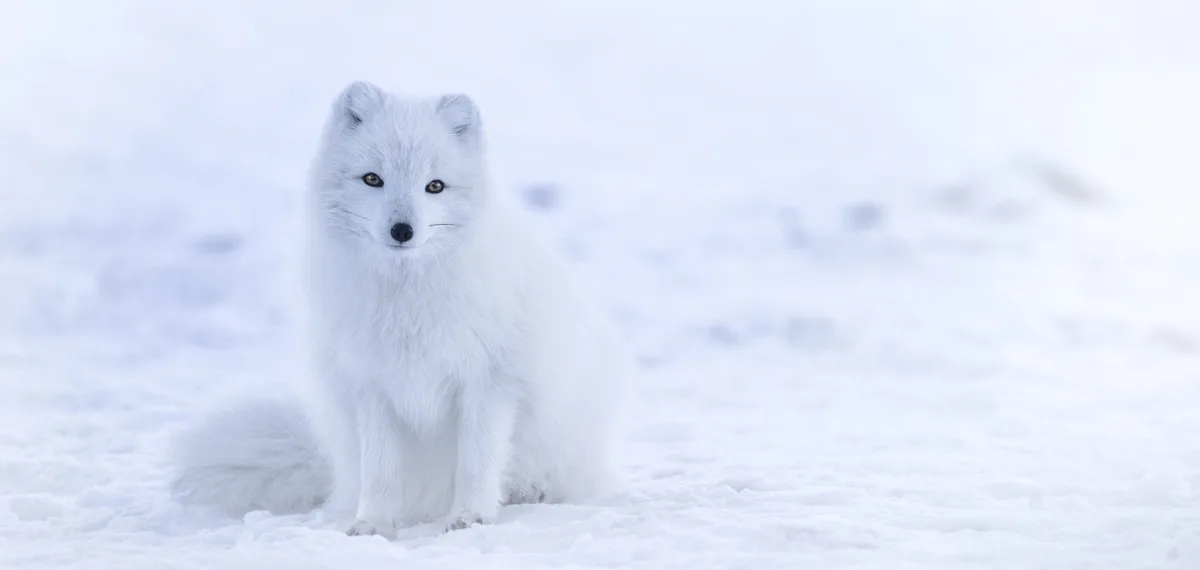
Life in the cold is not easy, and Arctic animals have had to come up with inventive ways to adapt. Arctic hares, for example, hang out in groups, huddling together for both warmth and protection. Arctic wolves developed shorter legs, smaller and more rounded ears, and shorter muzzles than their “cousins” farther south to reduce their surface-to-volume ratio, minimizing heat loss. They also deploy a double-barreled defense between the biting winds and their skin: they have both a fur overcoat and a thick undercoat. The top layer of fur is thick and long with hollow hairs to trap air, preventing body heat from dissipating out into the cold. Underneath, the soft fur near the skin creates another layer of trapped air warmed by body heat.
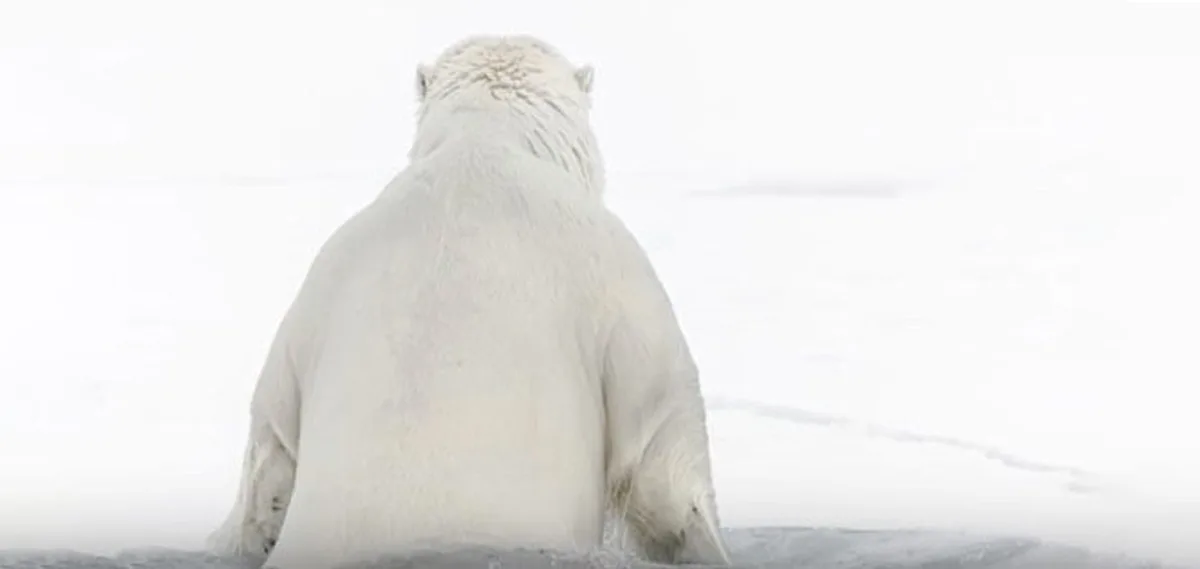
Similarly, the polar bear’s long, heavy fur—along with hollow hairs—creates an insulating layer of air between the bear and it’s frosty surroundings. And since being wet and cold is far worse than just being cold, polar bears have oily coats, which keep moisture at bay, even when they’re in the water. An insulating layer of fat located directly underneath the skin also helps polar bears battle the cold.
Musk oxen fur is made of thick, hollow hairs to keep them warm, and this tundra resident has a whole lot of them. Their fur hangs almost to the ground, creating toasty areas beneath them, adding to their comfort.
Spend a few quiet moments with the nine-minute video below, titled Arctique and scored by Rougge., opens in new tab You’ll come to appreciate these chill-ready animals as the artworks of nature that they are—and a photographer who faced the cold to bring them to us.
Here’s to finding your true places and natural habitats,
Candy