Tracking Devices on Narwhals and Other Wildlife Wear

After missing for more than eight years, Petunia, an American Staffordshire terrier, was found. She had disappeared from her home in Virginia sometime around Thanksgiving 2003. Last weekend, she was located in an animal shelter in California, more than 3,000 miles away.
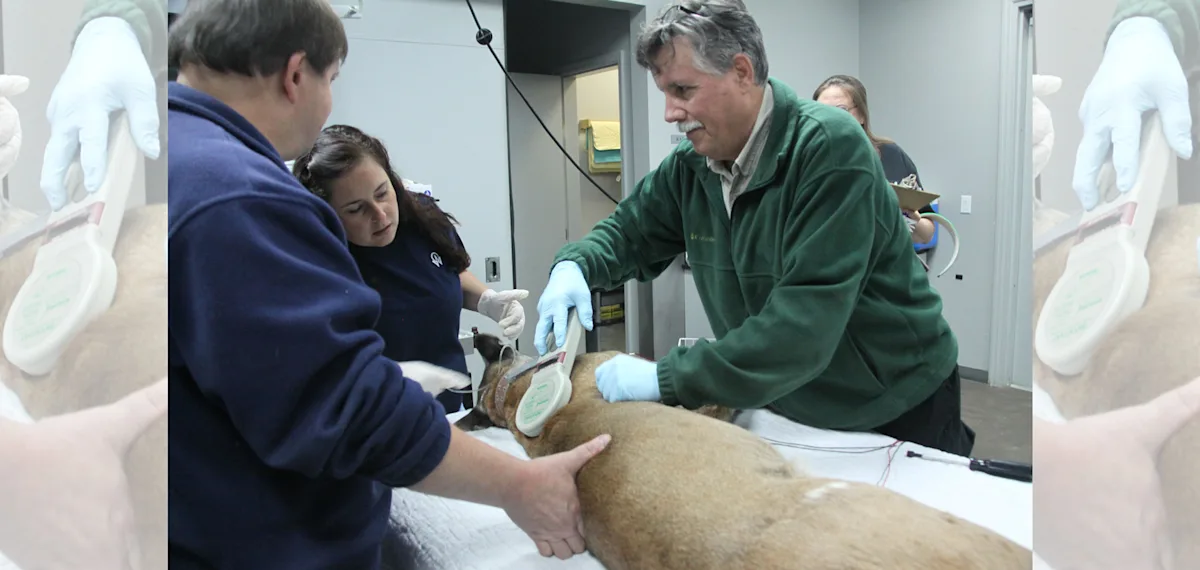
How do we know the dog is truly Petunia? She had been microchipped as a puppy, and a scan of her body linked her to a veterinary clinic in Virginia. The California shelter contacted the clinic, and the clinic got in touch with Petunia’s owners.
I don’t think any of us would deny that without tracking devices such as microchips, we probably wouldn’t hear about remarkable stories like this—or be able to reconnect people with their long-lost pets. Domesticated animals depend on us for protection and sustenance, and tracking devices help us meet those responsibilities.
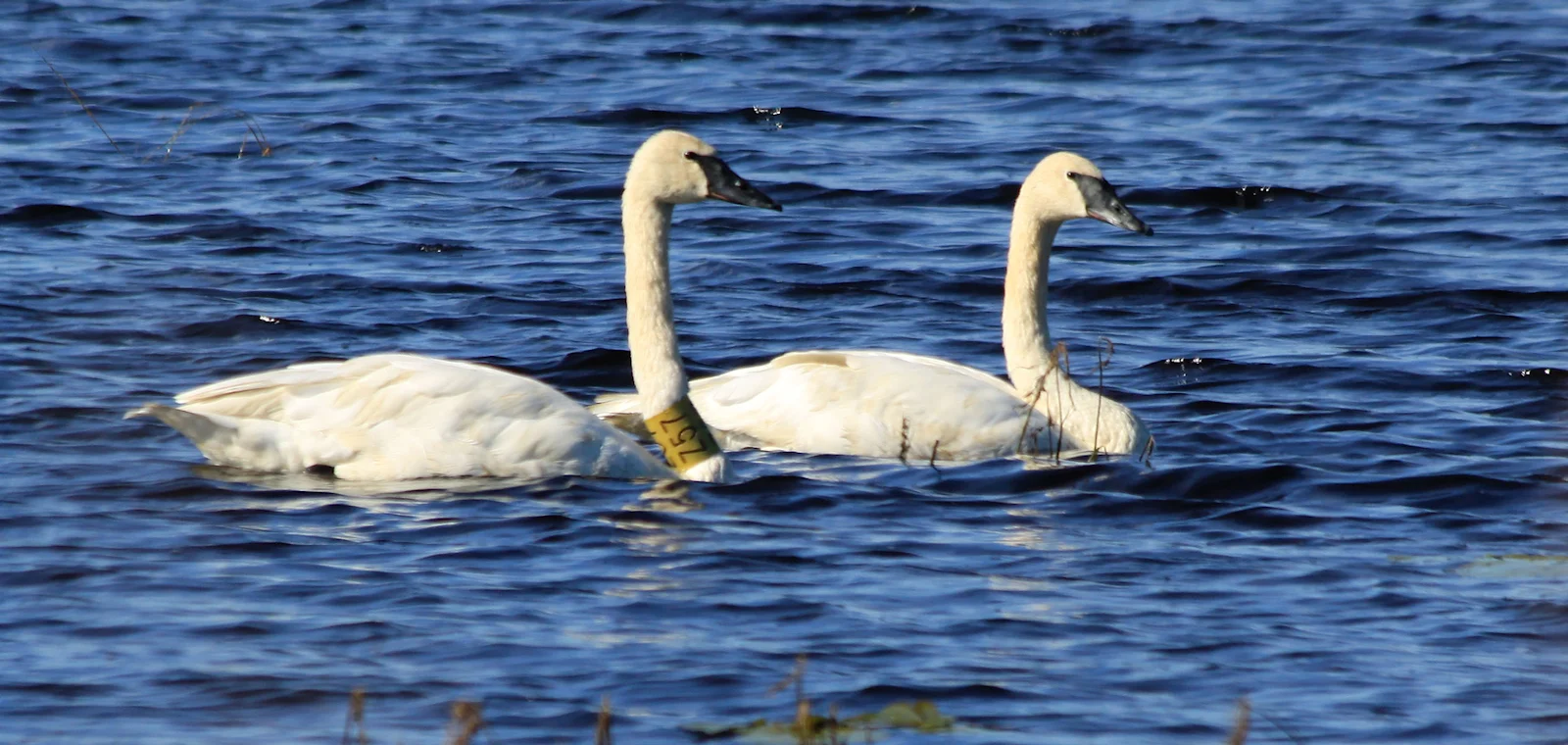
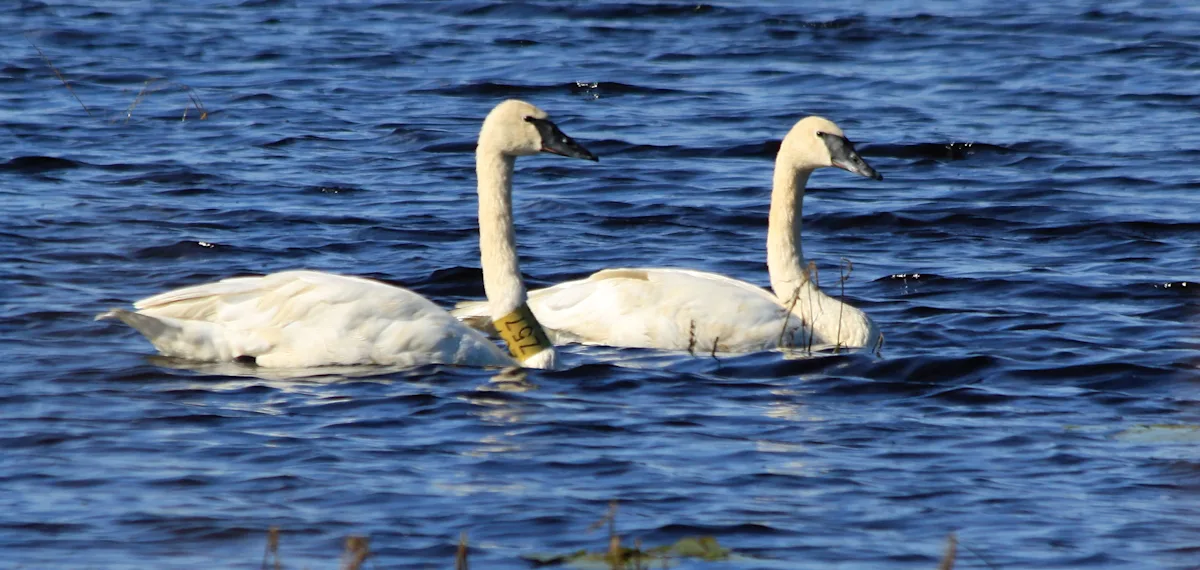
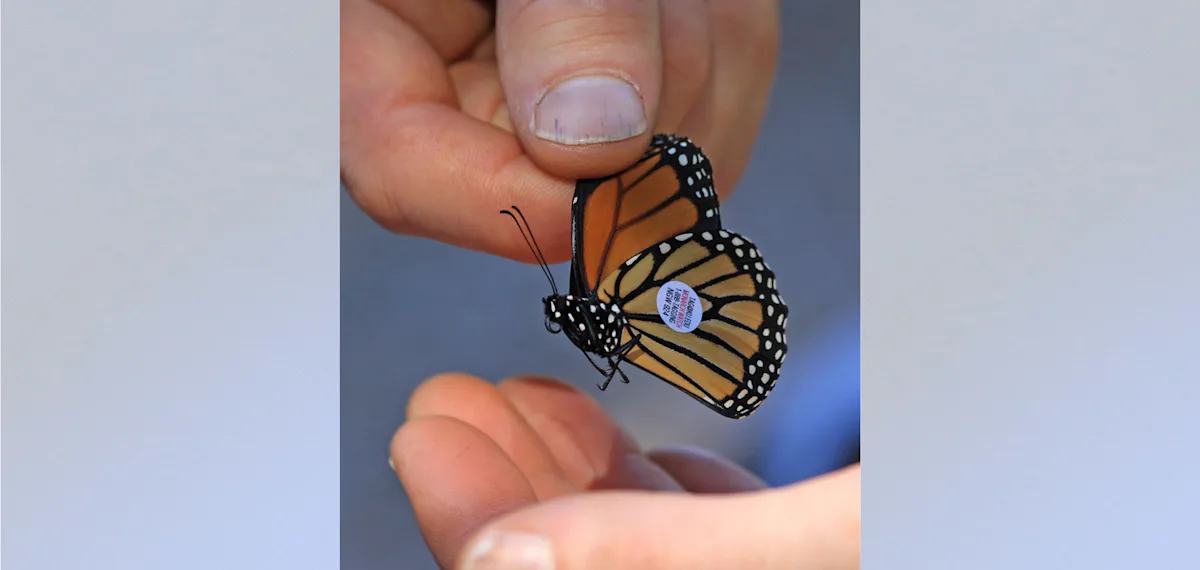
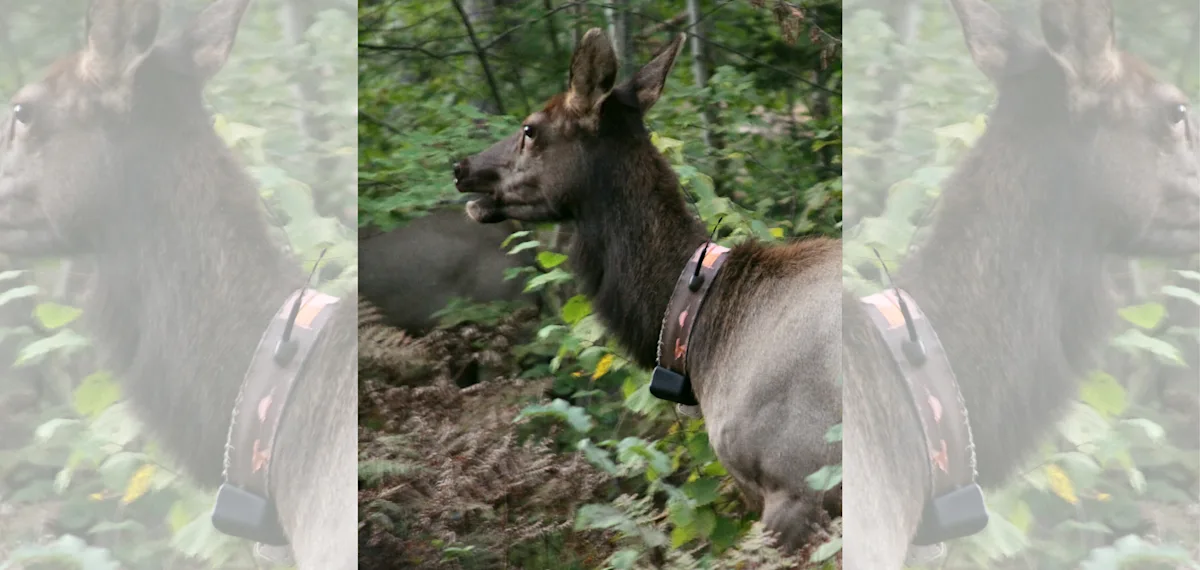
In the wild, of course, tracking devices on animals are used by scientists to gather data on migrations, find the home territories of various species or verify how far afield they roam. The devices range from tiny stickers on the wings of monarch butterflies to the large, heavy collars placed on elk.
So we shouldn’t be surprised to learn that one of the Earth’s most elusive and secretive creatures—narwhals—are now being equipped with transmitters that will keep track of their movements by satellite. Surprised, no. But should we be concerned?
Harpoons for research
Narwhals are often called the “unicorns of the sea” for the single, long tusk that erupts through their upper lips. Although a female will sometimes grow a small tusk, it is the male whose prominent “tooth” may measure more than eight feet. There are no more than 50,000 to 80,000 of these Arctic whales left in the world. More than two-thirds of the population summers in the fjords and inlets of northern Nunavut, Canada.
Although the effort to track narwhals has been going on for decades, in August 2011 nine new narwhals were fitted with satellite tracking devices. But fitting these elusive cetaceans with the mechanisms was no easy task. For two weeks, researchers watched as the narwhals approached the nets they cast, only to end up avoiding them. Finally, with the help of local Inuit skilled in using harpoons, the mission was accomplished.
The Inuit of northern Greenland, who design their kayaks to move with absolute silence in the water, hunt narwhals for food and have perfected the art of approaching them without being spotted. Once they had paddled into position, they flung their harpoons—whose spearheads were loaded with the satellite-tracking devices—into the whales’ flesh, embedding the devices in the narwhals’ blubber. Researchers say the narwhals felt no pain or were not harmed, since there are no nerve endings in this thick, fatty layer.
Minor injuries for major information
Researchers also say that eventually all of the trackers will slowly be expelled by the animals’ immune systems., opens in new tab This means that the narwhals’ bodies will consider the devices an “attack,” and their immune systems will kick in, working overtime to eject the devices. It also means that some of their reserve energy won’t be available to fight off other, perhaps more pressing infirmities or diseases.
I’m certainly not against tracking devices. I know that they have provided us with invaluable information on numerous species—data we probably couldn’t get by any other means. And having that knowledge often helps us to save these animals and their habitats from going extinct.
Equipping our domestic animal friends, such as Petunia, with tracking devices may not be much of a health risk, since—typically—they live among us and we can easily monitor them. But it’s difficult to be sure with wildlife whether a sticker on a delicate wing can cause just enough drag to make a 3,000-mile migration no longer possible; whether a chunky, leather collar makes moving an antlered head just a fraction of a second slower when a predator lurks; or whether a small wound on a wet back from a harpooned-in tracking device will make an entrance for an environmental pollutant.
Here’s to finding your true places and natural habitats,
Candy