Time, Space, and Wonder in the Galapagos

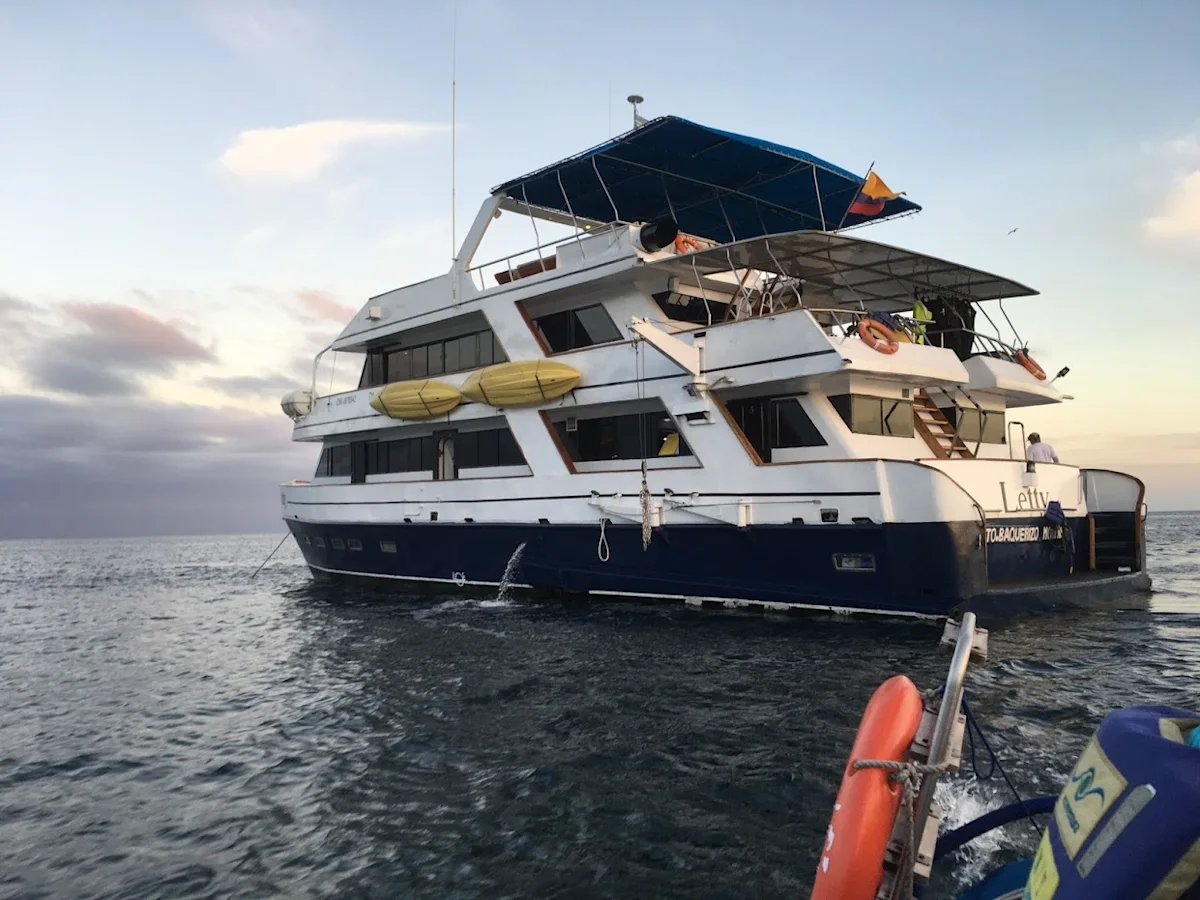
On the roof deck of our yacht, the Letty, this urbanite views the stars in their full brilliance for the first time in a year. As I lay there, space and time conflate – presently I gaze into the past as time flows on in this magical place, the Galápagos.

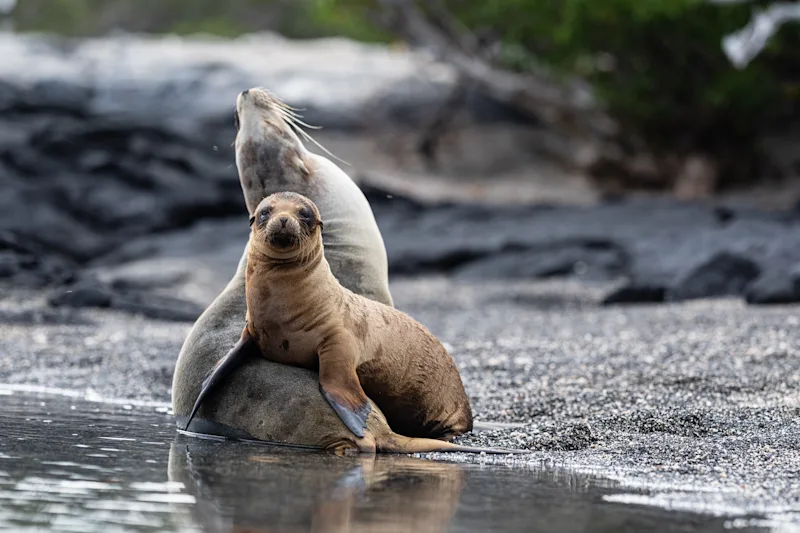
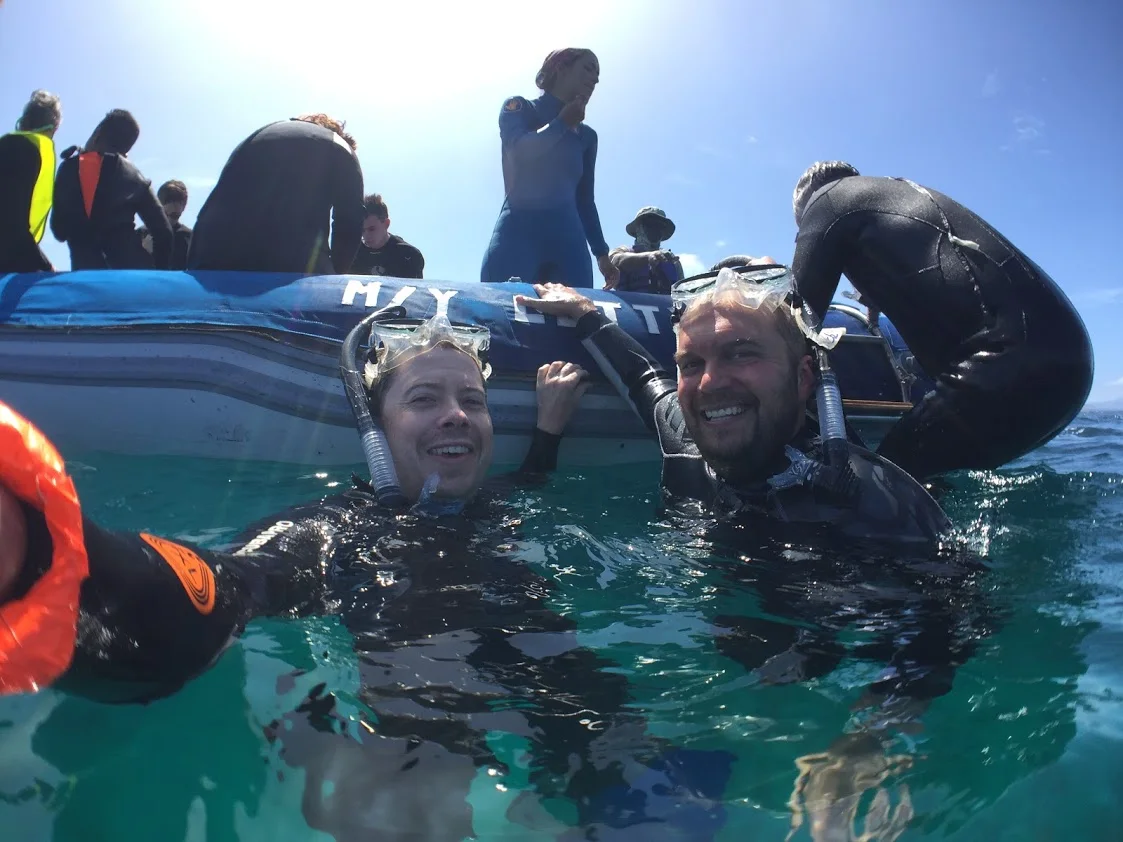
Along with 15 fellow passengers, ranging from 6 to 60ish, we travel to a new island each day, discover a new species and are left awe-struck. As a marketing professional for World Wildlife Fund, opens in new tab (WWF), I have seen hundreds of photos of these wild animals. But never have I experienced them in their natural habitats in their full glory. One moment you witness a sea lion baby nursing…pivot 90 degrees and see crabs playfully moving along volcanic rock.
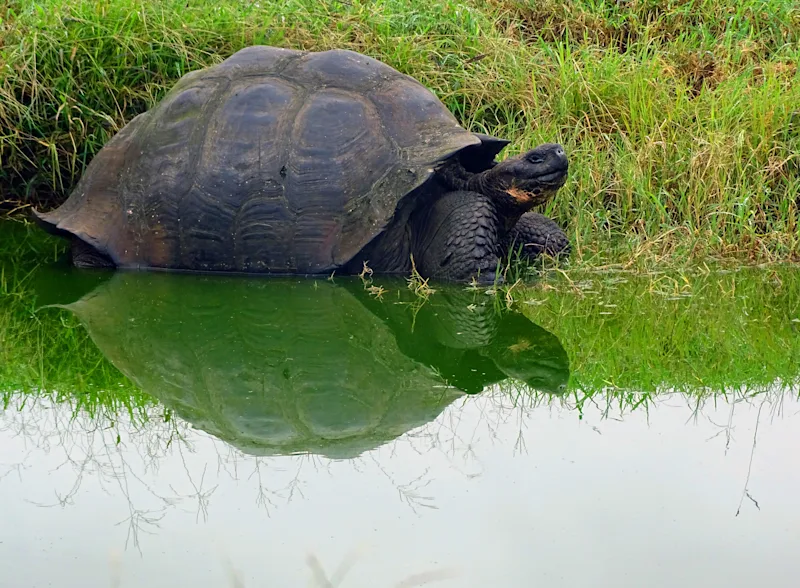
Of these magnificent creatures, I am most partial to the giant tortoises, opens in new tab. I respect their longevity (they can live over 150 years) and resourcefulness (they can go without food or water for up to a year). They also have a hidden kind of determination that is stunning. They plow through tall grasses to forge their paths. Females will do this as they make a multiple-weeks trip from the highlands to lowlands to lay eggs, only to return after a quick rest.
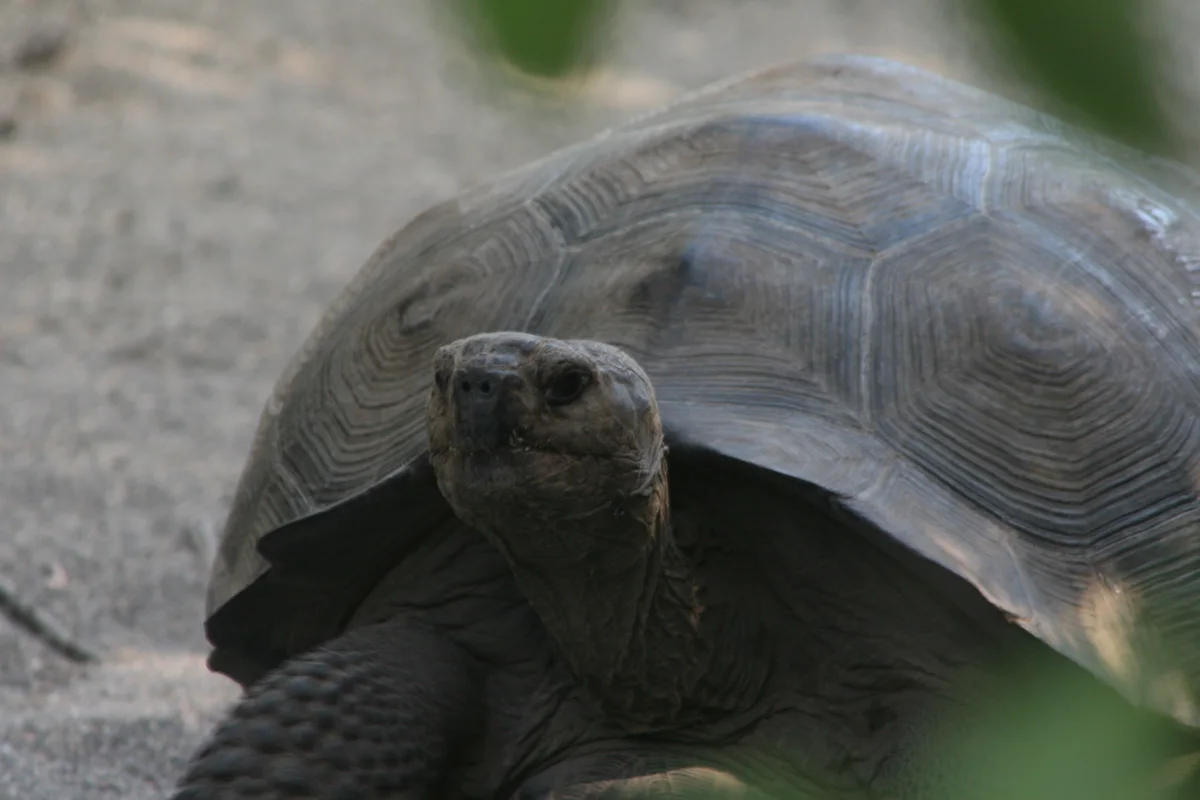
I first find a tortoise on Isabela, the largest of the Galápagos Islands – I stare in the eyes of this old creature, whose ancestors have been there for millions of years. A few days later at the Charles Darwin Research Station, which WWF helped launch in 1962, I walk past the breeding facility and see young tortoises at different stages of development. Remarkably, this program has relocated more than 10,000 mature tortoises to the wild.
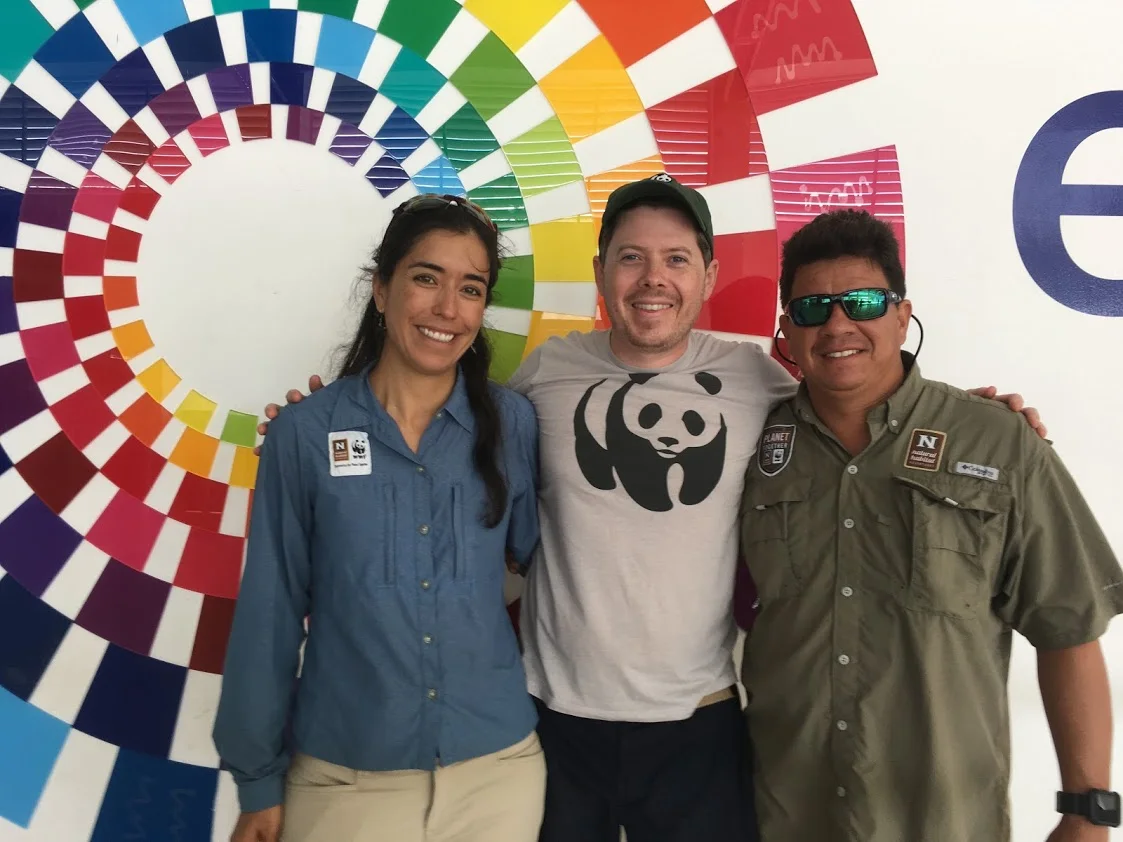
As the trip comes to an end, I reflect on the fact that I too am maturing, nearing age 30. Yet…I constantly find myself like Torin, age 6, jumping to the side of the water taxis to see sea lions in action. To me that’s a beautiful thing. Throughout this trip, people have been blessed to look at land, sky and sea and encounter endless wonder. That’s what we at WWF, opens in new tab, alongside partners such as Nat Hab, are striving to preserve.
By Nick Minnich, WWF