The Polar Bears of Instagram
WWF & Natural Habitat Adventures’ polar bear season has wrapped up, and we are wading through the photos our guides took and shared on social media while out in the field. We’ve added a bit of our own commentary to help explain some of the behavior travelers witnessed while out exploring the Hudson Bay tundra on our custom-built polar rovers.
Fall colors in Churchill, Canada
When you think of polar bears, opens in new tab, you typically think of snow and ice. The leaves in Churchill typically begin to fall off the branches in mid-late September, but you can still see the red-colored willow branches until it snows in late October or early November. If you visit early during Nat Hab’s polar bear season, you might get to see polar bears lounging in “fall foliage”, a bonus for photographers.
Mama bear and her cubs
Pregnant female polar bears usually enter their winter maternity dens in October or November (around Halloween), and give birth in December or January (around New Year’s) to one to four cubs. Four cubs, however, are exceedingly rare anywhere in the Arctic. Hudson Bay used to be notable in the high number of triplets it produced, but now singles and pairs are more common in the Western Hudson Bay subpopulation. In the Hudson Bay region, females usually only have one or two cubs.
Sparring
Before the ice freezes in the Hudson Bay, male polar bears ready themselves for the hunting season by sparring with other adult or sub-adult males to prepare for possible confrontations with other bears over territory dominance related to mating disputes. It may also help them get physically ready to hunt for seals.
Polar Bear Alert Program
Manitoba Conservation has created a model year-round task force, Polar Bear Alert Program, opens in new tab, which operates a 24-hour hotline that allows anyone who spots a bear to call and report the bear’s location. If polar bears enter the “control zone,” conservation officers first attempt to scare the bears away by firing shotgun “cracker” shells in front of the animal. If the bear isn’t scared away, a bait trap is set. Bears are then relocated to the Polar Bear Holding Facility, where they are held for a short period of time before being relocated north via helicopter or released onto the newly formed ice in late November.
Great polar bear sightings for travelers
WWF & NHA travelers explored the Churchill Wildlife Management Area between October 28 to November 20, carrying home memory cards full of photos.
Arctic brain freeze
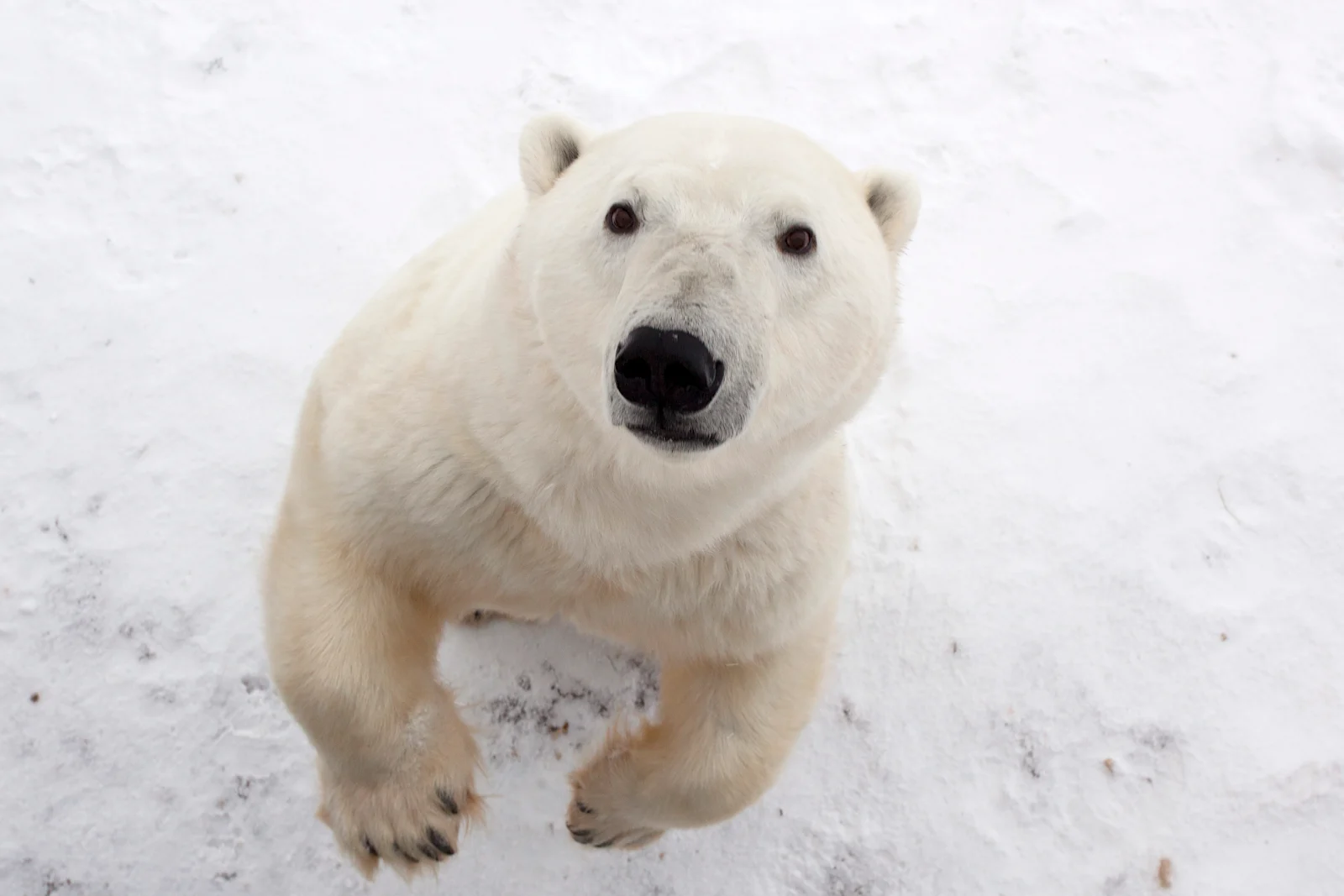
In November, historic average daily low temperatures in Churchill can range from -6°F to 16°F, falling below -21°F or exceeding 28°F only one day in ten. Generally, during our trips, the temperature in Churchill tends to range between 0 and 35 degrees Fahrenheit. This photo was taken in 15-degree Fahrenheit temperatures. Chilly!
Late freeze hits Churchill on November 21
Our guides reported that the sea ice froze later than usual this year. When the sea ice freezes, polar bears head out onto the ice pack to begin hunting for seals and build up their fat reserves for next year (making it much harder for travelers to spot them from our polar rovers). Current trends indicate that sea ice will continue to decrease due to climate change. As such, polar bears are currently listed as a threatened species, opens in new tab under the U.S. Endangered Species Act, and are globally listed as “vulnerable” by the International Union for Conservation of Nature (IUCN), opens in new tab.