The Desire for Tigers: Is It Enough?

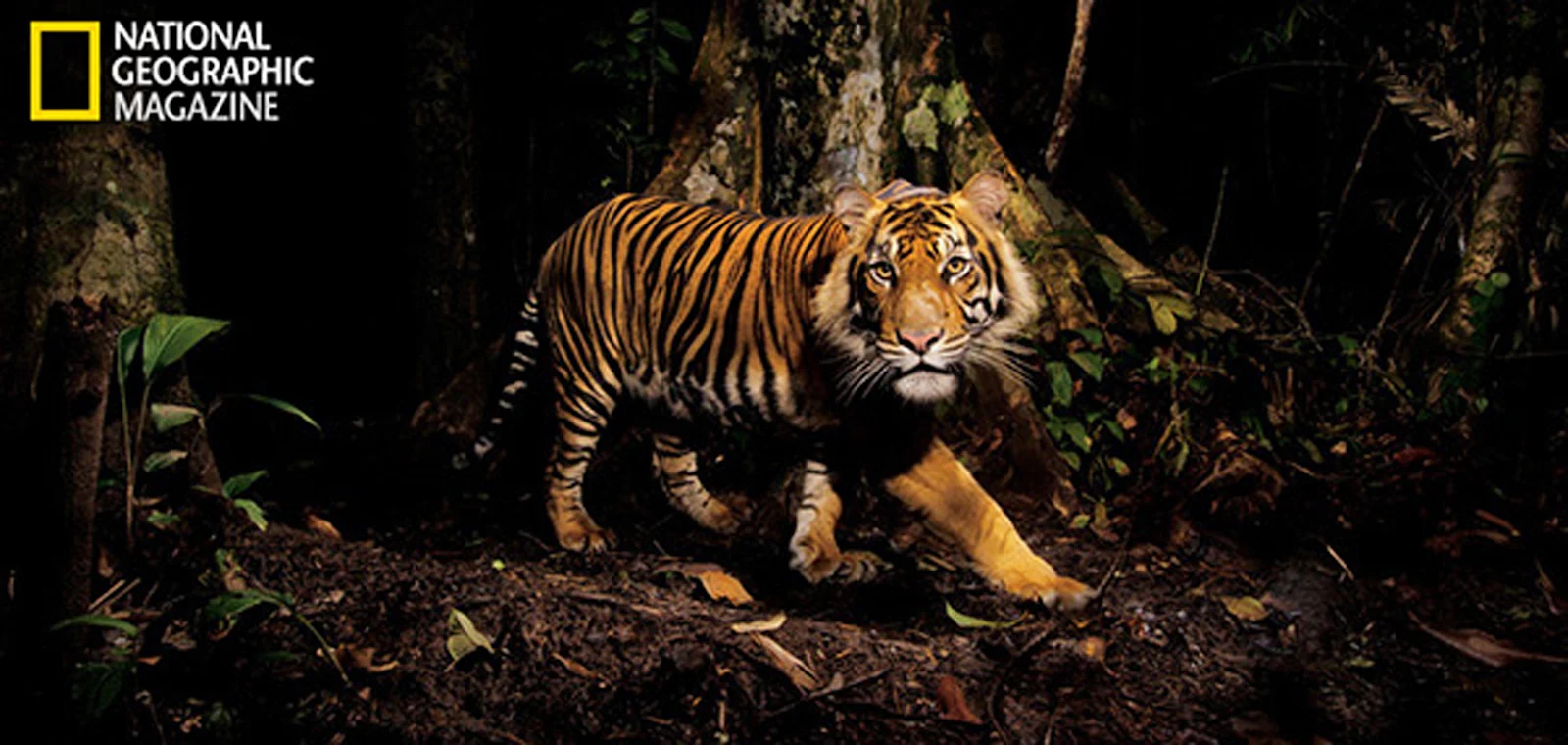
“We have the means to save the mightiest cat on Earth, but do we have the will?” asks writer Caroline Alexander in an article titled “A Cry for the Tiger”, opens in new tab in the December 2011 issue of National Geographic magazine.
The question certainly gives us pause. The United Nations declared 2010 the International Year of Biodiversity; and because it was also the Chinese Year of the Tiger, the World Wildlife Fund placed the animal at the top of its list, opens in new tab of “10 critically important endangered animals that we believe will need special monitoring over the next 12 months.” And in November 2010, the 13 “tiger countries” attended the St. Petersburg Global Tiger Summit in Russia and pledged to double the number of wild tigers by 2022.
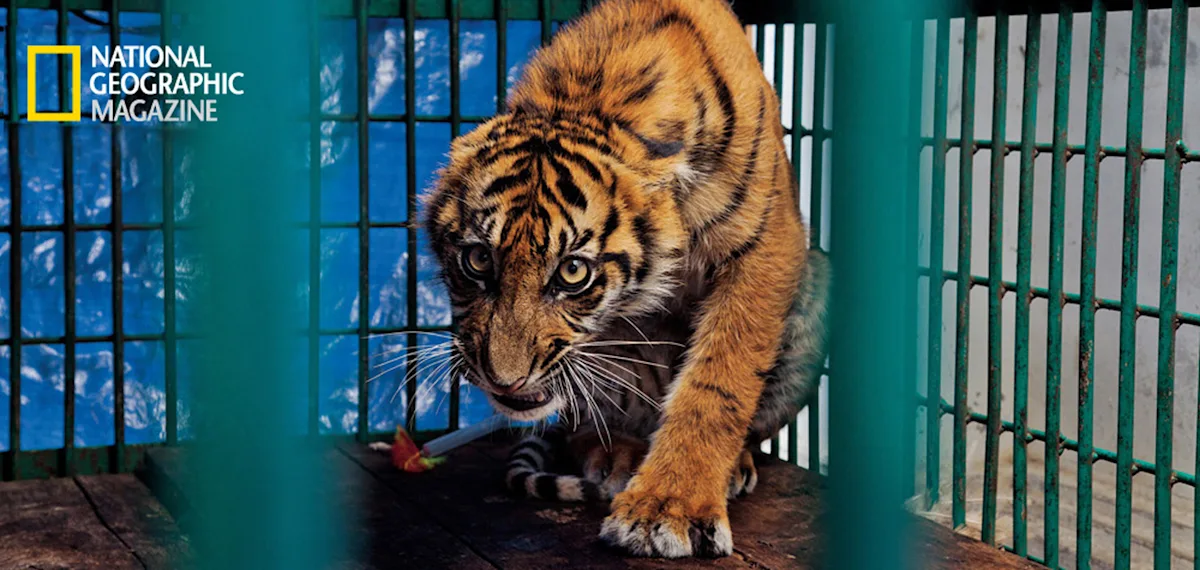
Yet, 2010 came and went with no detectable improvements in wild tiger numbers. In fact, in March 2010, a mother and two cubs were poisoned in the Huai Kha Khaeng Wildlife Sanctuary in western Thailand. In the same month, it appears that villagers who had lost goats to tiger attacks poisoned two young tigers in Ranthambore National Park in India. And today there are still more big cats in captivity than there are in the wild.
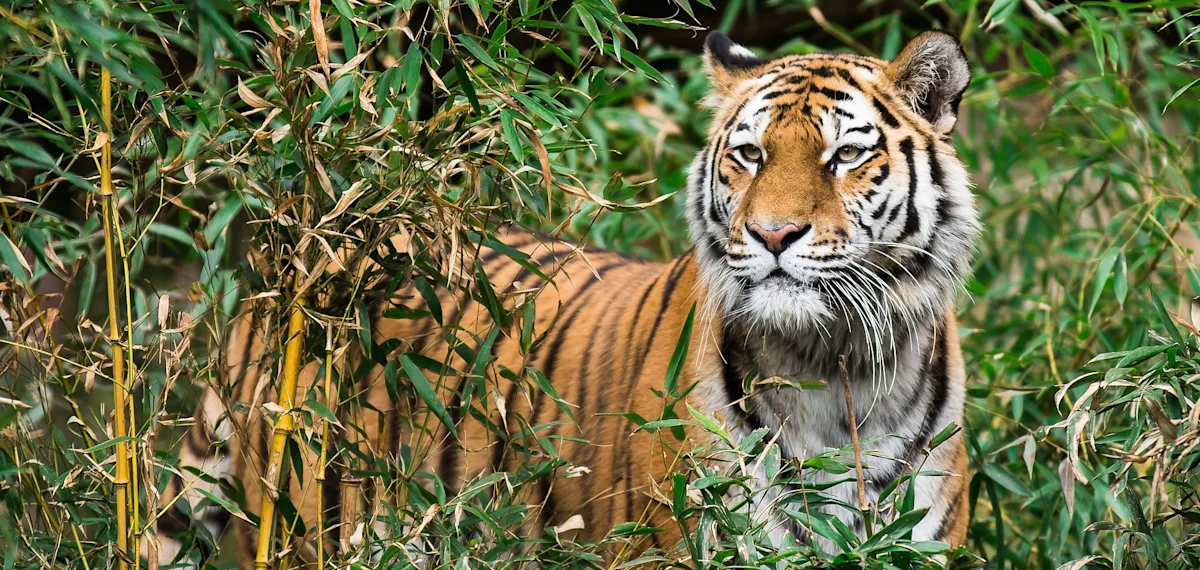
So, do we truly have enough “tiger desire” to save the wild cats from extinction?
Good intentions haven’t paid off
India is home to approximately 50 percent of the world’s wild tigers, estimated to number somewhere around 4,000. But just 100 years ago, as many as a thousand tigers may have roamed Asia. Habitat loss and poaching (both of tigers and their prey) have been blamed for the decimation. And it seems that no matter how many “save-the-tiger” organizations we have (Tigers Forever,, opens in new tab Global Tiger Patrol,, opens in new tab Sierra Club Volunteers Saving Wild Tigers,, opens in new tab World Wildlife Fund’s Save Tigers Now, opens in new tab and National Geographic Society’s Big Cats Initiative,, opens in new tab among others), we can’t seem to stem the loss.
In the National Geographic article, Caroline Alexander writes:
“The tiger’s enemies are well-known: loss of habitat exacerbated by exploding human populations, poverty—which induces poaching of prey animals—and looming over all, the dark threat of the brutal Chinese black market for tiger parts. Less acknowledged are botched conservation strategies that for decades have failed the tiger. The tiger population, dispersed among Asia’s 13 tiger countries, is estimated at fewer than 4,000 animals, though many conservationists believe there are hundreds less than that. To put this number in perspective: global alarm for the species was first sounded in 1969, and early in the ‘80s it was estimated that some 8,000 tigers remained in the wild. So decades of vociferously expressed concern for tigers—not to mention millions of dollars donated by well-meaning individuals—has achieved the demise of perhaps half of the already imperiled population.”
Boots-on-the-ground conservation
Nearly a third of India’s tigers live outside of tiger reserves, which makes wildlife corridors essential to their long-term survival. Prey and tigers can only disperse if there are corridors of wild land between protected areas to allow their unmolested passage. Tigers may range over a hundred miles, seeking mates, territory and prey.
The encouraging news is that according to Dr. Eric Dinerstein, chief scientist and vice president of conservation science for the World Wildlife Fund,, opens in new tab there are about 390,000 square miles of tiger habitat remaining. Assuming two tigers for every 39 square miles, that’s a potential for 20,000 tigers.
But to grow such numbers, long-term conservation must focus on all aspects of creating a tiger-friendly landscape again: developing wildlife corridors, keeping sanctuaries inviolate, and instilling and keeping alive respect for tigers in surrounding human communities. To do that, according to Caroline Alexander, there must be a relentless, systematic, boots-on-the-ground patrolling and monitoring of both tiger and prey in those places that still harbor realistically defensible, core tiger populations. Under such a practice, it’s believed, a population consisting of only half a dozen breeding females can rebound.
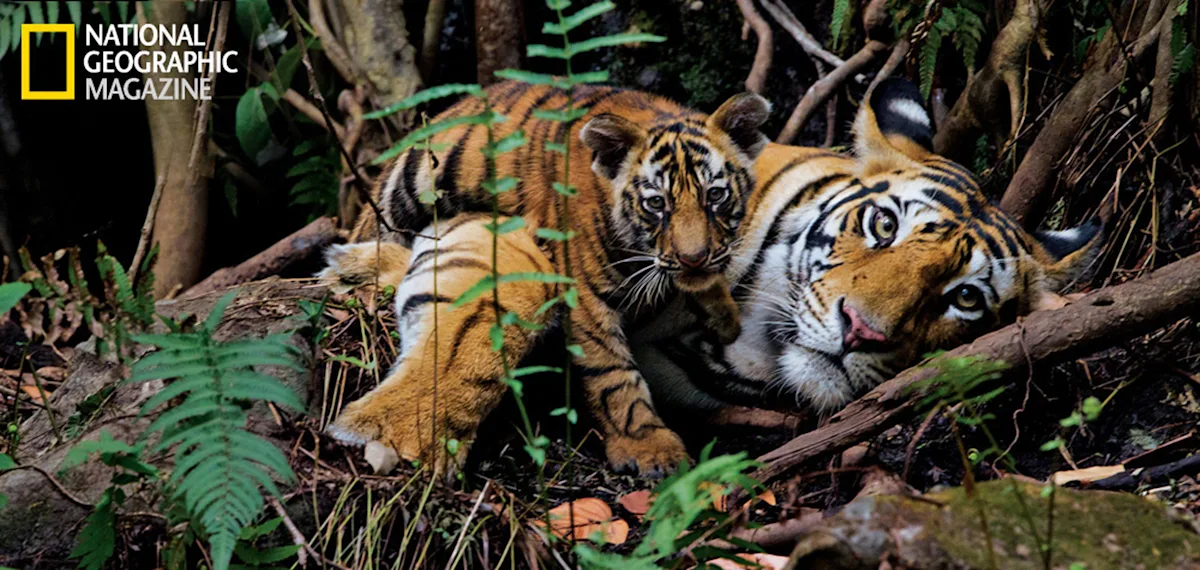
And the best news of all may be that those boot soles are being put to soil in the largest reserve on Earth devoted to protecting tigers: the Hukaung Valley Wildlife Sanctuary, opens in new tab in Myanmar.
Let’s hope those boots keep on walkin’.
Here’s to finding your true places and natural habitats,
Candy