Talking about Takin and other Wonders of Bhutan

Rachel Kramer, opens in new tab is a Program Officer for Wildlife Conservation and TRAFFIC, the wildlife trade monitoring network. Just before joining WWF she traveled through Bhutan with her friend and fellow photographer, Kristan Norvig, exploring the kingdom’s natural and cultural wonders and connecting with the family of a colleague in a remote eastern village.
My friend Kristan and I traveled the kingdom from west to east, beginning in the capital of Paro and journeying beyond Trashigang to a small village near the Indian border, to visit the family of a friend. We did not share a common language, but our connection was immediate. Sleeping on the wooden floor beneath an altar, mist crept through the shutters in the early morning chill as a cow was milked in the courtyard below and cream was churned for cheese to cook with hot chilis.
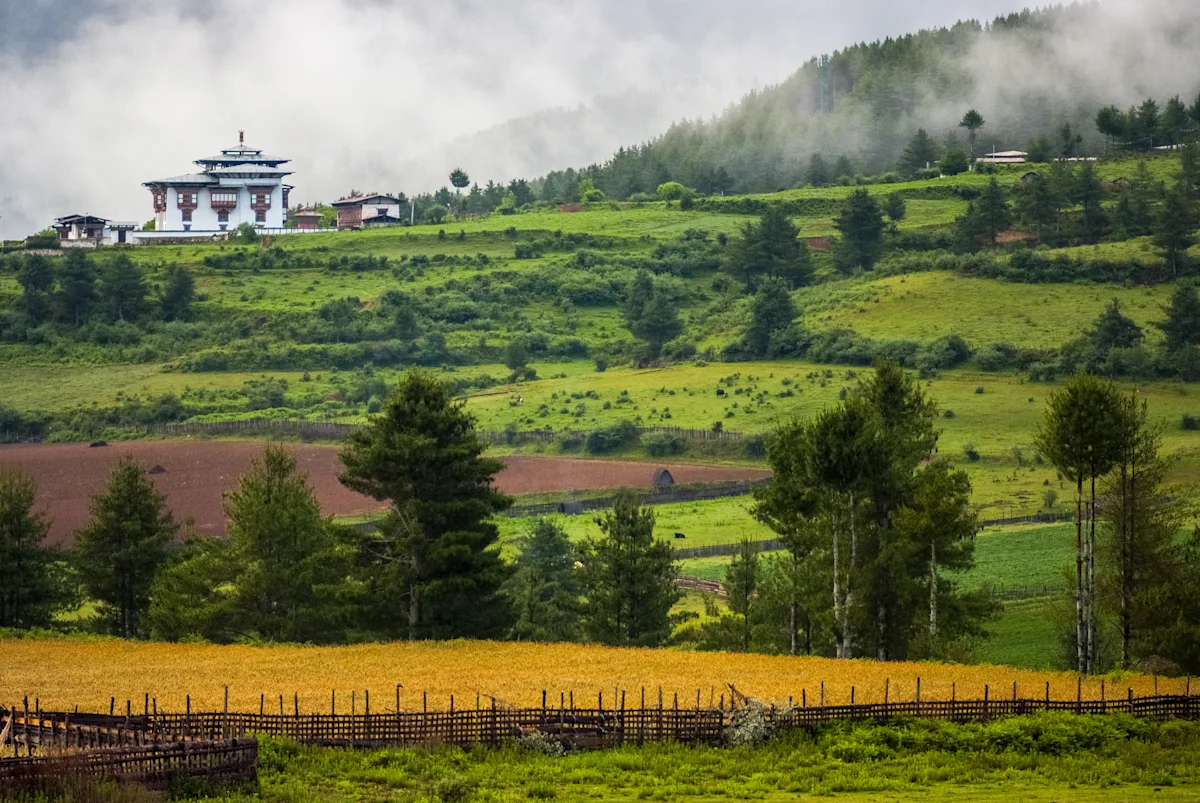
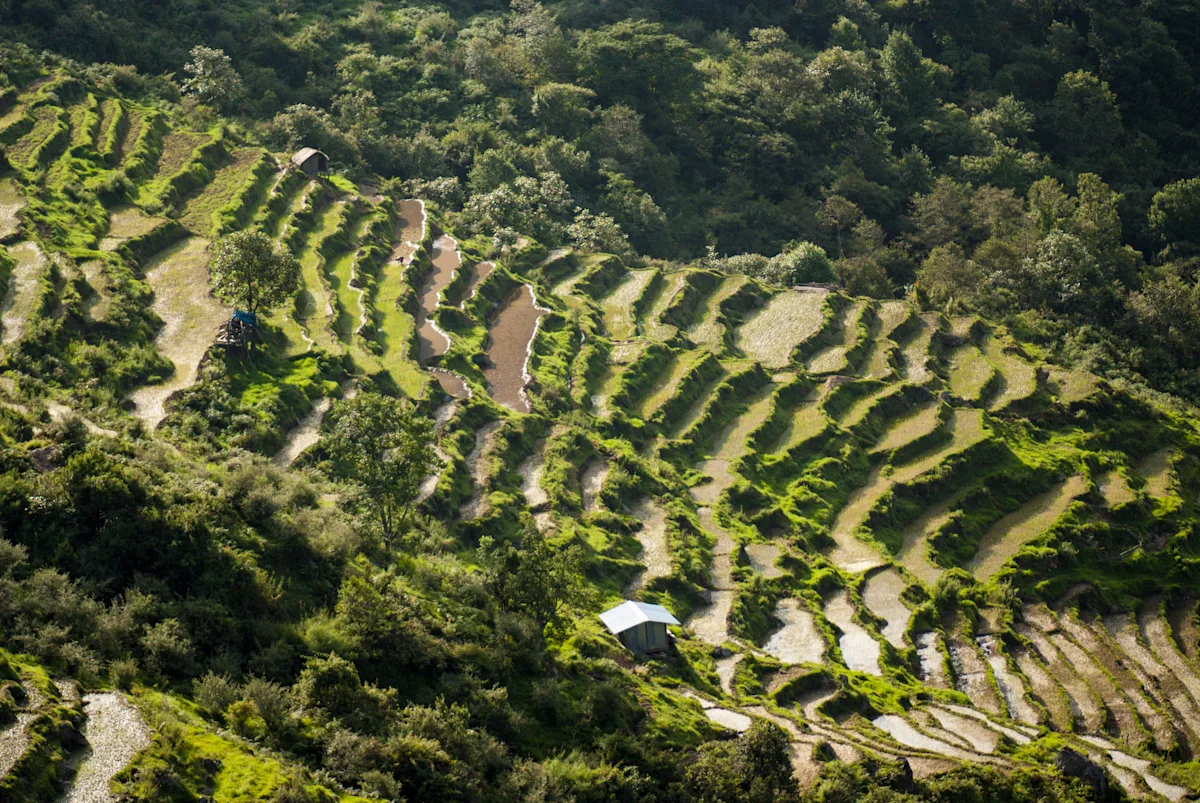
The Kingdom of Bhutan is perched on the southern slopes of the eastern Himalaya. A nation with diverse ecosystems and altitudes that range from subtropical plains to subalpine heights, Bhutan’s rural communities cultivate fertile valleys and terraced fields along the country’s sloping terrains.
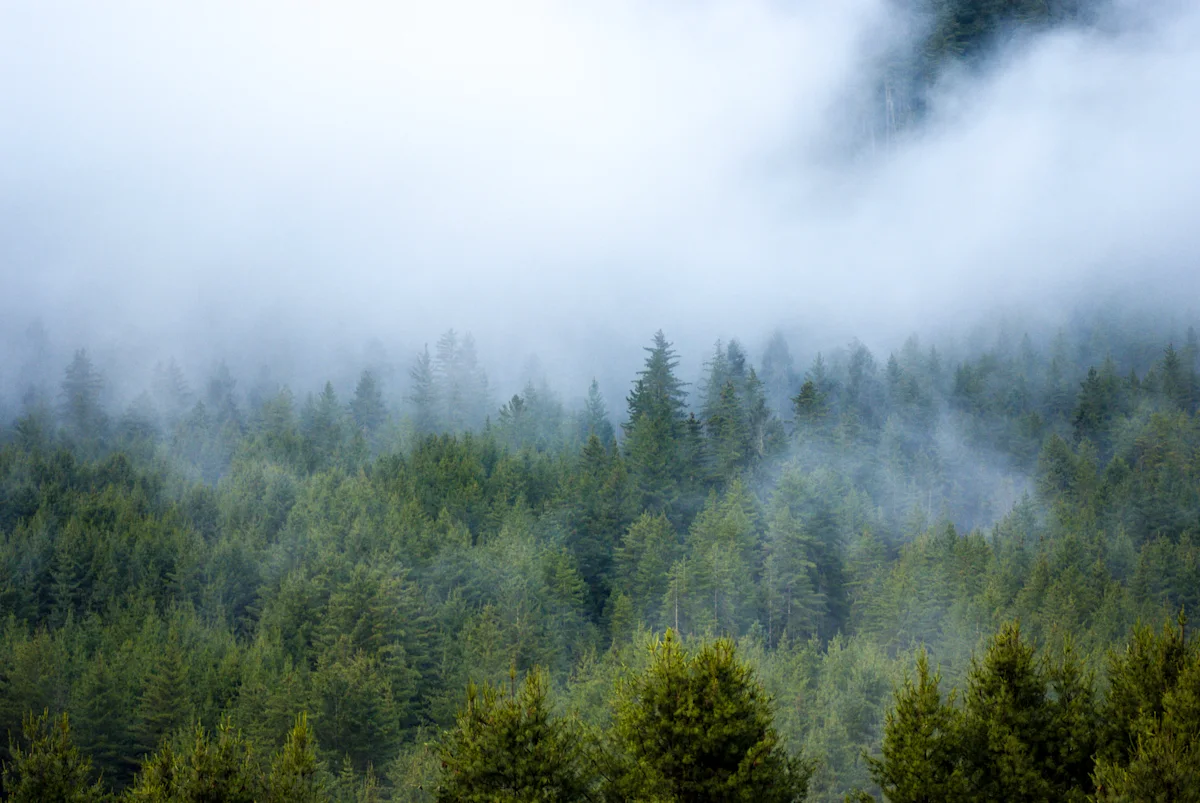
Bhutan’s people retain strong connections to traditional belief systems, which include an intimate relationship with the environment. Centuries-old traditions value certain forests and catchment areas as places where deities and spirits reside.
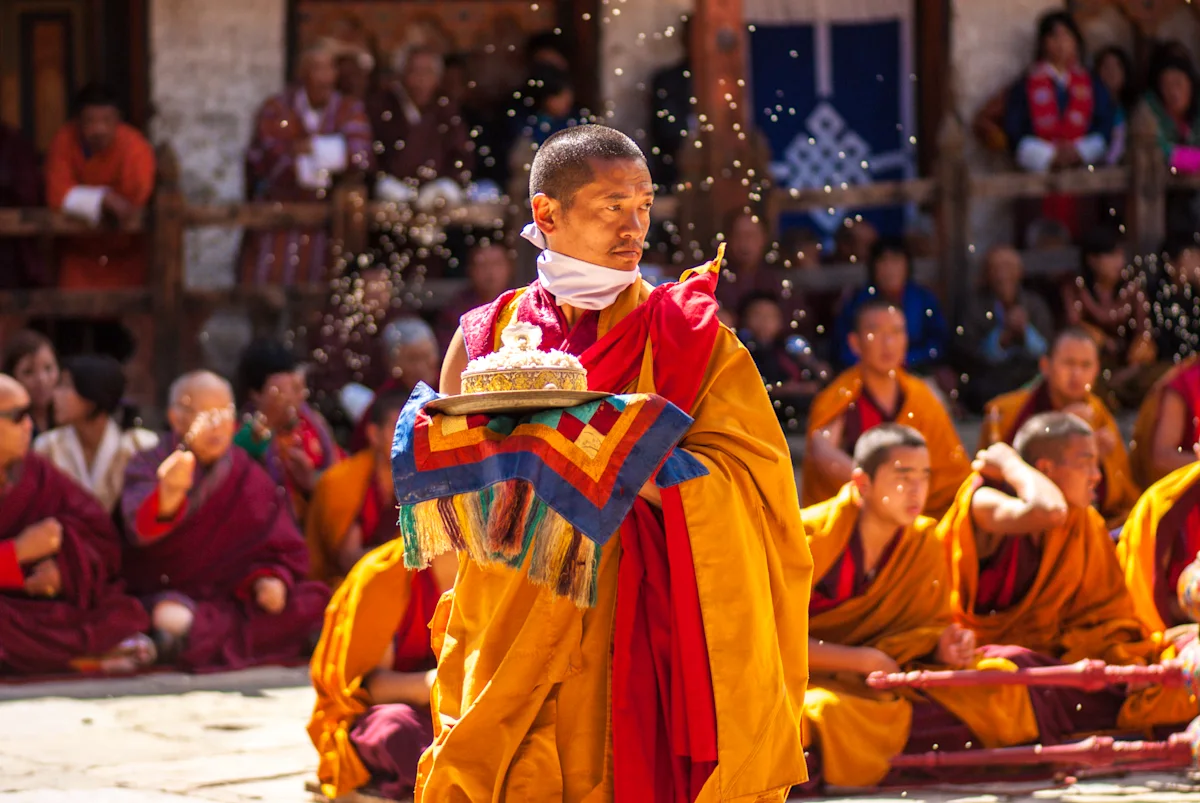
For conservationists who are also photographers, Bhutan’s physical and cultural landscapes were magnificent to behold.
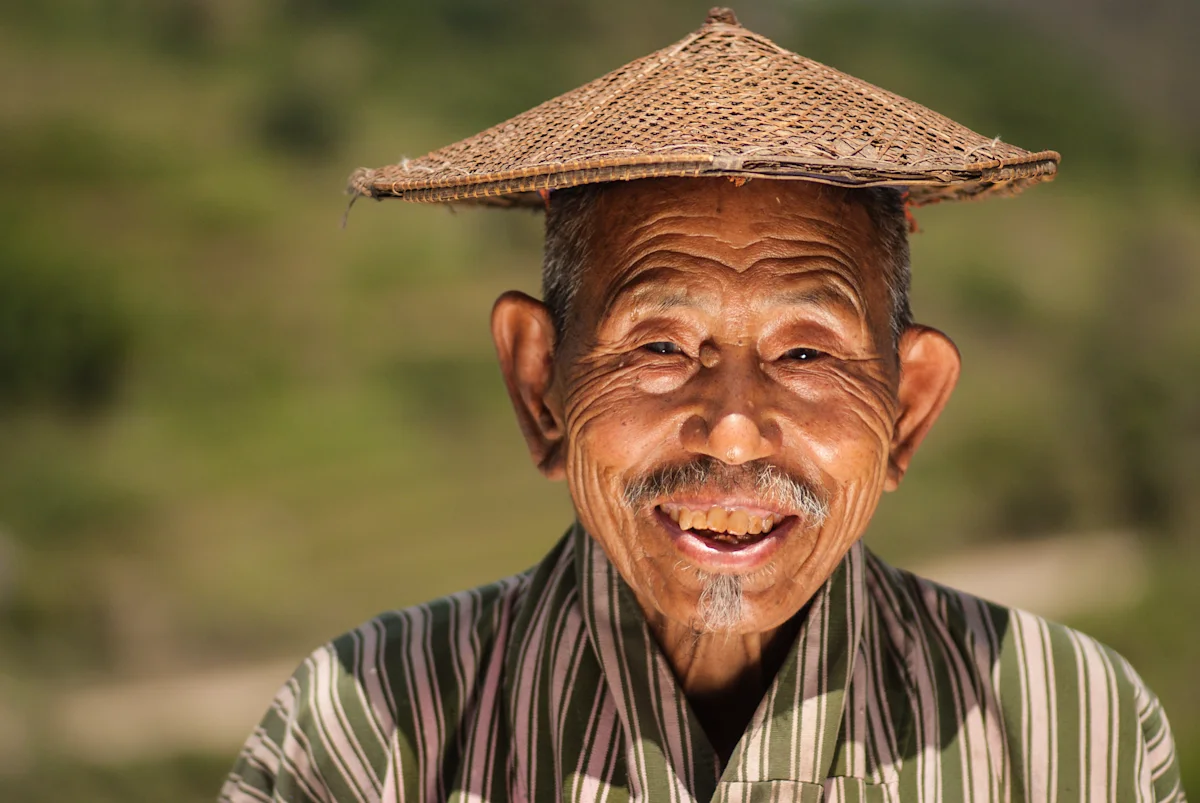
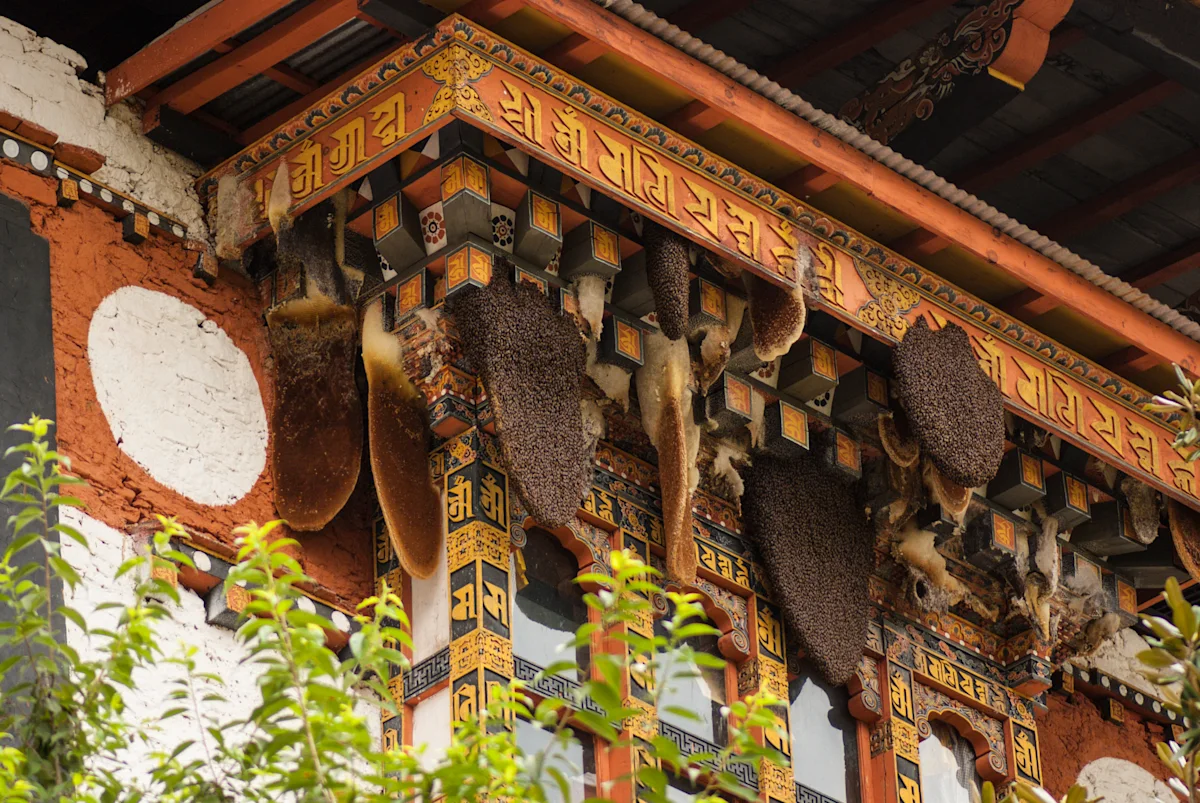
The Kingdom’s fortresses and temples are breathtaking.
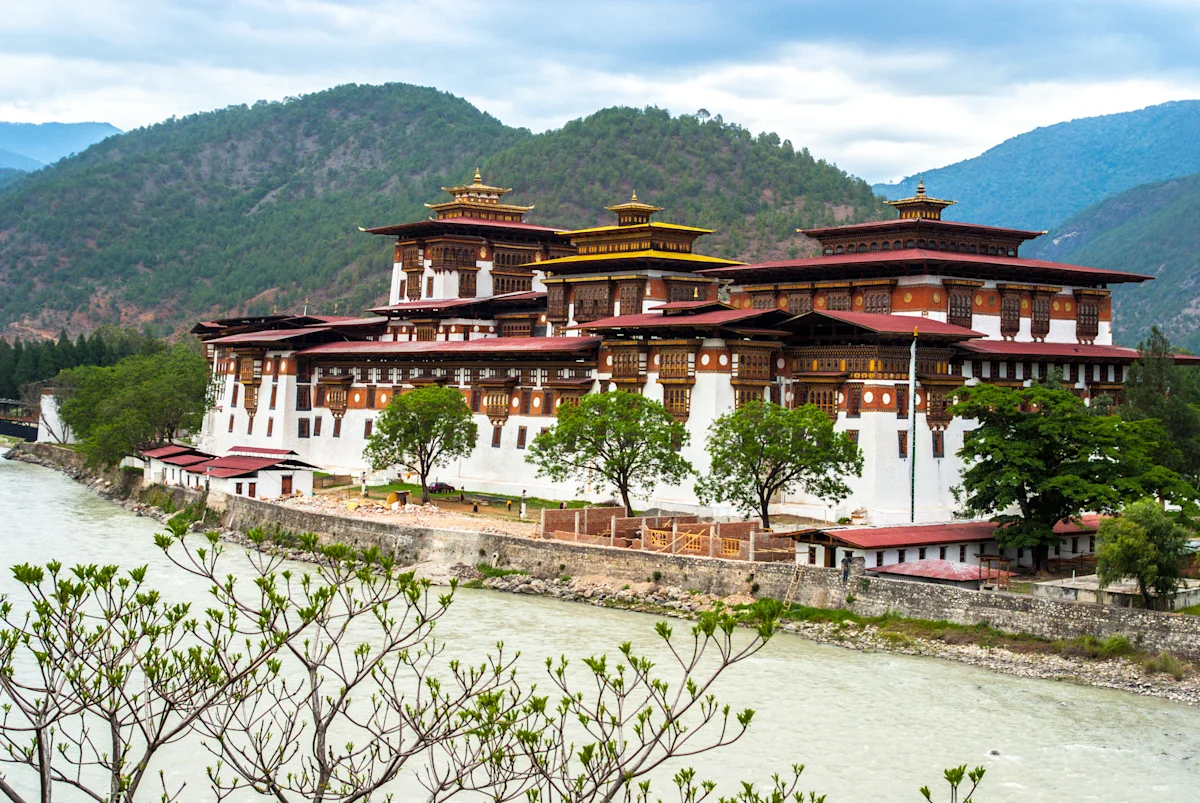
Even the bees cannot resist them.
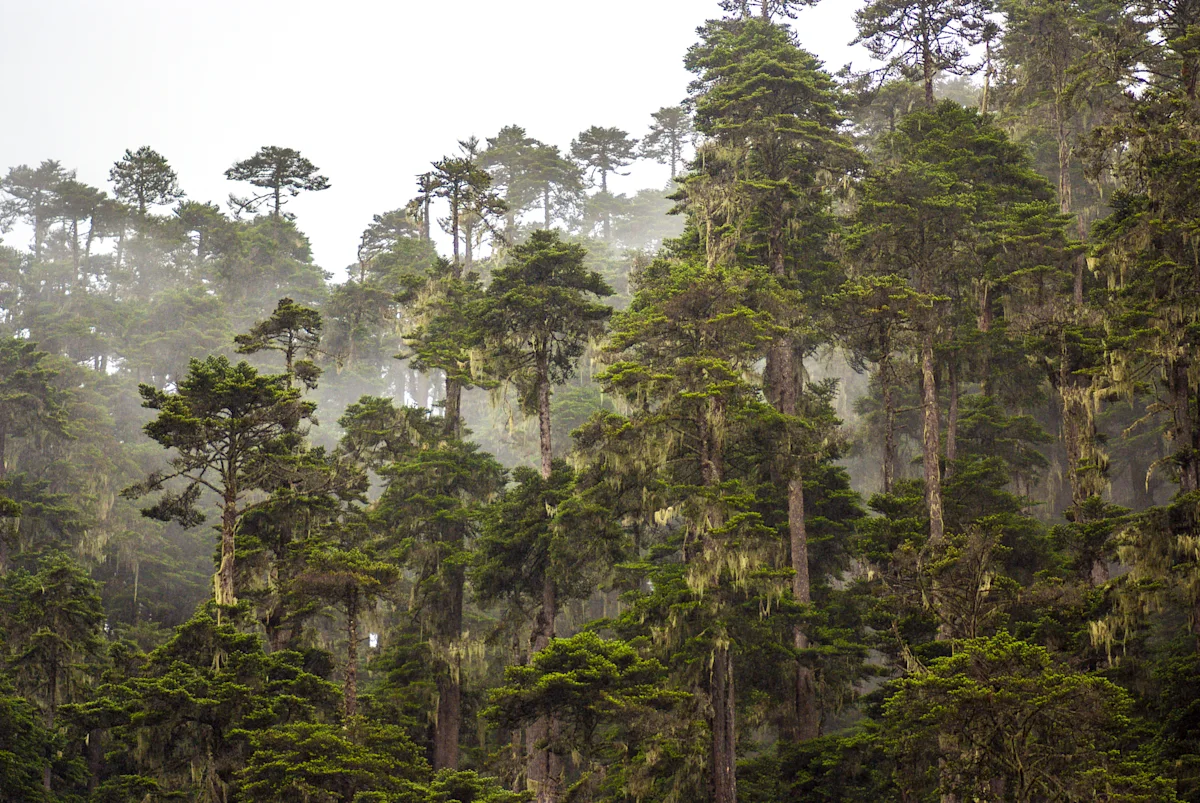
With the highest protected area of any country in Asia, Bhutan’s remarkable forests cover more than half the kingdom. Forest types range from fir to mixed conifer, blue pine, chir pine, broadleaf mixed with conifers and forest scrub. We were captivated by the ancient hemlock (Tsuga dumosa) stands, where mist clings to the nettled canopy like a shroud. Many of these hemlocks are thought to be 700 years old.
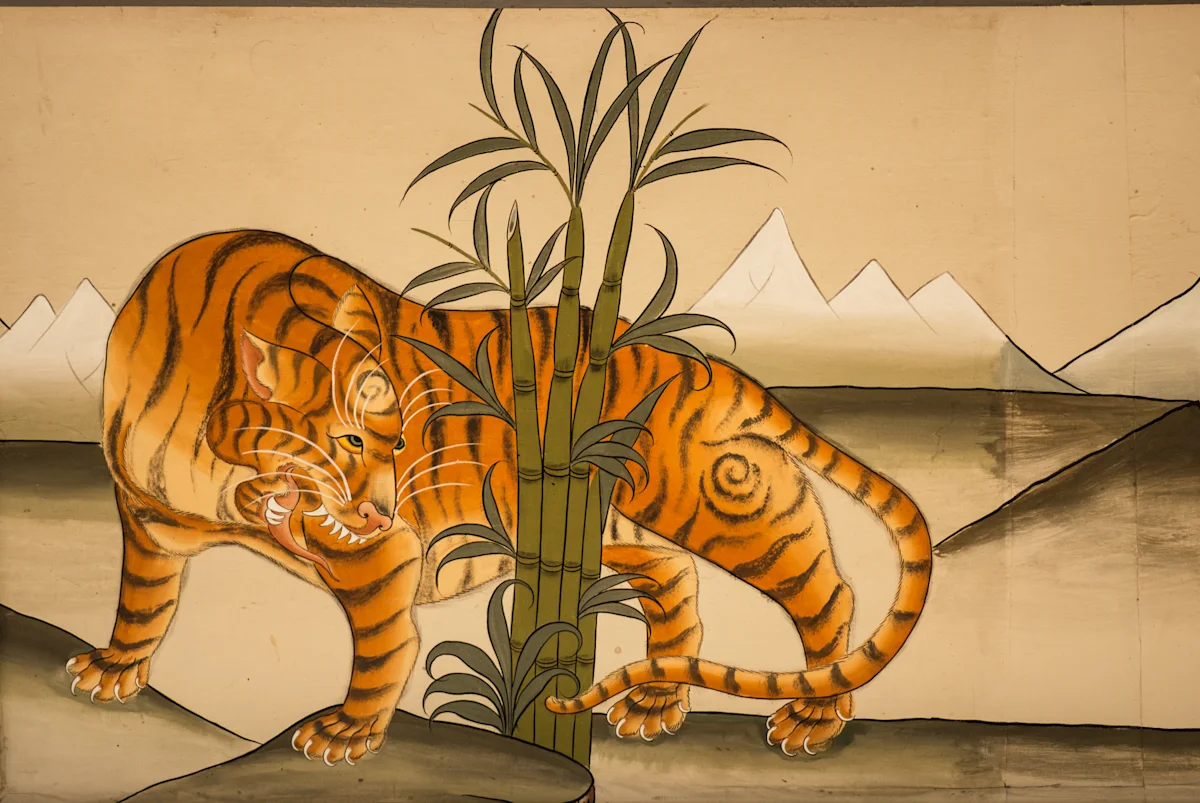
The fauna of Bhutan is diverse and elusive. One-horned rhinos, tigers, clouded leopards and sloth bears are just a few of the species found in the country’s tropical lowlands. Gray langurs, macaques, tigers, leopards, goral, serow, black bear, fox, and many other species live in the country’s temperate zone. High altitude fauna includes takin, blue sheep, red panda, snow leopard, brown bear, wolf, steppe cat, Tibetan antelope and other species.
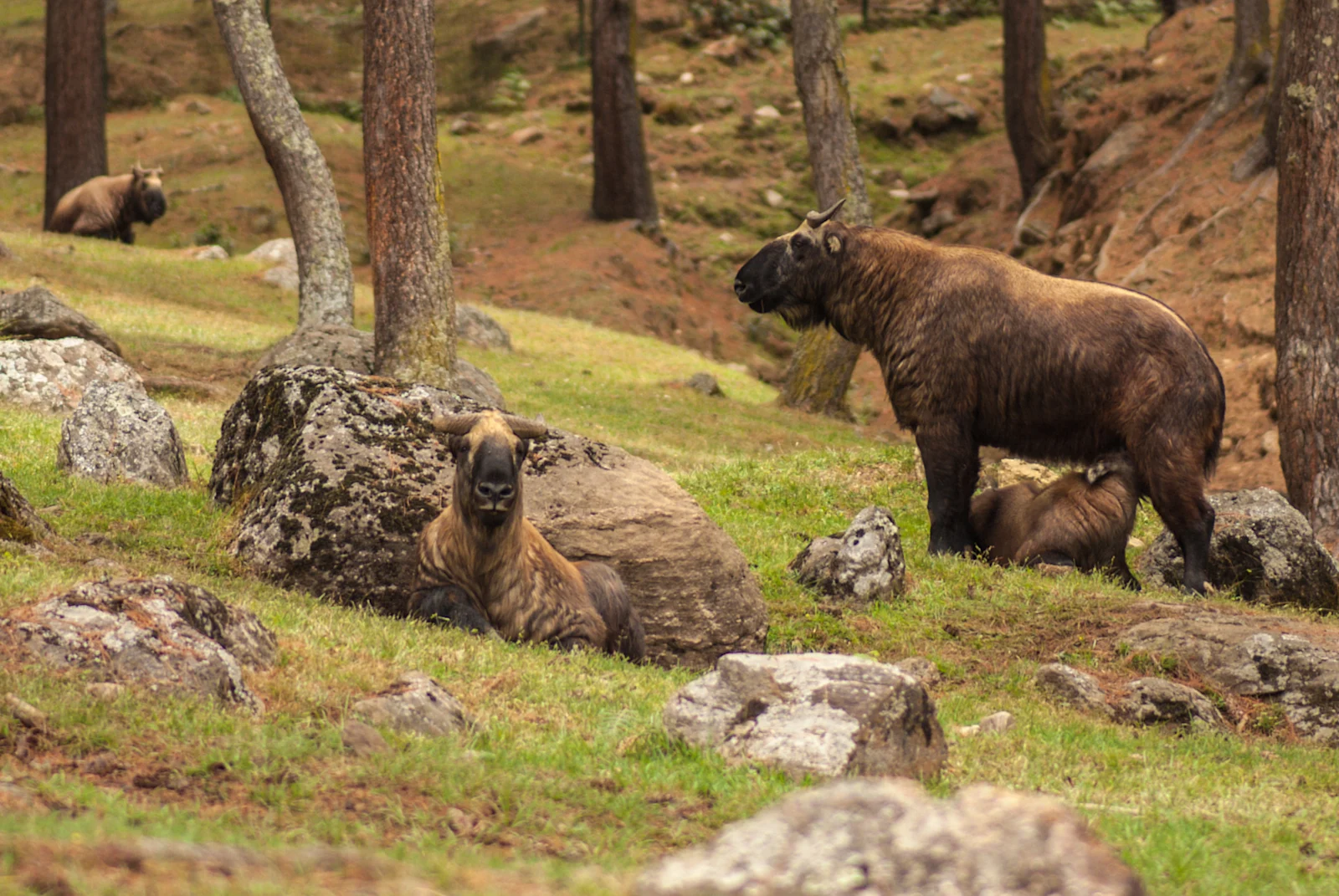
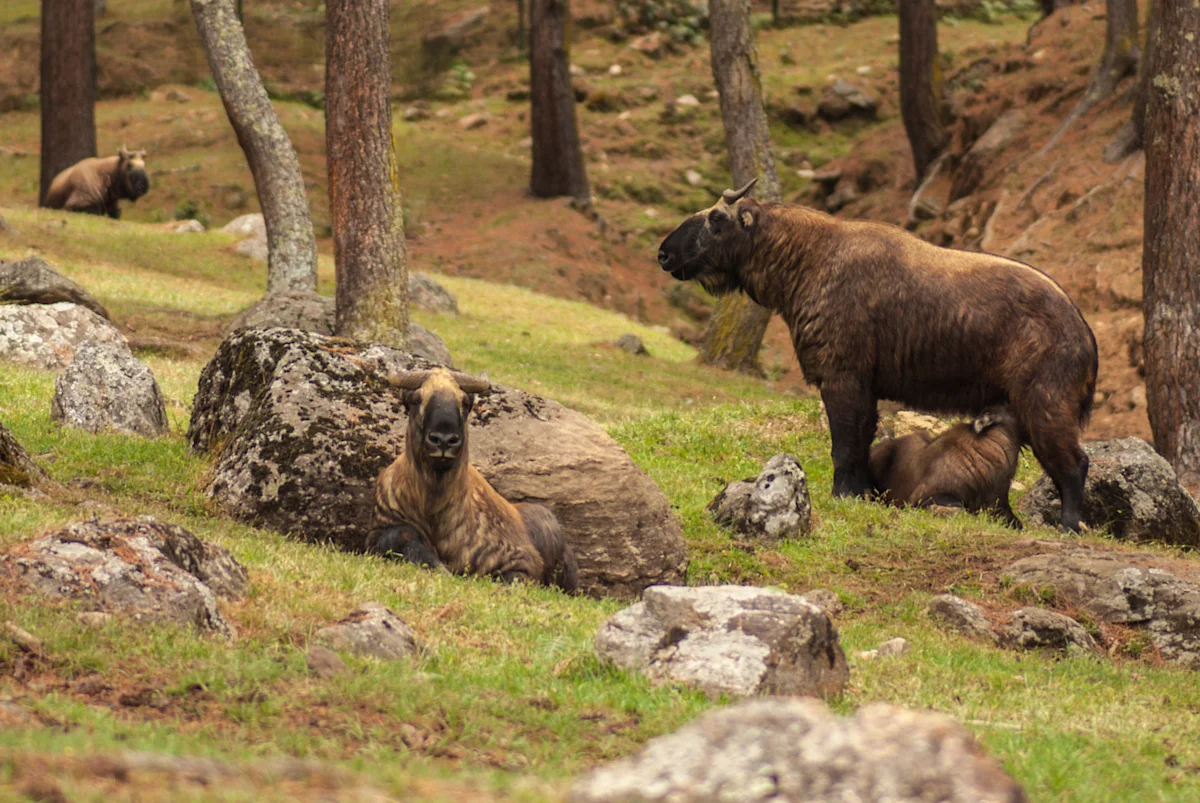
The takin (Budorcas taxicolor whitei), Bhutan’s national animal, is most closely related to the Arctic musk ox. With a face that resembles North American moose, takin move through altitudes from roughly 3,000 to 15,000 feet, from Bhutan eastward along the slopes of the Himalaya to Myanmar and into China, grazing in forests, thickets and bamboo stands. Threats to the species include habitat loss in temperate regions and competition for grazing area with domestic yaks in alpine regions. A handful of takin, including those pictured, are maintained in the Motithang Takin Preserve, opens in new tab in Thimphu, opens in new tab.
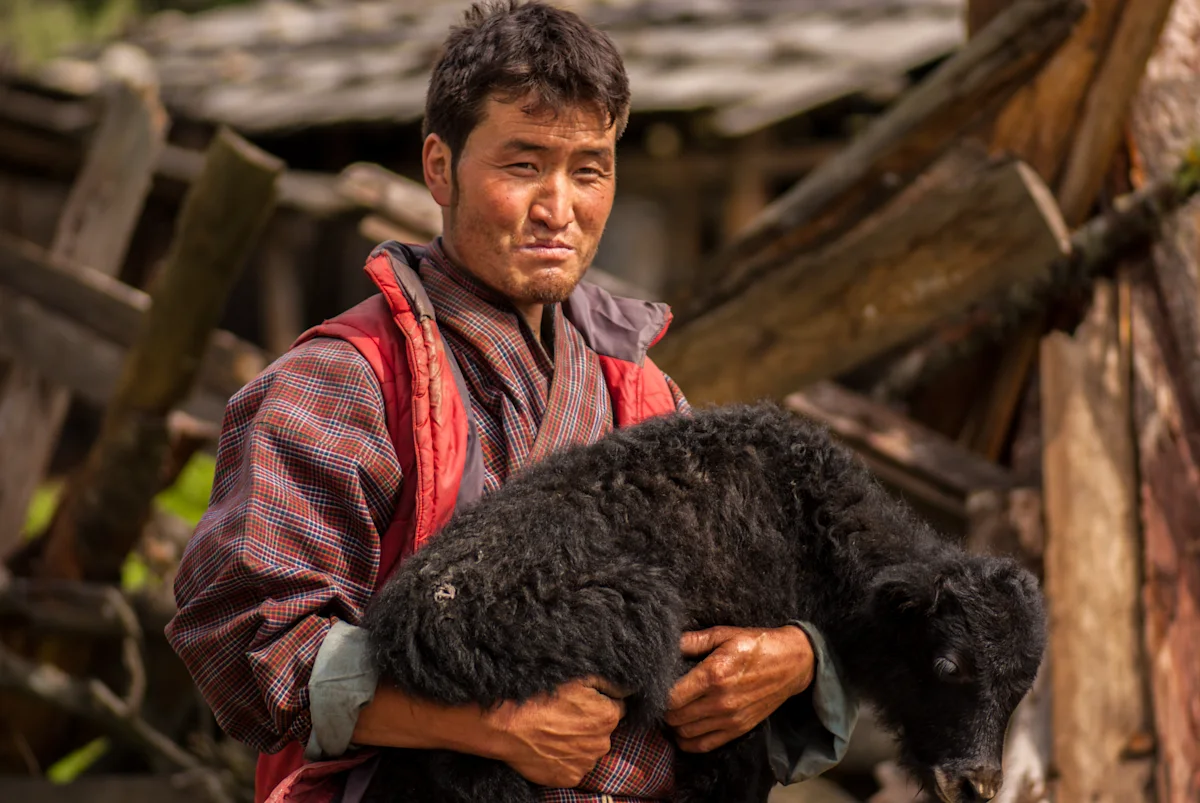
Yak herding is practiced throughout the northern region of Bhutan. Yaks, referred to locally as the “camel of the snows,” are vital to livelihoods in certain parts of the kingdom and are shepherded between alpine meadows for grazing. A multipurpose animal, yaks provide nomadic groups with milk, meat and manure. Bartering yak products, incense and medicinal plants for rice and other staples remains a widely practiced form of trading.
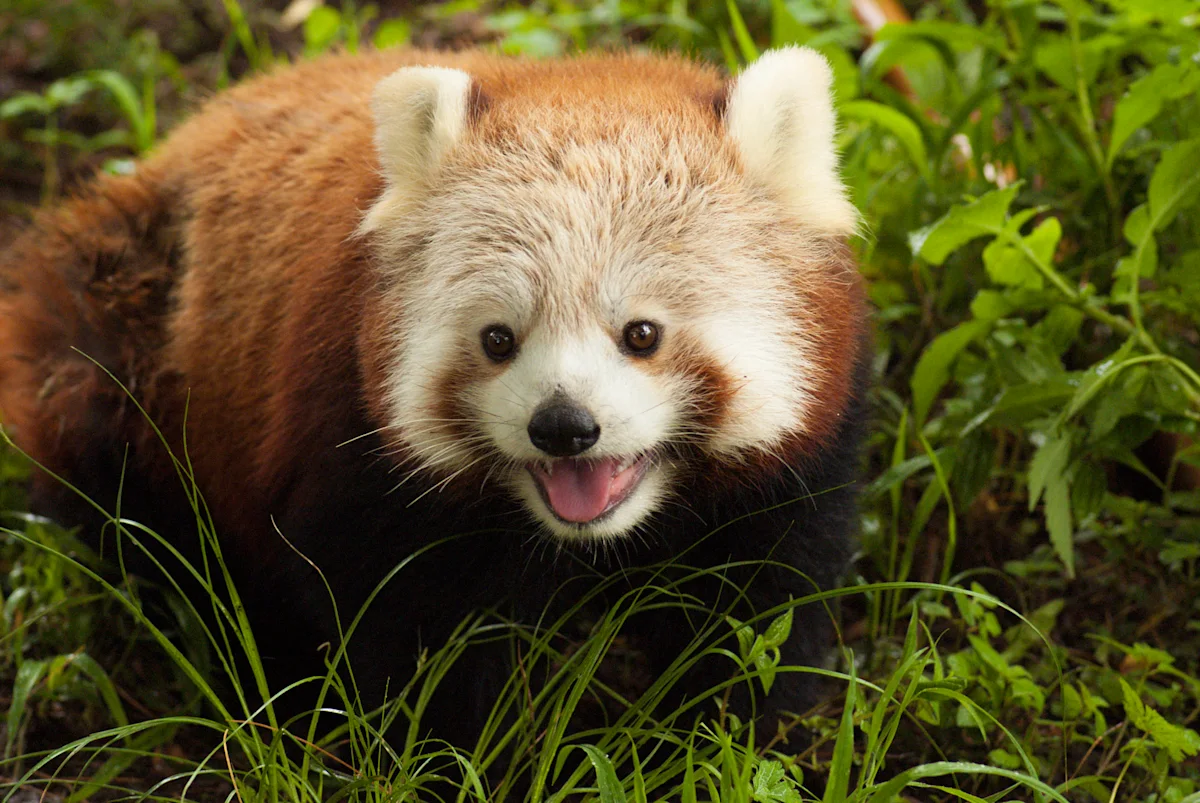
This red panda wandered into a village and was brought to a small wildlife rehabilitation center managed by the Ministry of Agriculture and Forests near the town of Thimphu. Red pandas forage for food from dusk till dawn in temperate forests, spending their days sleeping in trees. Contrary to their name, red pandas have no close living relatives. With their nearest fossil ancestors estimated to have lived 3–4 million years ago, this species is assumed to have survived the Ice Age in its Himalayan mountain refuge, just as the kingdom’s remoteness and political history left the country largely secluded from surrounding Asia.
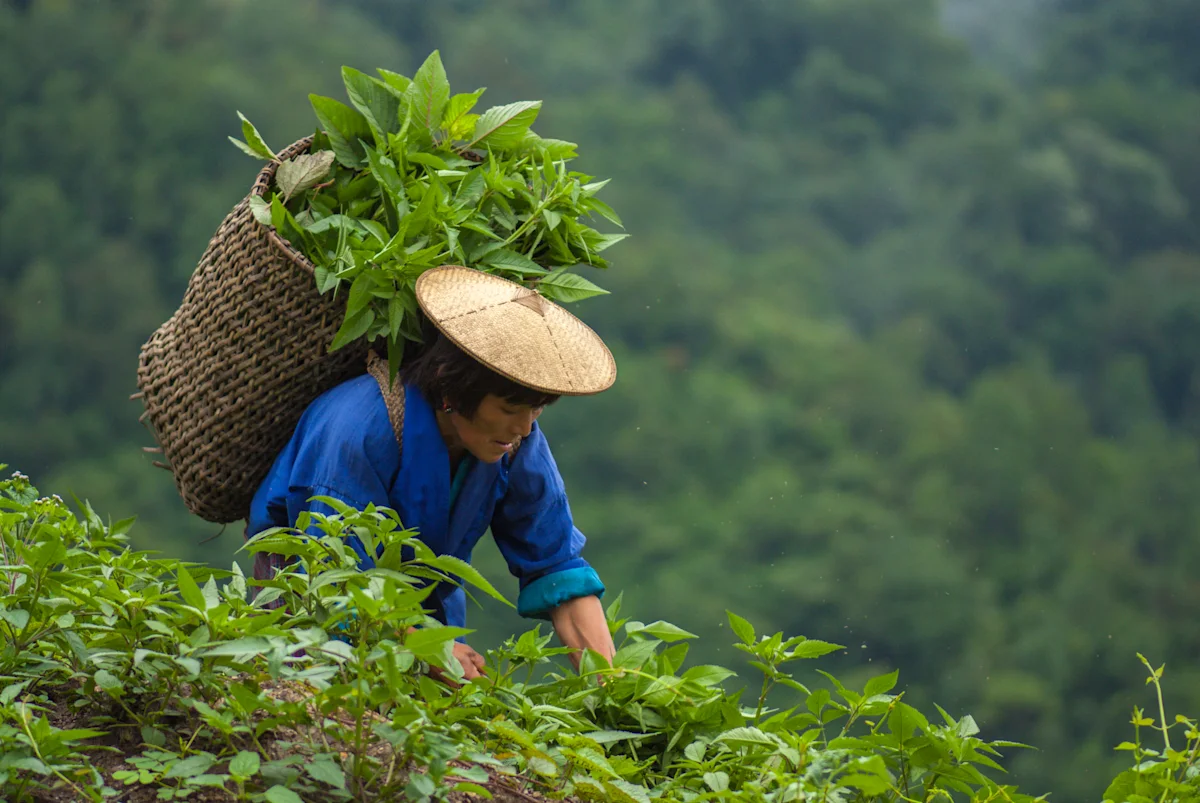
Agriculture is the primary source of livelihood for the majority of the population of Bhutan. More than 95 percent of the earning women in the country are estimated to work in the agricultural sector.
Major cultivated crops are maize and rice.
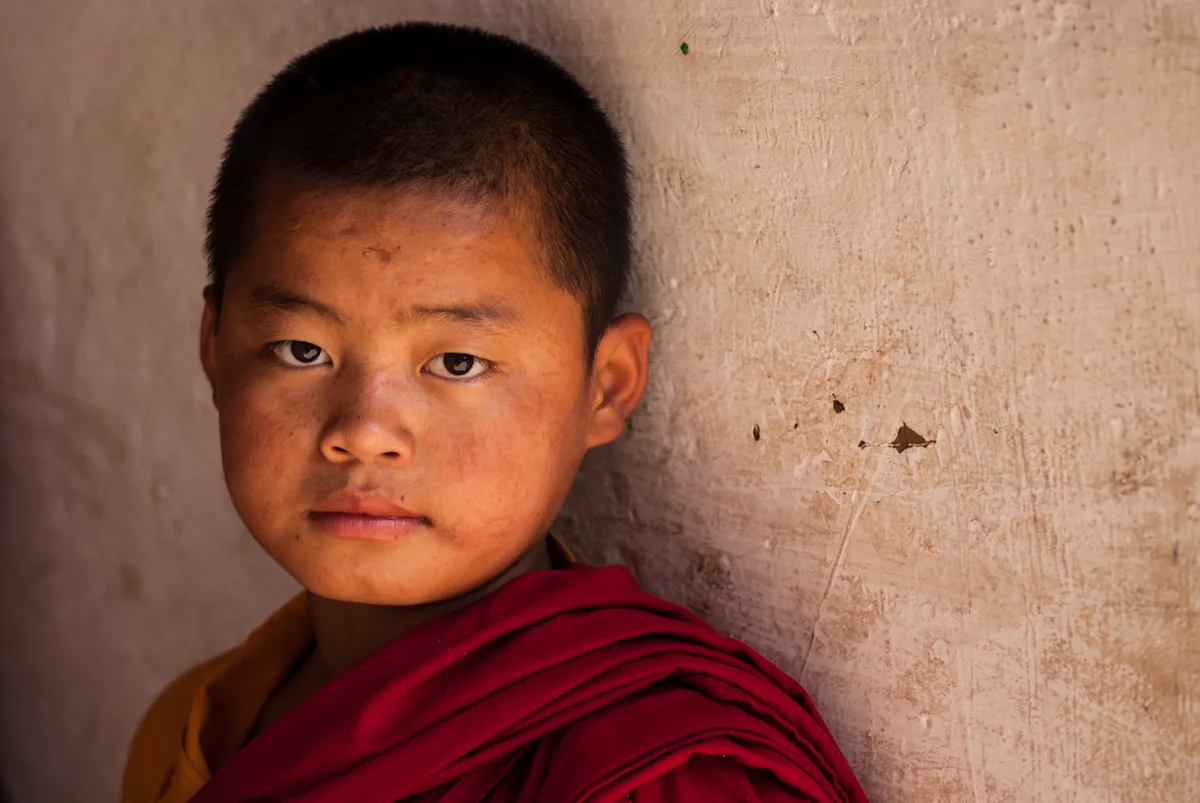
One of the great joys of visiting Bhutan was seeing the kingdom through the eyes of generations, from homesick monks…
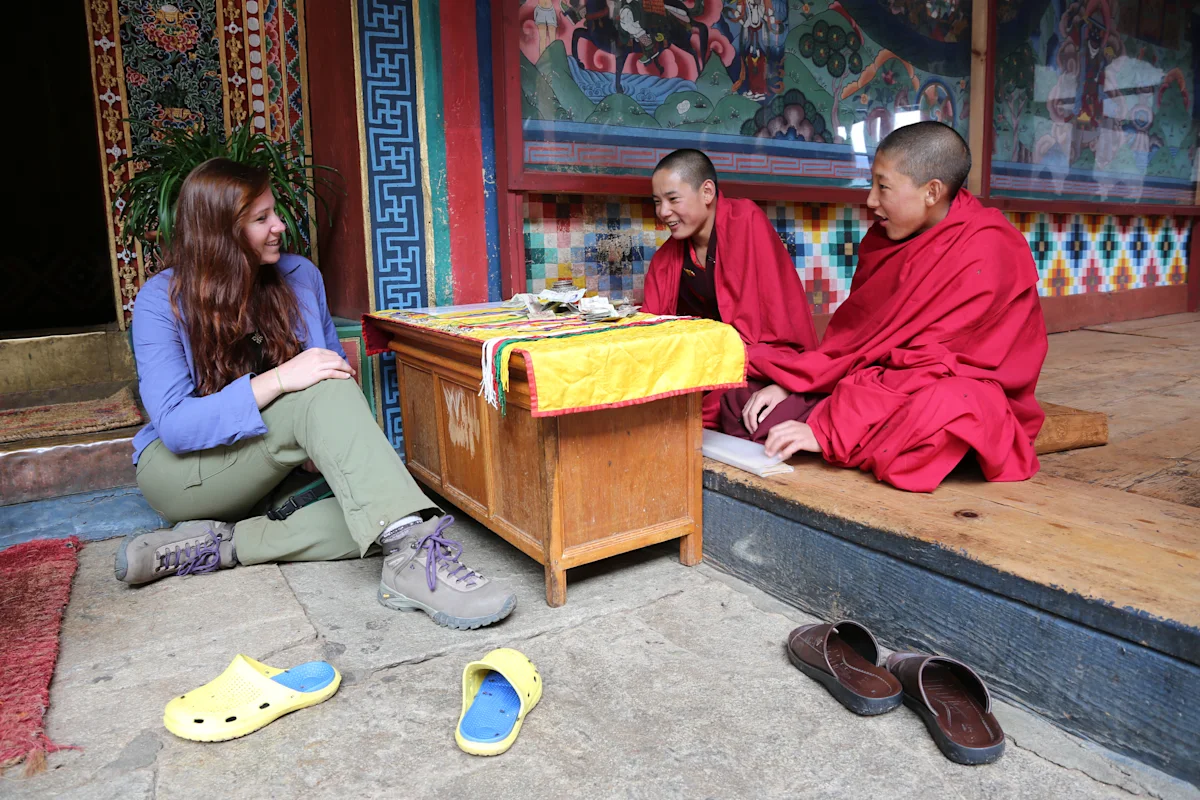
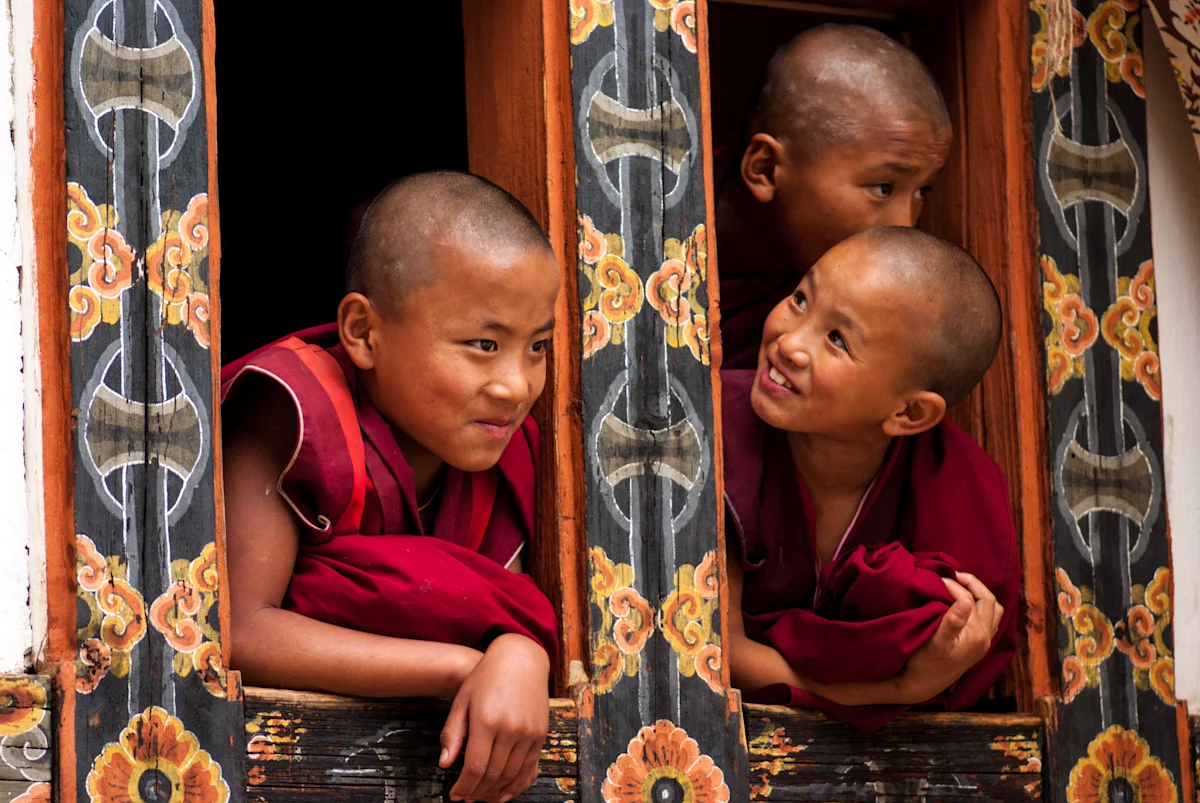
To mischievous young monks . . .
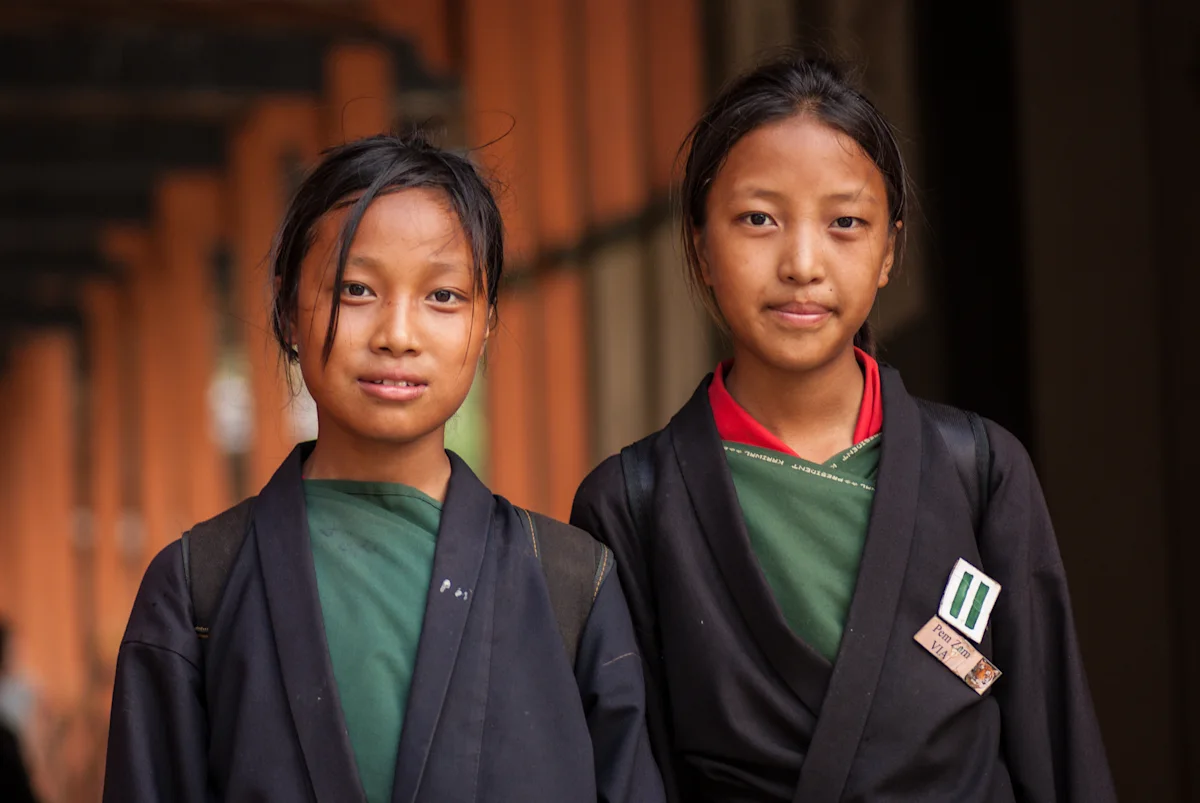
To school girls.
Every day was filled with learning. There’s no more intimate way to become acquainted with Bhutan’s remarkable landscapes, biodiversity and people.