Science-Based Conservation under Attack in 2017


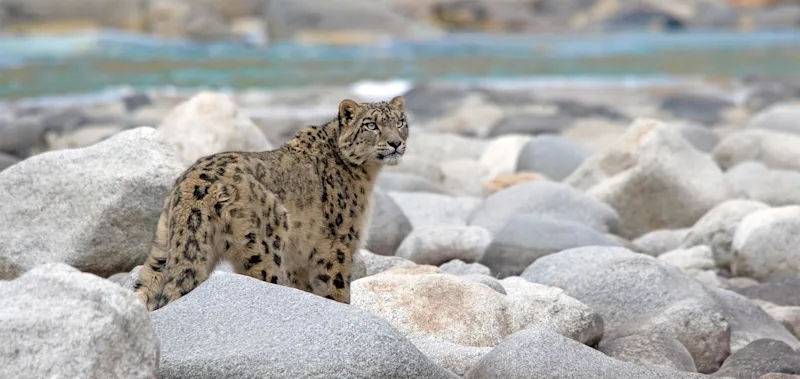
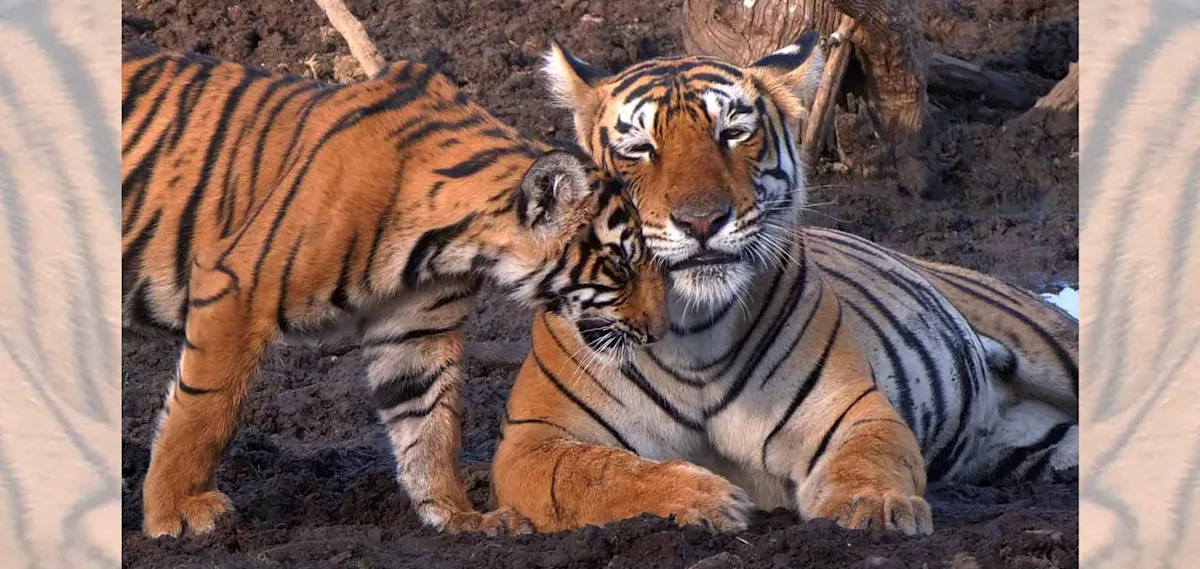
We’ve closed the books on 2016. It’s natural to want to assess the past year, now that we’ve made it through to the end. In the past 12 months, there has been some significant, positive progress: according to World Wildlife Fund, the giant panda is no longer endangered;, opens in new tab for the first time in years, tiger numbers grew;, opens in new tab the Arctic’s federal waters were spared, opens in new tab from U.S. drilling plans; and newly developed, antipoaching technology, opens in new tab led to dozens of arrests in Africa.
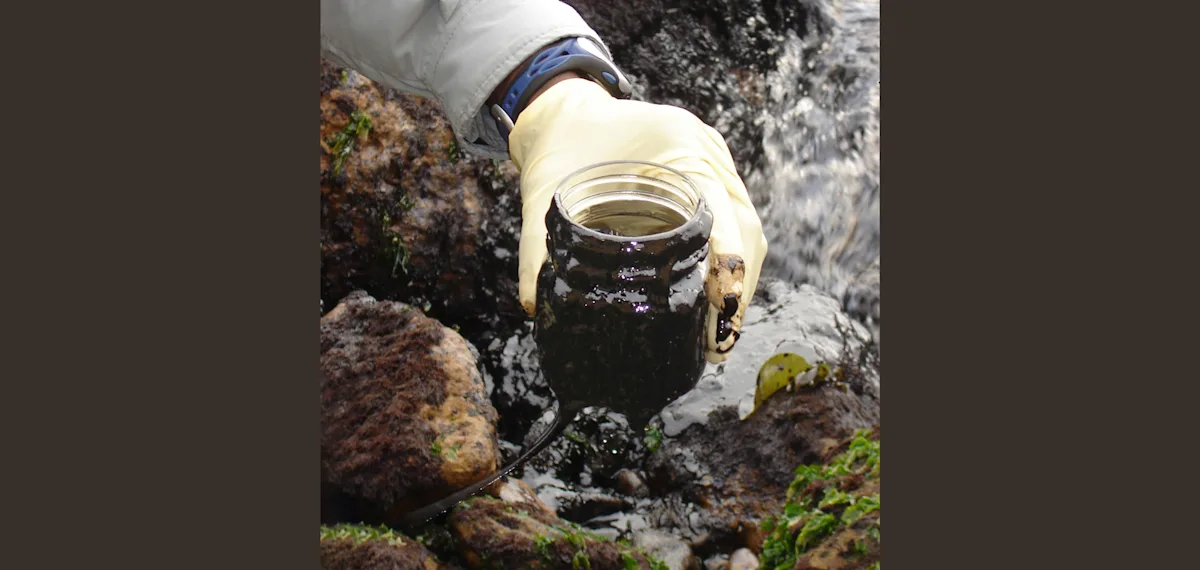
What do all of these gains have in common? They were made possible because of science. It was research-based data that proved that panda and tiger populations were in grave danger, leading to the establishment of more reserves and legislation to protect them; it was empirical knowledge that showed that drilling in the Arctic’s Beaufort and Chukchi Seas would cause tremendous risks to indigenous communities, wildlife and the environment and that there was no way to effectively clean up after a spill; and it was technical know-how that led to new infrared cameras that could identify poachers from afar by their body heat—even in the dead of night.
Can 2017 hope to have any similar gains for wildlife, public lands and the environment when an attack on science has just been declared?
In Wisconsin
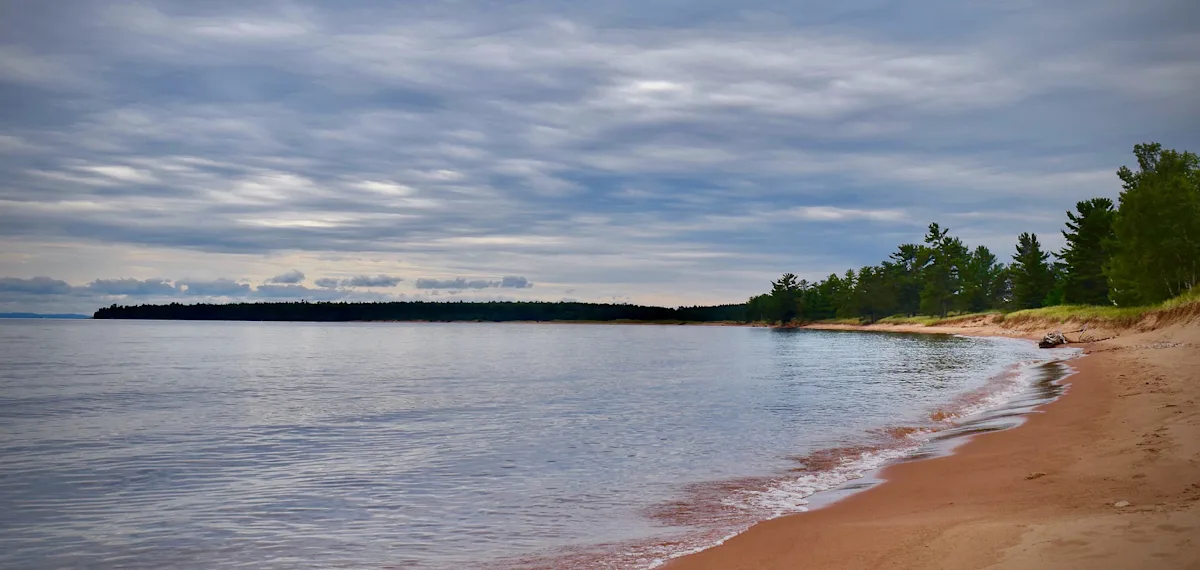
I come from and currently live in the state where John Muir grew up and attended college, and where the first Earth Day was held, on April 22, 1970, as an environmental teach-in by United States Senator Gaylord Nelson. Wisconsin has traditionally prided itself on its environmental leadership.
But I woke up to news today—just three days into 2017—that shocked me. On December 21, 2016, the Wisconsin Department of Natural Resources (DNR) removed language from a page on the Great Lakes on its website that stated that humans and greenhouse gases are the main cause of climate change. Whole sentences attributing global warming to human activities and rising levels of carbon dioxide have gone missing.
The Wisconsin DNR now says climate change is a matter of scientific debate. Formerly titled “Climate Change and Wisconsin’s Great Lakes,”, opens in new tab the web page used to correctly assert that “human activities that increase heat-trapping (greenhouse) gases are the main cause” of climate change. The old text goes on to say “scientists agree” that the Great Lakes region will see longer summers and shorter winters, decreased ice cover, and changes in rain and snow “if climate change patterns continue.”
Now, under a new title of “The Great Lakes and a Changing World,” the DNR says, “As it has done throughout the centuries, the Earth is going through a change. The reasons for this change at this particular time in the Earth’s long history are being debated and researched by academic entities outside the Department of Natural Resources.”
The Wisconsin DNR also deleted a page, opens in new tab from its site that included a toolkit for “classroom teachers and informal educators in parks, refuges, forestlands, nature centers, zoos, aquariums, science centers, etc., and is aimed at the middle-school grade level. The U.S. Environmental Protection Agency, in partnership with six other federal agencies—National Park Service, U.S. Fish and Wildlife Service, NOAA, NASA, U.S. Forest Service, and Bureau of Land Management—developed the kit to aid educators in teaching how climate change is affecting the nation’s wildlife and public lands, and how everyone can become climate stewards.”
Apparently, teaching the next generation what’s actually happening to the planet and how to care for the Earth is no longer considered worthwhile.
In reality
Despite what climate-change deniers currently in charge of the Wisconsin DNR would have us believe, the science behind human-caused climate change is not being debated.
In 2013, the Intergovernmental Panel on Climate Change,, opens in new tab an international body set up by the World Meteorological Organization and the United Nations Environment Program to assess the science related to climate change, issued a report that surveyed the latest climate change science and found that with 95 percent certainty “that the human influence on the climate system is clear and is evident from the increasing greenhouse gas concentrations in the atmosphere, positive radiative forcing, observed warming and understanding of the climate system.”
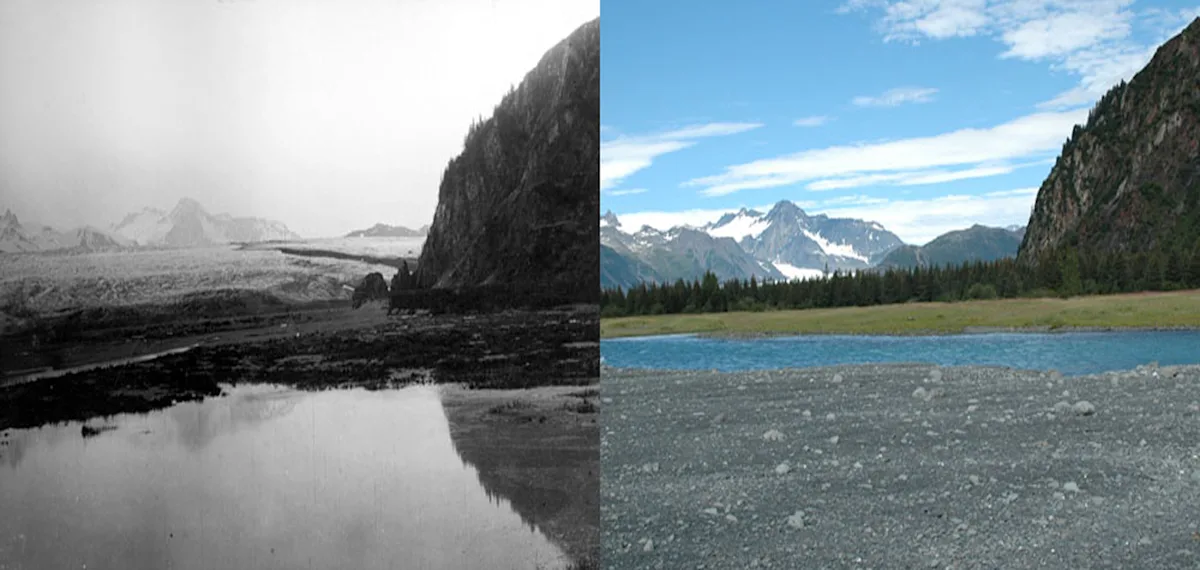
The report—the United Nation’s fifth since 1990—also states “warming of the climate system is unequivocal, and since the 1950s, many of the observed changes are unprecedented over decades to millennia. The atmosphere and ocean[s] have warmed, the amounts of snow and ice have diminished, sea level has risen, and the concentrations of greenhouse gases have increased.”
In 2017
It’s January 2017, and we’re entering into a dangerous time. If we don’t limit the average global temperature increase to no more than 3.6 degrees Fahrenheit (or 2 degrees Celsius) above the preindustrial level—and the U.S. pulls out of the Paris climate accords—the world as we know it will suffer drastic changes; alterations so dramatic that humans and ecosystems both will have a hard time adapting.
But we’re also entering another—almost more sinister—epoch. Now, politicians seem to think that if they don’t like what scientific data proves, they can make the results go away, just by hiding them.
Three days into January 2017, I also read a story from Wisconsin Public Radio. It said that Wisconsin lawmakers are considering breaking up the DNR, scattering its environmental, fishing, forestry, hunting and parks programs among three existing agencies and two new ones. In other words, we won’t have a department of natural resources anymore; nor, I dare say, soon after that, any natural resources left.
I want you to be vigilant in 2017. I want you to stand up for science. I want you to be alert, attentive, observant, watchful, eagle-eyed, hawk-eyed and on the lookout for the wildlife and the places you love.
Or they could be taken from you, sentence by sentence, with a few strokes of a pen.
Here’s to finding your true places and natural habitats,
Candy