
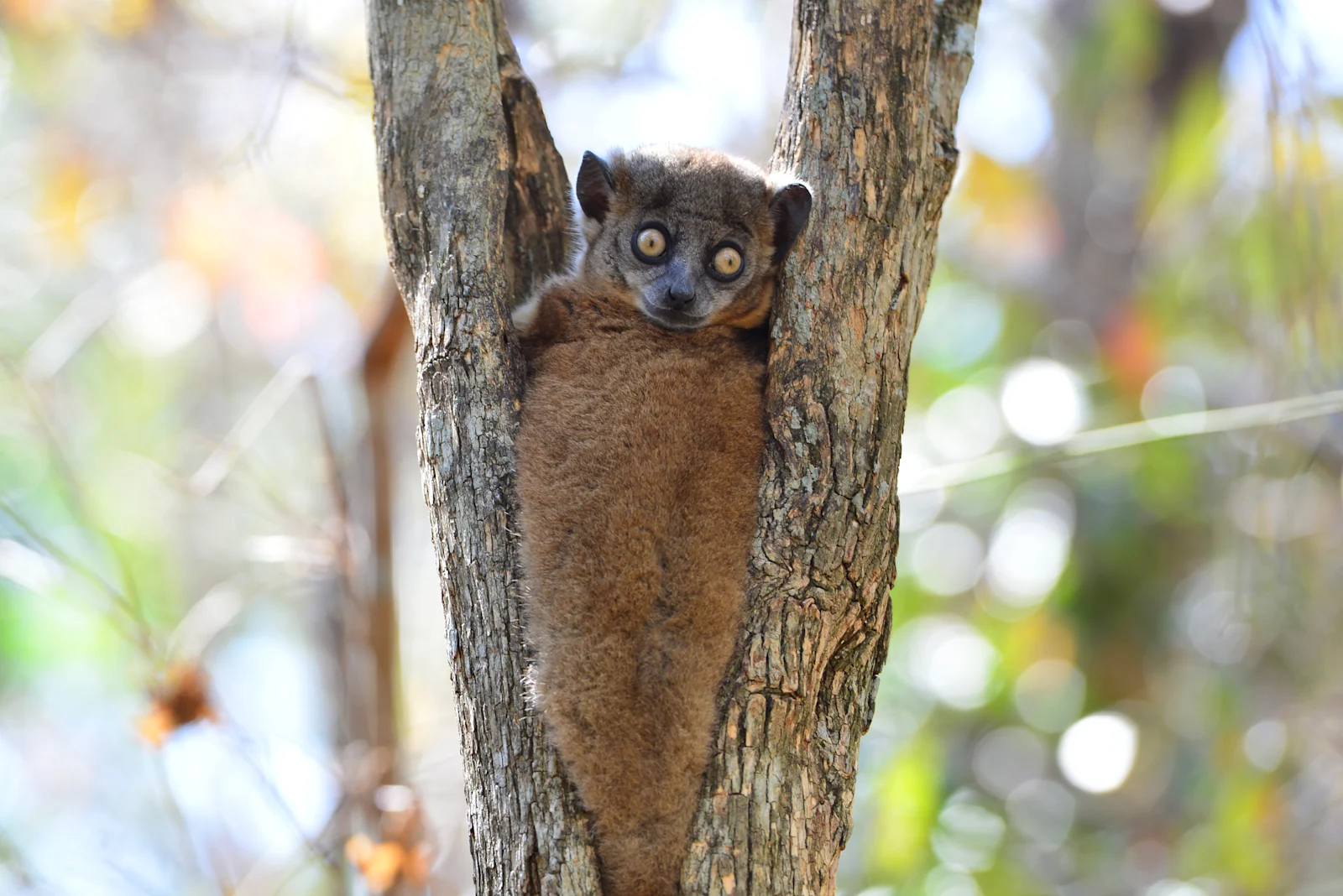
An endangered Zombitse sportive lemur (Lepilemur hubbardorum) in Zombitse National Park. © Rachel Kramer/WWF-US

Rare Sights in Madagascar

Last year, I joined a group of Nat Hab travelers on a fourteen-day Madagascar safari beginning on the island’s central plateau. In Zombitse-Vohibasia National Park, our Nat Hab group connected with Domoina Rakotomalala, WWF Madagascar’s Landscape Manager for the Tulear region. The first female herpetologist in Madagascar, Domoina specialized in chameleon biology before working with Madagascar National Parks and joining WWF in 2011.
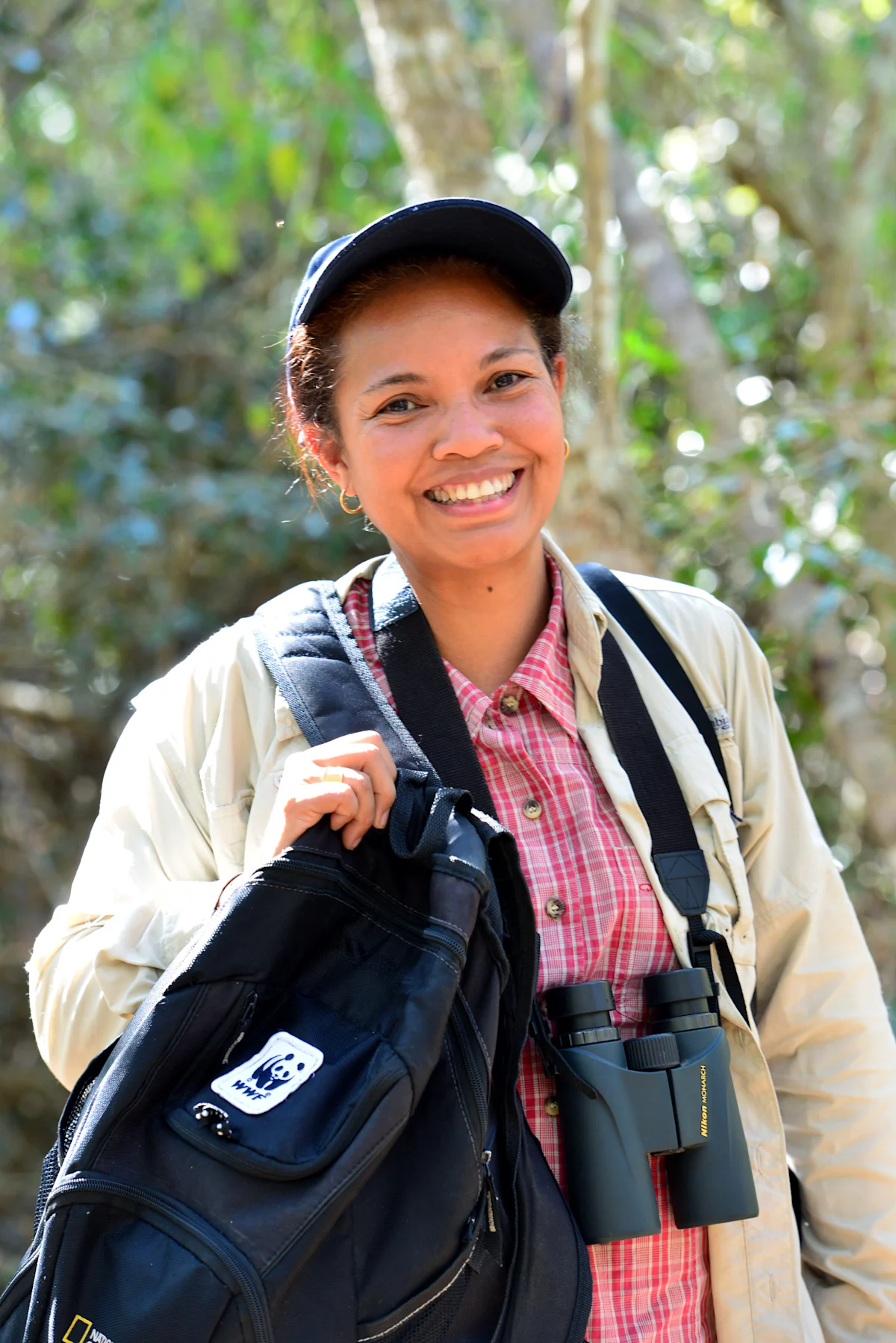
Domoina, WWF Madagascar Landscape Manager for the Tulear region, in Zombitse National Park. © Rachel Kramer/WWF-US
Domoina, WWF Madagascar Landscape Manager for the Tulear region, in Zombitse-Vohibasia National Park. © Rachel Kramer/WWF-US

With Domoina, our small group spotted species of lemurs and birds in Zombitse-Vohibasia National Park that exist nowhere else on Earth. We spotted an Appert’s tetraka (Xanthomixis appertain)—a rare Malagasy tetraka—as it foraged in the dry leaf litter of the forest floor. From gaps in the canopy, yellow eyes peered out at us.
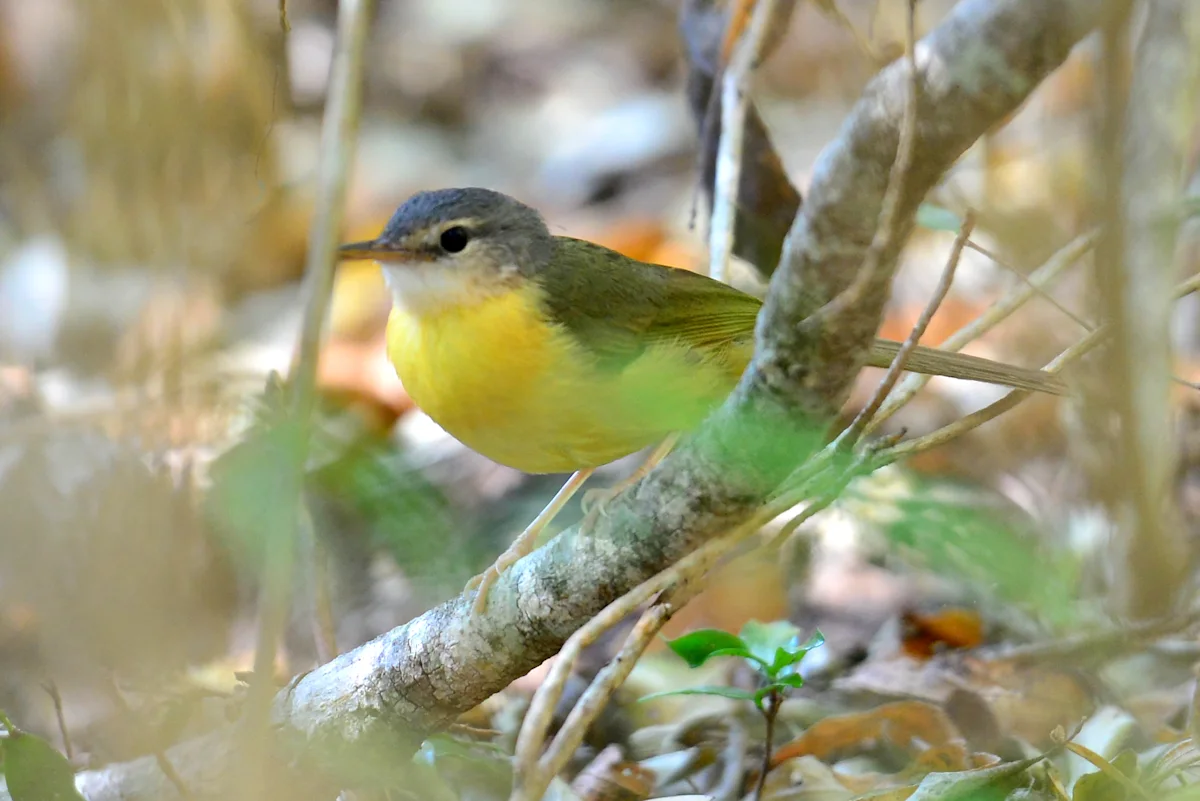
An Appert's tetraka (Xanthomixis apperti) on the forest floor in Zombitse Vohibasia National Park. This species is known from only two locations in southwestern Madagascar. © Rachel Kramer/WWF-US
An Appert’s tetraka (Xanthomixis apperti) on the forest floor in Zombitse-Vohibasia National Park. This species is only known to exist in two locations in southwestern Madagascar. © Rachel Kramer/WWF-US

The endangered Zombitse sportive lemur (Lepilemur hubbardorum) is only known to occur in this protected area of Madagascar.
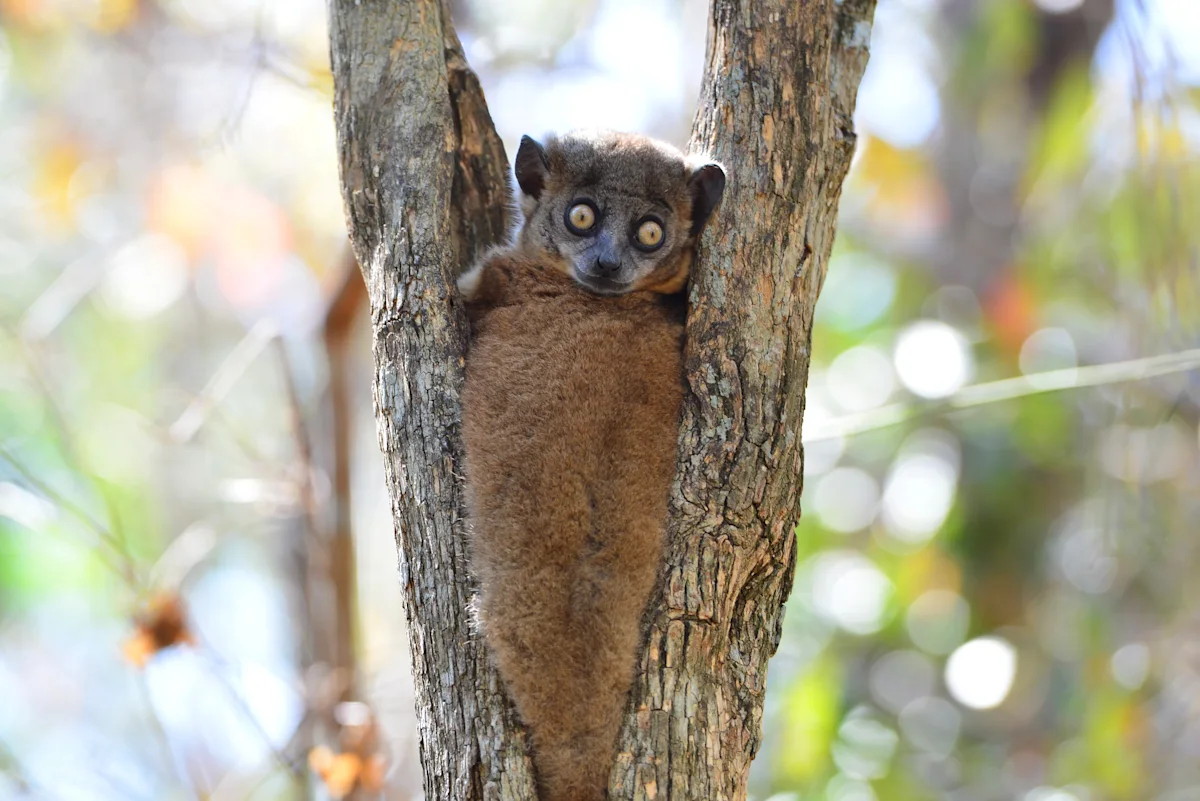
An endangered Zombitse sportive lemur (Lepilemur hubbardorum) in Zombitse National Park. © Rachel Kramer/WWF-US

WWF helps to conserve the fragile forests that they call home, advancing community energy projects to reduce forest cutting for charcoal. Our local guides in Zombitse went directly from guiding our group in the national park tofighting escaped fires, opens in new tab caused by land clearing along the forest’s southern boundary.

WWF continues to work on various issues within Madagascar, including alternative energy, community-based natural resource monitoring and management, environmental education, Madagascar ecotourism, and income generation, along with a range of other activities that benefit local livelihoods and biodiversity.

Rachel Kramer is a Senior Program Officer for TRAFFIC on WWF’s Wildlife Conservation team. A Madagascar expert, she accompanied a 2015 Nat Hab Madagascar tour, exploring national parks in the island’s center, south and northwest. Her small group had close encounters with 20 species of lemurs in two weeks, and learned about conservation and development challenges facing communities in rural Madagascar.

More from Nature & Wildlife

All Nature & Wildlife stories
  • Asia & The Pacific

    Discover Southern Australia’s Kangaroo Island

    Nov 17, 2026 · Cathy Brown

    Any adventure from abroad to Australia feels like a journey to the ends of the Earth. But just imagine the sensation of awe and wildness that awaits when going even more “down under” than mainland Down Under.

  • Asia & The Pacific

    10 Unique Species You Can See in Southern Australia

    Nov 16, 2026 · Emily Goodheart

    Australia’s southern coast is home to an array of intriguing wildlife. The fascinating animals found here are specially adapted for their environment, their unique traits and behaviors a result of 30 million years of geographical isolation.

  • Nature & Wildlife

    Our Beautiful, Singular, Habitable World

    Nov 10, 2026 · Candice Gaukel Andrews

    The question of whether Earth is alone in harboring life has captivated humanity for millennia. Likewise, other planets that could support human communities have stoked our imaginations for decades, resulting in books, films and other artworks that show us thriving on distant celestial bodies.
