


Videos
Cli-Psy: Why We Find It So Hard to Accept Climate Change Facts
Have you heard of “cli-psy”? It’s a new field of study about why we have trouble accepting climate change facts. Watch this short video explaining the reasons.
Videos
Have you heard of “cli-psy”? It’s a new field of study about why we have trouble accepting climate change facts. Watch this short video explaining the reasons.

Conservation
Feeding the world’s population in the coming years is going to be a challenge. The United Nations estimates that by 2100, there will be an average of 11 billion people on Earth; that’s 4 billion more than there are today. Several solutions have been suggested, such as farming and eating insects.
Videos
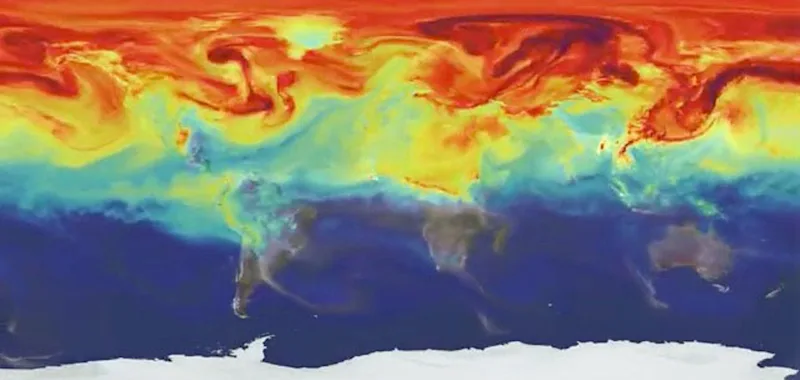
We Earthlings are lucky. While other planets in our solar system are either blistering hot or bitterly cold, the surface of Earth has relatively mild and stable temperatures. We get to enjoy these conditions because of the Earth’s atmosphere, the thin layer of gases that envelop and protect our planet.
Nature & Wildlife
The United Nations’ report on climate change released on Sunday, November 2, 2014, predicted a gloomy future for the residents of planet Earth. It stated that the dangers of human-caused climate change are no longer debatable; they are real and are even now being felt all over the world.

Videos
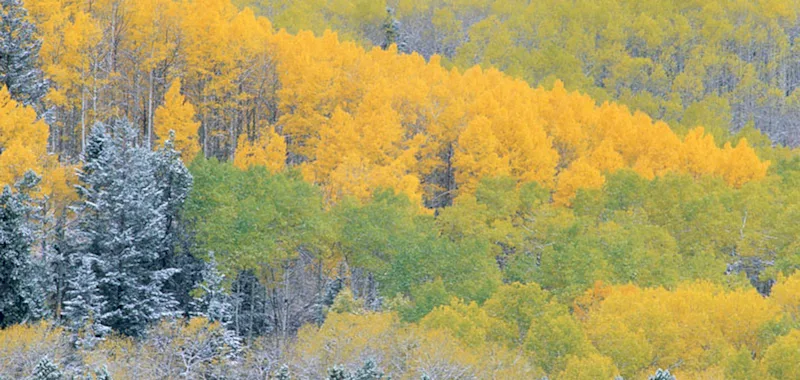
Forests are important for our welfare for a very long list of reasons, a few of which are: • they provide us with medicines; • they manufacture breathable air: just one adult, leafy tree can produce as much oxygen in a season as 10 people inhale in a year; • they fight flooding; •…

News & More
Some of the world’s most beloved travel destinations are also among the most vulnerable to the effects of climate change, according to two WWF experts.
Nature & Wildlife
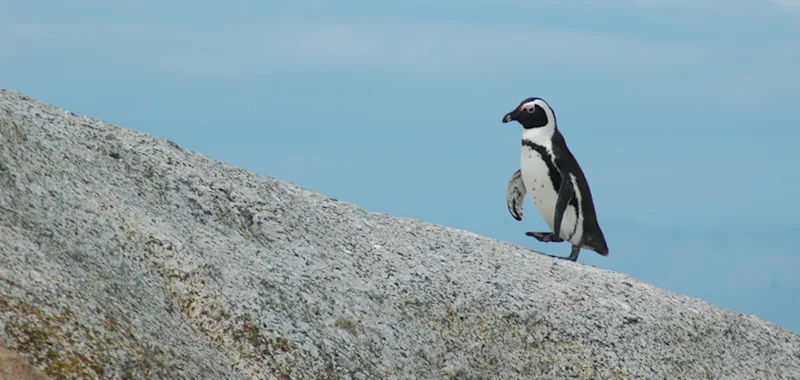
We’ve all heard the dire predictions about the world’s polar bears: according to the U.S. Geological Survey, two-thirds of them could disappear by 2060, even under moderate projections for shrinking summer sea ice caused by greenhouse gases in the atmosphere.
Conservation
On January 31, 2014, the State Department released its Final Supplemental Environmental Impact Statement of the Keystone XL pipeline in an 11-volume publication. The proposed pipeline segment would carry heavy oil from Canada’s tar sands across Nebraska and five other states to refineries in Texas.
Conservation
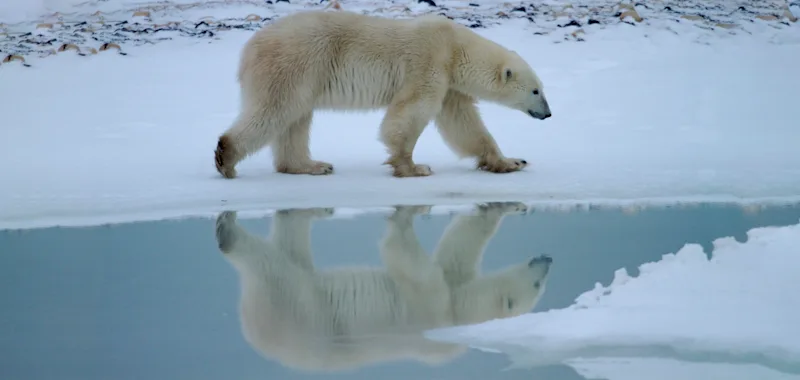
Cute, adorable animals are often used to garner support for environmental causes in places that are remote. After all, it’s hard to have concern for an area that is at the opposite end of the Earth from where you live and for which you have no plans to ever see.
News & More
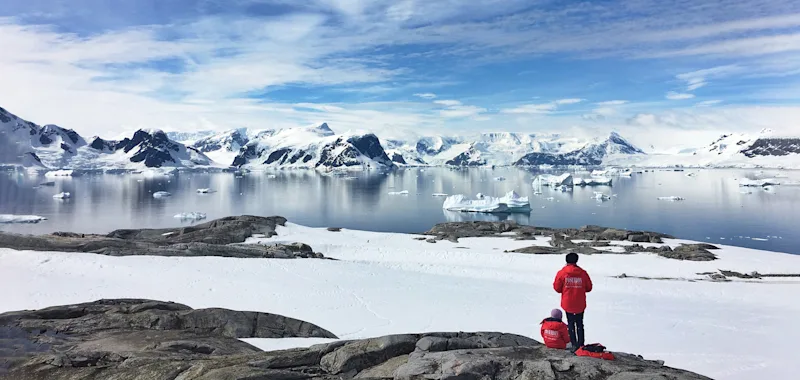
As someone committed to going on nature adventures, you most likely try to make the least negative impact on the world that you possibly can when you travel. You choose carbon-neutral companies, try to leave no trace of your wanderings and make necessary purchases locally.