

Nature & Wildlife
11 WWF & Nat Hab Travel Destinations Top the New York Times 2014 Bucket List
The New York Times published an exclusive list 52 places to visit in 2014. Here are 11 of the destinations WWF and Nat Hab can take you to in 2014.
Nature & Wildlife
The New York Times published an exclusive list 52 places to visit in 2014. Here are 11 of the destinations WWF and Nat Hab can take you to in 2014.
Travel Tips
There’s no doubt that the print publishing world is rapidly changing, and perhaps nowhere is the revolving nature of the industry being played out more visibly than in the travel guidebook genre.
Nature & Wildlife
Last week, the U.S. Fish and Wildlife Service pulverized nearly six tons of illegal African and Asian elephant ivory. A conservative estimate of this ivory, which was seized at our nation’s ports of entry from the late 1980s to the present, is that it represents 2,000 animals.
Conservation
On Monday, May 6, 2013, 17 heavily armed poachers entered Dzanga-Ndoki National Park in the Central African Republic. They then proceeded to a large clearing known as Dzanga Bai, or “village of elephants,” where between 50 and 200 of the animals congregate daily to drink in the mineral salts found in the sands.
Conservation
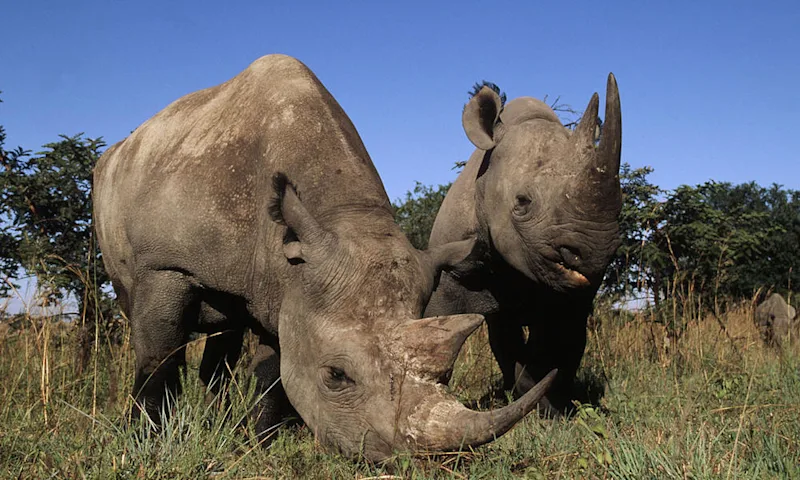
A recent article in the South African newspaper Times Live reported that two poachers were sentenced to 29 years each in prison for killing a rhino and its calf in Kruger National Park.
Videos
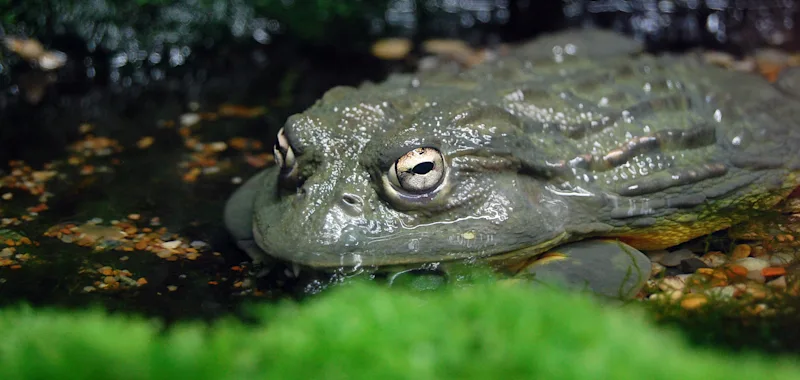
It’s not easy being green, as Kermit the Frog often reminds us. And that statement is particularly apropos if you’re an African bullfrog (Pyxicephalus adspersus).

Conservation
Despite global efforts to protect the endangered rhinoceros population, WWF has announced that rhino poaching in South Africa is more rampant than ever, doubling annually in the last three years. WWF is engaged in an all-out battle against sophisticated poaching rings to end this tragic loss of rhinos.
Conservation
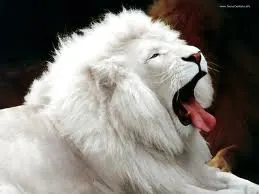
Ever seen a white tiger? How about a white lion? Like the creamy Spirit Bear of Canada’s west coast, white lions are not albinos but unusual genetic anomalies. They’re extinct in the wild, but one non-profit conservation group is trying to bring them back.