Good Nature Travel Blog

3405 stories

  • Latin America

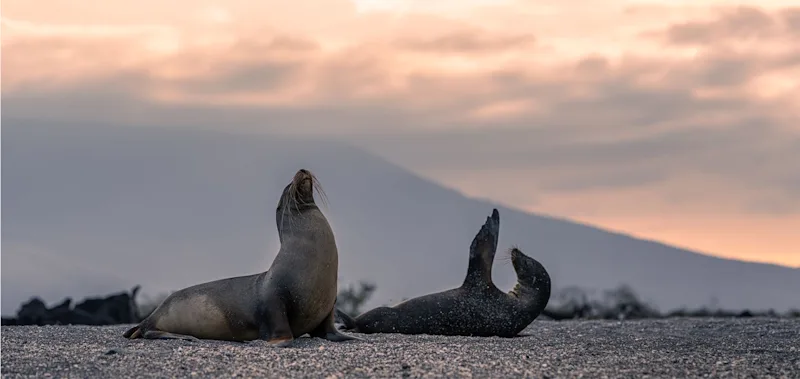
    What’s the Difference Between a Seal and Sea Lion?

    Oct 20, 2022 · Samantha Miller

    Seals, walruses, sea lions and fur seals are all marine animals known as pinnipeds. Pinniped is a Latin-derived word that can be translated to mean “feather-footed” or “fin-footed,” describing an important characteristic that distinguishes each species. Pinnipeds are divided into three distinct families that comprise 33 different species.

  • African Safaris

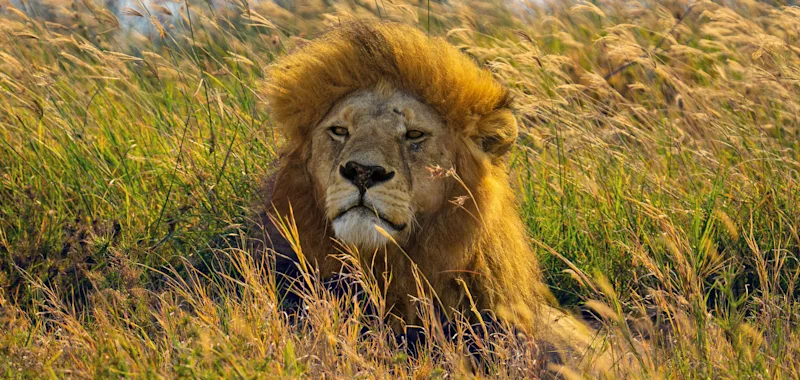
    Lion Teeth Tell Tales

    Oct 18, 2022 · Candice Gaukel Andrews

    Staggering natural wonders—such as Victoria Falls, considered to be the world’s biggest curtain of falling water (not because of a singular dimension, such as height or width, but because of all dimensions taken into account, including flow rate)—and a massive network of remote national parks where you can encounter most of Africa’s iconic wildlife…

  • News & More

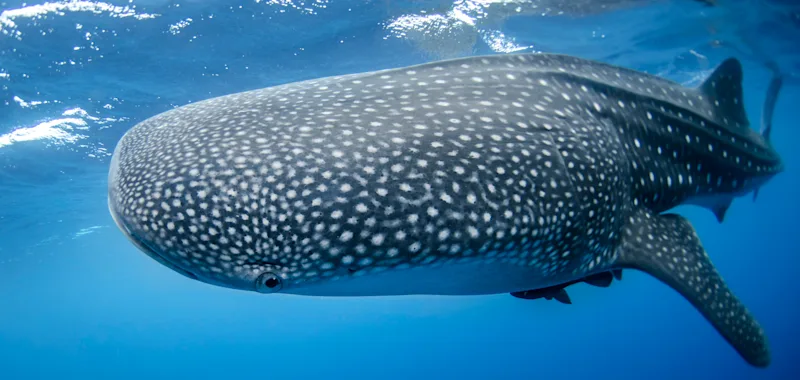
    Whale Sharks Top Kodiak Bears for World’s Largest Omnivore

    Oct 11, 2022 · Candice Gaukel Andrews

    Whale sharks are the biggest fish and shark in the world. Adults can weigh 41,000 pounds and average about 40 feet long, but they may grow as large as 65 feet. According to World Wildlife Fund (WWF), these gentle giants roam all the planet’s tropical oceans, generally alone.

  • African Safaris

    The Importance of Getting Along: Symbiosis in Nature

    Oct 10, 2022 · Cathy Brown

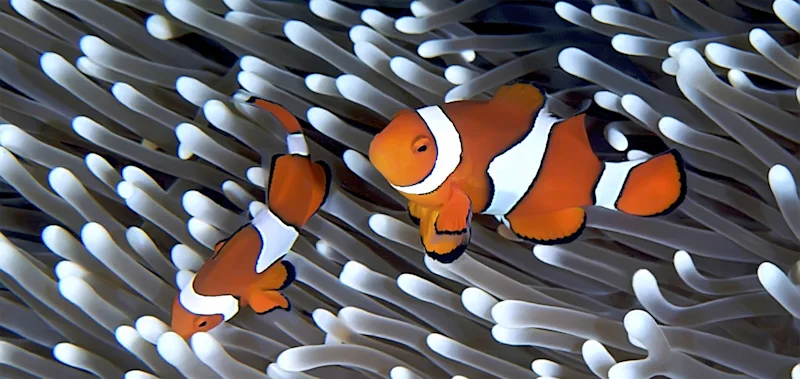
    As the great naturalist Charles Darwin once said, “In the long history of humankind (and animal kind, too) those who learned to collaborate and improvise most effectively have prevailed.” There are millions of different species on this planet, and many of them have to share the same habitat and resources.

  • Latin America

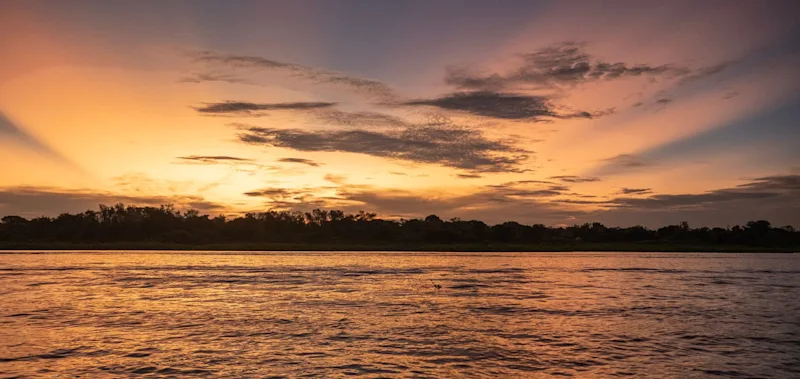
    Explore Rain Forest and Ruins from the Amazon to Machu Picchu

    Oct 6, 2022 · Natural Habitat Adventures

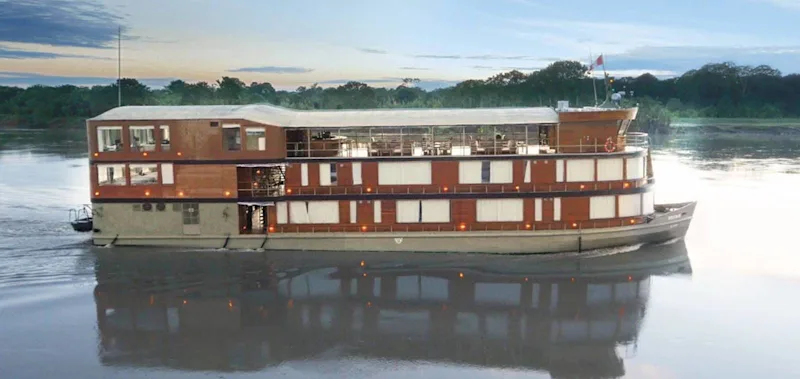
    The Amazon Basin contains the largest rain forest on Earth, covering 2.7 million square miles—that’s twice the size of India, roughly the area of the Lower 48 states. It contains 10 percent of the world’s entire biodiversity. The Amazon River flows more than 4,000 miles through this massive biome and has 1,100 tributaries.

  • Canada & the North

    Polar Bears in Greenland Find Way to Live With Less Sea Ice

    Oct 5, 2022 · Michelle Peters

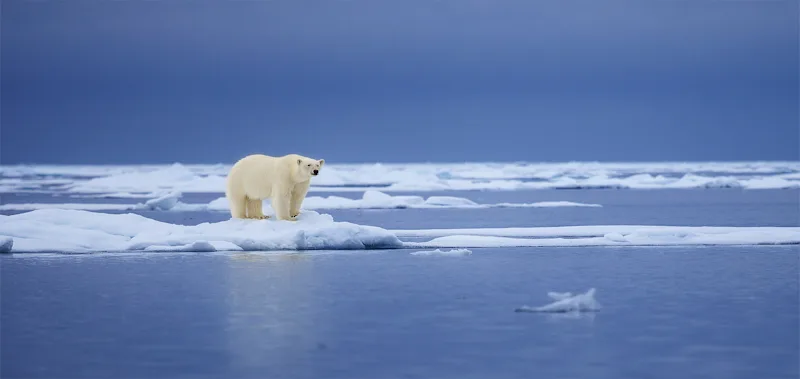
    Back in March of this year, we covered polar bears and their incredible adaptations for surviving in the harsh Arctic environment. We learned about a female polar bear that, in 2011, swam 426 miles over nine straight days (which is equivalent to the distance between Washington, D.C., and Boston).

  • Asia & The Pacific

    Go With the Glow: Bioluminescent Animals and Where to Find Them

    Oct 4, 2022 · Jon Jared

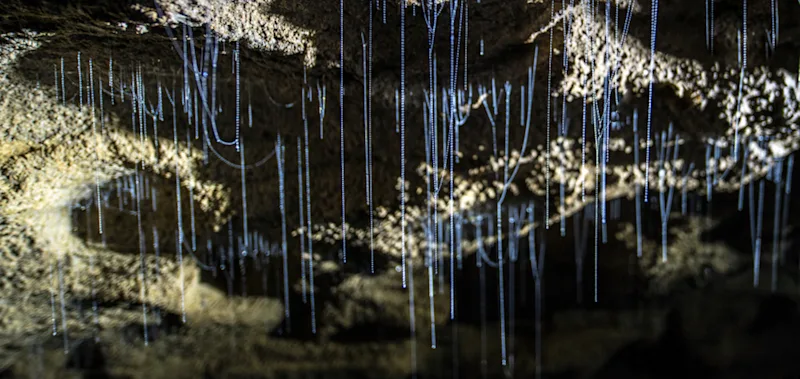
    Bioluminescence is a natural phenomenon that highlights the brilliance of the natural world—literally! Glowworms light up, fireflies flash and plankton sparkle. These animals use their natural abilities to ensnare prey, to defend themselves, to attract mates and, at times, to simply illuminate the path ahead.

  • Conservation

    Yellowstone Heats Up; Wolves Could Curb the Warming

    Oct 4, 2022 · Candice Gaukel Andrews

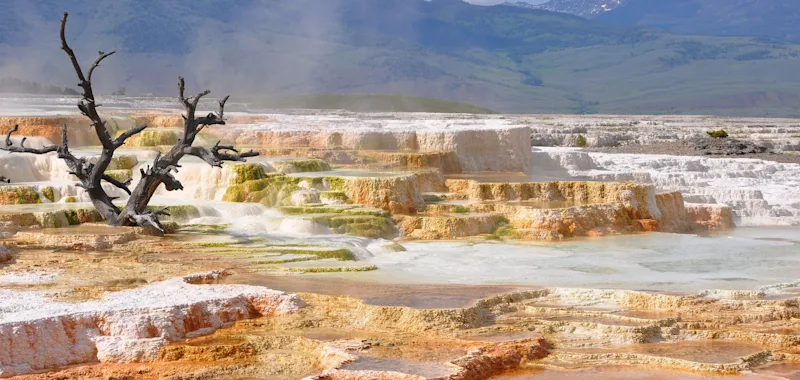
    Yellowstone National Park is famous for its beautiful but harsh winters. Blanketed in snow, it exudes an almost mythical aura—even in the season’s common subzero temperatures there.

  • Travel Tips

    8 Ways to Travel More Responsibly with Your Children

    Oct 3, 2022 · Natural Habitat Adventures

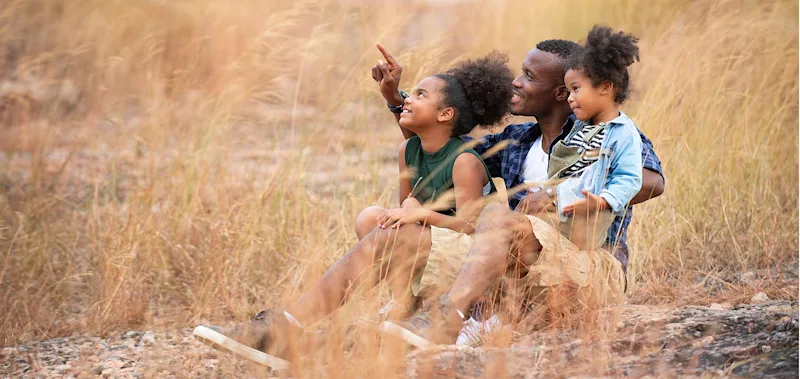
    By Rachel Dodds, Director of Sustaining Tourism We as parents all know that there is a climate crisis and that we want to leave our planet in a better state for our children. We also want to help our children explore the world and all the wonders it has to offer.

  • African Safaris

    5 Places to Spot Leopards in the Wild

    Sep 28, 2022 · Michelle Peters

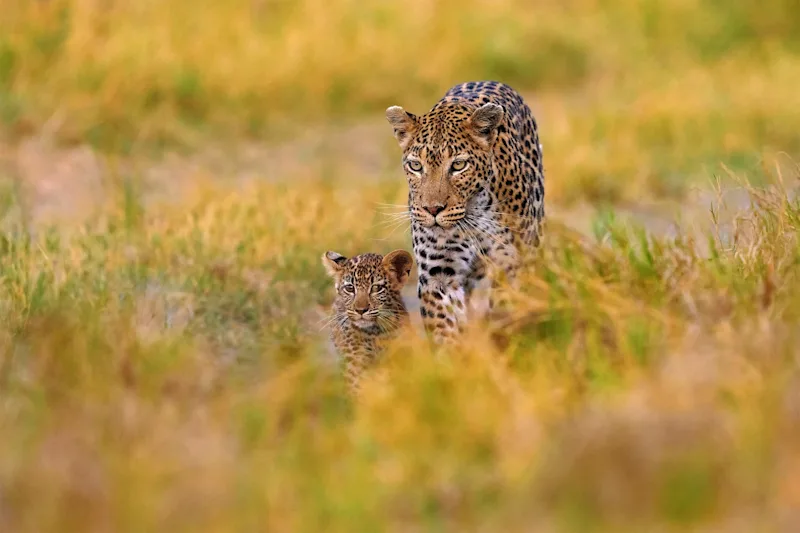
    The quintessential “big cat,” the leopard is the most generalized of the Pantherines. The four others—lion, tiger, jaguar and snow leopard—are more specialized and less adaptable. Yet all share an ancestral link to a pre-historic feline that looked and behaved much like the modern leopard.