Good Nature Travel Blog

  • News & More

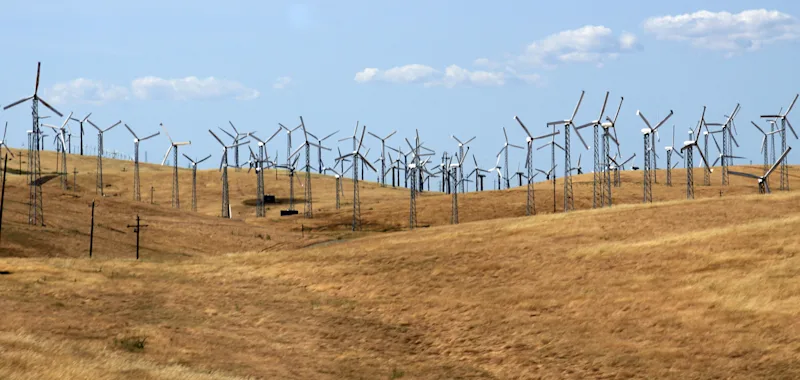
    New Climate Study Advises Leaving Fossil Fuels in the Ground. But Will We?

    Feb 24, 2015 · Candice Gaukel Andrews

    At the most recent United Nations Climate Change Conference, held in Lima, Peru, in December 2014, more than 190 countries—including the United States—voluntarily agreed to limit carbon emissions in order to keep the world from warming another 2 degrees Celsius (3.6 degrees Fahrenheit) by the end of this century.
  • Videos

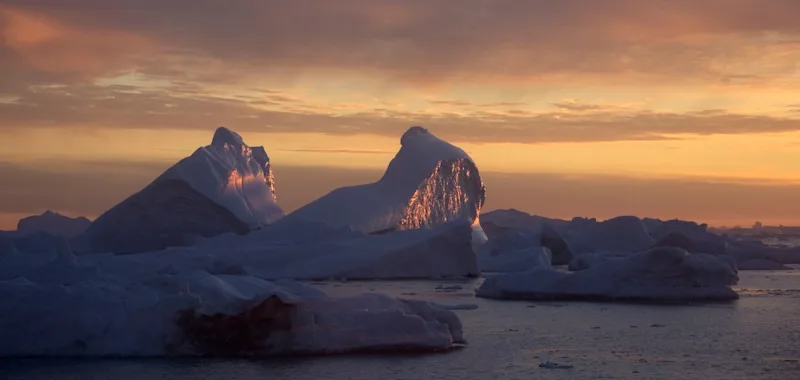
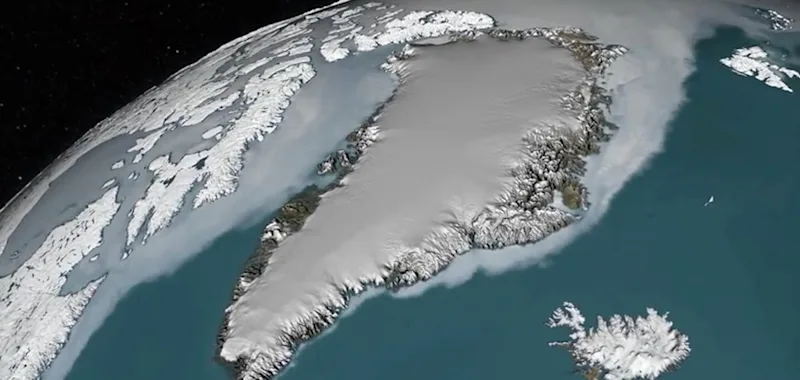
    Video: New, 3-D Map of Greenland’s Ice Sheet Just Released

    Feb 5, 2015 · Candice Gaukel Andrews

    Norwegian-born Erik the Red was either a great marketer or just a truthful traveler, depending on which stories you choose to believe. Growing up, you probably learned in school that Erik the Red named the world’s largest noncontinental island “Greenland” (Grunland) to entice his neighbors and friends to settle the new country with him.

  • Conservation

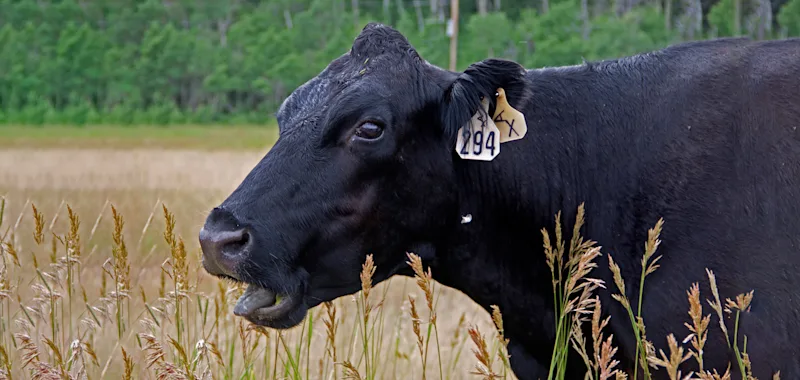
    Going Vegan: Best Way to Combat Rapid Climate Change?

    Feb 3, 2015 · Candice Gaukel Andrews

    One of my favorite things about writing a regular eco-travel and environmental column is getting to read the comments that come in. Sometimes readers are complimentary, sometimes they are critical and sometimes they challenge me. Such is the case with an article I recently wrote on soil and climate change.

  • Nature Photography

    Travels in Greenland: A Photo Journal

    Jan 29, 2015 · Candice Gaukel Andrews

    Of all the places I’ve traveled to, Greenland is the most complicated, I think. While there are commonalities with other spots in the world, Greenland always seems to put its own, special twist on things. For example, much like what I found in Yellowstone National Park, Greenland plays with your linear sense of time.

  • News & More

    Should Nonnative Species Be Introduced as Biocontrols?

    Jan 27, 2015 · Candice Gaukel Andrews

    For decades now, climate change has been altering habitats and causing a major shift of ecosystems northward. Unable to adjust quickly enough, some cold-adapted species are being forced to relocate to higher latitudes as warmer temperatures push them out of their traditional environs. For some warm-weather species, habitats are expanding.

  • News & More

    Climate Change: Political Science vs. Soil Science

    Jan 20, 2015 · Candice Gaukel Andrews

    Americans may finally be getting more concerned about climate change, according to the Pew Research Center. In a brand-new survey about policy priorities that was conducted January 7–11, 2015, the organization found that more of us now view “global warming” as an important consideration for the president and Congress.

  • Nature & Wildlife

    New Year: Top 10 Things I Learned about Nature in 2014

    Dec 30, 2014 · Candice Gaukel Andrews

    The year 2014 is now in its final hours.Traditionally, during these last, waning days, we look back on what kind of year we just had, what we accomplished and what we could have done better.

  • Conservation

    When Going Green Isn’t Good: Climate Change and the Green Revolution

    Dec 16, 2014 · Candice Gaukel Andrews

    Feeding the world’s population in the coming years is going to be a challenge. The United Nations estimates that by 2100, there will be an average of 11 billion people on Earth; that’s 4 billion more than there are today. Several solutions have been suggested, such as farming and eating insects.

  • Videos

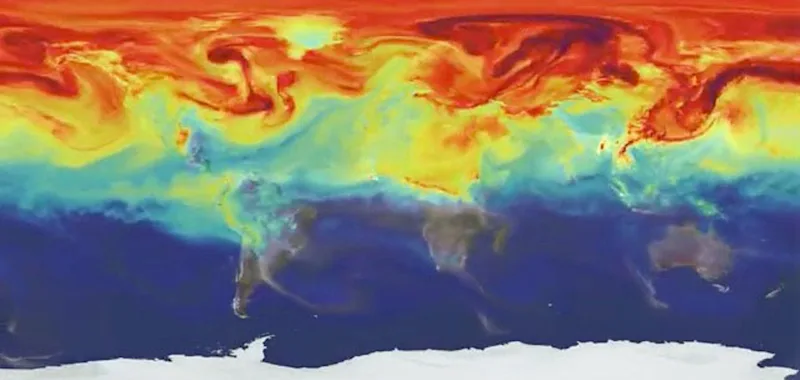
    Video: A New, High-Resolution Look at Atmospheric Carbon Dioxide

    Dec 2, 2014 · Candice Gaukel Andrews

    We Earthlings are lucky. While other planets in our solar system are either blistering hot or bitterly cold, the surface of Earth has relatively mild and stable temperatures. We get to enjoy these conditions because of the Earth’s atmosphere, the thin layer of gases that envelop and protect our planet.