Good Nature Travel Blog

3405 stories

  • Videos

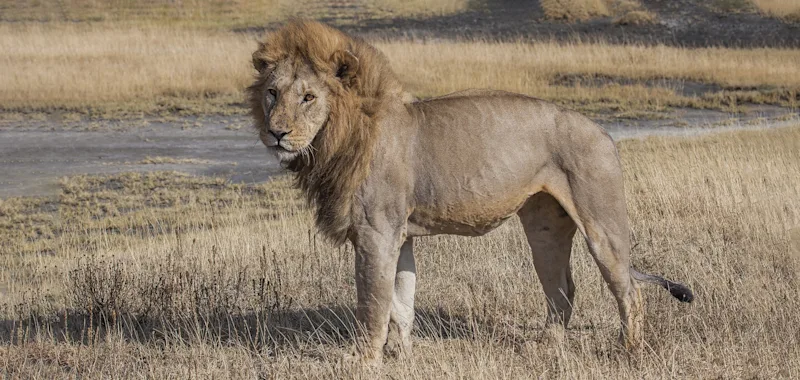
    Video: From a Lion’s Point of View

    May 12, 2011 · Candice Gaukel Andrews

    Recent new technology has allowed us to get a glimpse into other creatures’ lives like never before. It seems that every day, we’re learning more about the incredible feats—and the normal days—of the beings who share the planet with us.
  • Nature & Wildlife

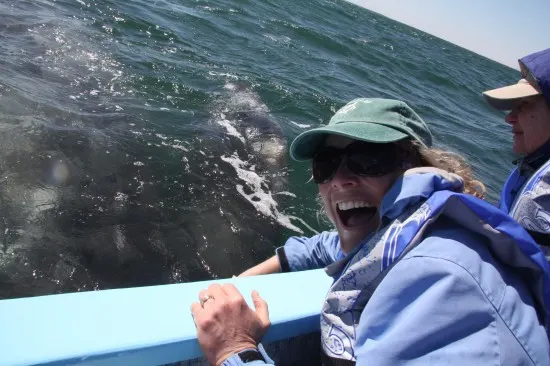
    Close Encounters with Whales: Part I

    May 10, 2011 · Wendy Redal

    The Pacific Gray Whale undertakes the world’s longest mammal migration, traveling an average of 10,000 to 14,000 miles on its annual journey from northwest Alaska to the breeding and calving lagoons of Baja California.

  • Nature & Wildlife

    Great Migrations—from Small Creatures

    May 10, 2011 · Candice Gaukel Andrews

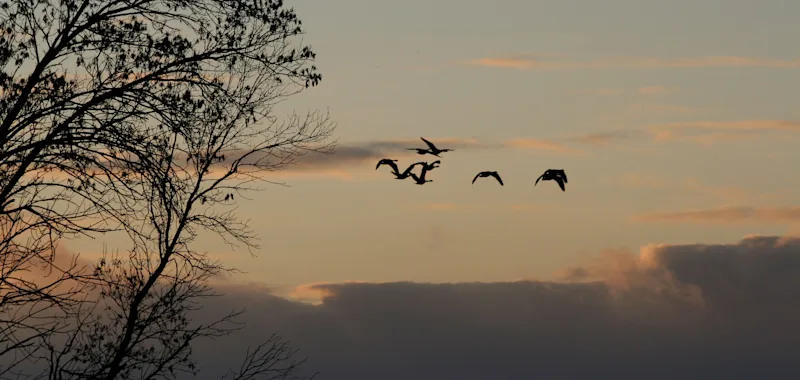
    If you dread overseas flights because you always land intolerably tired and exceedingly hungry, I have some facts that might help you put such ordeals into perspective. It was recently discovered that a female bar-tailed godwit flew 7,145 miles from Alaska to New Zealand—without taking a single break for food or drink.

  • Nature & Wildlife

    Dolphins as Therapists

    May 3, 2011 · Candice Gaukel Andrews

    Dogs have been working as “therapists” for us for a long time now. Since the 1970s, they have been going into nursing homes, assisted living centers, children’s hospitals and prisons to help lift spirits and provide nonjudgmental companionship.

  • Videos

    Videos: Lemming Suicide, the No. 1 Nature Hoax

    Apr 28, 2011 · Candice Gaukel Andrews

    The top nature hoax—according to Animal Planet, the popular TV channel created by the BBC and Discovery Communications—is the suicidal nature of lemmings.

  • Travel Tips

    Places, Good and Bad

    Apr 26, 2011 · Candice Gaukel Andrews

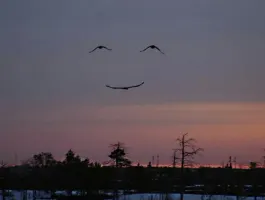
    We humans seem to have a great need to anthropomorphize; that is, we tend to want to ascribe human characteristics to inanimate objects, nonhuman animals and natural phenomena, such as the wind, rain or sun.

  • Conservation

    10 Travel Tips to Protect the Planet

    Apr 26, 2011 · Wendy Redal

    Earth Day is past, but cultivating eco-awareness should be a part of our daily routine. When it’s time to leave home, consider the planet as you make your plans. These simple practices take little effort but can make a big impact on the environment — not just for Earth Day, but every day.

  • Nature & Wildlife

    The World’s Most Underappreciated Bird?

    Apr 25, 2011 · Brad Josephs

    In modern society the raven is surely the world’s most underappreciated bird. Physically, ravens are neither ornate nor powerful. They lack the color of most other songbirds, the hunting prowess of mighty raptors, and are often associated with garbage dumps. However, in many cultures ravens have held the highest level of respect and admiration.

  • Conservation

    For Earth Day: A Gallery of Green

    Apr 22, 2011 · Wendy Redal

    It’s Earth Day, and you’re likely to hear the word “green” a gazillion times before April 22 is over. It’s easy to get calloused to the notion of “going green.” Is there such a thing as “green fatigue”? I suppose the cynically inclined might say so.

  • News & More

    Explore a National Park This Week — For Free!

    Apr 19, 2011 · Wendy Redal

    It’s National Park Week in the USA. At a moment when the federal budget is as strained as it’s ever been, our parks are nonetheless open free of charge to all comers from April 16-24. It’s a perfect opportunity to discover a new destination or get reacquainted with an old favorite.

  • Nature & Wildlife

    What Whales Contemplate

    Apr 19, 2011 · Candice Gaukel Andrews

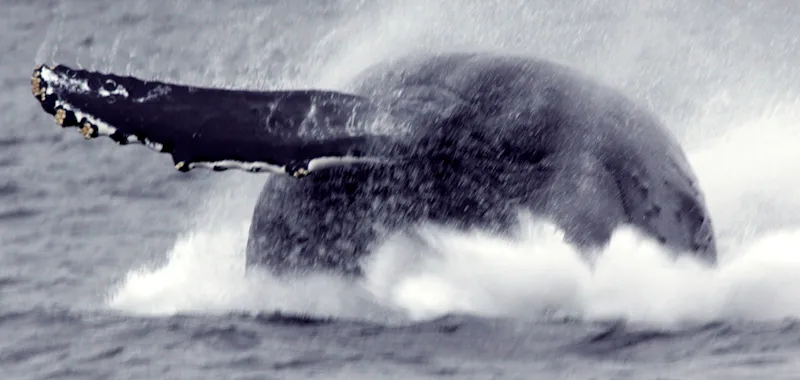
    Seems there’s a rising singing sensation who’s getting a lot of press lately. He hails from Australia. Well, actually, from off the coast of Australia—way off. From beneath the ocean. He’s a humpback whale.

  • Videos

    Video: Beluga Bath Time

    Apr 14, 2011 · Candice Gaukel Andrews

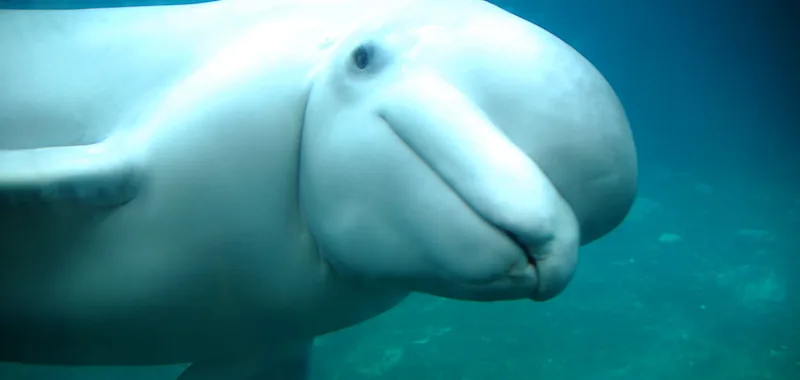
    Stunningly white in a blue sea, beluga whales are ethereally beautiful creatures when spotted in their natural habitats. Not only are they a treat for the eyes, but hearing them is something you’ll never forget.