Good Nature Travel Blog

3405 stories

  • Nature & Wildlife

    Dispatches from Base Camp Greenland—Arriving at Camp

    Sep 11, 2015 · Wendy Redal

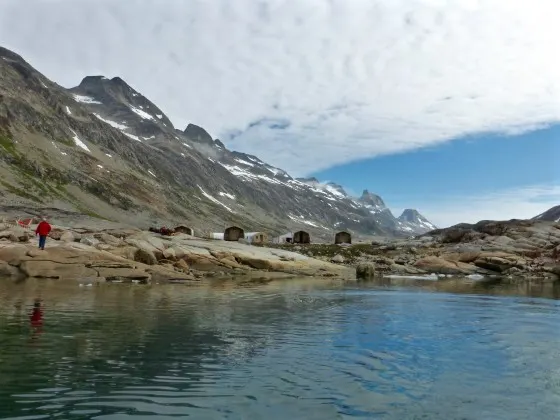
    By Wendy Redal, Editorial Director at Natural Habitat Adventures From a distance, Base Camp Greenland is hard to discern. The seven raised tent-cabins perched on the rocky shoreline blend in with the mountains that flank either side of the broad glacial valley that meets this protected bay.
  • Nature Photography

    Wildlife Photo of the Week: Grizzly Staring Contest

    Sep 11, 2015 · Kendal Bower

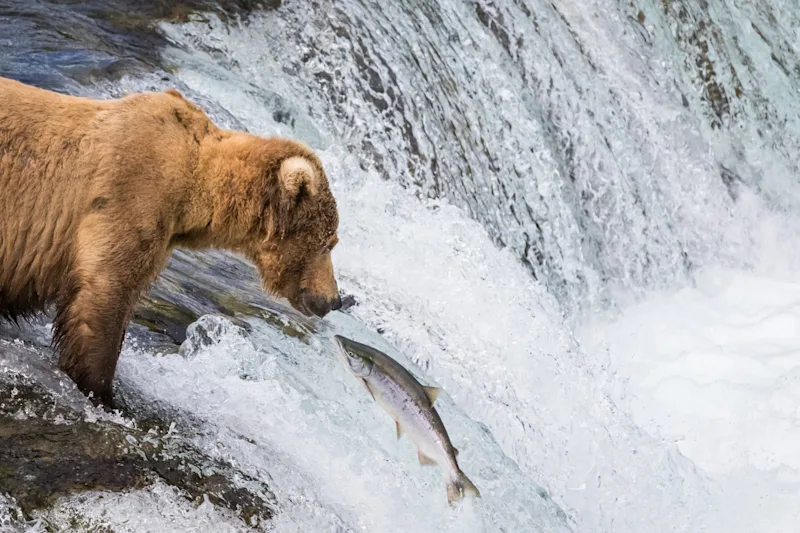
    Every Friday we choose our favorite photo of the week from our Wildlife Photo of the Day website. This week we chose a grizzly bear coming face-to-face with his potential dinner in Brooks Falls. Photographer Jeff Goldberg captured this photo while visiting Alaska with Nat Hab.

  • African Safaris

    Five Super Simple Hacks to Improve Your Safari Photos

    Sep 10, 2015 · iSafari

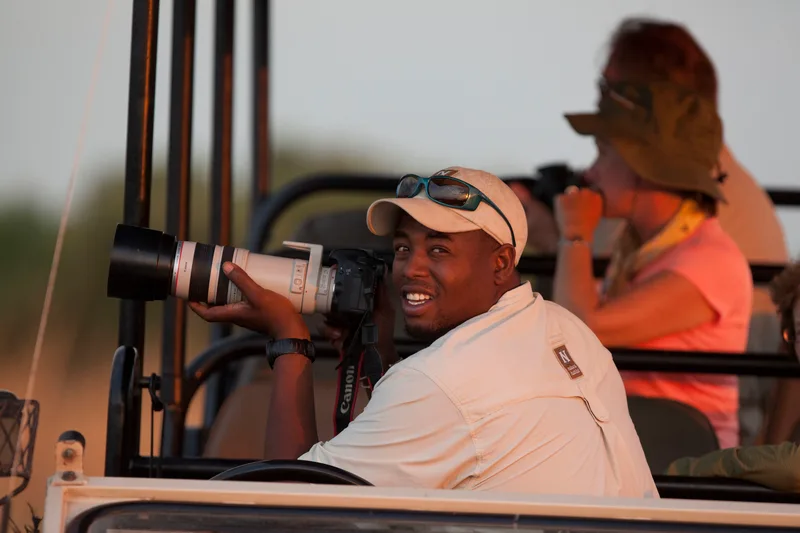
    Have you ever dreamt of taking award-winning, National Geographic-style wildlife photos while on safari, yet have little interest in buying expensive photography equipment or spending hours and hours of your precious time learning how to use your camera? Well, unfortunately I can’t help you. No one can.

  • Travel Tips

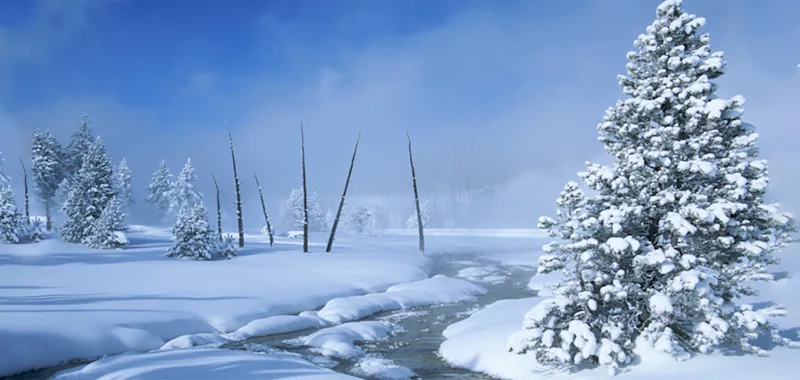
    6 Adventures that Will Make You Love Winter

    Sep 10, 2015 · Candice Gaukel Andrews

    According to Climate Central, an independent organization of scientists and journalists that researches and reports the facts about our changing climate, last year was the hottest in the past 135. Now, as we approach fall 2015, it’s looking like this year just might top that record.

  • Conservation

    See—and Save—the Endangered Rhino

    Sep 7, 2015 · Peter Davis Krahenbuhl

    In our last article on where to “See—and Save—the World’s Most Endangered Species: Part 1” we took a look at the endangered Siberian and Bengal tigers. Another incredib(ly endangered) animal is the rhinoceros. One of the world’s few remaining emblems of a bygone pre-historic era, the rhino once ruled many parts of Eurasia and Africa.

  • Galapagos Islands

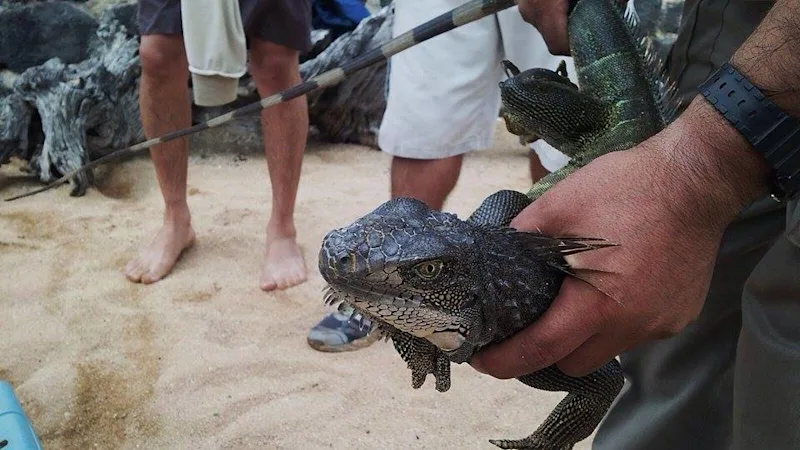
    Leaping Lizard! A Mainland Iguana Was Recently Discovered in the Galapagos

    Sep 4, 2015 · About Galapagos

    Iguanas are a common and generally welcome site in the Galapagos Islands. In fact, the archipelago is literally crawling with them in some places. But last month, a very unusual iguana sighting raised serious alarm bells in the Galapagos conservation community. A green iguana, which is native to mainland South America, was spotted and captured.

  • Nature & Wildlife

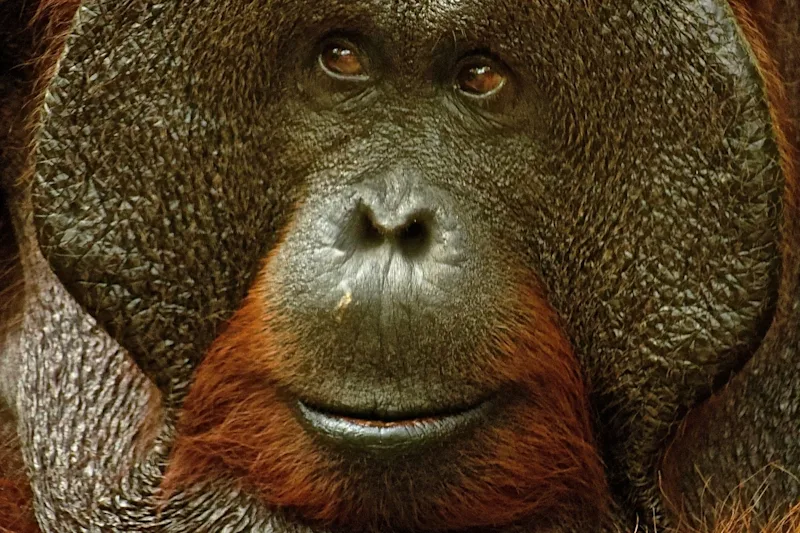
    Wildlife Photo of the Week: Orangutan Chief

    Sep 4, 2015 · Kendal Bower

    Every Friday we choose our favorite photo of the week from our Wildlife Photo of the Day website. This week we selected a gorgeous close-up of a male orangutan in Borneo. Photographer Mary Fine captured this moment while visiting Camp Leakey in Tanjung Puting National Park. Have you taken some amazing wildlife photos during your travels?

  • Videos

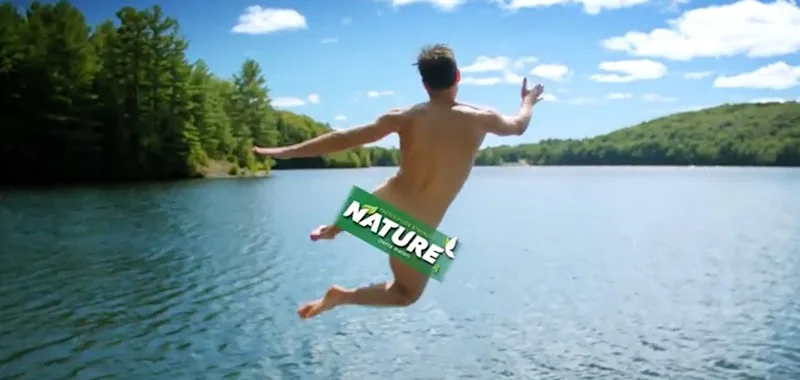
    Video: The Prescription-Strength Drug Called "Nature"

    Sep 3, 2015 · Candice Gaukel Andrews

    By now, you’re probably well versed in the many scientific studies out there that provide proof of how your health improves when you spend time in green settings and the benefits you accrue by going outdoors for at least several minutes every day.

  • African Safaris

    Photo of the Day: Terrapin Station

    Sep 1, 2015 · iSafari

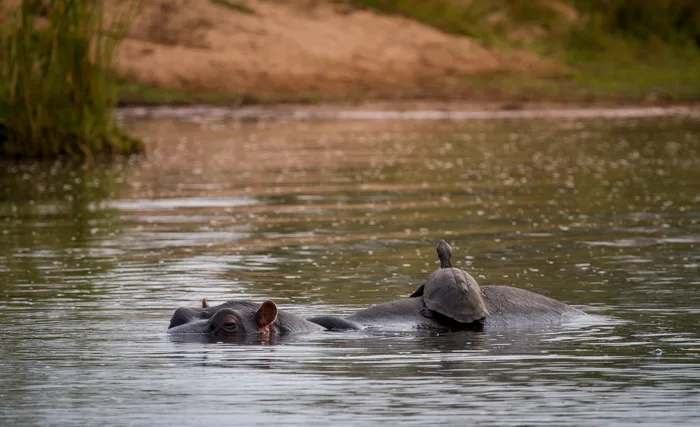
    This photo of a terrapin hitching a ride on the back of a hippo was taken recently by Andrea Campbell in South Africa’s Londolozi Private Game Reserve. Hippos are notoriously fussy about their personal space, but apparently these two are friends.

  • Galapagos Islands

    New Galapagos Birdwatching App Takes Flight

    Sep 1, 2015 · About Galapagos

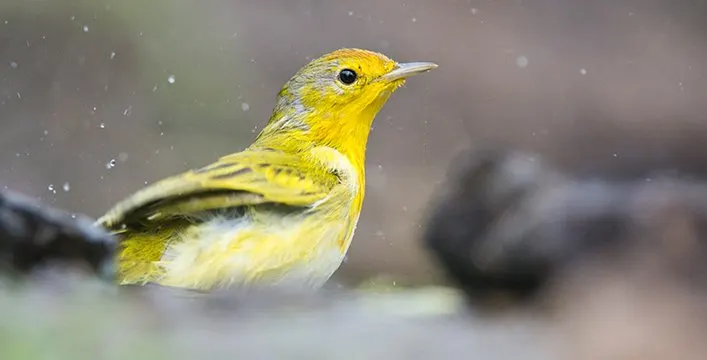
    Birdwatching in the Galapagos Islands just got a little easier and more fun thanks to a new free app. BirdsEye Galapagos will help visitors identify and learn about birds and allow them to contribute to science and conservation by helping scientists monitor and track bird populations.