Good Nature Travel Blog

3405 stories

  • Latin America

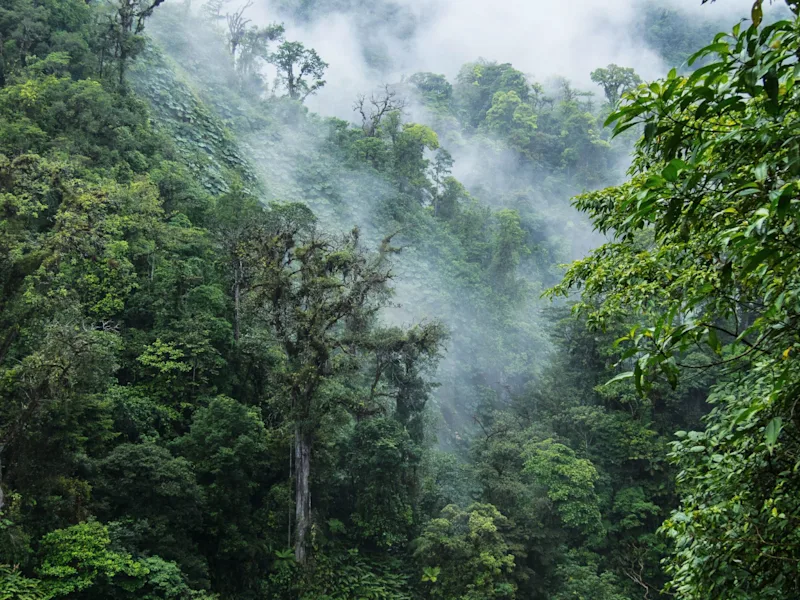
    A Walk in Costa Rica’s Monteverde Cloud Forest

    Mar 25, 2026 · Michelle Peters

    For a relatively small country, Costa Rica offers remarkably rich wildlife and nature opportunities. Anyone with an eye trained on eco-friendly, conservation-minded travel and rainforest adventures has likely considered a trip to this lush Central American nation.
  • Nature & Wildlife

    Life Goes On in Earth’s Most Extreme Environments

    Mar 24, 2026 · Candice Gaukel Andrews

    “Life finds a way.” That’s a now-famous statement from Dr. Ian Malcolm, a fictional character played by actor Jeff Goldblum in the 1993 movie Jurassic Park.

  • Nature & Wildlife

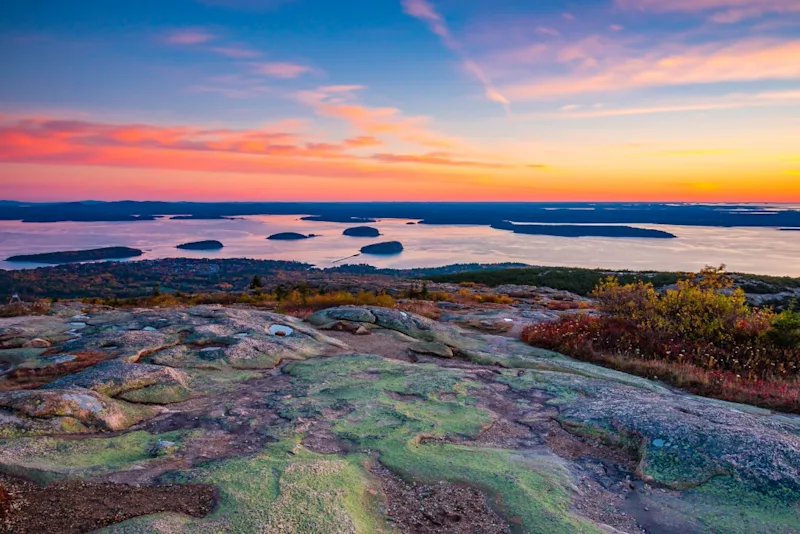
    Highlights of Maine’s Mount Desert Island and Acadia National Park

    Mar 23, 2026 · Emily Goodheart

    Nat Hab’s Maine Coastal Explorer tour takes travelers on an idyllic journey from Bangor to Acadia National Park. Here are five highlights visitors will experience during their stay on Mount Desert Island, the largest of Maine’s 4,600 coastal islands.

  • Asia & The Pacific

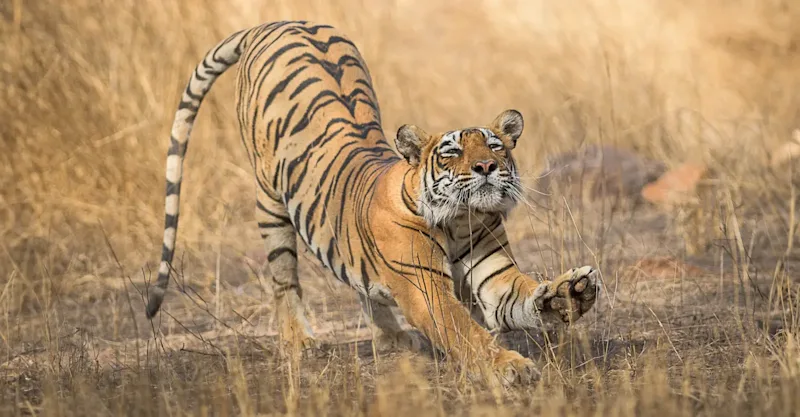
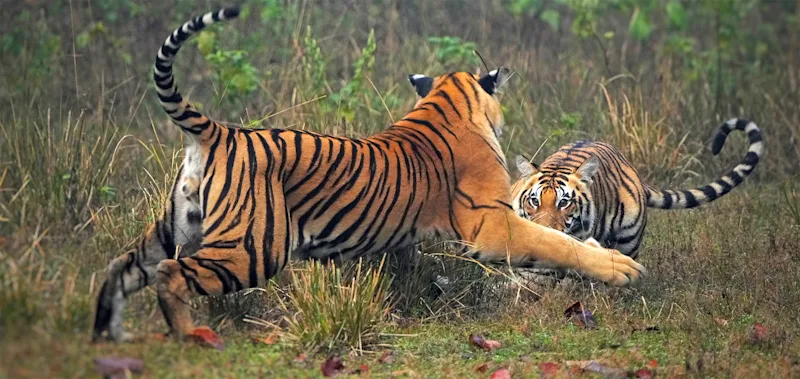
    What It’s Like to Track a Bengal Tiger in Tadoba National Park

    Mar 23, 2026 · Michelle Peters

    What Is Tadoba National Park Famous For? Tadoba National Park is one of India’s best destinations for seeing wild Bengal tigers. Located in Maharashtra in central India, this protected area is part of the Tadoba Andhari Tiger Reserve, one of the country’s 58 Project Tiger reserves.

  • Travel Tales

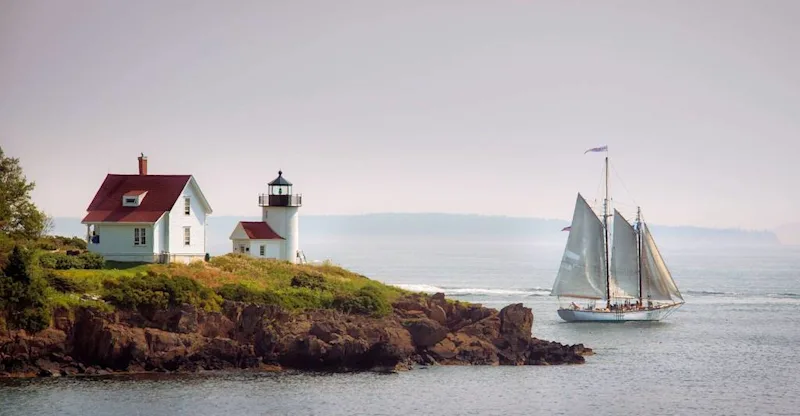
    Boating in Maritime Maine

    Mar 22, 2026 · Emily Goodheart

    Nat Hab’s Maine Coastal Explorer highlights the maritime gems of this easternmost state, and travelers will have ample opportunity to explore Maine’s rugged coast and quiet coves on private boat excursions. Passing picturesque harbors and scenic lighthouses, our chartered vessels set out to sea.

  • Churchill Polar Bears

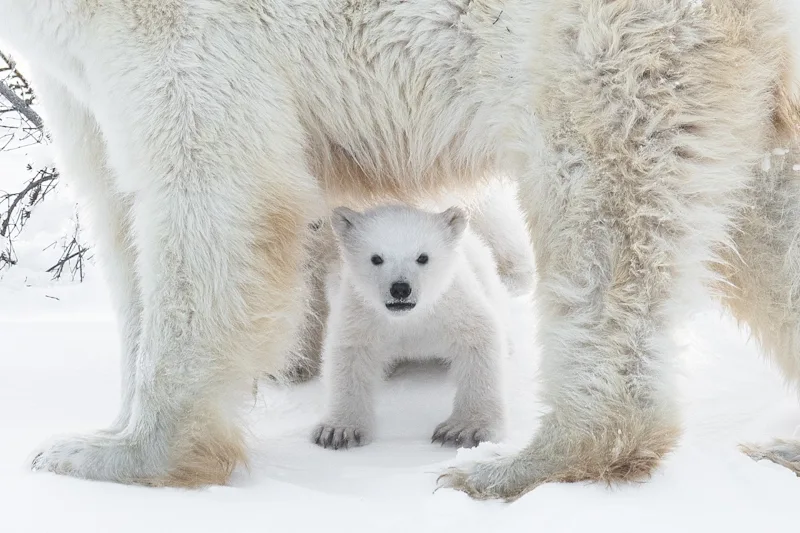
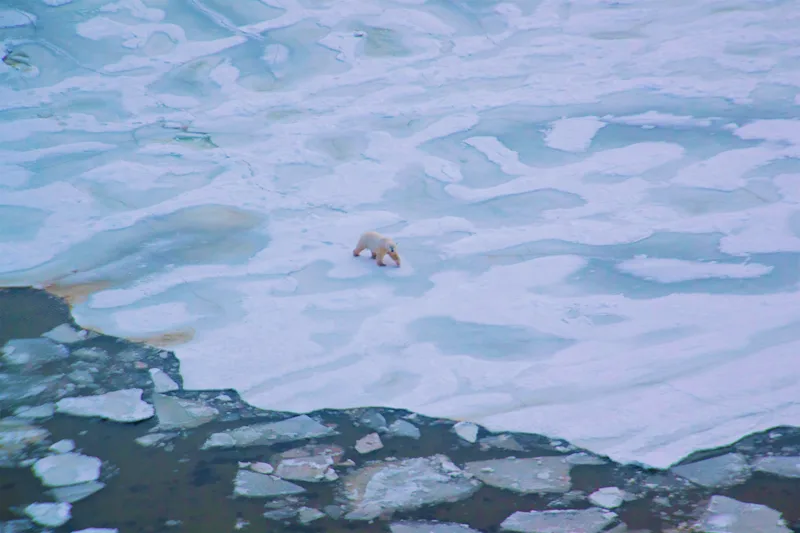
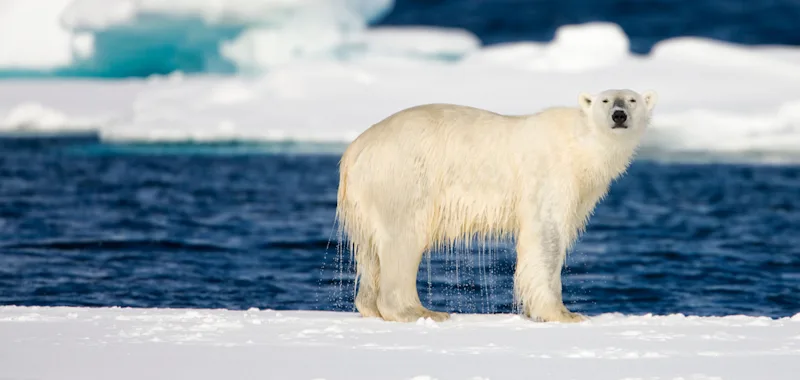
    Do Polar Bears Have White Fur?

    Mar 22, 2026 · Emily Goodheart

    The Arctic is home to a wide array of winter wildlife. The hides of Arctic foxes and snowshoe hares blend into glittering frost as snowy owls swoop overhead, feathers aglow in the light of a silvery moon.

  • Asia & The Pacific

    Conserving the Khata Corridor: A Transboundary Triumph for Tigers

    Mar 20, 2026 · Rebecca Self

    The Khata Corridor, a critical 15-mile wildlife passage along the shared border of Nepal’s Bardia National Park and India’s Katarniaghat Wildlife Sanctuary, is a beacon of hope for tiger conservation in South Asia.

  • Asia & The Pacific

    Buddhism, Zen and Tea: What Travelers Learn from Vietnam’s Monastic Traditions

    Mar 20, 2026 · Rebecca Self

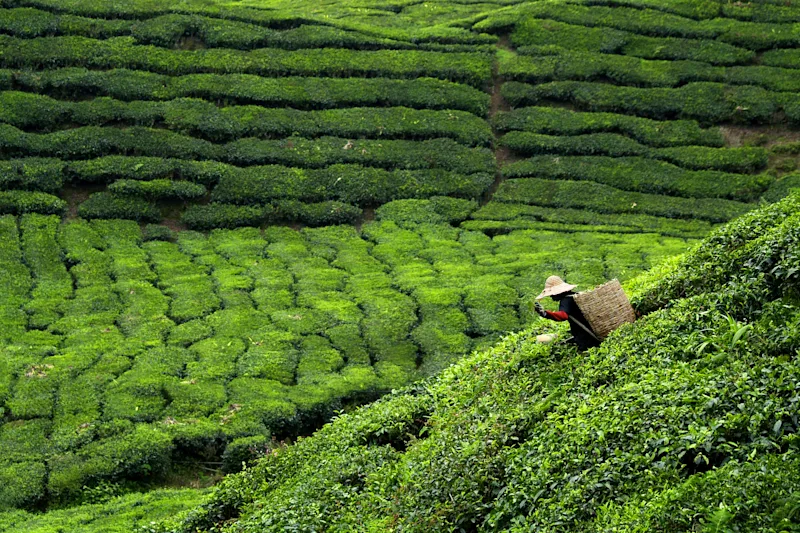
    “Looking deeply into your tea, you see that you are drinking fragrant plants that are the gift of Mother Earth. You see the labor of the tea pickers; you see the luscious tea fields and plantations in Sri Lanka, China, and Vietnam. You know that you are drinking a cloud; you are drinking the rain.

  • Asia & The Pacific

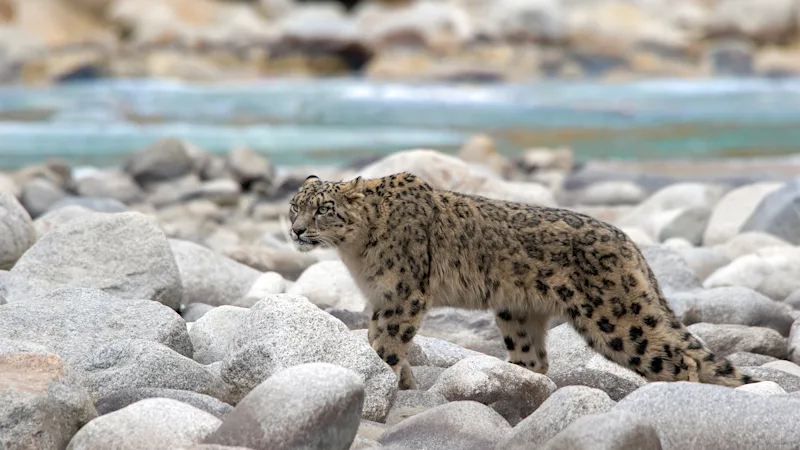
    Snow Leopards & 6 More Animals You Can See in the Himalayas

    Mar 18, 2026 · Cathy Brown

    Many adventurers are drawn to the Himalayas of northern India either for the challenging mountain climbing or for the rich Tibetan Buddhist culture. But among sheer cliffs, snowfields and whitewashed monasteries flying their primary-colored prayer flags live some of the most elusive, tough and fascinating creatures on Earth.

  • Nature & Wildlife

    Get to Know the Geology of the American Southwest

    Mar 17, 2026 · Cathy Brown

    Nearly two billion years of the Earth’s history are represented in the landscape of the American Southwest. Geologic forces created some of the most archetypal and diverse natural wonders, such as the mile-deep, 277-mile-long Grand Canyon, the bulging hoodoo spires of Bryce Canyon National Park and the elegant slot canyons of Zion National Park.

  • Nature & Wildlife

    Nature’s Lights: Bioluminescence and Fluorescence

    Mar 17, 2026 · Candice Gaukel Andrews

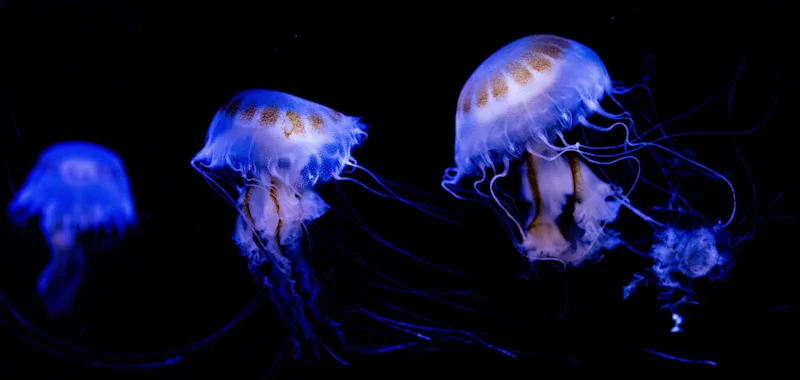
    Natural lights in nature come in two familiar forms: bioluminescence and fluorescence. They differ primarily by their light source: bioluminescence is a chemical reaction within an organism that creates its own light, while fluorescence is a physical process where an organism or object absorbs external light and reemits it.