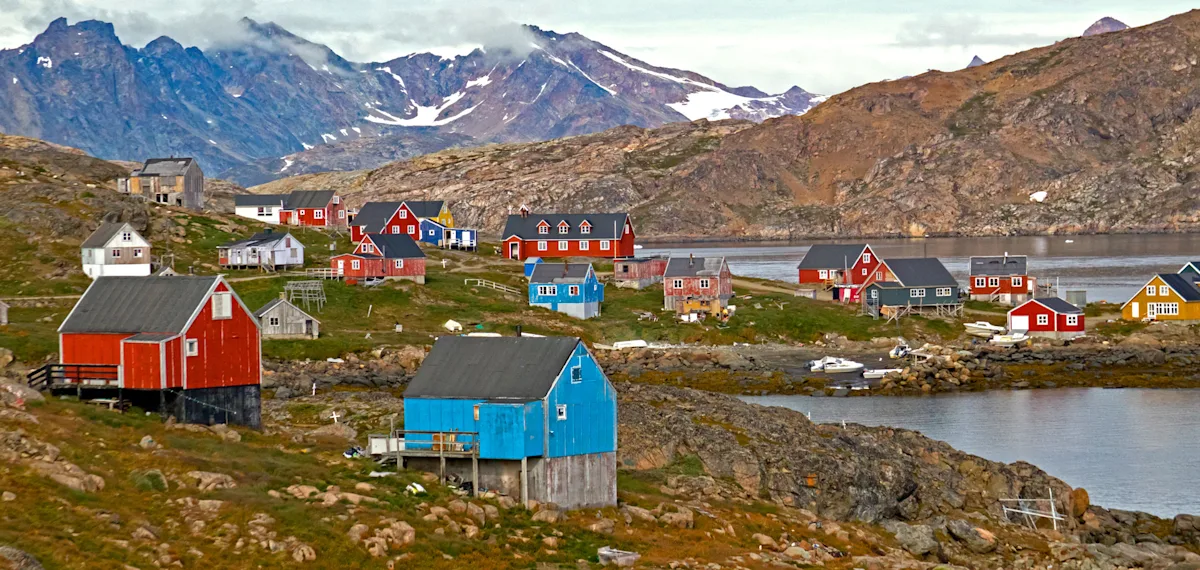
Because Greenland is the largest island in the world, it makes sense that many people’s travels there are boat-based, as mine were four years ago. There is little infrastructure: roads are rare, and places to stay are few.
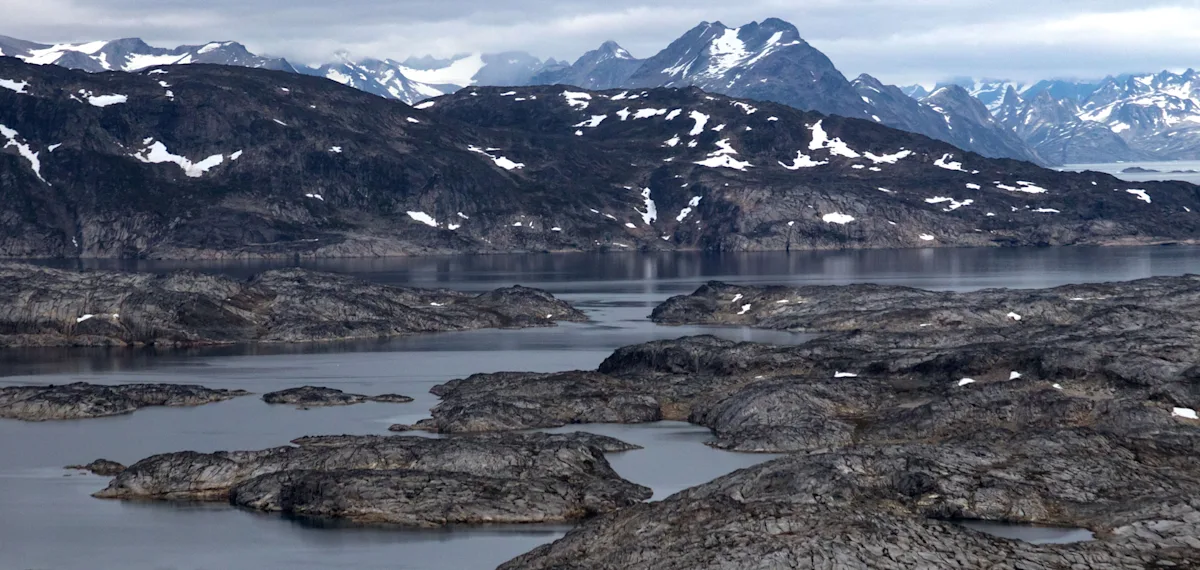
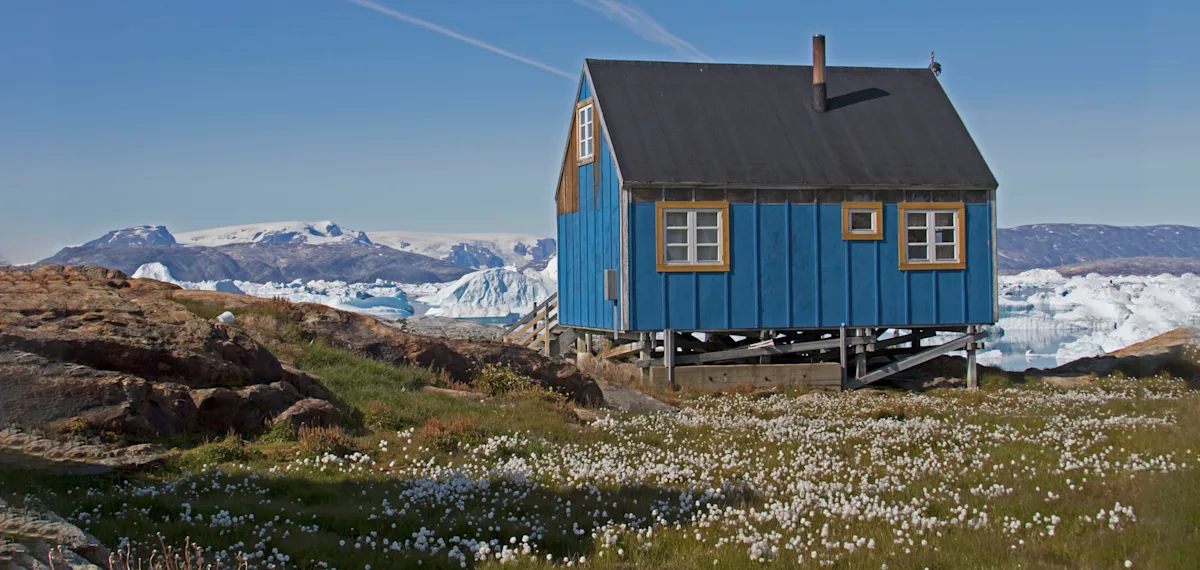
Now, however, there is a remote and beautiful place to stay on land. It is Natural Habitat Adventures’ base camp in Greenland, set on the edge of Sermilik Fjord near the Greenland ice cap.
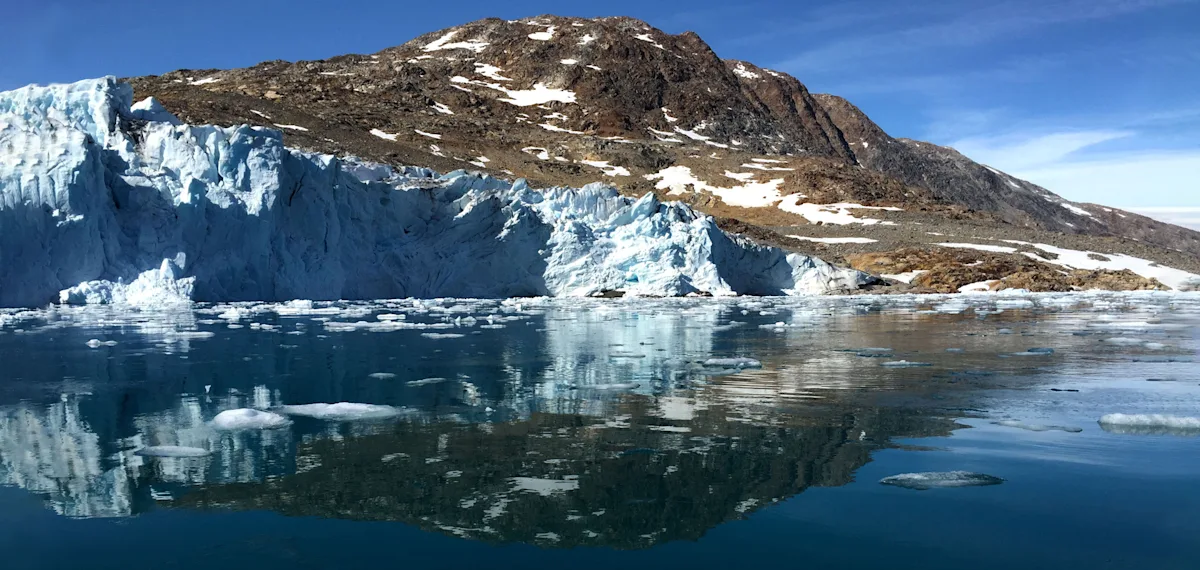
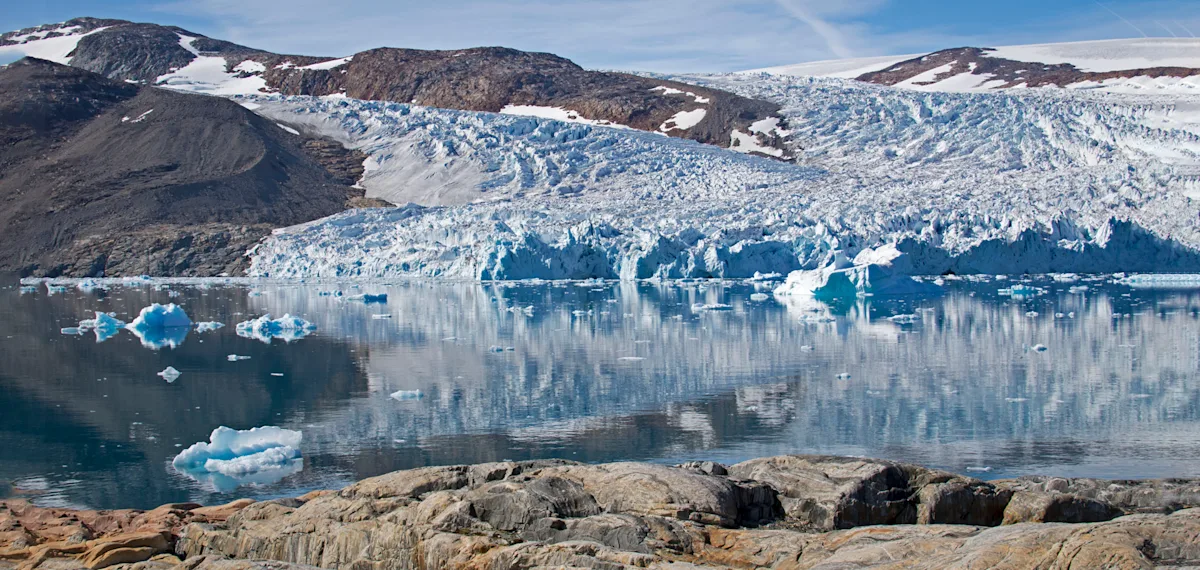
Being able to sleep and stay, at least for a while, near the Greenland ice cap sends shivers—metaphorically and, perhaps, at night sometimes physically—down my spine. The Greenland ice sheet, second in size only to Antarctica’s, stretches more than 1,500 miles from north to south, is nearly two miles deep at its thickest point and covers 80 percent of the island.
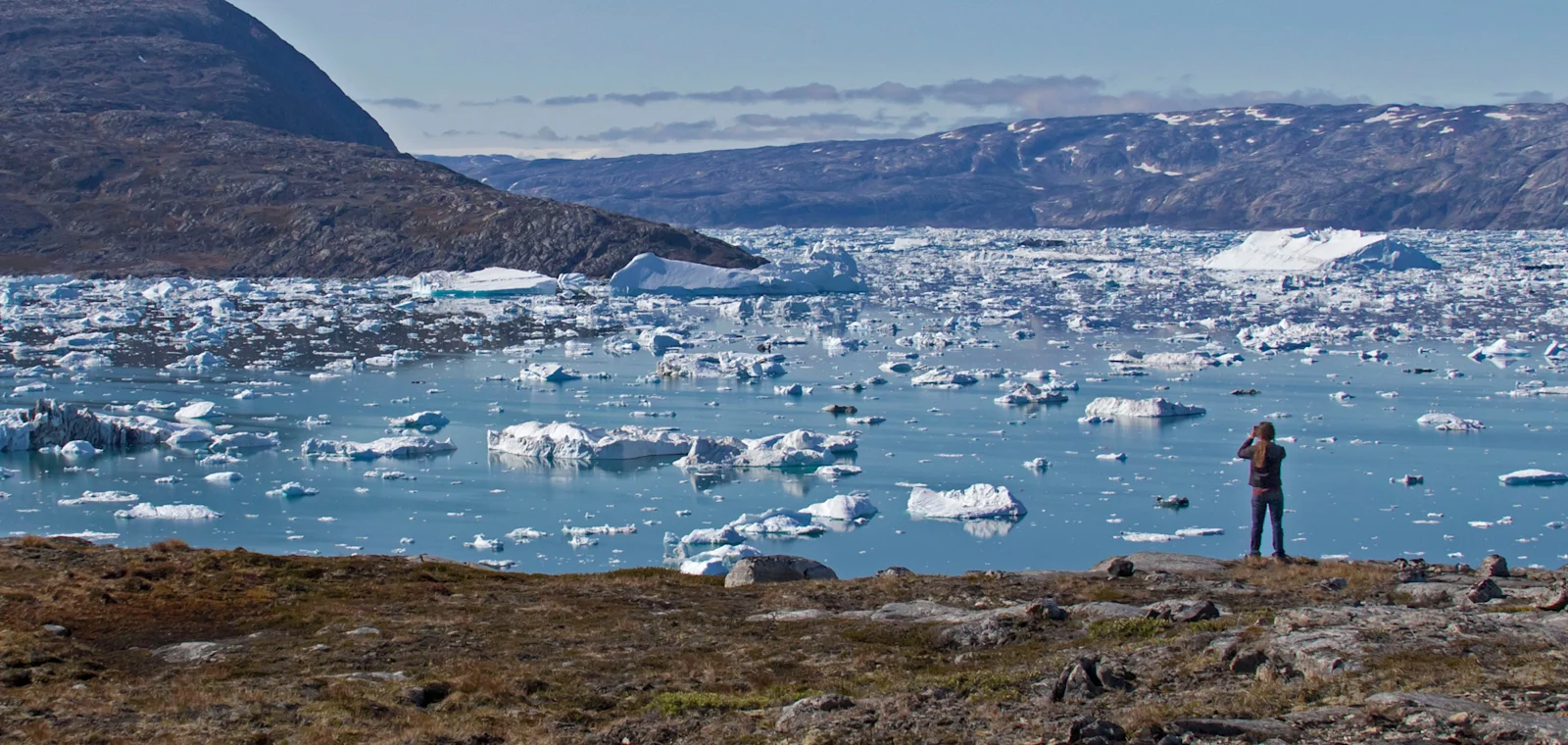
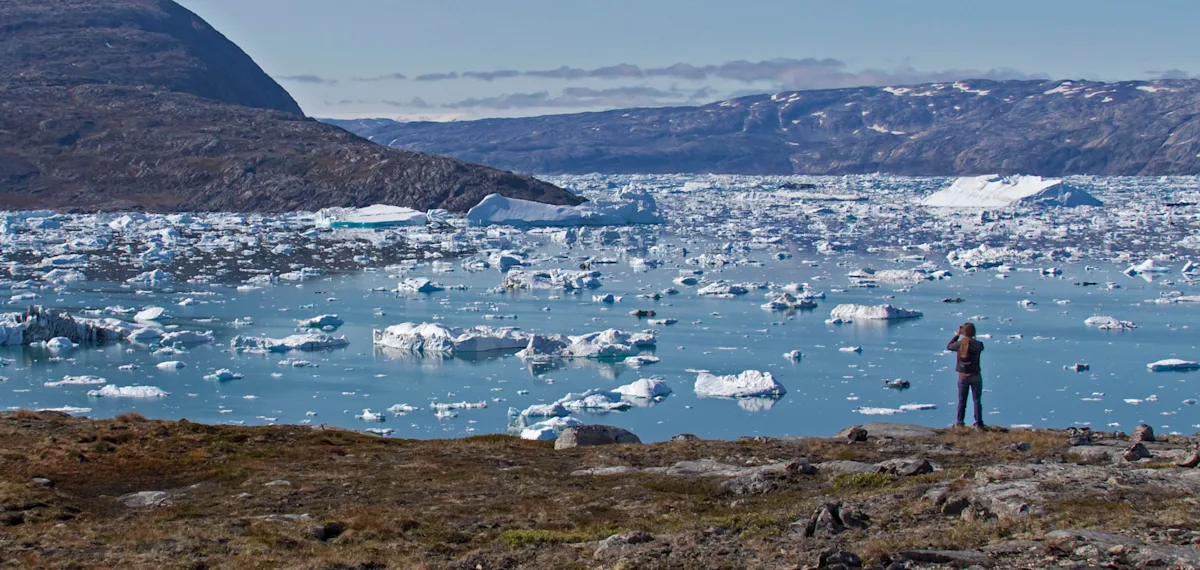
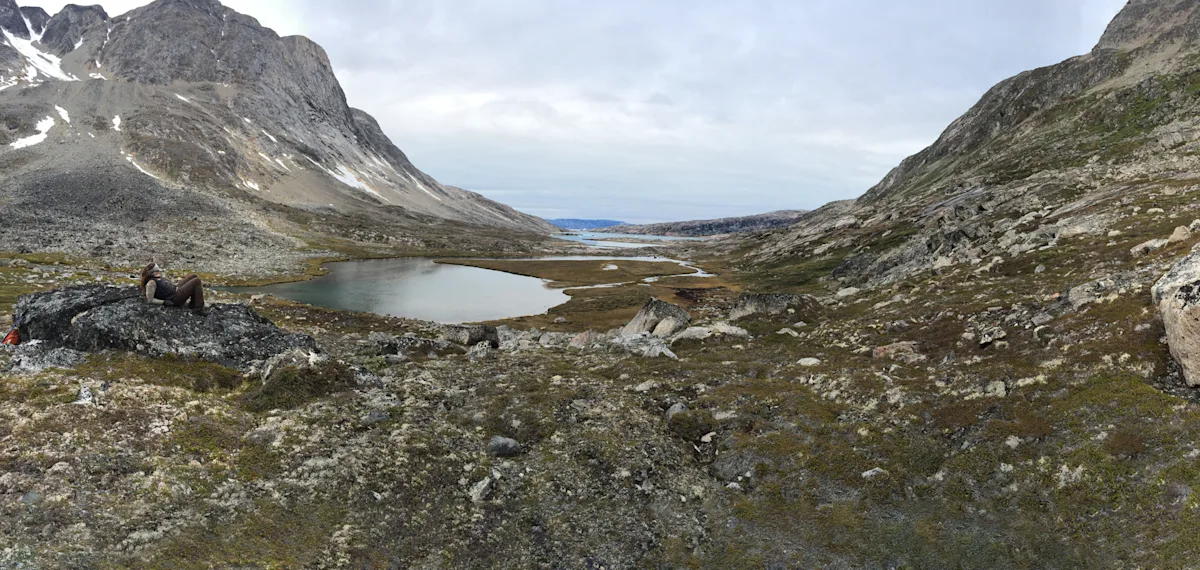
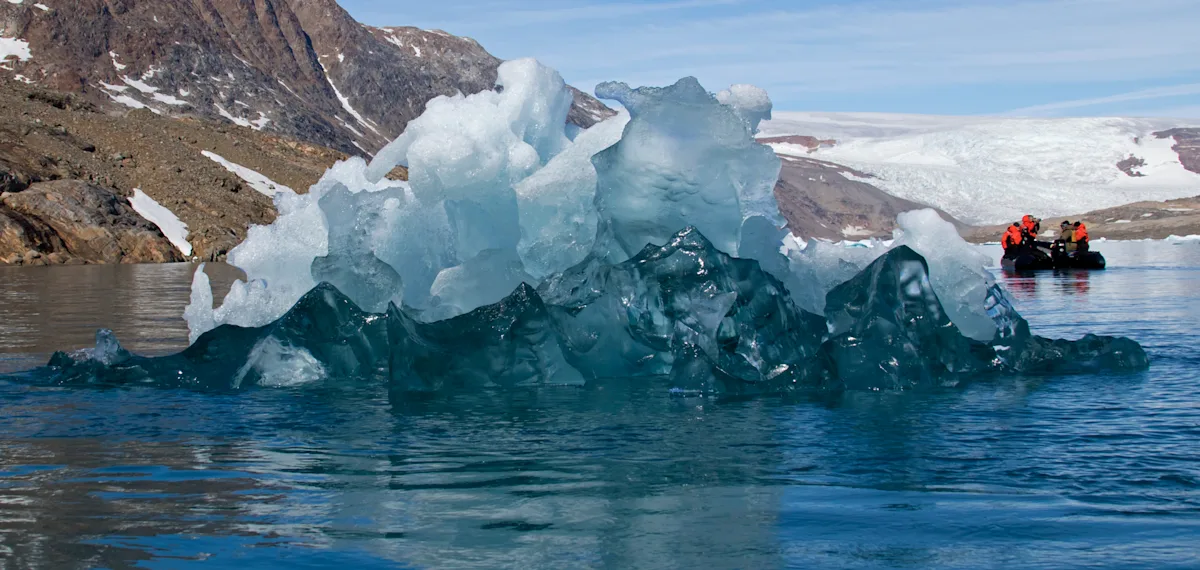
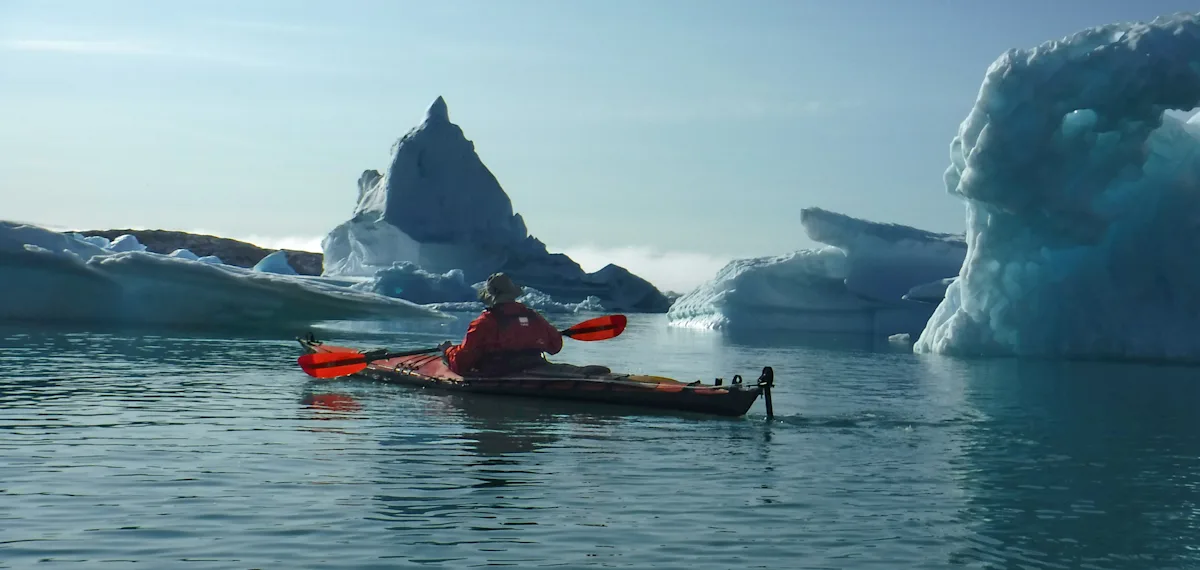
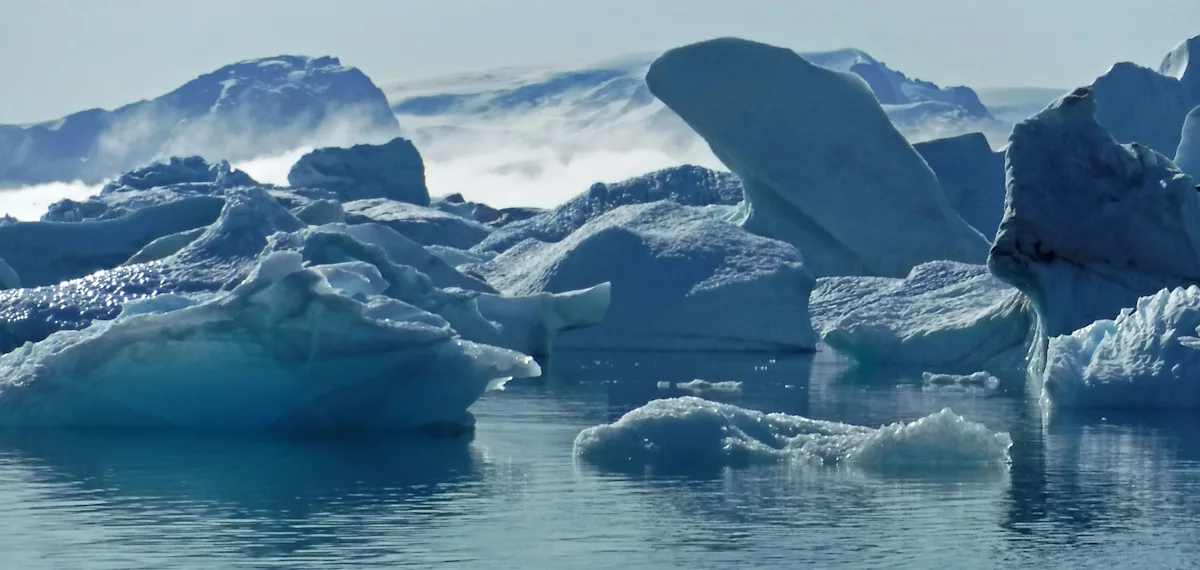
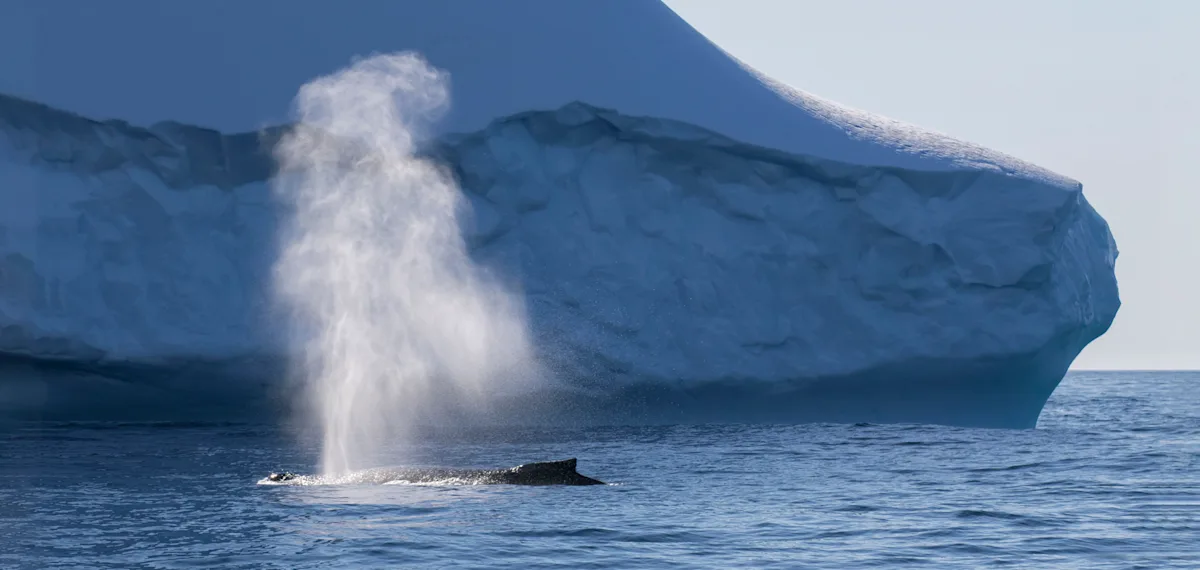
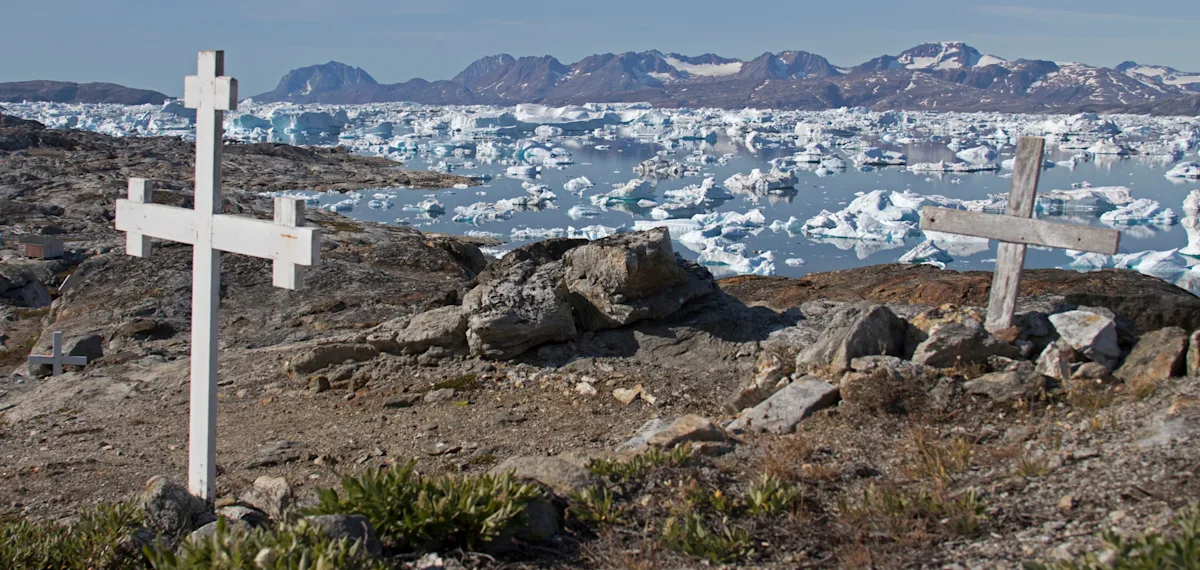
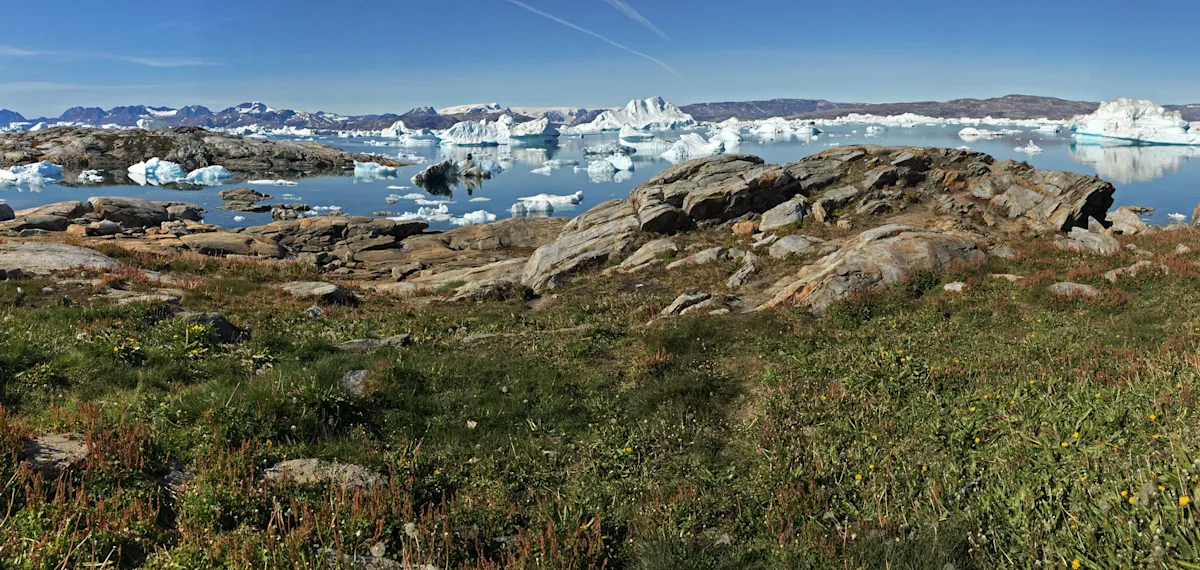
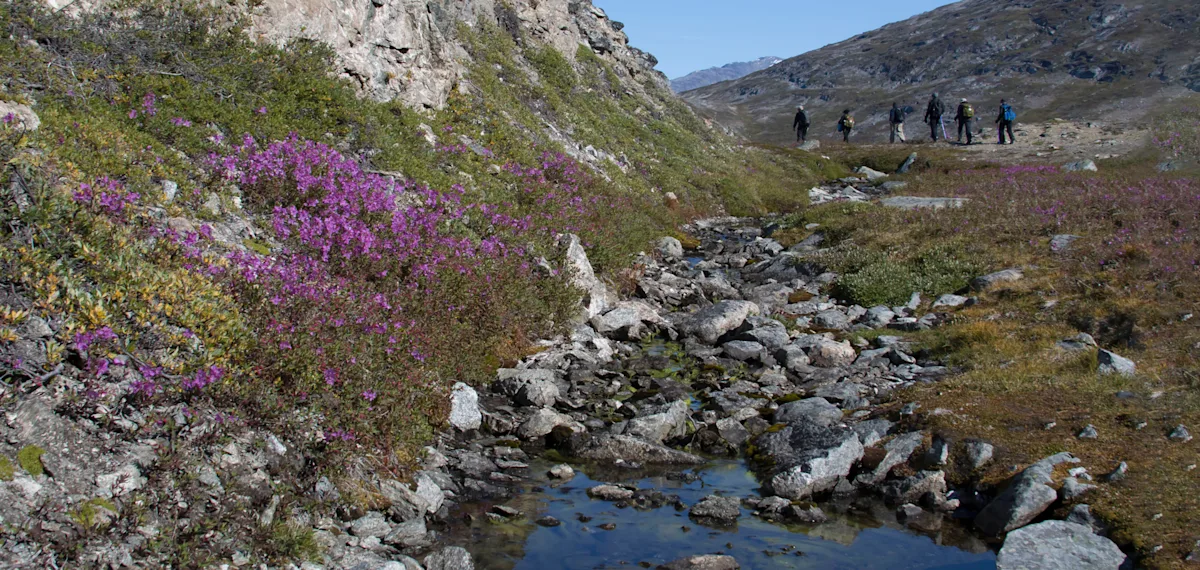
I am fascinated with ice because I think it is an endangered species; and here, in the pristine wilderness in East Greenland, I got to know it again. When I woke up in the morning, there were icebergs just outside my tent-cabin’s window. In some afternoons, I was able to kayak among them and peer into the crystalline waters to try to see them from the base up. In other afternoons, I could hike to a high point on the tundra and look down at them from a raven’s-eye view.
There were other advantages to staying on land. I got to experience the refreshing chills of a Greenland summer night; the intense quiet of early mornings, broken only by the sounds of slowly rolling icebergs in the fjord; and the warm heat that enters your body when you stretch out on bedrock warmed by the afternoon sun.
Roads and trails, hotels and restaurants, are still few in Greenland, I’m happy to say. In many ways, I think of Greenland as a young world, still trying to figure itself out. In many ways, I see it as a land we humans have yet to muck up.
Here’s to finding your true places and natural habitats,
Nat Hab’s mission is Conservation through Exploration: protecting our planet by inspiring travelers, supporting local communities and boldly influencing the entire travel industry. What began as a fledgling one-man operation has become a world leader in conservation travel. We owe our success to our diverse team of office and field staff, Expedition Leaders and guests.
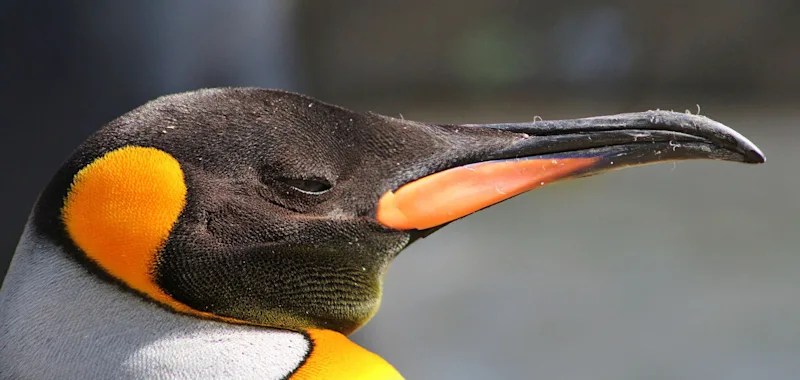
Part of the reason that I’m so enthralled with Antarctica is because it’s one of the rare places on Earth that has never had an Indigenous population; in other words, there are no native human Antarcticans. Of course, animals other than us have lived there for eons. Perhaps, the best known and most abundant are penguins.
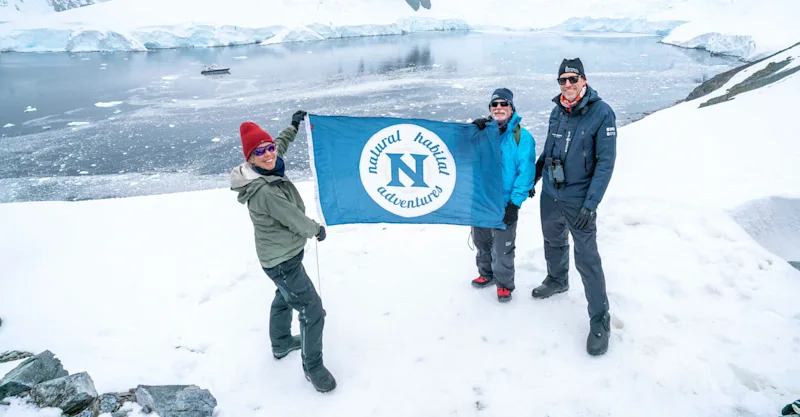
Imagine gliding through a silent sea of icebergs, the only sounds the occasional calving of glaciers, the call of seabirds and the excited murmur of your handful of shipmates. Nowhere else on Earth rewards avid adventurers like Antarctica, the globe’s most remote and magnificent polar wilderness.