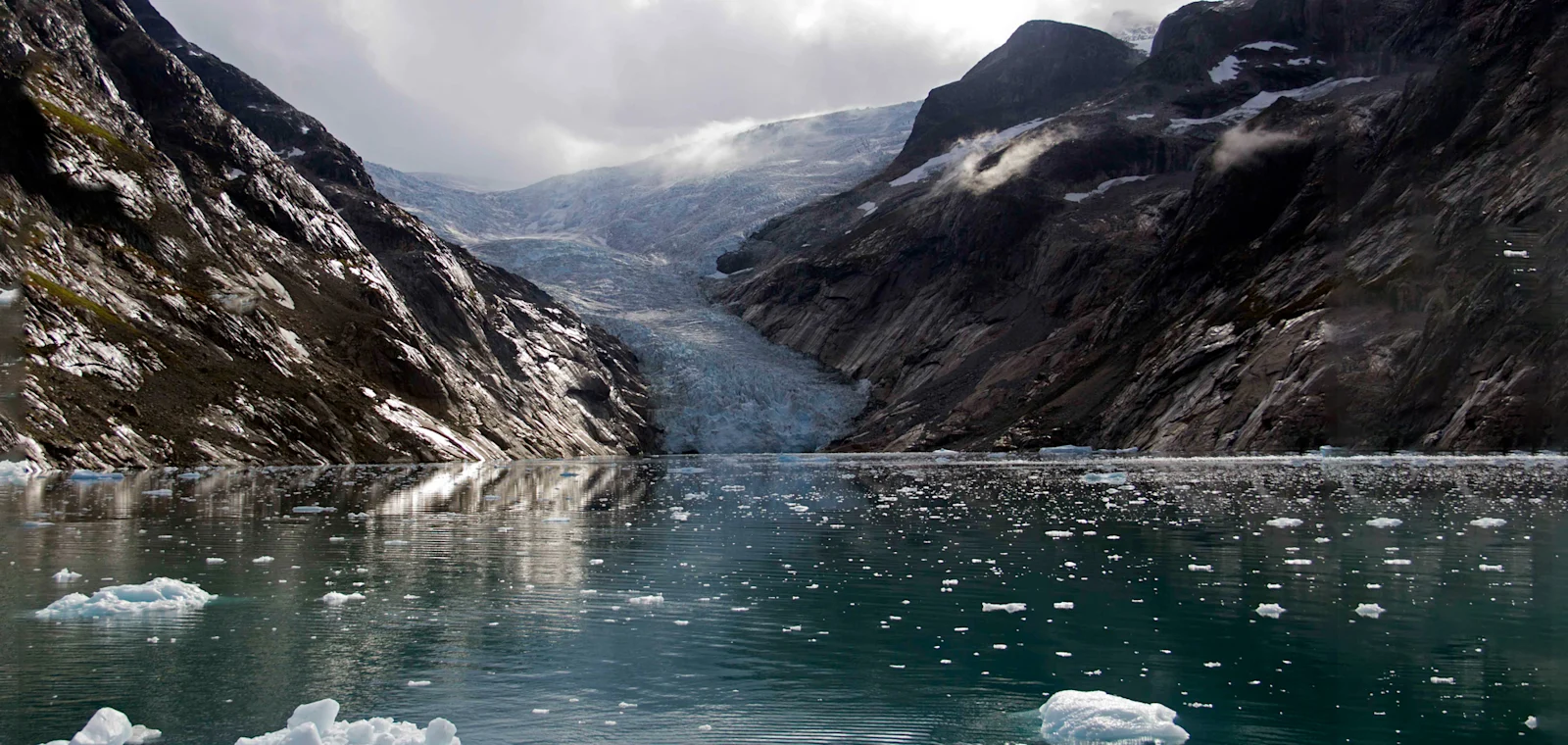
Video: Why Greenland’s Ice Is So Quickly Melting

Science fiction writer Kim Stanley Robinson authored a trilogy of futuristic eco-thrillers that I really enjoyed reading. In the three books, titled Forty Signs of Rain, Fifty Degrees Below Zero and Sixty Days and Counting, the planet’s climate has warmed so much—resulting in devastating floods, storms and the total immersion of several populated islands and coastlines—that the people of the Earth concoct a plan to jump-start the jet stream.
Robinson wrote these books between 2004 and 2007.
Now, life seems to be imitating art. Today, the Earth’s northern polar jet stream—a long, narrow, meandering current of high-speed winds in the upper atmosphere that typically blows from a western direction at a speed of 250 miles per hour or more—is truly out of whack.
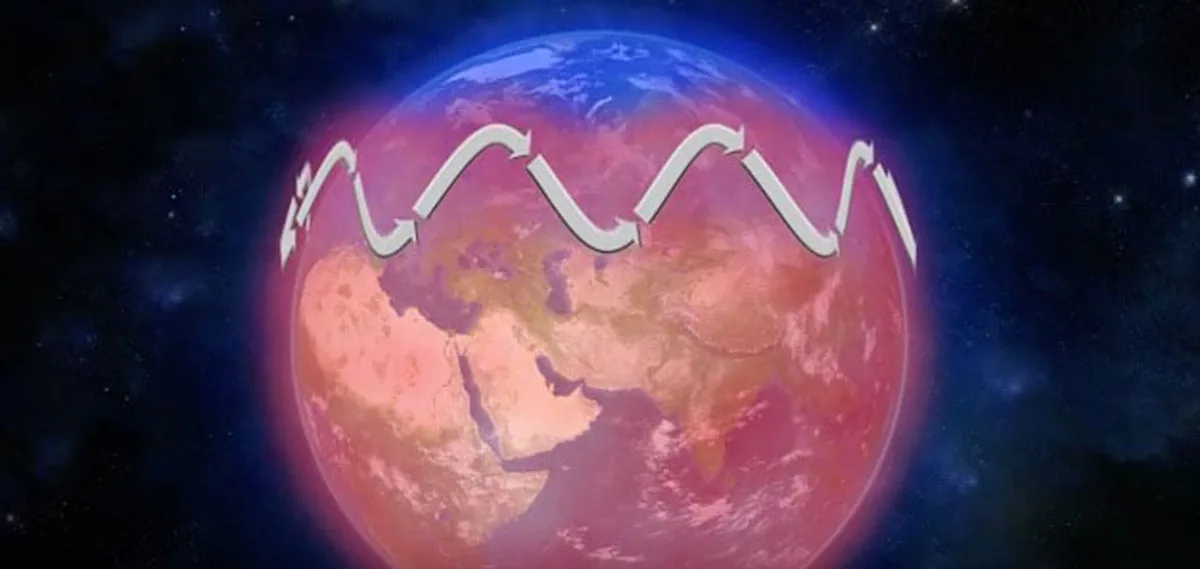
The reason for that is a phenomenon known as “Arctic amplification” (sometimes referred to as “polar amplification”), where any change in the Earth’s net radiation balance (for example, by the oversupply of greenhouse gases) produces a larger change in temperatures near the poles than the planetary average. The Arctic is warming faster compared to the rest of the Northern Hemisphere as sea ice disappears. That creates a feedback loop: rising global temperatures melt Arctic sea ice, leaving dark, open water that absorbs more solar radiation; and that warms the Arctic even more.
We’re seeing the results of Arctic amplification now. In the past year, the climate in the Arctic has been freaky., opens in new tab Temperatures in some places were 30 to 50 degrees Fahrenheit above average in late December 2016. Through November 2016, the area of ice-covered ocean in the region reached a record low in seven of 11 months—an unprecedented stretch. And, the difference between Arctic temperatures and those across the midlatitudes of North America, Asia and Europe during 2016 was the smallest ever seen, driving extreme weather events, such as droughts, heat waves and heavy snowfalls.
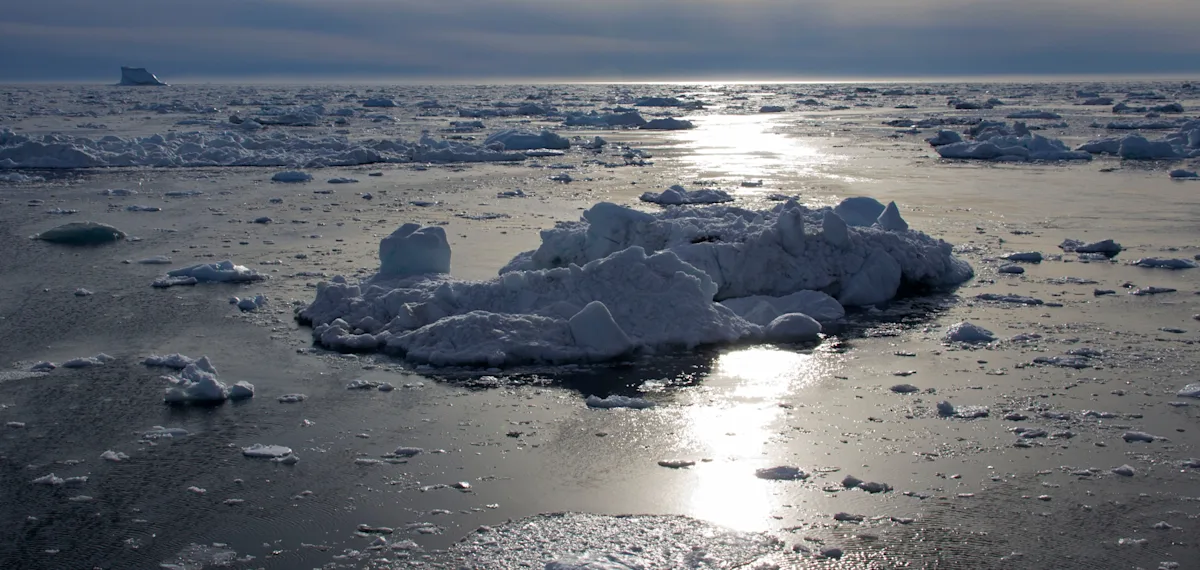
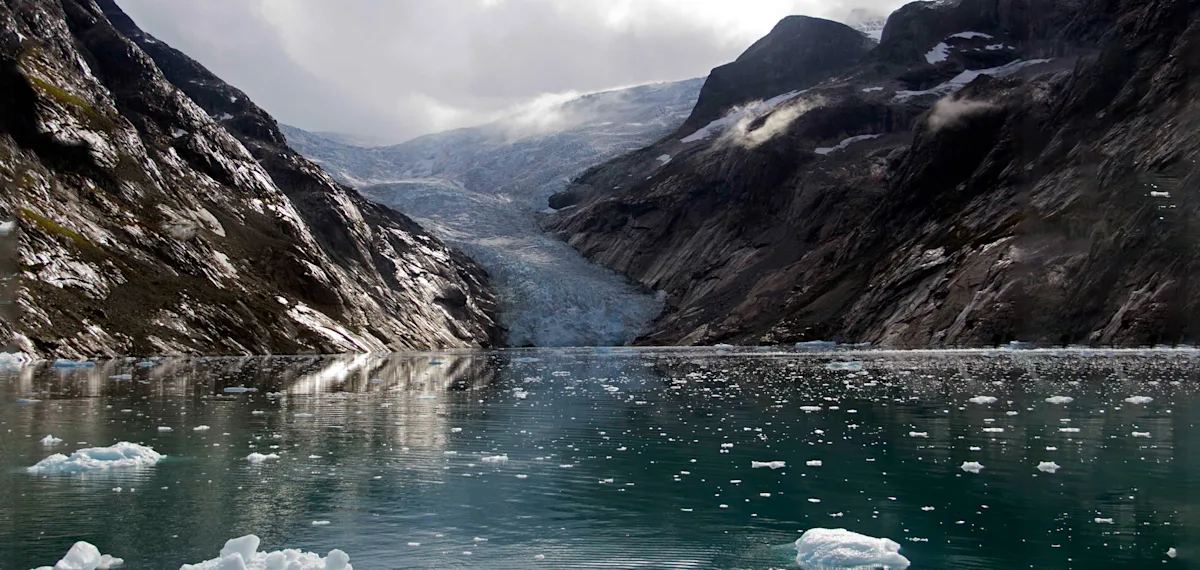
A study published in the journal Nature Communications, opens in new tab in June 2016 shows that a slowdown in the jet stream, which allows wilder swings and a bend far more north than usual, may be to blame. During the summer of 2015, Greenland experienced its highest rate of glacier melt ever recorded. The Greenland ice sheet, Earth’s second largest after Antarctica’s, holds enough ice that if it were to melt entirely, it would raise average global sea level by about 23 feet. And the melt could lead to worldwide ocean warming.
Watch the video below, produced by TomoNews. It explains Arctic amplification in two minutes.
Sometimes, yesterday’s science fiction turns out to be today’s science.
Here’s to finding your true places and natural habitats,
Candy