Norway Video: Why a Foreign Place Can Seem Like Home

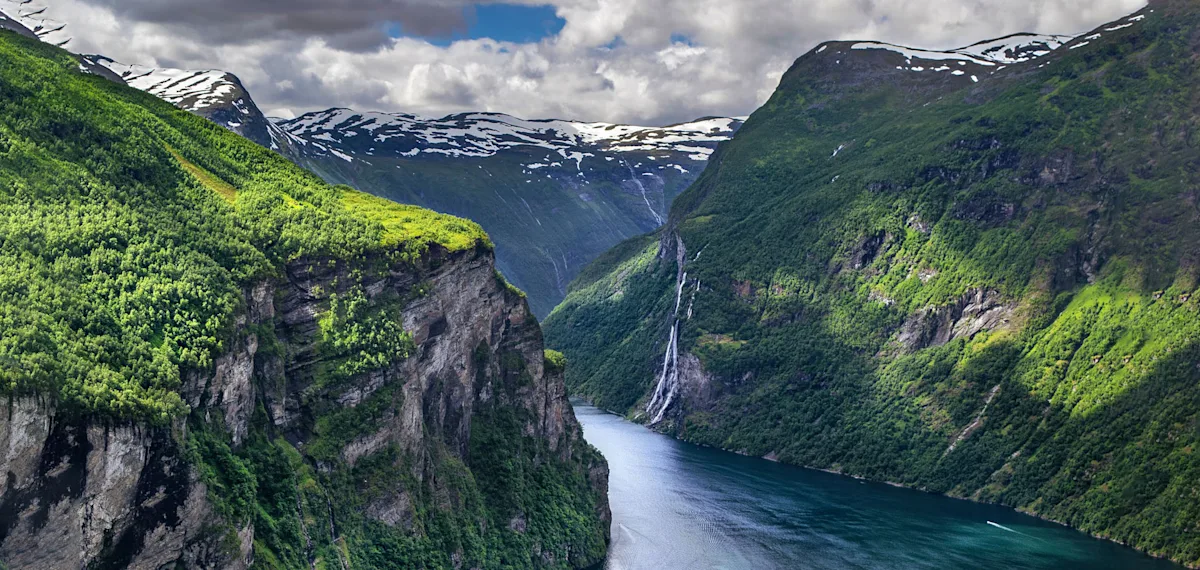
My maternal grandmother was born in Norway. She came to the United States when she was a small child and didn’t speak English. But she was smart and an avid learner—and possessed the pliable brains of the young—so, she soon adopted the dominant culture and language of her new home.
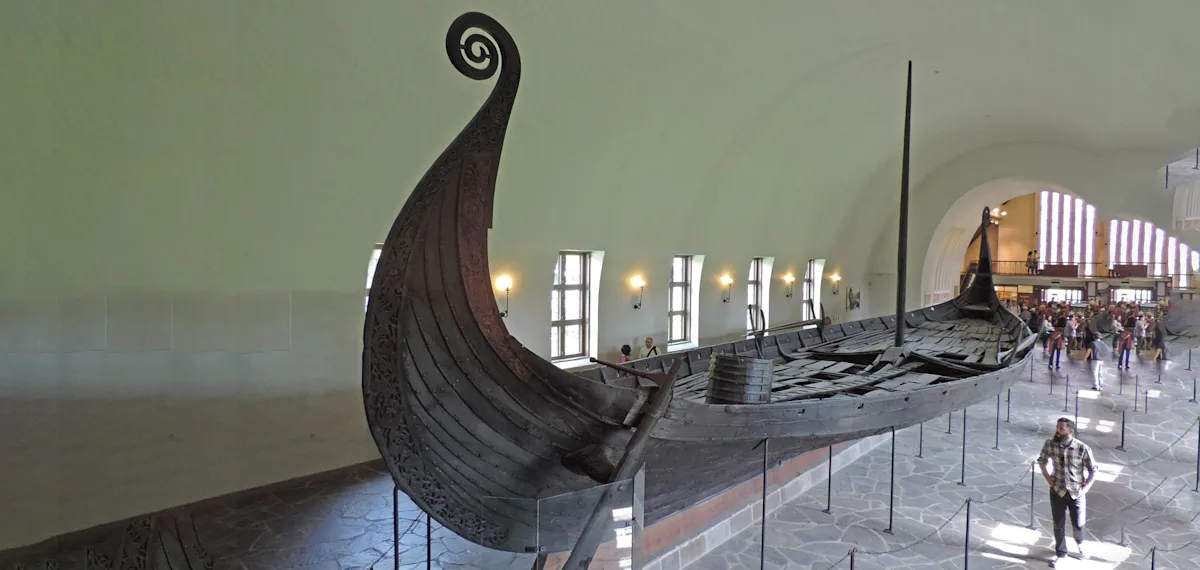
I grew up hearing stories of her Norway beginnings when I was little. She told me the story of how a Viking ship was unearthed on her family’s farm near Oslo. I later learned that this was the Oseberg Ship,, opens in new tab one of only three intact Viking ships discovered to date (the other two are the Gokstad Ship, opens in new tab and the Tune Ship, opens in new tab).
Ever since then, I have wanted to visit Norway to see in person the Oseberg Ship in the city’s Viking Ship Museum (soon to be renamed the Museum of the Viking Age). I imagined I might feel a special connection to it—maybe, even, a sense of home.
Can geography live in our bones? Do we always feel an affinity for the homelands of our ancestors, or do some landscapes just speak to our individual personalities? In other words, does a person whose great-grandparents came from Germany, Italy, Norway or Nigeria feel something unexplainably stir inside if given a chance to visit that country? Or is it that you feel right in higher latitudes, for example, because your character fits the scene, and you know inside that you’re a “northern person?
Researchers say it could be a bit of both.
Places, inside
According to scientists, our bones keep a record of our air and water intake., opens in new tab The amount and type of isotypes—atoms that have the same number of electrons and protons but different numbers of neutrons, and, therefore, have different physical properties—that air and water contain differ from mile to mile, from mountain to prairie, and from inland to sea. If you were living in Wisconsin when you were six and in Washington when you were 15, scientists would be able to tell. Your six-year molars register where you were living at that time, give or take a hundred miles. Your wisdom teeth in adolescence again mark your residence. And the rest of your skeleton remodels itself about every 10 years,, opens in new tab keeping its own record of your whereabouts.
So, geography truly lives in your bones; your geography, that is. If you physically carry a place within you, it seems to me that it’s likely that you would harbor strange, unaccountable connections to certain places. Maybe my great-grandparents really did shape where I feel comfortable and where I love to be.
In 2015, a report published in the journal Society for Personality and Social Psychology stated that in a series of three studies, researchers tested whether there is a link between personality and an aspect of physical ecology: flat terrain versus mountainous terrain. They concluded that one of the Big Five Personality Traits—defined as agreeableness, conscientiousness, extroversion, neuroticism and openness—predicted terrain preference: extroverts prefer flat terrains.
Personality, too, then, plays a role in where we feel that tug of “home.”
Nomads, all
In the end, we’re all a result of people on the move. We are born to wander. We follow in the footsteps of our ancestors. We travel to complete ourselves, our human experience. We are all nomads.
Today, more than 90 percent of the reconstructed Oseberg Ship consists of original timber. If I were in Oslo and allowed to run my hands down the sides of that Viking vessel, I think I might feel something of my great-grandfather there.
Norway, wild
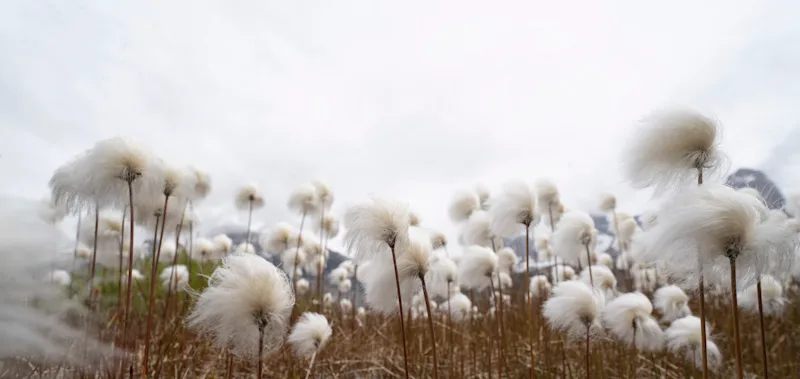
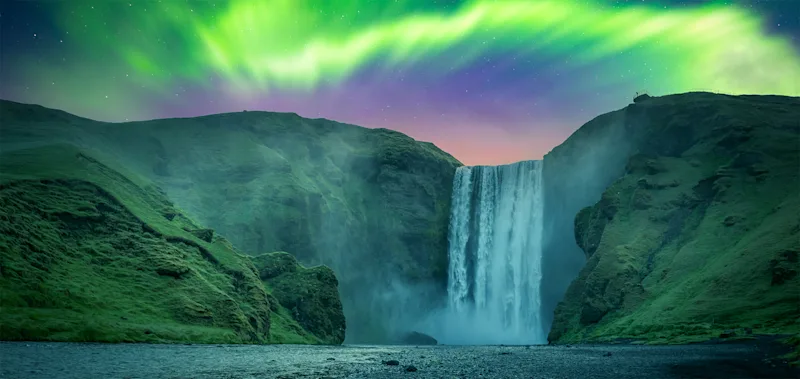
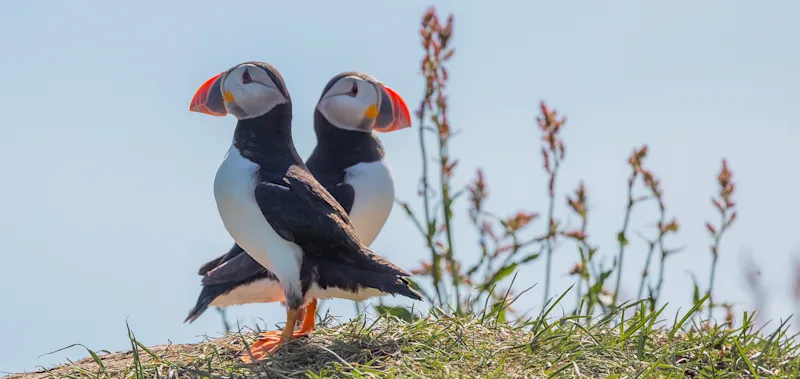
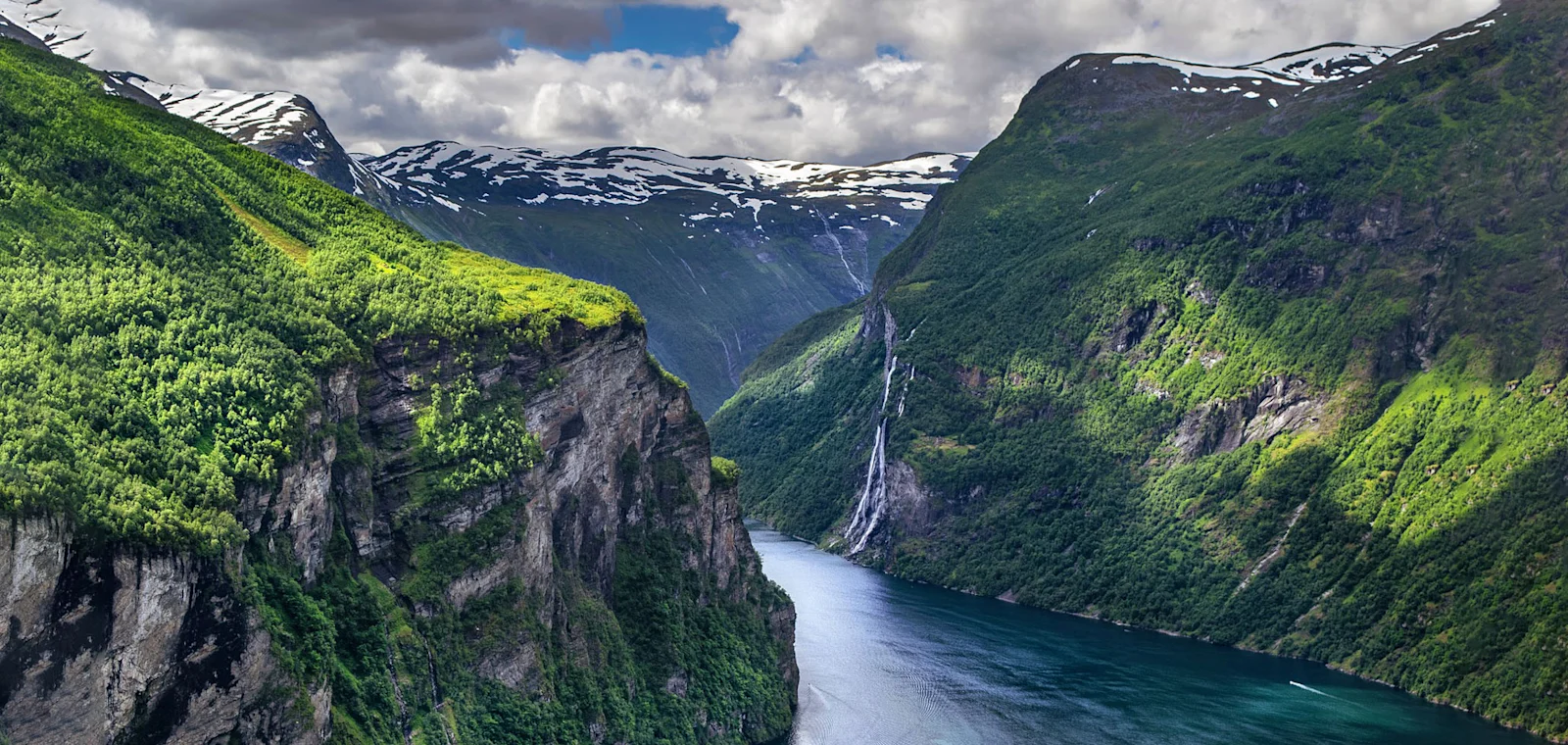
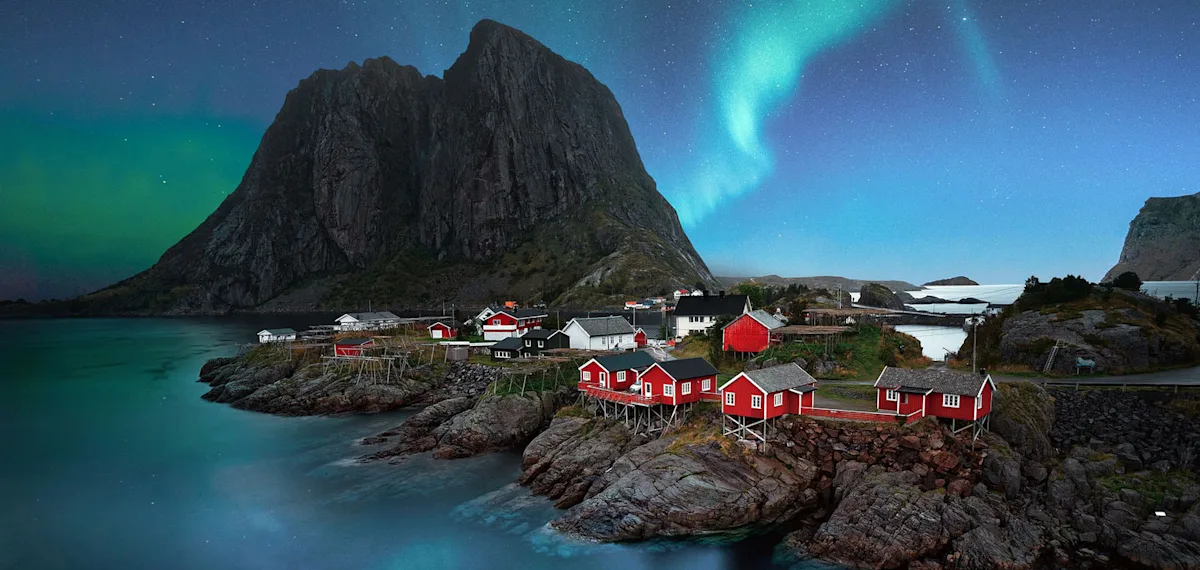
This also might explain why when I saw the ultrahigh, 8K-resolution video below for the first time, I was blown away. It explores the raw and wild nature of Norway. The expansive landscape vistas by day and amazing aurora borealis shows by night won’t fail to transport you, too, to one of the most beautiful parts of the Earth. To get the total effect, view it in full-screen mode.
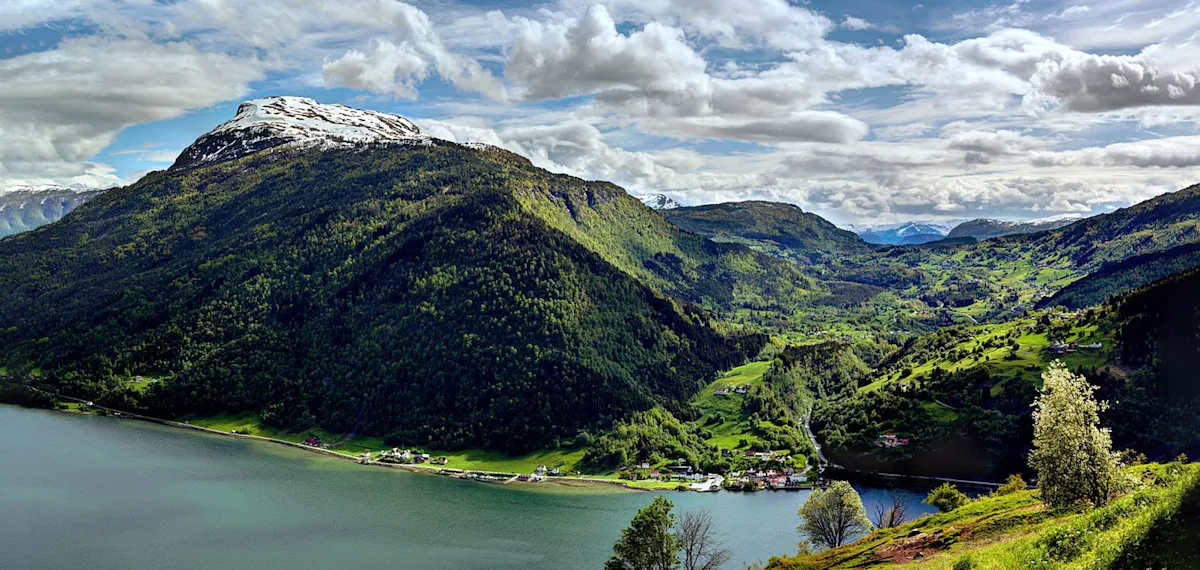
When you do, I think you’ll feel your own wanderlust ignite, whether you carry Norway inside you—or just have the personality for the place.
Here’s to finding your true places and natural habitats,
Candy