The Jeremiah Johnson Complex: Are Introverts Drawn to the Mountains?

The first time I ever traveled outside of the United States, I didn’t choose a Caribbean beach vacation or an African safari. Even though I live 12 months out of the year in the cold-weather state of Wisconsin, I decided to go north, to Churchill, Manitoba, Canada. It was there that a local said something to me that I’ve never forgotten, “You always know if you’re a Northern person or not.”
Over the ensuing years, I’ve become absolutely certain that I am. Now, it seems that even science is finding a connection between personality types and preferred landscapes.
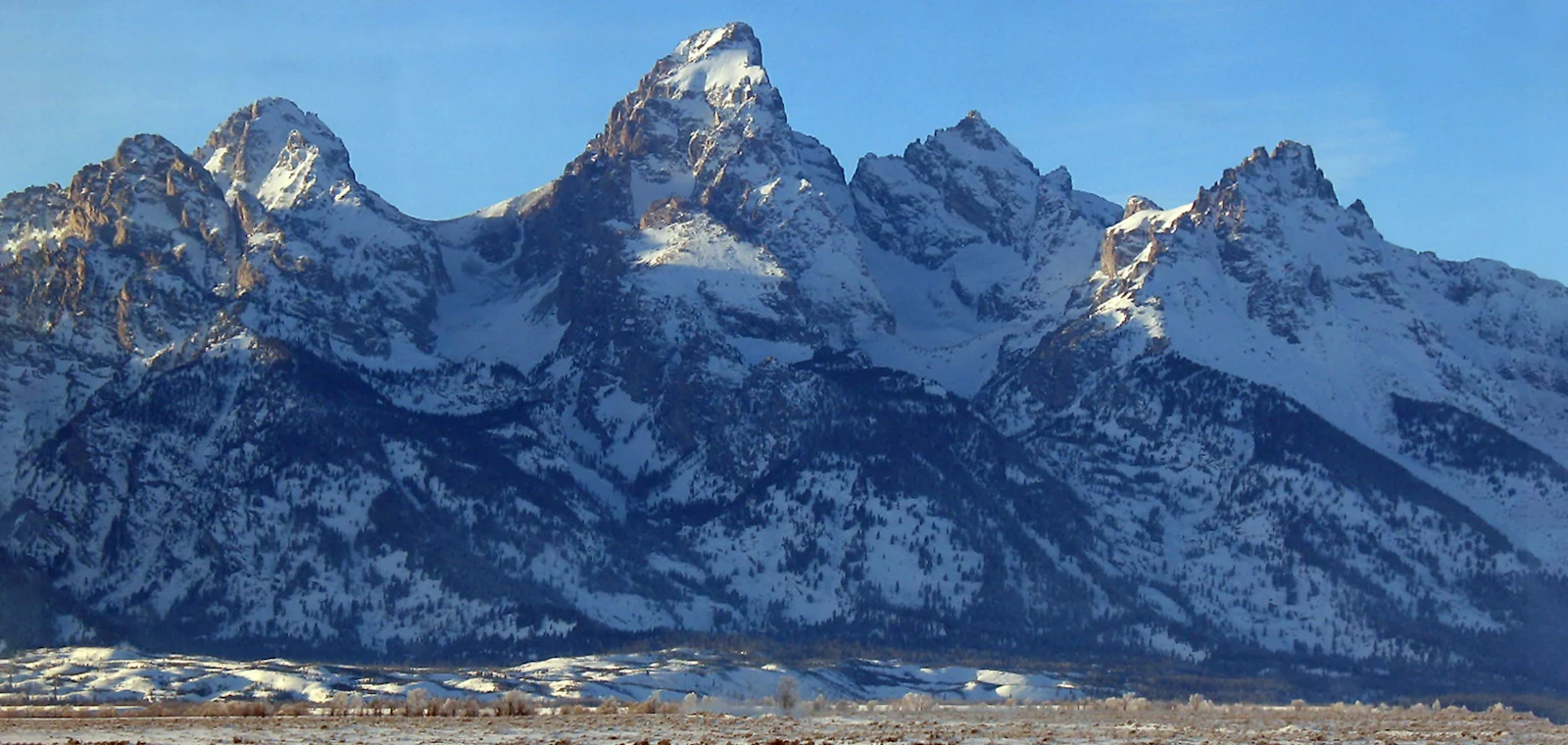
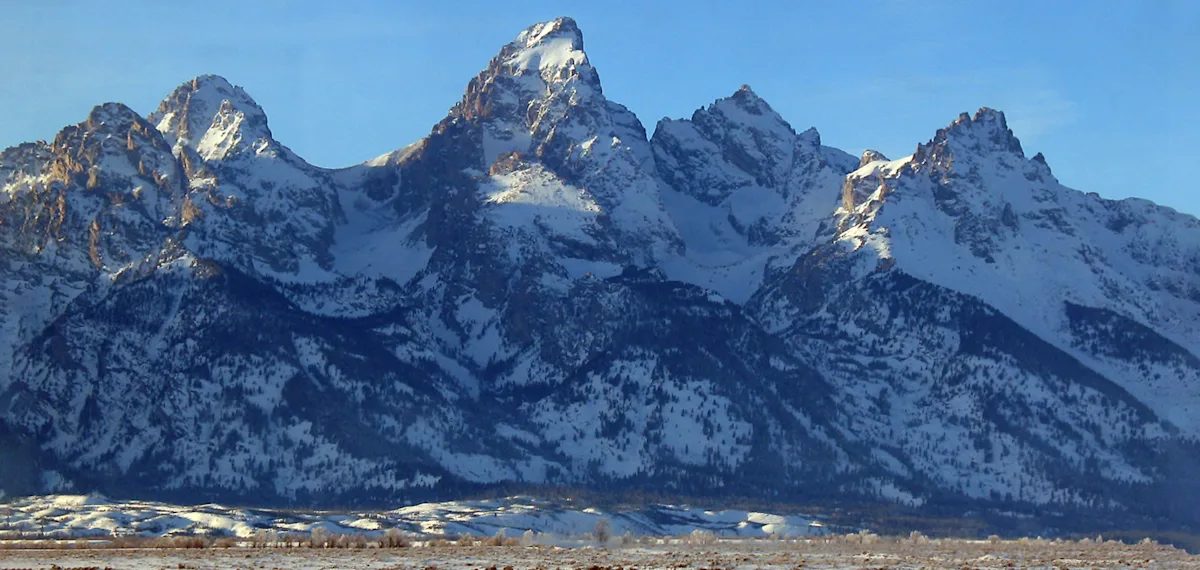
In a study currently under review, opens in new tab for the Journal of Personality and Social Psychology, lead researcher and doctor of psychology Shige Oishi examined whether there might be a link between innate disposition and terrain preference. Initial findings suggest that introverts tend to live in mountainous territories, while extroverts reside in open and flat regions.
Could this mean that we all would be happier if our outer environs matched our inner landscapes?
Believing there’s peace in the mountains
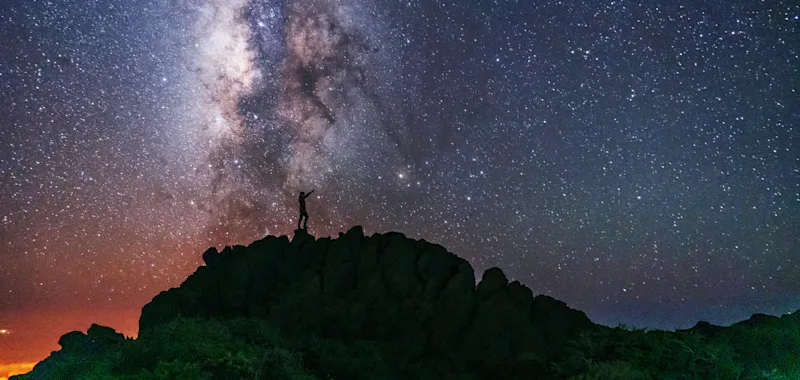
One of my favorite movies is the 1972 flick Jeremiah Johnson, set in the mid-19th century. In it, the title character, after a stint in the U.S. Army, decides that he would prefer a life of solitude and peace by living in the wilderness of the American West. He becomes the quintessential, taciturn American “mountain man”; the conventional image for an introvert of few words.
Movies have also placed in our minds the opposite stereotype: college kids—looking to hook up with one another—flocking to crowded beaches on spring break, á la the Frankie Avalon and Annette Funicello beach party films., opens in new tab
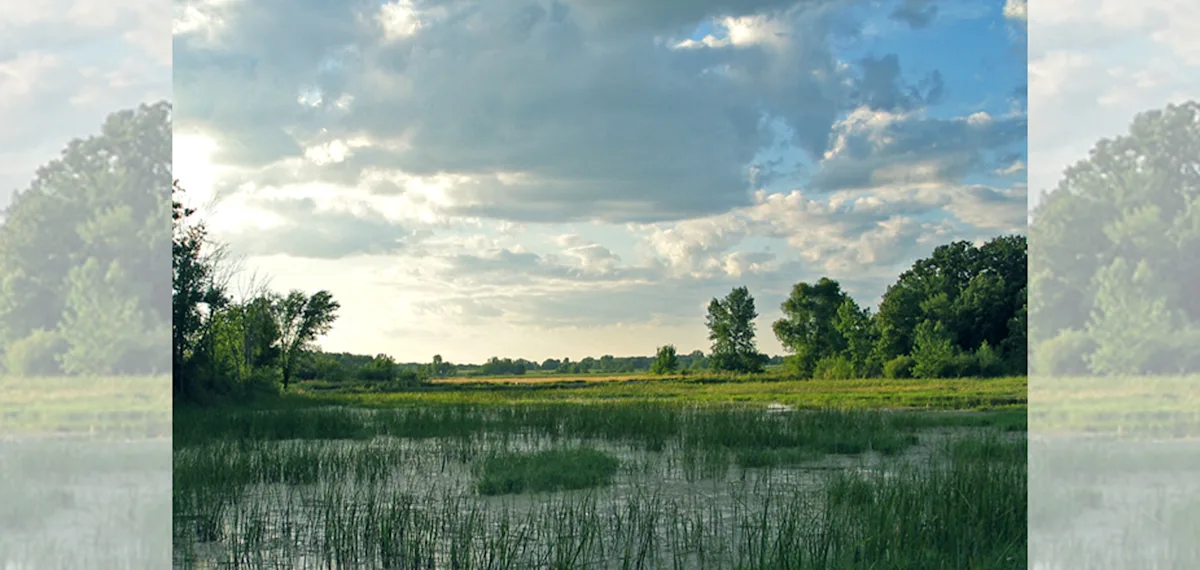
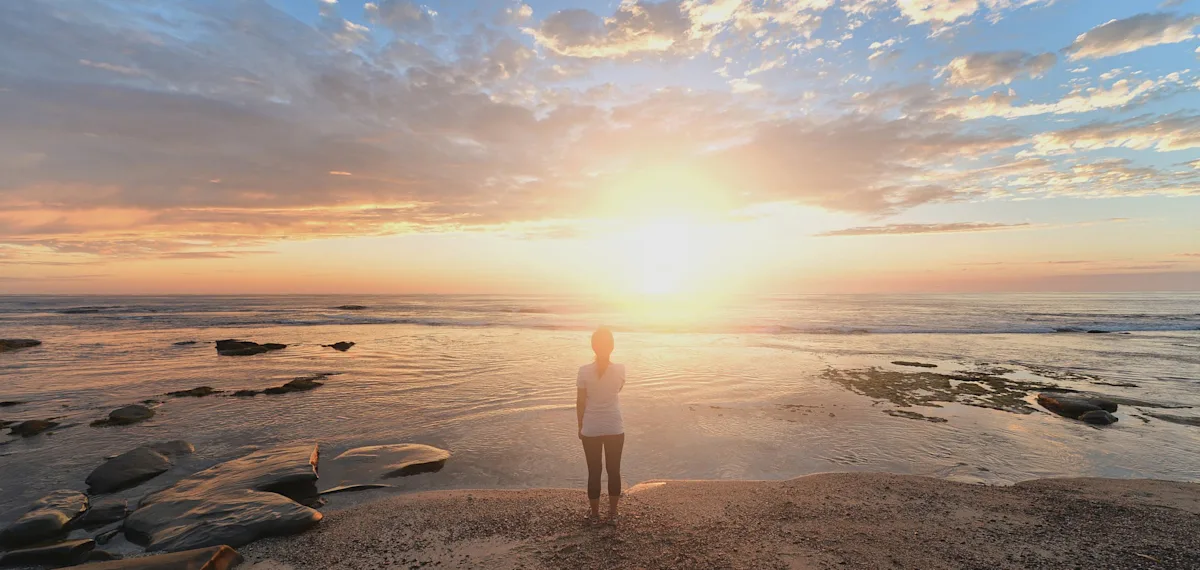
That may be why a lot of us, as in this new study, perceive wooded and secluded terrains to be calmer, quieter and more peaceful; while flat and open landscapes are regarded as more exciting, stimulating and sociable. In fact, in Dr. Shige Oishi’s study, when hoping to socialize with others, 75 percent of the participants preferred the ocean to the mountains.
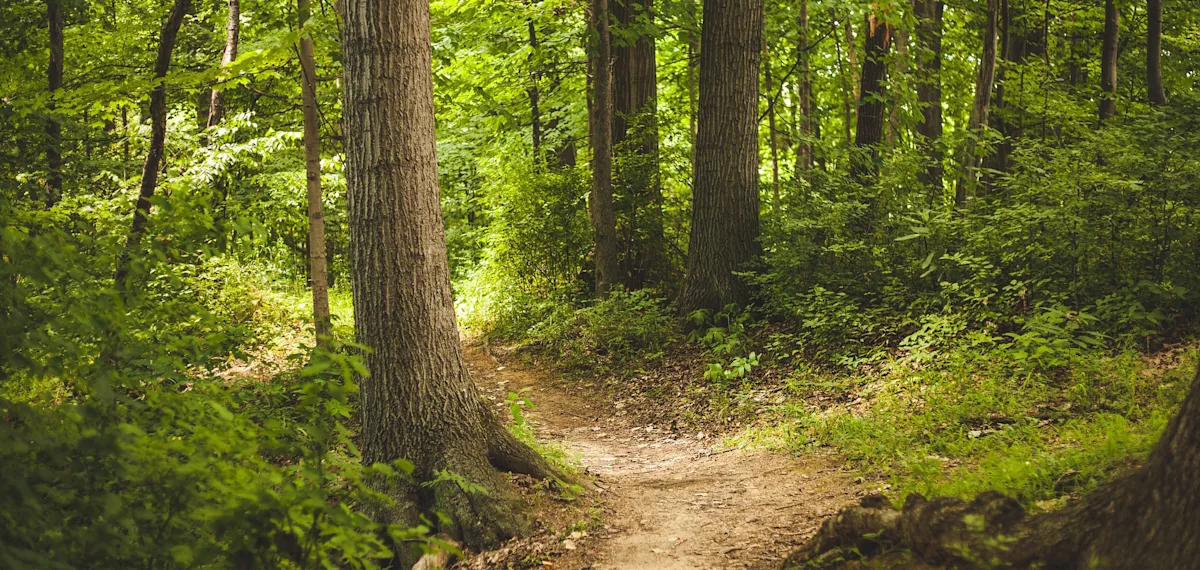
It’s important to note, however, that there is no evidence mountains make people introverted, but rather, introverts tend to choose mountainous geography because of the secluded environment.
There is one surprising, additional finding in Dr. Oishi’s study: when the participants wanted to be alone, they choose the ocean (48 percent) almost as much as the mountains (52 percent), making this the first study to link extroversion and introversion with the preference for mountains versus the ocean and open spaces.
Knowing where you should be
Whether it’s cultural stereotypes or true personality traits at work here, researcher Shige Oishi says that the study shows that individuals should consider their temperaments when choosing a place to live. Of course, more research needs to be conducted to determine the factors that cause the association and to see if the results can be replicated on a larger scale. Nevertheless, if you’re an introvert like me, should you be heading for the higher elevations?
Unfortunately, other studies have shown that people have a set point for happiness; and while a change of scenery might make you a bit happier for a while, you may revert back to the level where you customarily find yourself.
If it does turn out that Dr. Oishi’s results stand up after more rigorous testing, however, I should be packing my bags for the mountains right now.
Do you think each of us is genetically drawn to a certain landscape, or is a terrain preference more a matter of cultural bias and upbringing?
Here’s to finding your true places and natural habitats,
Candy