National Parks: Good for You and Our Planet

“Leave it as it is. You cannot improve on it.” Theodore Roosevelt emphasized when speaking about his deep admiration for the Grand Canyon, one of the United States’ most notable National Parks.
Millions of people travel from across the country and from around the world to witness first-hand the vastly beautiful landscapes that the USA’s beloved national parks offer. Whether the journey is to celebrate a special occasion, like the 4th of July, or just to escape in the beauty of nature, we must continue to respect the parks and play a role to uphold them for future generations.
The Grand Canyon, Yellowstone, Glacier, Bryce and Zion national parks are some of the most popular parks in the U.S.
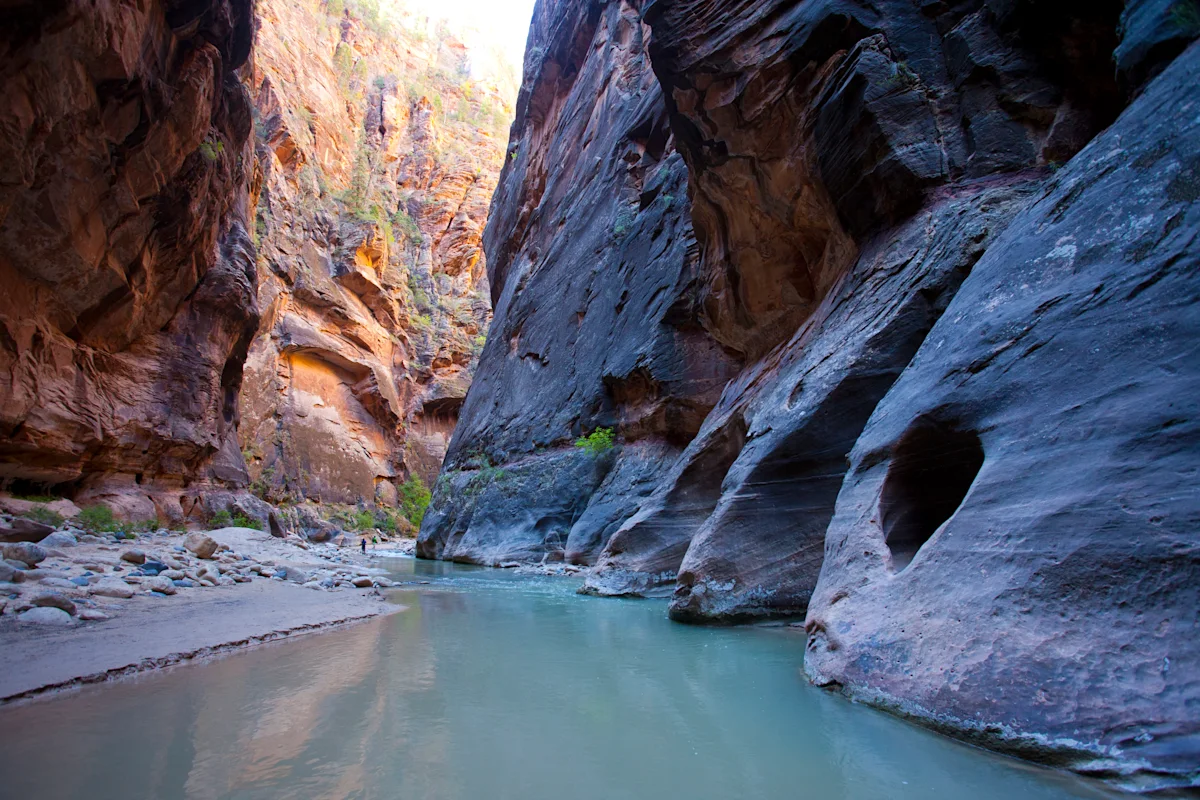
“National Parks are sacred places where a country’s natural and cultural treasures are protected into perpetuity,” Jim Sano, VP Travel Tourism and Conservation, WWF. But what most people don’t know is the extensive conservation work that goes into these parks and every park to keep them not only beautiful but thriving ecological havens, which play a vital role in our countries health.
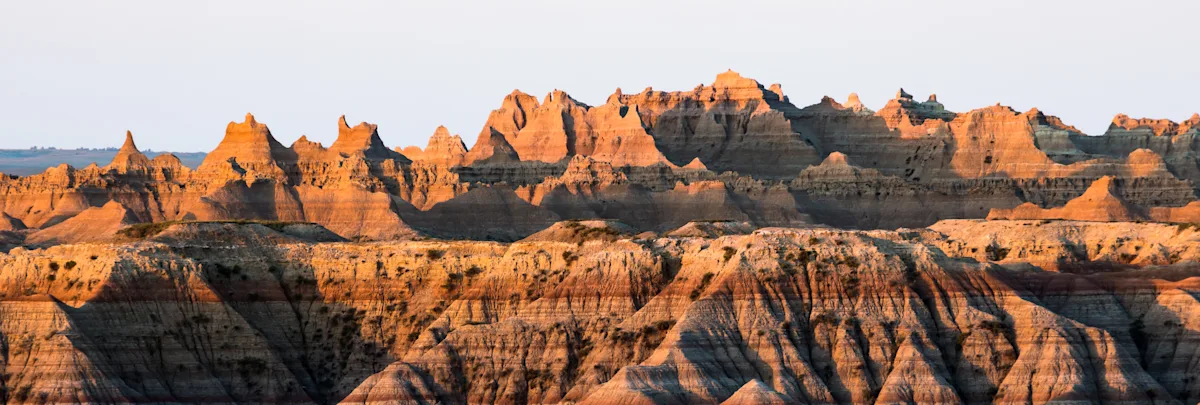
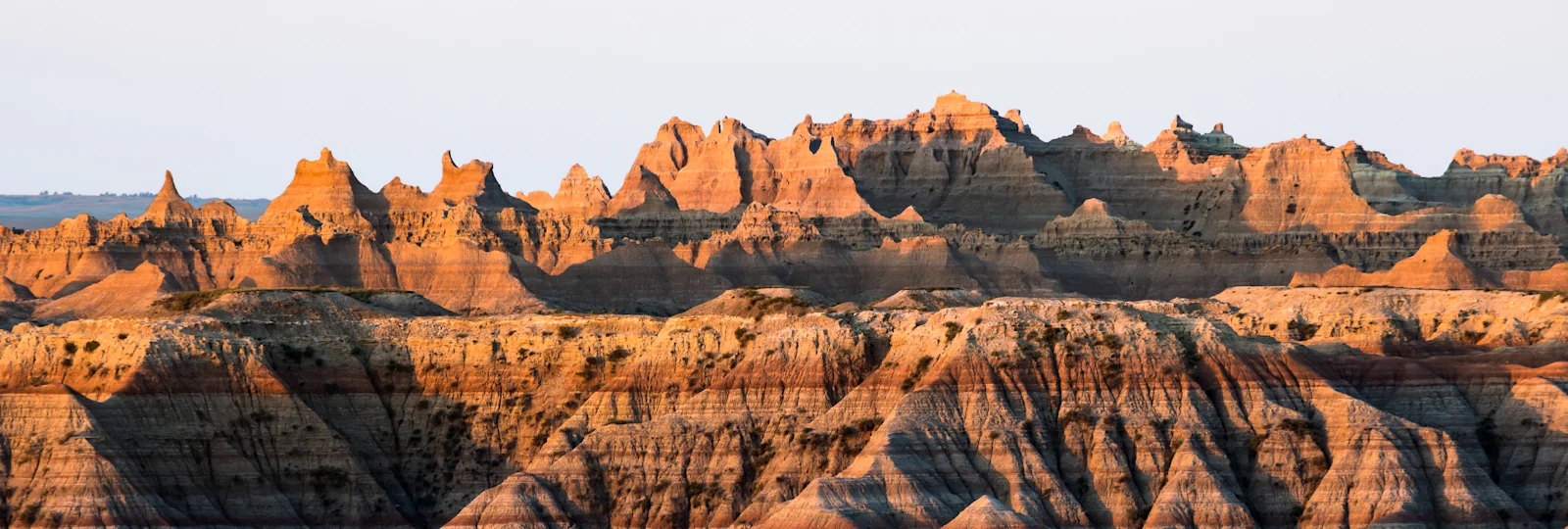
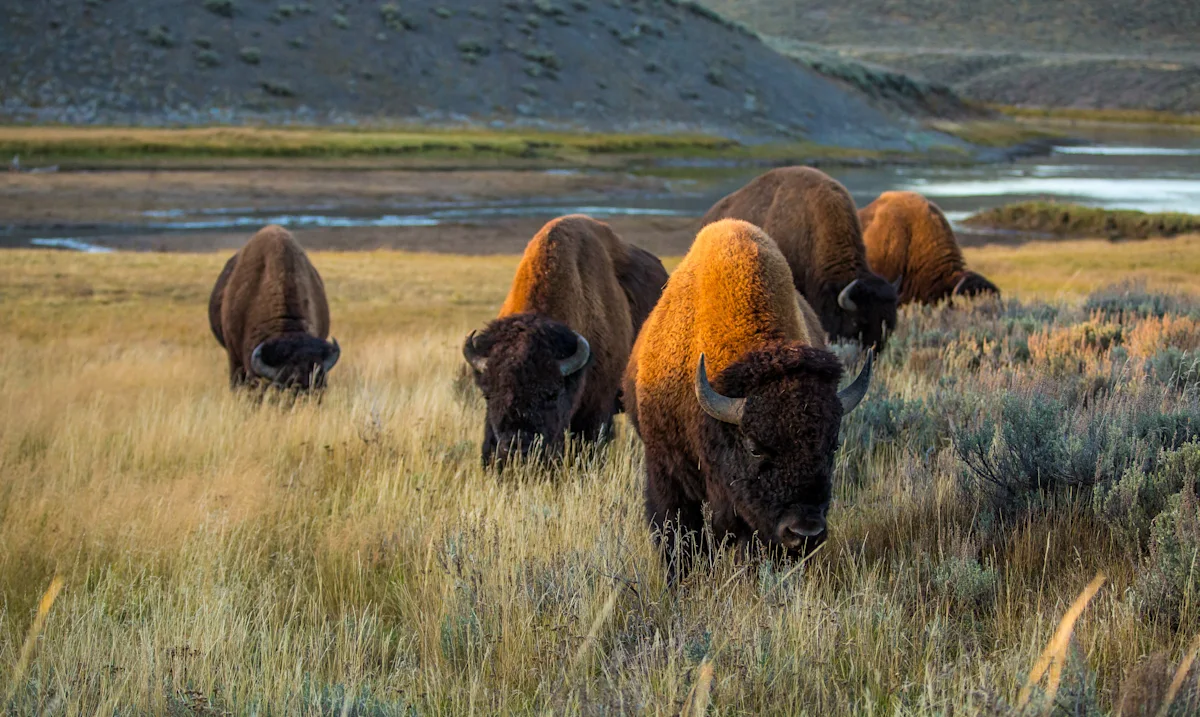
With a foundation in science World Wildlife Fund (WWF) works to conserve protected areas such as national parks. Did you know that more than 15% of the world’s land is designated as protected—an area nearly twice the size of the US? WWF works extensively in US National Parks, in regions like the Badlands, opens in new tab, where bison territory has been expanded to improve both the life of the prairie and the herds. Maintaining and in some cases reviving our country’s natural habitats can improve the lives of people in the surrounding area to the entire country. In Fort Peck, Montana, opens in new tab WWF worked with local partners and communities to reintroduce the bison population. Parks do more than protect land and wildlife, they bring in tourism jobs and dollars. Researchers estimated that tourists spend $600 billion annually in protected areas, opens in new tab.
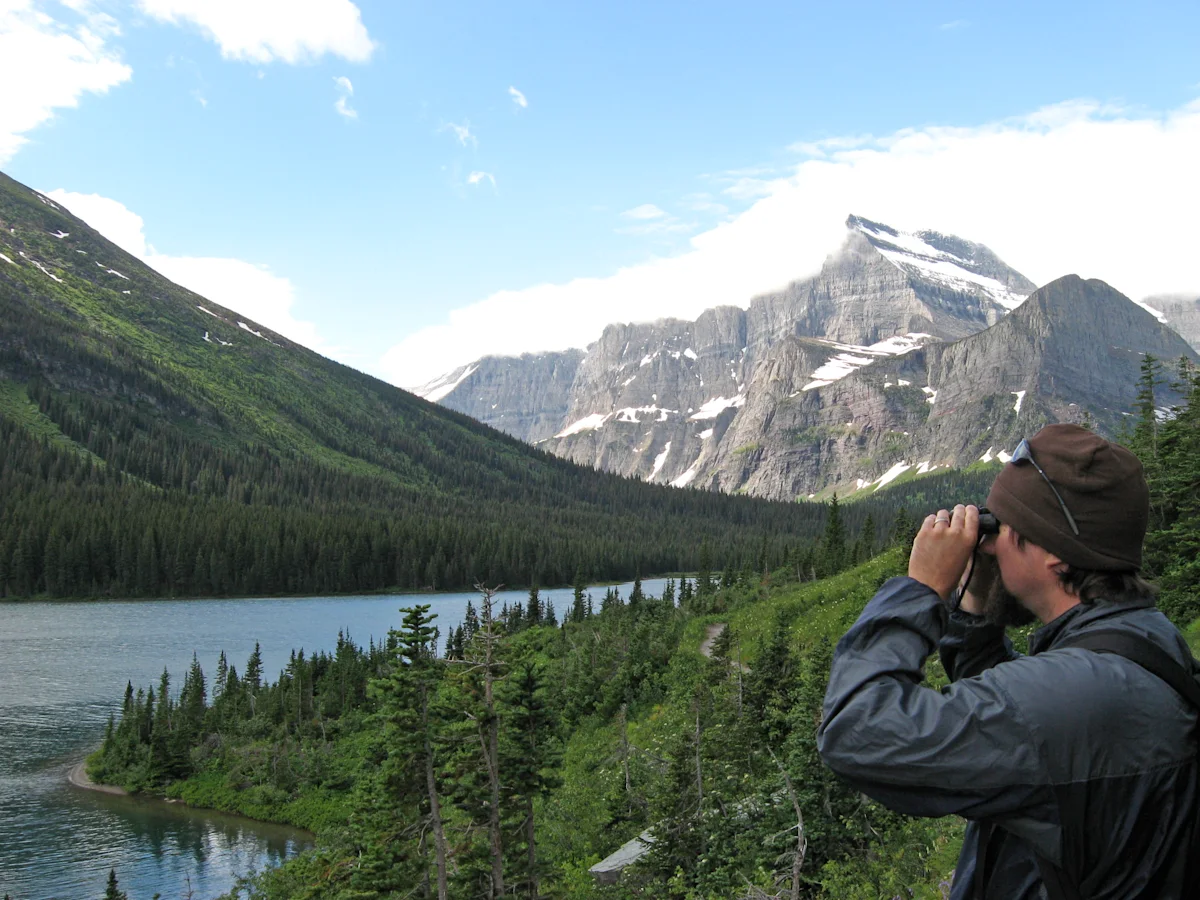
Protecting our National Parks isn’t just good for our planet, it’s beneficial for your health, opens in new tab as well. Studies have proven that spending time in nature is important for your mental health. The best thing is, you don’t have to travel far to enjoy all the benefits the US park system offers, there are parks all over the United States. It’s time to get outside.
By, Lani Chevat, WWF, Travel and Tourism Marketing