Namibia: A Glimmer of Conservation Hope in Africa (Video)
Courtesy of Wilderness Safaris.
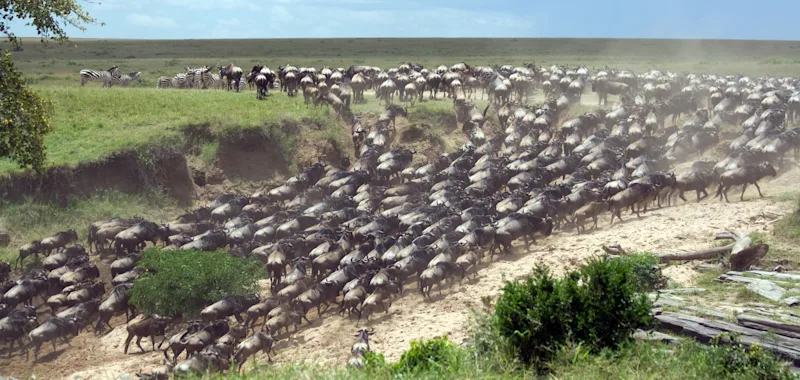
It’s easy to get depressed these days if you care about the natural world and pay attention to the news coming out of Africa. The continent’s wildlife is being slaughtered at an unprecedented rate to meet the ever-growing demand for illegal wildlife products in Asia’s markets. As a result, elephants, rhinos, pangolins and many other species face the very real possibility of extinction in the wild within the next decade or two. Deforestation, which some experts say is happening at twice the rate in Africa compared to the already alarming worldwide average, threatens countless forest dwelling species, including critically endangered mountain gorillas and chimps. And massive new development schemes, some proposed and some already underway, threaten to forever alter some of our planet’s last great wild places. Many experts warn, for example, that if a proposed Chinese-funded commercial highway across the Serengeti, opens in new tab ever comes to pass, it will likely mean the end of Tanzania’s famed wildebeest migration., opens in new tab
But for all of this headline-grabbing bad news, there is one place in Africa where wildlife is actually flourishing and habitat and natural resources are carefully managed and protected. Since the early 1990s, Namibia, opens in new tab has been in the midst of a quiet conservation revolution that could provide a viable sustainable development model for much of the rest of Africa and the world.
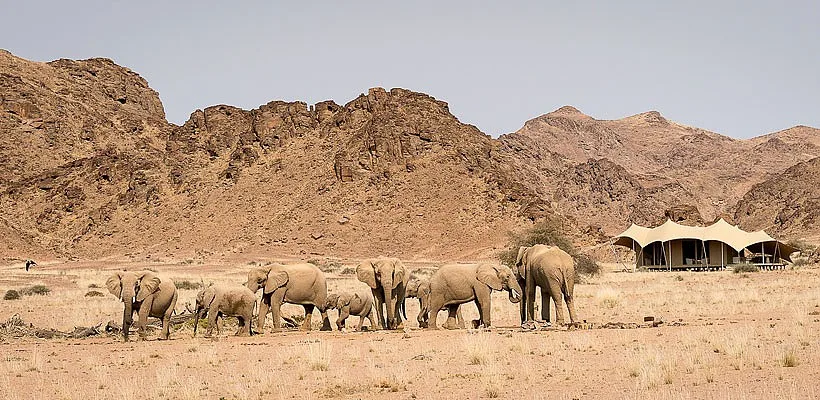
At the heart of this revolution, dubbed ‘The Greatest Conservation Success Story Ever Told’ by some, lies the communal conservancy movement, which gives rural communities the right to manage and benefit from the natural resources and wildlife on their communal lands. Thanks to groundbreaking policies put in place by farsighted leaders after Namibia gained its independence in 1990, as well as assistance from NGOs such as WWF Namibia, opens in new tab, local communities have forged innovative partnerships with the travel industry and investors to build and market high quality safari camps and lodges. As a result, Namibia has become one of Africa’s premiere safari destinations and communities that once relied on subsistence agricultural and poaching for survival are now partners in highly profitable tourism enterprises.
At long last, many rural Namibians have access to good jobs and enjoy unprecedented economic opportunity while participating communities can invest in education, healthcare and development. And conservation is no longer the responsibility of a distant national government, but of local communities and people who now have a tangible incentive to protect wildlife that they may have once viewed as a threat or a nuisance.
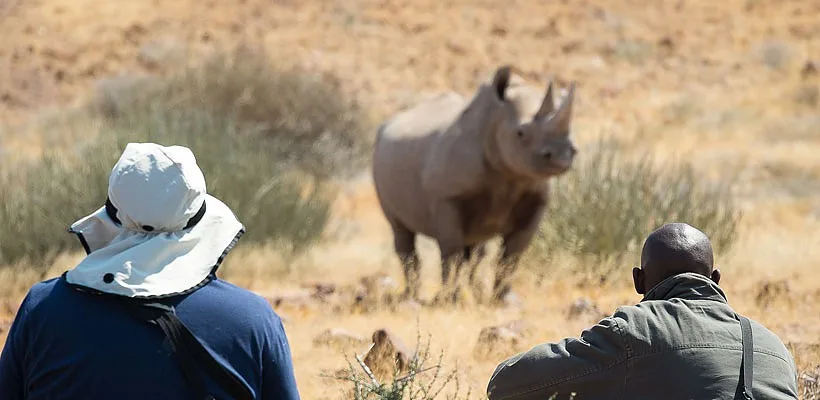
What is the result of all of this? The clock is being turned back on decades of human-wildlife conflict, poaching, and unsustainable land management policies. Today, over 40% of Namibia is under conservation management and the country’s once beleaguered wildlife populations have made a remarkable comeback. Elephant numbers have doubled, the desert-adapted lion population has quadrupled, and the critically endangered black rhino is thriving like no where else in Africa. Hopefully, other countries in Africa and around the world can learn a valuable lesson from Namibia before it’s too late.
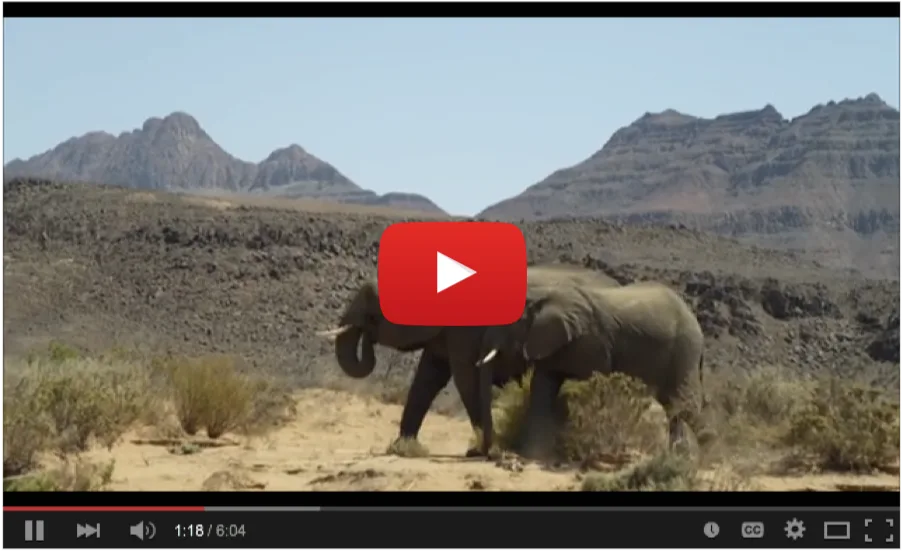
Check out the video below to learn more: