Meet WWF’s Jim Sano: A ‘Truly Glorious’ Life as a U.S. Park Ranger

The single-engine Grumman AA-5B plane was barely perceptible on the snowy mountainside. It was January 1982, and World Wildlife Fund’s Jim Sano, opens in new taband his fellow team of search and rescue specialists had been scouring White Mountain at Yosemite National Park, opens in new tab in California for five days following a blizzard before they spotted the wreckage.
The pilot and his wife died in the crash, but their 10-year-old son Donnie Priest was still alive. He was suffering from severe frostbite when rescuers on skis finally reached him. The boy survived the incident, though both of his legs were amputated below the knee.
“I feel like I personally owe … the rescuers my life,” Priest, now 44, told the San Francisco Chronicle a few years ago.
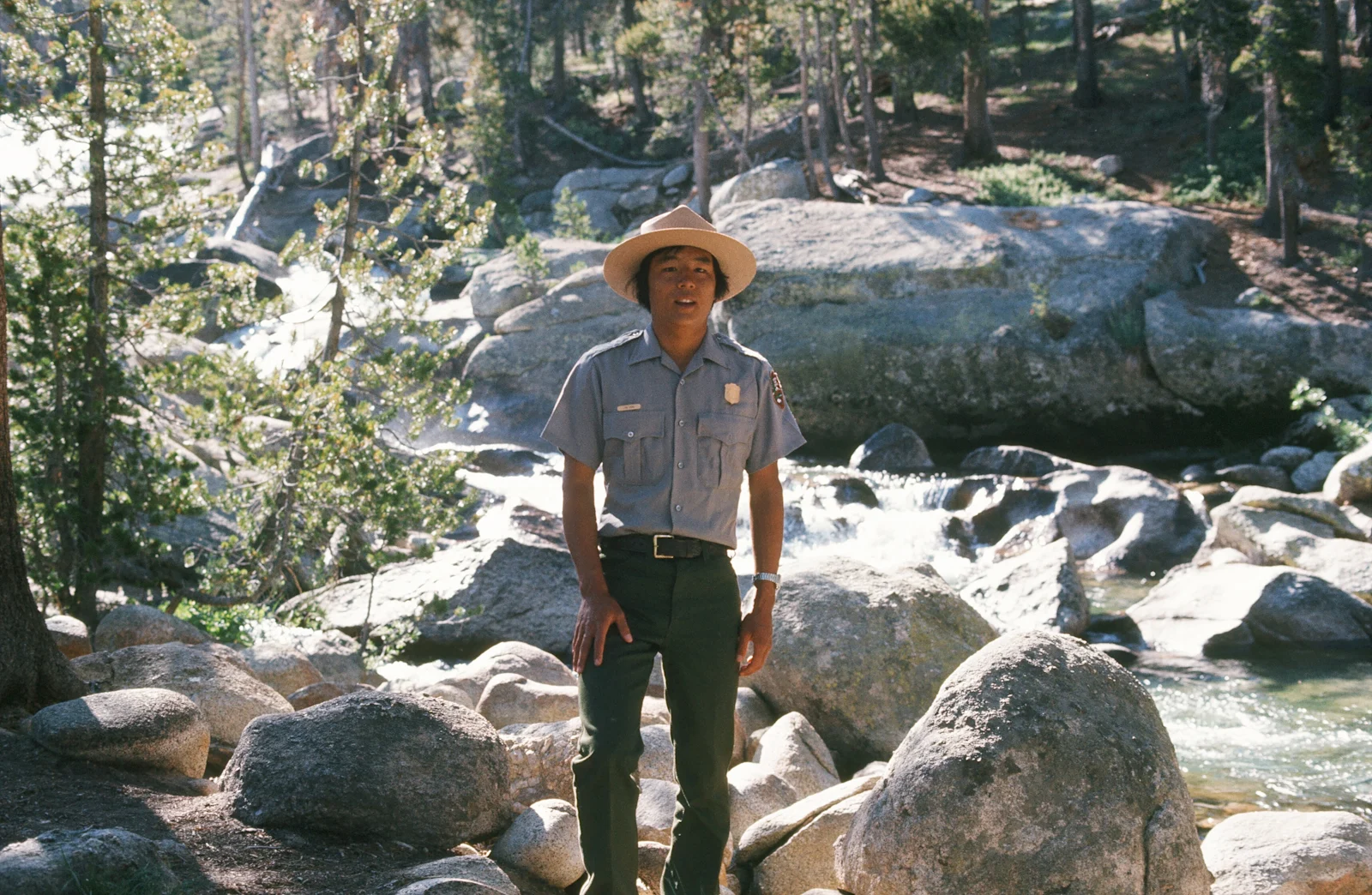
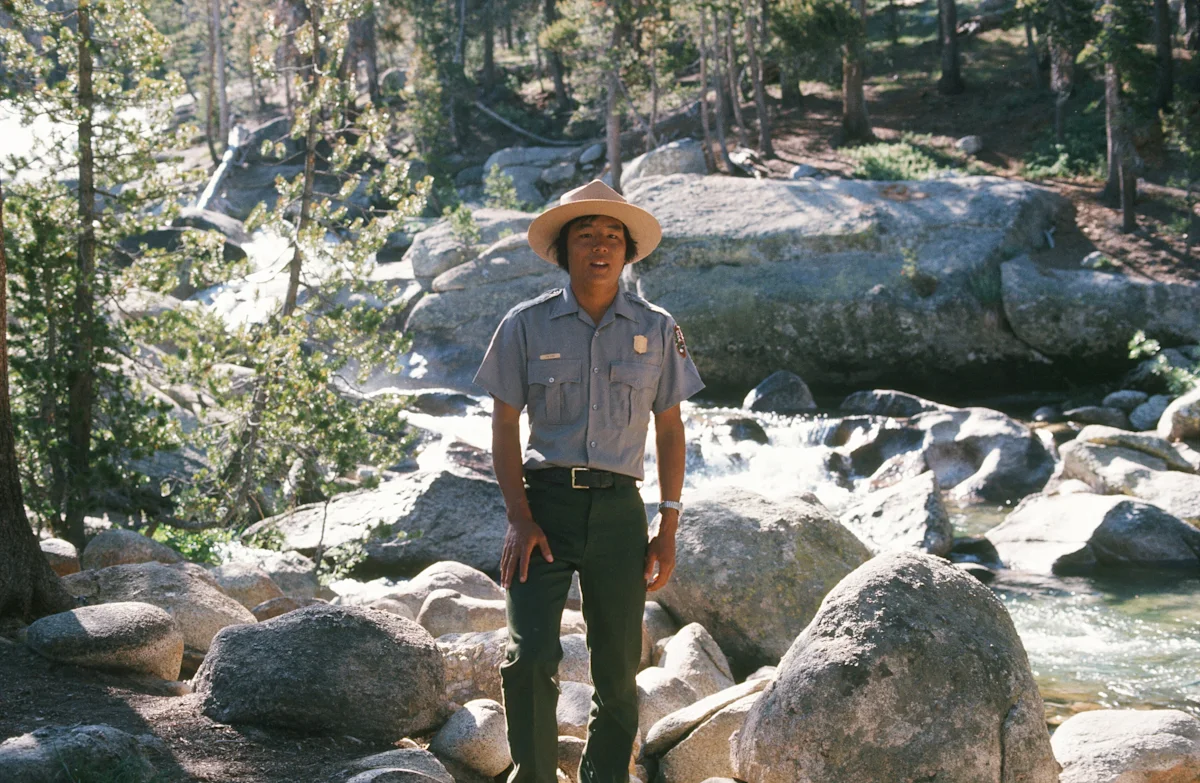
For Sano, the Priest rescue was just one of dozens of search and rescue operations he joined during a career with the National Park Service. Sano, who serves as WWF-US’s vice president of travel, tourism and conservation, opens in new tab on the Development team, worked as a park ranger at Yosemite for 14 years seasonally and full-time after graduate school.
“Living and exploring the place that inspired John Muir’s passion for conservation was truly glorious,” Sano said.
Rangers wear many hats, and Sano was no different. In addition to his search and rescue duties, he led naturalist hikes, special programs and campfire songs. He joined fellow rangers in patrolling for bears meddling in visitors’ parked cars.
His starting salary? A mere $13,000 a year.
“There was a saying in the park service that we were paid in sunsets,” he said, laughing.
A good portion of his time in Yosemite was spent in a more remote outpost 1 1/2 hours from Yosemite Valley, at 8,600 feet above sea level.
“I was stationed in a part of the park where, in the early days, there was no electricity or refrigeration,” he explained. “We cooked with a wood stove, and all lighting was kerosene. It was a great adventure.”
In later years with the park service, he was part of the Yosemite master plan team and served as the service’s liaison with the owners of the more than 1,500 Yosemite in-holdings within park boundaries. That was often as challenging as some of the highly technical mountain climbs he did on his days off, he said.
The weekend explorations prepared him for his search and rescue duties, further supplemented by official training as an emergency medical technician. Yosemite averages 200 rescue missions annually, ranging from technical rock and river rescues to searches for lost hikers.
After a 14-year-old girl disappeared in the high country, Sano was in charge of coordinating the search grid for four helicopters. The nine-day operation included 200 park service personnel and volunteer search and rescue teams. “We never found her,” he said. “It was very mysterious in that respect.”
Other rescues had happy endings – backcountry skiers or hikers who lost their way or helicopter crashes with survivors.
For his years of service, Sano was awarded five National Park Service Special Achievement awards.
By Elissa Poma, Deputy Director, Marketing & Communications, WWF