WWF Provides Life Insurance for Snow Leopards
It is a conflict as old as the hills: the predation of domestic livestock by a wild animal and subsequent eradication of the predator by the deprived herder. In this era of endangered species and declining natural habitat, such retaliation can hasten the extinction of an already imperiled animal.
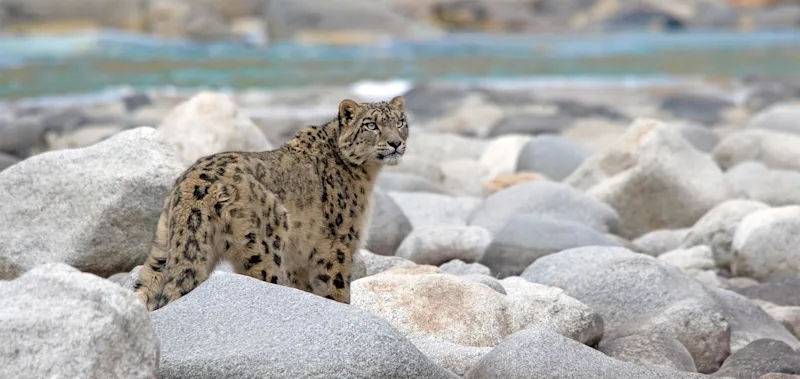
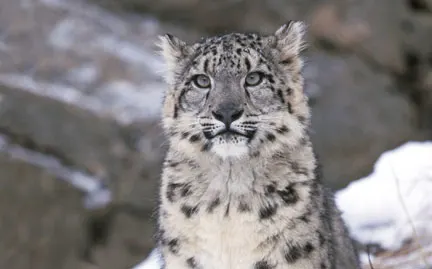
The snow leopard is clinging by the tips of its claws to a continued existence in a vast central Asian range from Afghanistan to Bhutan and northward through China to Mongolia and Uzbekistan. Estimates put the number of snow leopards remaining in the wild over this immense sweep at just 4,000 to 6,500 individuals. Not only are human settlement and climate change encroaching upon its mountain habitat, but this elusive and secretive animal is also hunted for trophies and pelts and the reputed medicinal value of its body parts.
An innovative program facilitated by World Wildlife Fund (WWF), opens in new tabaims to reduce the number of snow leopards killed in Nepalas a result of attacks on livestock.
Villagers in theeastern Himalayas, opens in new tab near Kanchenjunga, the world’s third highest peak (located on the border of Nepal and Sikkim), are trained to survey and monitor snow leopards and to appreciate the asset of these legendary cats to the growth of ecotourism in the region. A seed fund from WWF and Zurich University has set up an insurance plan at a village bank that compensates participating villagers for livestock killed by snow leopards. Since it was established four years ago, not a single snow leopard has been killed in retaliation for preying on livestock, while monitoring seems to indicate a rise in the local snow leopard population.
Read more, opens in new tababout this effective community-based approach to conservation, and view rare footage, opens in new tab of snow leopards “captured” by a camera trap in Bhutan’s Wangchuk Centennial Park.
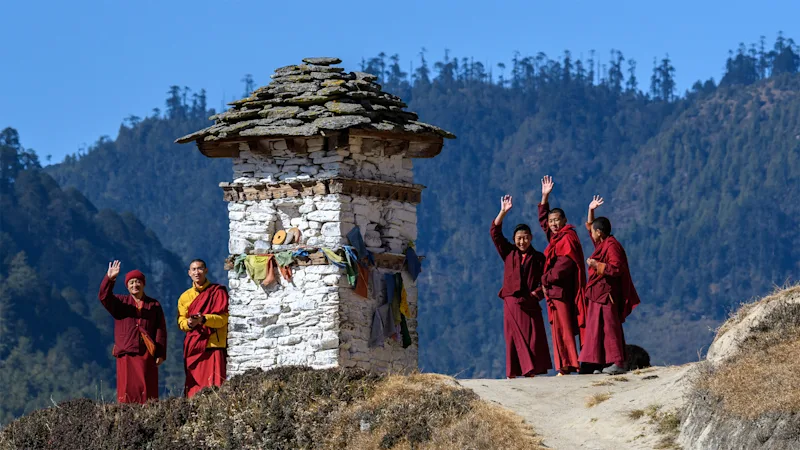
You can also learn more first-hand about the stunning wildlife and culture of the Himalayan region on Nat Hab’s Natural Jewels of Bhutan & Nepaladventure, Feb.10-22, 2013. As with all our tours, a portion of your trip cost goes directly to WWF’s general fund to support conservation work around the world.