Introverted Animals May Be the Most Innovative

It’s taken quite a number of years, but I’ve learned to be a proud introvert; and, well, as a writer, it also kind of comes with the territory. But we humans aren’t the only ones to have introverts among us. Nonhuman animals, too, have their share of “quiet ones.”
In her 2012 book, Quiet: The Power of Introverts in a World That Can’t Stop Talking,, opens in new tab author Susan Cain, opens in new tab states that “introverts have a remarkable ability to be independent.” Their introspective nature, she says, often leads to enhanced creativity and problem-solving abilities. It’s human nature to mimic the opinions of those around you, so being alone can help you tap into your own ideas, helping you access your creativity without distractions. That gives introverts a leg up as leaders: high levels of creativity aid in coming up with better ideas more regularly and finding unique solutions to problems.
The ability to find innovative solutions to known problems—or to come up with answers to new problems—provides crucial benefits for the adaptation and the survival of human beings, as well as for animals. And now, a study by researchers at Spain’s University of Barcelona has analyzed this cognitive skill in ungulates, a group of mammals such as dromedaries, goats and horses, characterized by walking on the tips of their toes or hooves. The results show that those individuals that are less integrated in the group and those that are more afraid of new objects were the best at solving a challenge posed by the researchers: opening a food container.
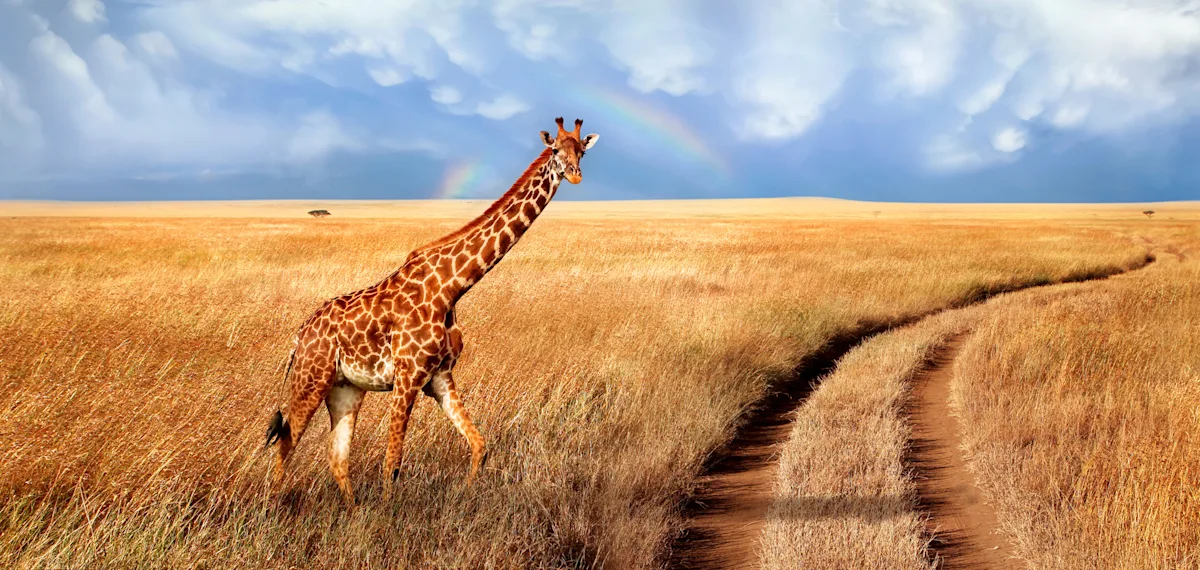
Judging giraffes and sizing up sheep
In the past, most comparative studies on the evolution of cognitive abilities have been conducted on birds and primates, but the evolutionary pressures that these animals are subjected to may be different than those of other species. So, scientists at the University of Barcelona together with other experts from the Max Planck Institute for Evolutionary Anthropology and the University of Leipzig in Germany decided to include other taxa—in this case, ungulates.
An experiment was carried out on 111 animals from 13 different species—including deer, dromedaries, giraffes, goats, llamas, Przewalki horses, opens in new tab and sheep, among other ungulates—which lived in captivity in zoos in Barcelona, Spain; La Barben, France; and Leipzig and Nuremberg, Germany. Each of these groups of animals were presented with a test, consisting of opening a type of cup container they did not know and which held their favorite food.
All of the animals had previously been classified according to several aspects that could have an impact on their ability to solve problems, such as their diet, fear of new objects and their social integration in their groups. The aim was to identify the individual and socio-ecological characteristics of the animals that were most successful when working on the challenge that the researchers had prepared.
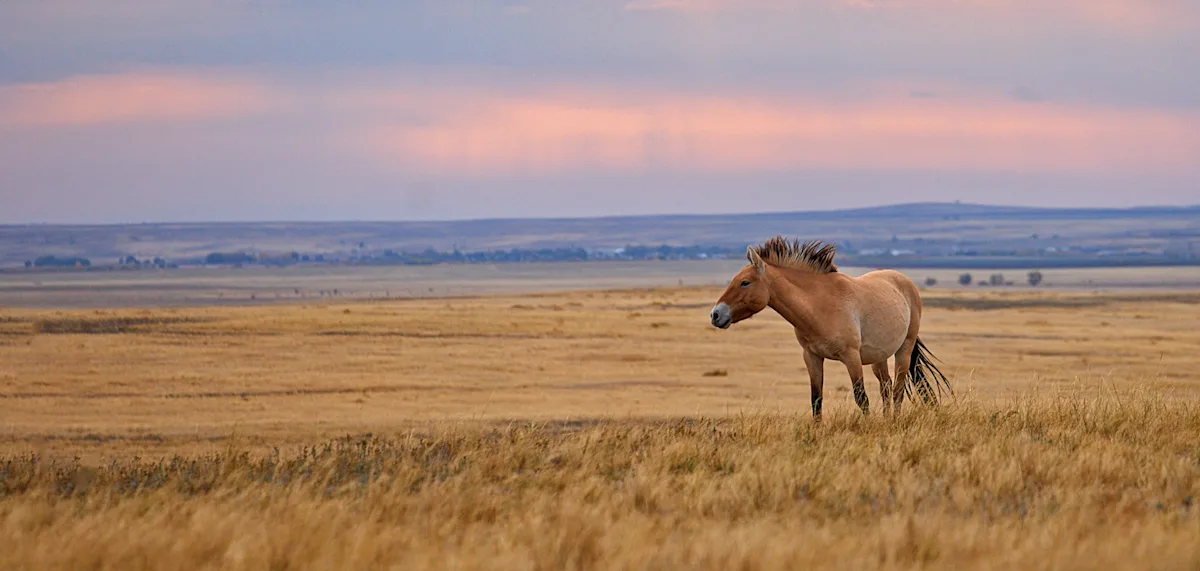
Dexterous dromedaries and gifted goats
On average, 62% of this study’s subjects participated in at least one condition of the task. However, participation varied widely across species, with 100% of the dromedaries approaching the cups but only 33% of the sheep. Overall, only 36% of the study subjects (40 animals) were successful in retrieving food at least once. The species with a higher percentage of successful individuals were dromedaries and goats, with 86% and 69% of the individuals, respectively, opening the cups.
Domesticated species and species with higher fission–fusion dynamics (those belonging to complex groups that go together or separate depending on the environment and the time) were more likely to participate in the task, and so were individuals that were less neophobic (having dread of or aversion to novelty or new things). Moreover, less neophobic individuals and socially less integrated ones were more likely to solve the task.
In successful cases, the researchers assessed the diversity of resources used to solve the challenge. Most of the triumphant animals opened the containers using their lips, muzzle or nose; only nine out of these 40 animals used more than one strategy to solve the challenge, such as lifting the cover gently with their lips or knocking the cup to the floor.
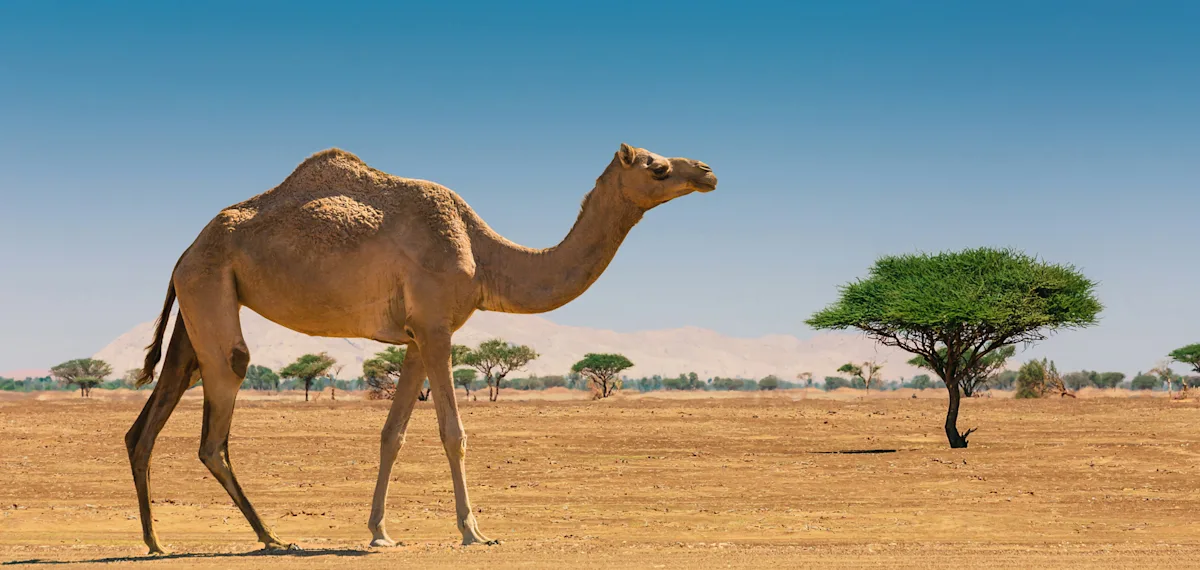
Overall, conclude the researchers, the animals demonstrated that personality traits and social integration play an important role in ungulates, by reliably explaining variation in their problem-solving skills.
Lionhearted loners and ungulate investigations
The findings from this study, published in the journal Proceedings of the Royal Society B, opens in new tab in April 2023, are in line with recent scientific literature about captive and wild primates; and they show that less socially integrated individuals are less likely to obtain resources, such as food, but they are more likely to overcome neophobia to improve their situation.
This paper is also a pioneering study in ungulate cognition research, since “there are barely a handful of similar studies” with these types of species, say the authors. It confirms that ungulates are a promising group of animals for testing evolutionary theories with a comparative approach.
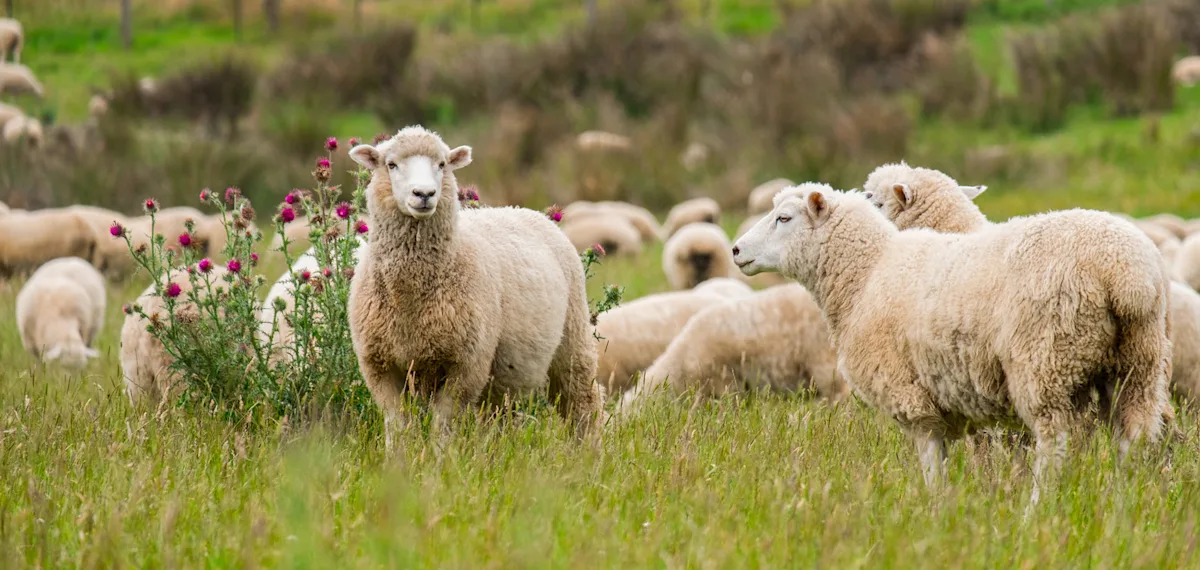
Shy on the savanna and withdrawn in the woods
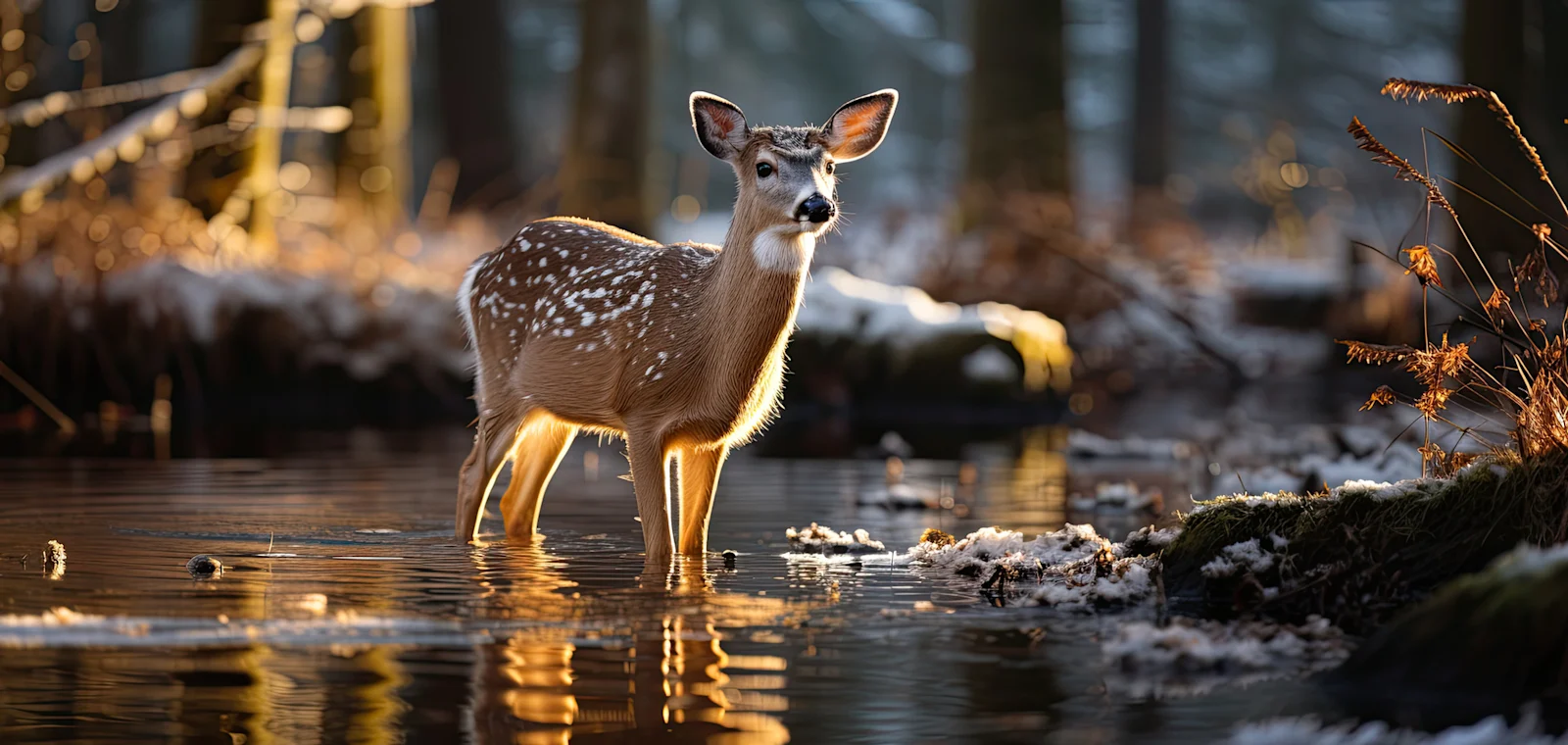
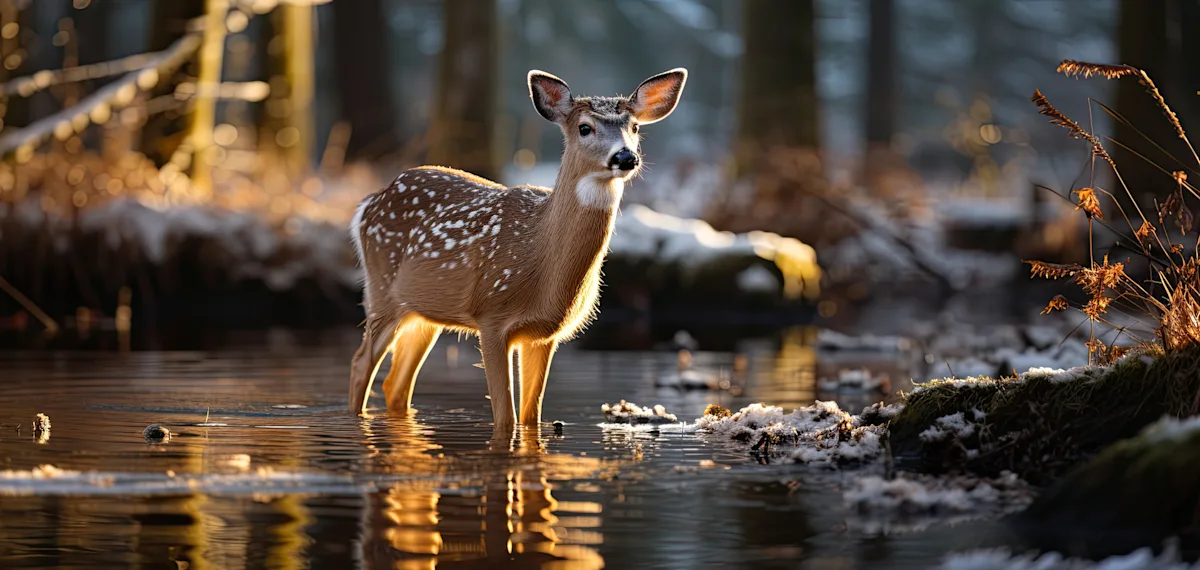
This new nature research makes me imagine that hiding in the woods somewhere or in plain sight on the African savanna, there are bashful deer and withdrawn giraffes, making more creative decisions and solving more problems than their more extroverted and noisy peers.
I like to think that because we introverts have a lot to boast about and be proud of. Introverts of the world, I’m happy to stand among your ranks—whether you have two feet or four.
Here’s to finding your true places and natural habitats,
Candy