Conservation Inspiration in Belize

After landing in Belize City, which was bustling with travelers coming and going, we took a short flight over a beautiful dense forest as the rich blue ocean faded in the distance. Our journey truly began once we touched down on land. We stayed at an eco-friendly lodge originally built on an active coffee farm, on top of Mayan ruins. This would serve as our backdrop for our first three nights in Belize. On our first excursion around the grounds, our guide described how the Mayan buildings and relics were covered by natural vegetation to preserve them – these grass covered hills could be seen all across the property.
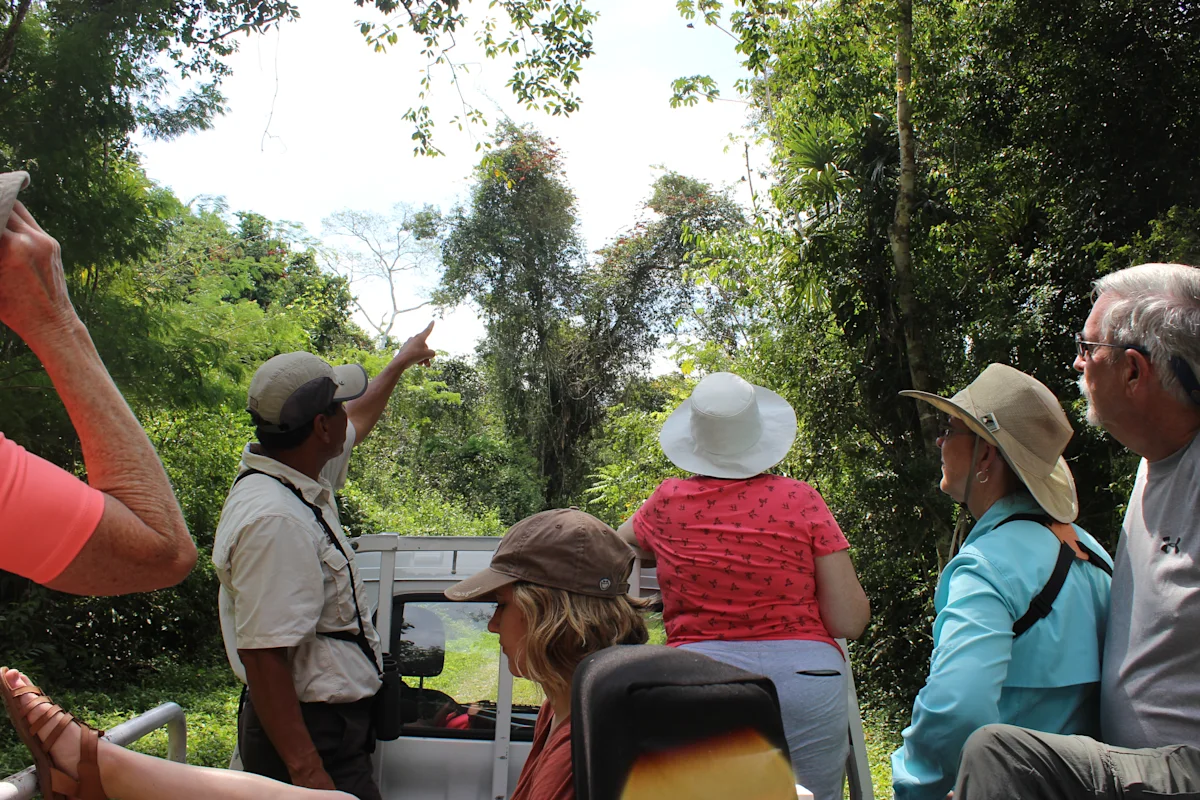
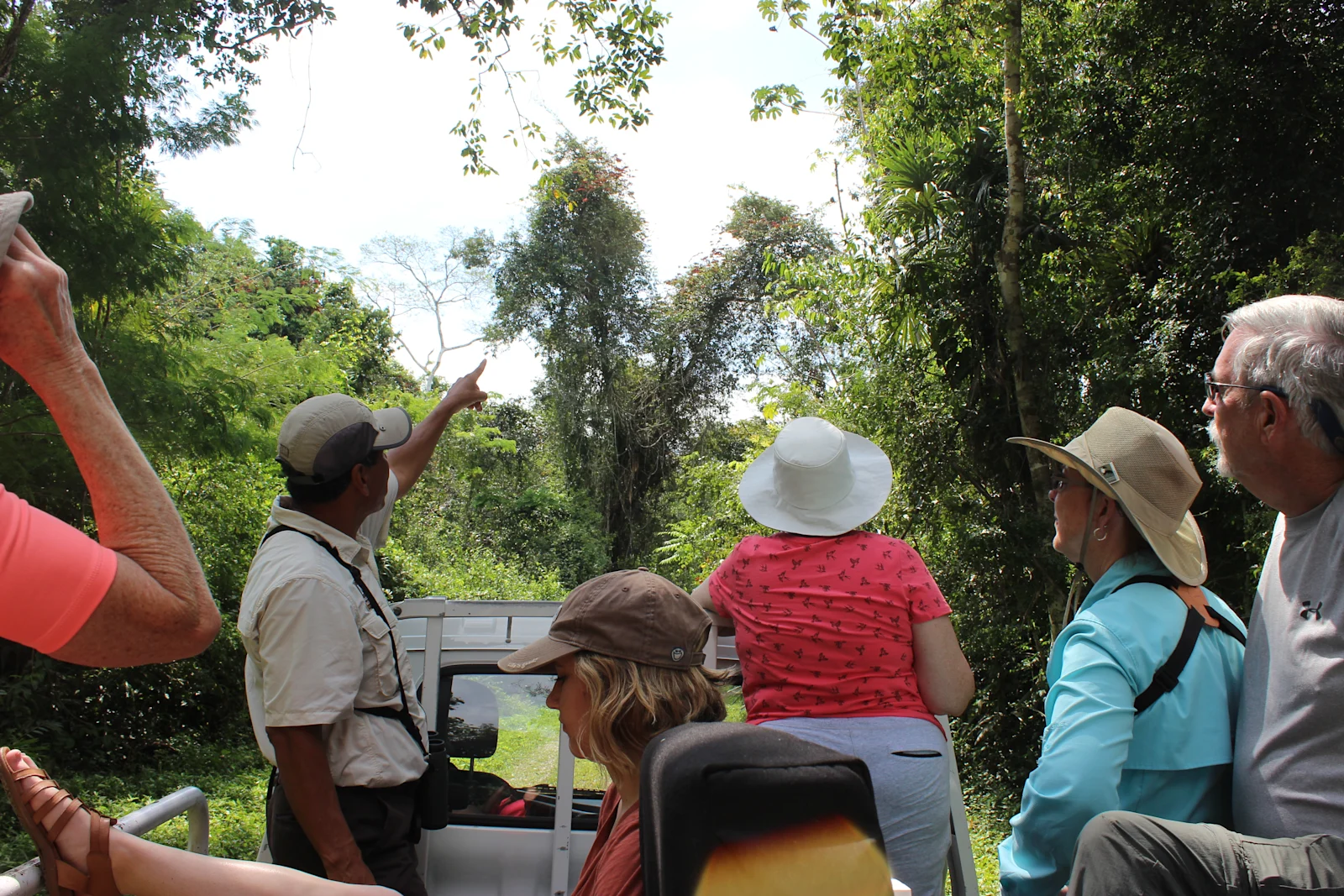
While at the lodge, we ventured into the nearby forest and saw over 20 species of birds, some of which are migratory, spider monkeys, howler monkeys, fer-de lance snakes (be careful, they are a venomous snake), and so many types of flora and tree species. WWF is working to protect this area by creating an integrated management plan for the Belize watershed. This watershed spans from the Chiqubil Forest to Belize City.
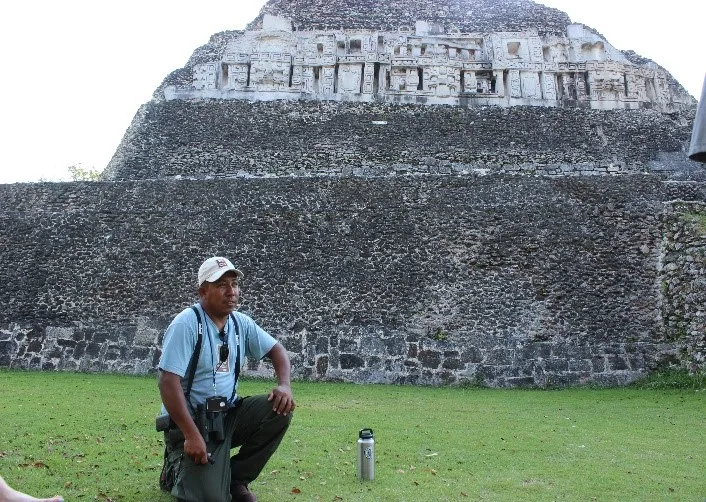
Our adventure brought us south to explore the Xunantunich Mayan Ruins and to observe an active butterfly farm – filled with beautiful purple butterflies in their different stages of life.
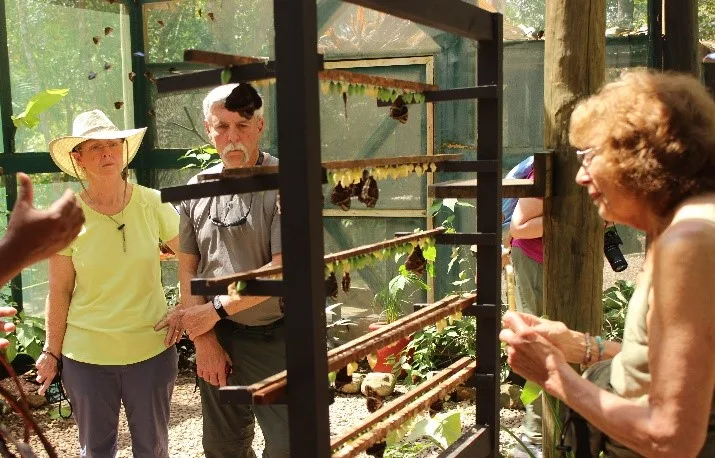
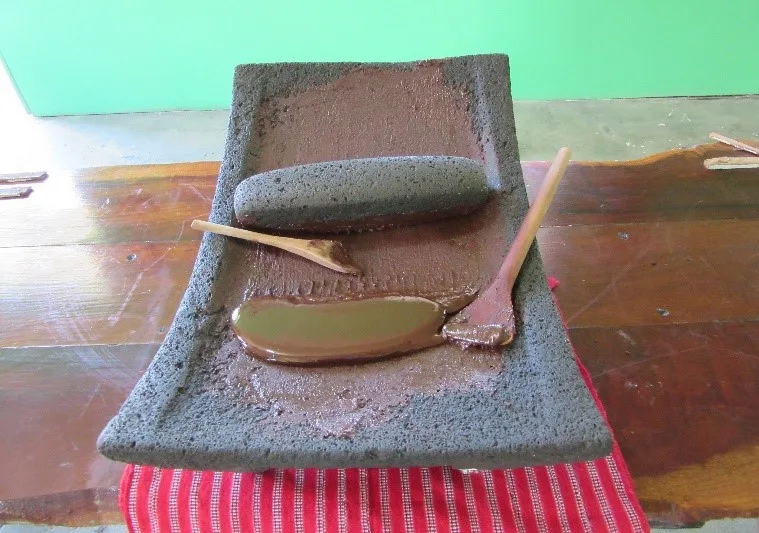
As a special treat our guide took us on a walk around the beautiful Belize Botanical Gardens. We explored the culture of Belize further by visiting a family that practices the Mayan art of chocolate making – and we even got to sample the chocolate as a warm drink combined with cinnamon and other spices.
Later in the day we visited a family that shared with us the cultures and traditions of the Garifuna people. The family ranged in ages from early years and beyond, shared with us their traditional clothing, foods, songs and themed dances. It was such a moving experience – it brought my fellow travelers and me to tears.
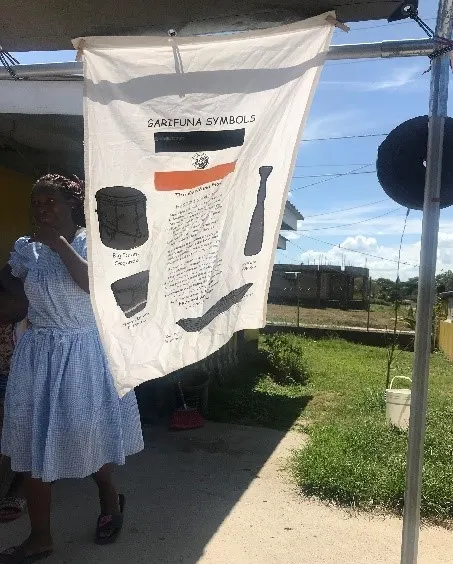
Throughout our trip in Belize, our knowledgeable guide told us about the history of Belize and its communities. WWF works closely with communities to produce positive change for our environment – understanding one’s story is an essential building block for a successful partnership with communities.
We rounded out our adventure on the coast of Belize at Hatchet Caye. Before heading out on our boat ride to the caye – we ventured through Palencia Peninsula, where so much real estate development is happening. WWF continues to work with local partners to legally protect these mangroves ecosystems and create zoning areas for new construction.
On our boat trip out to Hatchet Caye, it’s hard to imagine that the Mesoamerican Reef region was once considered for oil exploration, opens in new tab. The beautiful corals that we were able to explore, are part of what WWF works to actively conserve. These corals are home to numerous species of tropical fish, sting rays, dolphins, sharks and lobster. Hatchet Caye is also near the South Caye Marine Reserve where WWF works on reef monitoring and an ongoing analysis of land development impacts within the reserve to help increase management effectiveness.
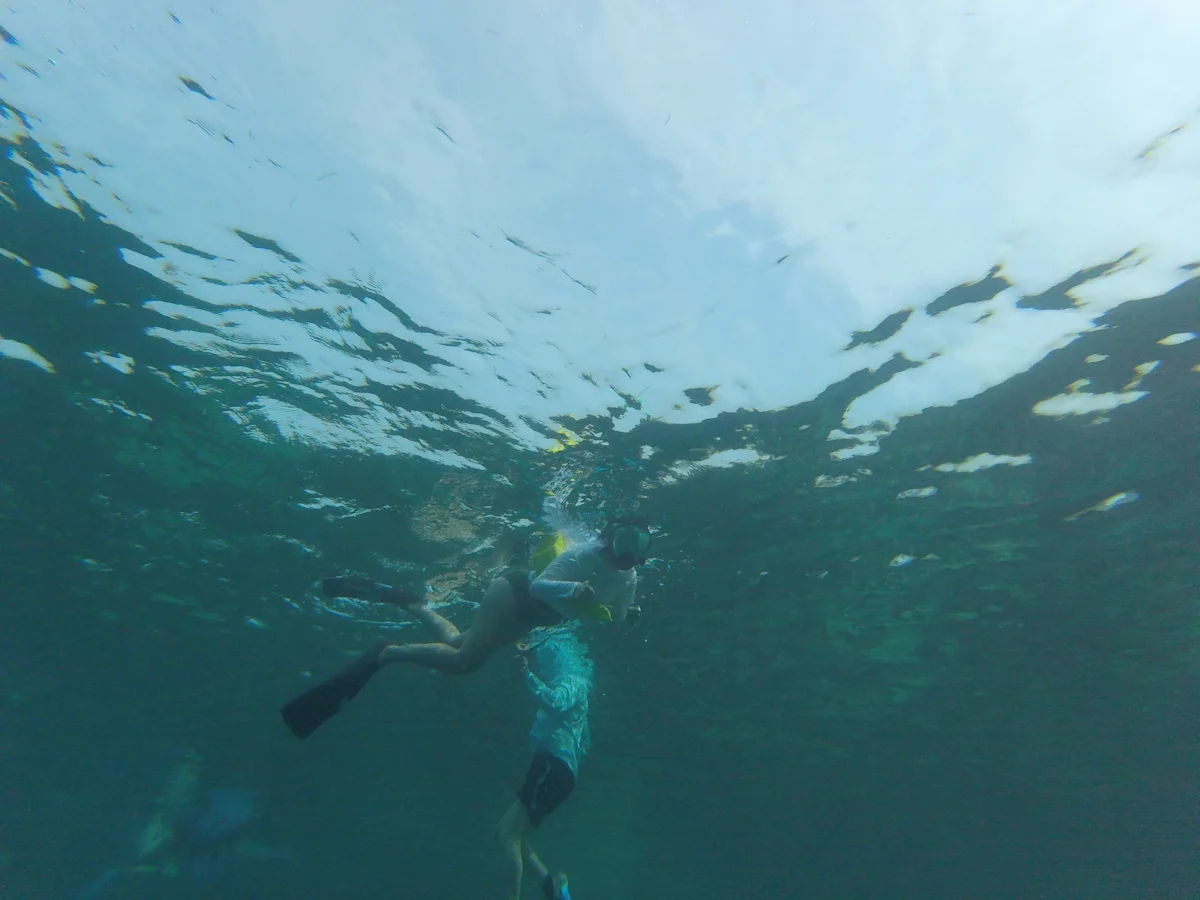
In 2009, UNESCO placed Belize’s reef system on the list of World Heritage in Danger sites. Belize was put on this list for three key reasons: mangrove deforestation, unsustainable coastal development and potential oil activity. The impacts of these activities could have extreme repercussions for Belize’s fisheries, which bring in about $15 million and to its $200 million-dollar tourism industry. Since then, WWF has been teaming up with local stakeholders and after more than six years of community engagement the team was able to put together Belize’s first Integrated Coastal Zone Management Plan, opens in new tab that was signed into law in 2016. This plan established guidelines for sustainable use of coastal marine resources. After being able to swim through the corals and be so close to the sprawling marine life, I’m thankful that WWF is working so hard to protect Belize and remove the Belize Barrier Reef Reserve System from the UNESCO World Heritage In Danger list.
By Danielle Artis, WWF