Fossil Finds and Penguin Packs: Final Frontiers Still Found on Earth

When you look at the immense footprints humans have left on this planet, it might lead you to conclude that we’ve trod, explored and exploited almost every inch of it; that there is nothing truly unknown or wild remaining. That’s why getting new evidence to the contrary is so hopeful and inspiring.
In just the past few weeks, we’ve learned about two cases in point: one involves a parcel of land in our own country, and the other relates to a plot at the bottom of the world. The first concerns some long-dead animals, while the second is good news for some very-much-alive ones.
In Bears Ears National Monument in southeastern Utah, scientists have uncovered the densest area of Triassic Period fossils in the nation—maybe the world. Meanwhile, in Antarctica, more than a million once-thought rare penguins have been located living on a remote chain of islands.
It appears that there are still “final frontiers” to be found on Earth.
Fossil Finds, hopefully, won’t fizzle
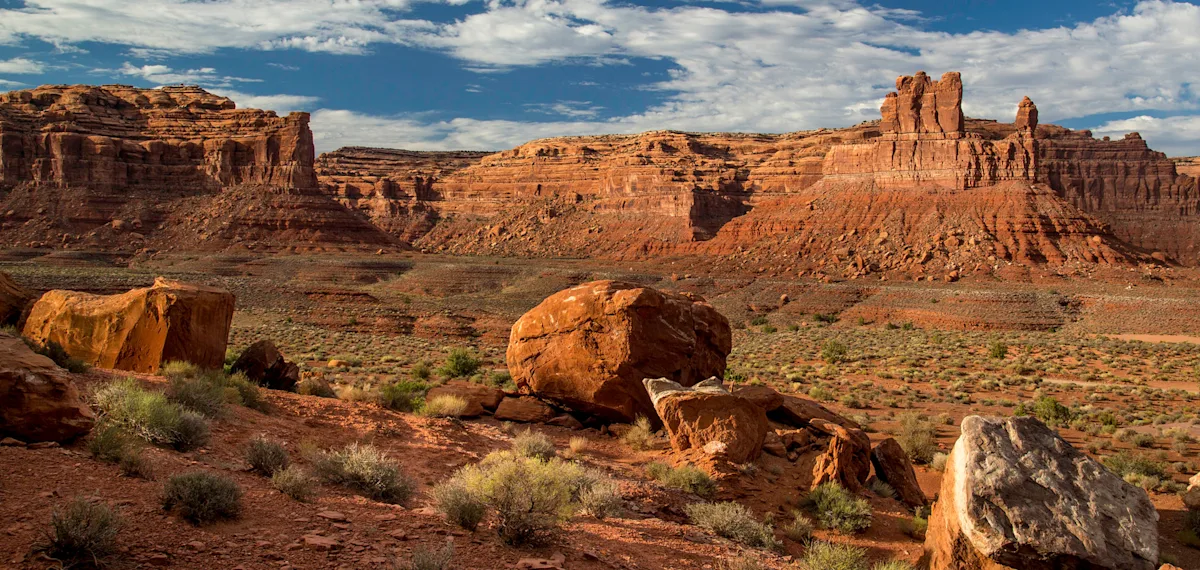
On February 17, 2018, at the annual meeting of the Western Association of Vertebrate Paleontologists held in St. George, Utah, it was announced that fragments from extremely rare fossils had been dug out of land that originally fell within the boundaries of Bears Ears National Monument. They included three toothy, long-snouted skulls of phytosaurs., opens in new tab More than 200 million years ago, these crocodile-like creatures roamed what is now our nation.
Museums of Western Colorado paleontologist Robert Gay, who led the research team, thinks that once a 69-yard site in Bears Ears can be fully excavated, it is likely that many other intact specimens will be discovered and, quite possibly, even new vertebrate species.
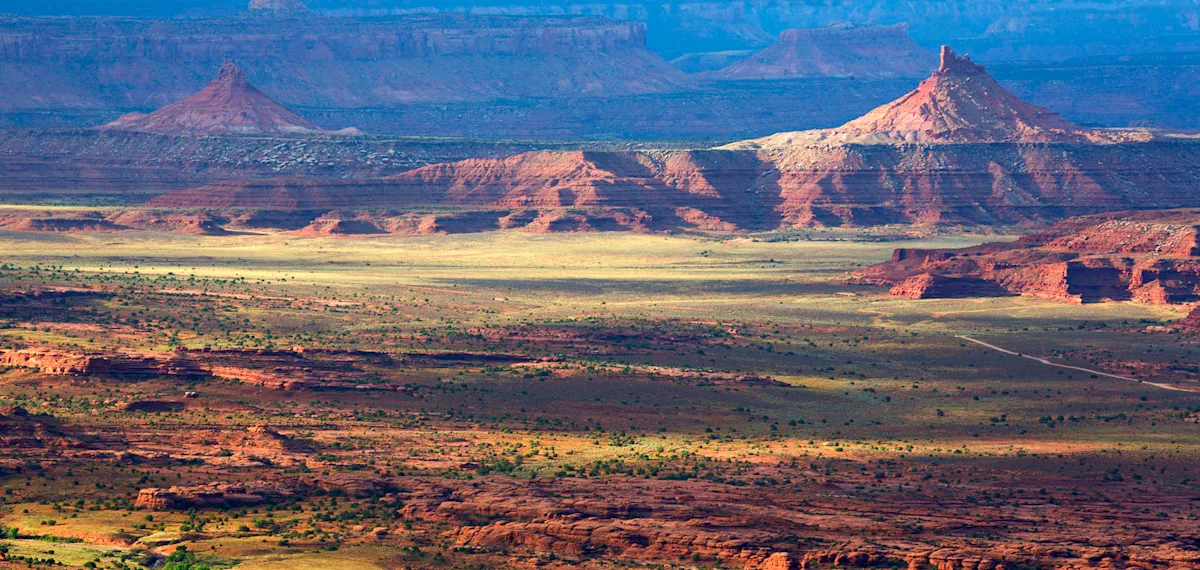
Unfortunately, however, Trump’s order to shrink Bears Ears by nearly 85 percent—from 1.35 million acres down to 201,397—may get in the way of that. The protected-land rollback now places the site of the fossil find outside of the national monument’s boundaries, passing its control from a joint partnership between the U.S. Forest Service and the U.S. Bureau of Land Management (BLM) back to the sole oversight of the BLM. While some fossil-bearing spots on BLM land are still partially protected, losing monument status could result in those places reverting to multiple-use. That means that industrial activities, such as coal mining, could outweigh scientific concerns, leading to the destruction of invaluable archeological discoveries.
Also, the former problems of looting, vandalism and threats from off-road vehicles—all of which have a history of destroying paleontological resources in the area—will again be more likely.
Penguin possibilities, wishfully, won’t perish
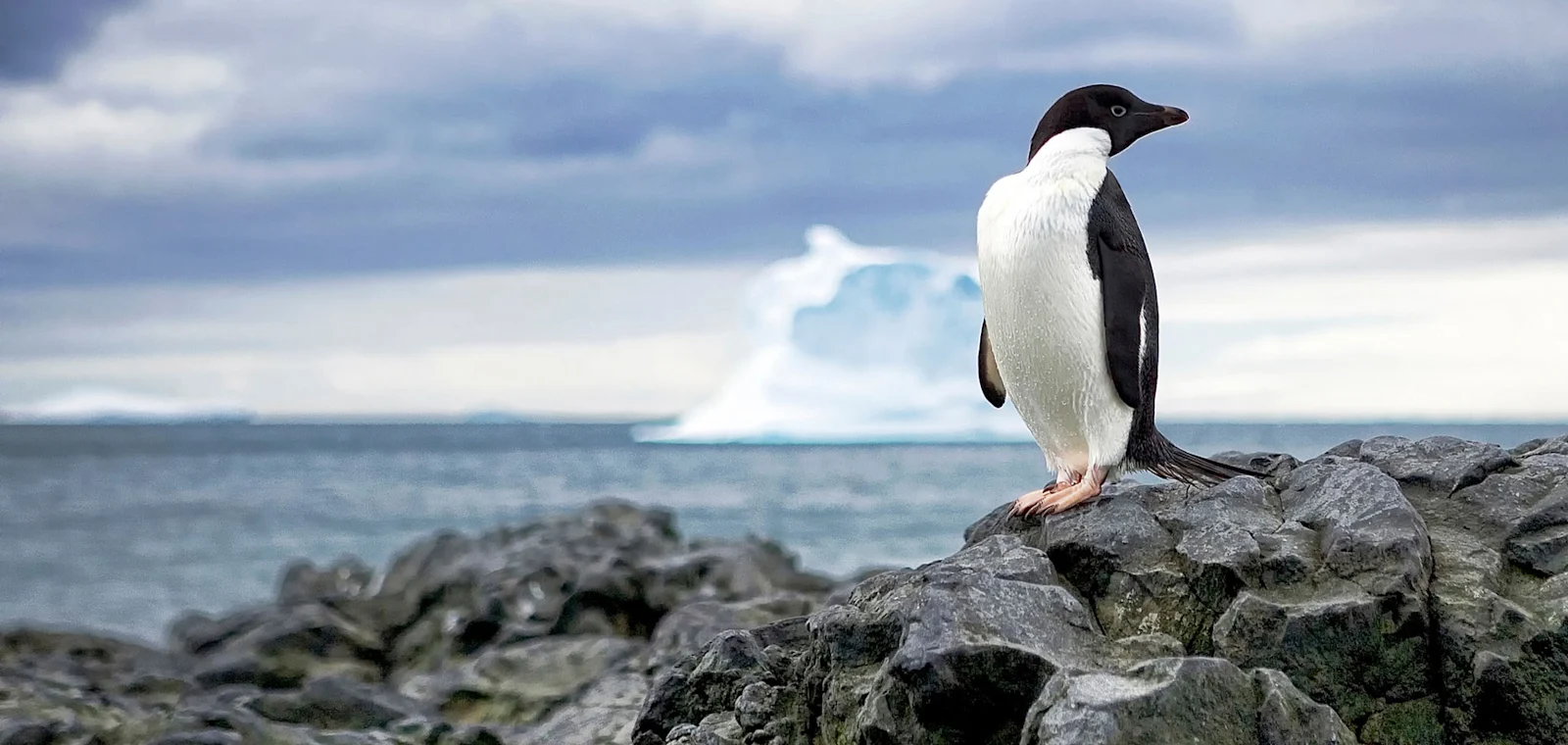
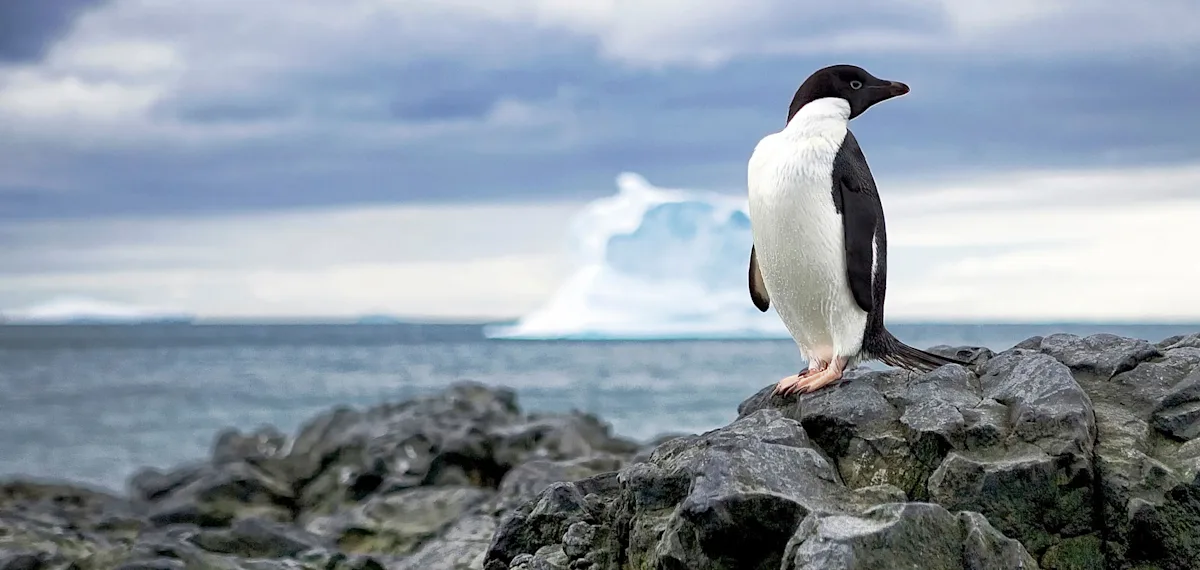
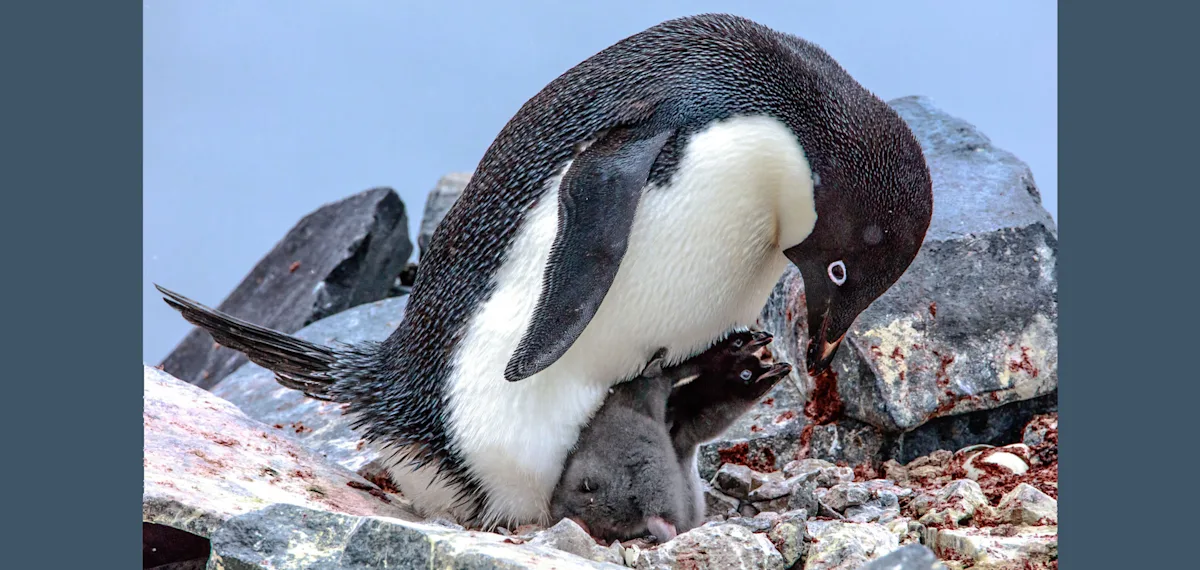
In a paper published, opens in new tab in the journal Scientific Reports on March 2, 2018, it was revealed that a previously unknown supercolony of more than 1.5 million Adelie penguins has been located by scientists in the remote Danger Islands, a chain of nine islands off the northeastern tip of the Antarctic Peninsula.
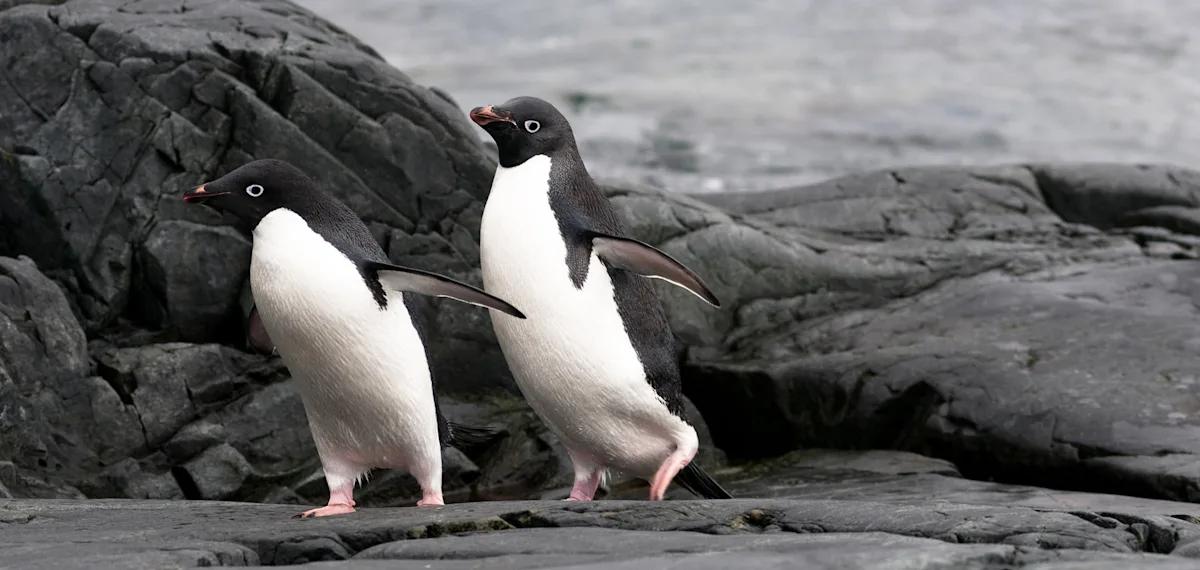
A NASA satellite image of the islands disclosed the enormous colony by way of the animals’ guano. Previously, experts believed that the total population of Adelie penguins was on the decline. And, indeed, to the west just 100 miles away and farther, the same species (along with chinstrap penguins) is diminishing due to human interference and sea-ice melt caused by climate change, opens in new tab and global warming. The population of gentoo penguins, on the other hand, is increasing.
To verify the satellite picture, researchers headed to the remote islands for an on-the-ground investigation. They counted the number of birds by hand and used a modified, commercial quadcopter drone to take images of the islands from above. They counted 751,527 pairs of penguins in total—a number that encompasses more penguins than in all the other regions of the Antarctic Peninsula combined and that includes the third and fourth largest Adelie penguin colonies in the world.
Having an accurate idea of the number of penguins in this supercolony will help scientists monitor how climate change is affecting the area and provide insight into how the changing temperature and sea ice is affecting the local ecology.
These two new revelations remind us that there are still frontiers to be found, on our own planet’s terra firma. Perhaps by leaving some environments undisturbed, they will be able to hold on to their treasures, for ages and eons to come.
Here’s to finding your true places and natural habitats,
Candy